
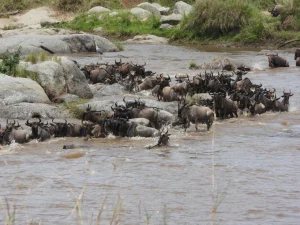
Best Time to Visit Serengeti National Park: A Complete Travel Guide


Best Time to Visit Serengeti National Park: A Complete Travel Guide. The Serengeti National Park is one of Africa’s most famous safari destinations, attracting travellers from around the world with its endless golden plains, incredible wildlife, and the spectacular Great Wildebeest Migration. Whether you dream of watching thousands of wildebeest cross a river, photographing lions in the wild, or enjoying a peaceful safari surrounded by beautiful landscapes, Serengeti offers unforgettable experiences throughout the year.
The best time to visit the Serengeti depends on what you want to experience. Generally, June to October is excellent for wildlife viewing during the dry season, while January and February are ideal for witnessing the wildebeest calving season in the southern Serengeti. Wildlife viewing is possible throughout the year, but each season offers something different.
This detailed guide explains the best months to visit, seasonal weather conditions, wildlife highlights, the Great Migration, and how to choose the right time for your Serengeti safari.
1. What Is the Best Month to Visit the Serengeti? – Best Time to Visit Serengeti National Park

For many travellers, June to October is the best overall period to visit the Serengeti, particularly for general wildlife viewing and the opportunity to witness the Great Migration. During these months, rainfall is limited, vegetation becomes thinner, and animals are often easier to spot around rivers and water sources.
However, if your main goal is to see newborn wildebeest and the predators that follow the herds, January and February are excellent months to consider.
TANAPA
Here is a quick guide to help you choose the best time for your safari.
| Travel period | Best experience |
|---|---|
| January–February | Wildebeest calving and predator activity |
| March | Green landscapes and late calving opportunities |
| April–May | Quieter safaris and lush scenery |
| June–July | Migration in the western and central areas |
| August–September | Northern Serengeti and possible Mara River crossings |
| October | Dry-season wildlife viewing and changing migration patterns |
| November–December | Green scenery, birdwatching, and herds moving south |
The Great Migration follows rainfall and fresh grazing, so these periods are guides rather than guaranteed dates for particular wildlife encounters.
Visit Tanzania+1
2. Visiting the Serengeti During the Dry Season: June to October – Best Time to Visit Serengeti National Park


The dry season is one of the most popular times to visit the Serengeti. With less rainfall, relatively dry roads, and thinner vegetation, travellers generally enjoy excellent wildlife-viewing opportunities.
This season is particularly attractive to first-time safari visitors, wildlife photographers, and anyone hoping to see large herds of animals across the plains.
Why visit during the dry season?
-
Excellent wildlife viewing: Animals are often easier to spot in open grasslands and around remaining water sources.
-
Pleasant safari conditions: Many days are sunny, making early-morning and afternoon game drives enjoyable.
-
Great Migration opportunities: Depending on the month, you may see the herds moving through the western or northern Serengeti.
-
Photography opportunities: Clear skies, golden grasslands, and dramatic wildlife encounters create beautiful photographic scenes.
The main disadvantage is that this is a busy travel period. Popular lodges and camps can fill quickly, and safari prices may be higher than during quieter months. Booking early is advisable, especially for July to September.
Land of the Kilimajaro+2
June and July: Migration in the Western Serengeti – Best Time to Visit Serengeti National Park

June and July are exciting months for travellers hoping to follow the Great Wildebeest Migration. During this period, herds often move through the western corridor of the Serengeti, where the Grumeti River can present a major obstacle.
Wildebeest and zebras travel in search of fresh grazing, while predators such as lions, hyenas, and crocodiles take advantage of opportunities to hunt.
June can be an excellent choice for travellers who want to experience the migration while avoiding some of the peak crowds found farther north later in the season.
July is also a popular safari month because the herds may begin moving into the northern Serengeti. However, the timing varies each year, and river crossings are never guaranteed.
August and September: The Northern Serengeti

August and September are among the most sought-after months for a Serengeti safari, particularly for visitors hoping to witness the famous Mara River crossings.
Thousands of wildebeest may gather near the river before attempting to cross. The animals face strong currents and potential crocodile attacks as they make their way toward new grazing grounds.
Witnessing a crossing can be an extraordinary experience, but visitors should understand that the herds do not cross according to a fixed timetable. They may remain near the river for hours or days before making a move.
For the best chance of seeing this spectacle, consider staying in the northern Serengeti for several nights rather than relying on a short visit.
October: The End of the Dry Season – Best Time to Visit Serengeti National Park
October remains a rewarding month for wildlife viewing. The landscape may still be relatively dry, and resident animals such as elephants, giraffes, zebras, buffaloes, and big cats remain excellent reasons to visit.
Depending on rainfall, the migration herds may begin moving southward as fresh grass becomes available elsewhere in the ecosystem. Some northern river crossings may still occur, but their timing and frequency are unpredictable.
October is a good option for travellers seeking strong wildlife-viewing opportunities with a little flexibility in their safari plans.
3. Visiting the Serengeti During the Calving Season: January and February


January and February are among the best months to visit the southern Serengeti and the neighbouring Ndutu area if you want to witness the wildebeest calving season.
During this period, large numbers of wildebeest give birth on the nutrient-rich plains. The abundance of newborn animals attracts predators, creating excellent opportunities for wildlife photography and observing natural behaviour.
What makes calving season special? – Best Time to Visit Serengeti National Park
-
Newborn wildlife: You may see wildebeest calves taking their first steps just hours after birth.
-
Predator activity: Lions, cheetahs, hyenas, and other predators patrol the plains in search of food.
-
Beautiful scenery: Seasonal rains often produce fresh grass and attractive green landscapes.
-
Photography opportunities: The combination of young animals, predators, and open plains creates compelling wildlife scenes.
The southern plains around Ndutu are particularly important during this period. When planning your safari, choose accommodation close to the areas where the herds are expected to gather.
January and February are especially suitable for families with older children, wildlife enthusiasts, and photographers interested in animal behaviour. The weather can include occasional showers, so it is wise to prepare for changing conditions.
4. Visiting the Serengeti During the Green Season: November to May

The green season transforms the Serengeti into a landscape of fresh grass, colorful wildflowers, dramatic skies, and renewed wildlife activity.
Although some travellers prefer the dry season, the wetter months offer rewarding safari experiences. The park remains home to resident wildlife throughout the year, and the migration continues as herds move in response to changing food and water availability.
November and December: Short Rains and Green Landscapes – Best Time to Visit Serengeti National Park
The short rains usually begin around November, although their timing and intensity vary. The plains become greener, migratory birds arrive, and the wildebeest herds generally move toward the southern grazing grounds.
These months are appealing to travellers who prefer scenic landscapes and may want to avoid the busiest part of the safari calendar.
December can also be a good time for a festive-season safari, but accommodation around Christmas and New Year may be expensive and should be booked early.
March: Changing Weather and Excellent Scenery
March is a transitional month, with rainfall often increasing as the longer rainy period approaches.
Wildlife viewing can still be rewarding, particularly in the central and southern Serengeti. The landscape is attractive for photography, and the calving season may continue into early March in some areas.
Visitors should be prepared for occasional rain and potentially muddy tracks.
April and May: The Long Rains – Best Time to Visit Serengeti National Park

April and May are generally among the wettest months in the Serengeti. Heavy rainfall can make some roads difficult to navigate, and certain camps may close temporarily for seasonal maintenance.
However, these months also have advantages:
-
Fewer visitors in many areas.
-
Lush vegetation and dramatic photographic scenery.
-
Potentially lower accommodation rates at some properties.
-
Excellent opportunities to observe resident wildlife and seasonal birdlife.
April and May can suit flexible travelers who value quieter surroundings and do not mind occasional changes to their plans. Always check road conditions and lodge availability before travelling.
5. Best Time to Visit the Serengeti for the Great Migration – Best Time to Visit Serengeti National Park

The Great Wildebeest Migration is one of the world’s most remarkable wildlife spectacles. Around 1.5 million wildebeest, accompanied by large numbers of zebras and other grazing animals, move through the wider Serengeti ecosystem in search of fresh grass and water.
The migration takes place throughout the year, but different regions of the Serengeti offer different experiences.

December to March: Southern Serengeti
The herds gather across the southern plains, particularly around Ndutu, for calving and access to nutrient-rich grass. January and February are especially popular for seeing newborn wildebeest and predator activity.

May to July: Western Corridor
Herds often move northwest through the central and western Serengeti. The Grumeti River can provide opportunities to witness river crossings, although exact timing varies.

July to October: Northern Serengeti
This is a prime period for travellers hoping to witness the famous Mara River crossings. Large herds may gather along the river, but crossings can occur unpredictably and are never guaranteed.

October to December: Return Toward the South
As seasonal rains develop, many herds begin moving back toward the southern plains. The timing depends on local rainfall and grazing conditions.
The most important planning tip is to choose your safari region based on your travel dates. A good tour operator can help you select accommodation and game-drive routes that maximise your chances of encountering the migration.
6. Best Time to Visit the Serengeti for Wildlife Photography – Best Time to Visit Serengeti National Park


The Serengeti is an exceptional destination for wildlife photography because of its diverse animals, expansive landscapes, and changing light throughout the year.
The best season depends on the type of photographs you want to capture.
-
January and February: Excellent for photographing newborn wildebeest, predators, and green landscapes.
-
June to October: Ideal for capturing wildlife against golden grasslands and watching animals gather around water sources.
-
July to September: A popular period for photographing large herds and potential river crossings.
-
November and December: Attractive for green landscapes, migratory birds, and dramatic skies.
Early mornings and late afternoons are usually the best times for photography because the light is softer and many animals are active. A private safari vehicle can provide greater flexibility when positioning yourself for photographs.
7. Best Time to Visit the Serengeti on a Budget
If you are looking for an affordable Serengeti safari, consider travelling during the shoulder or green season rather than the busiest migration months.
April and May often offer opportunities to find lower accommodation rates, while November may provide a balance between attractive scenery, wildlife viewing, and fewer visitors in some areas. Prices vary by lodge, camp, and itinerary, so savings are not guaranteed.
Here are some practical ways to manage your safari budget:
-
Travel outside peak season: Compare accommodation rates for different months.
-
Book in advance: This is particularly important if you want a specific camp during the migration.
-
Choose a longer itinerary carefully: Compare the total cost of a multi-day package with shorter trips, including park fees and transfers.
-
Consider a shared safari: Joining a group can reduce the cost per traveller.
-
Compare accommodation levels: Public campsites, budget lodges, tented camps, and luxury lodges offer different experiences and prices.
If your priority is value, April, May, or November may be worth considering. However, always check seasonal road conditions and whether your preferred accommodation is open.
8. Month-by-Month Guide to Visiting the Serengeti – Best Time to Visit Serengeti National Park
The following table summarises the main seasonal highlights to help you choose your travel dates.
| Month | Safari experience | Overall suitability |
|---|---|---|
| January | Calving season and green scenery | Excellent |
| February | Newborn wildlife and predator activity | Excellent |
| March | Late calving, scenic plains, possible rain | Good |
| April | Lush landscapes, fewer visitors, heavy rain possible | Good for flexible travellers |
| May | Green scenery and migrating herds moving northwest | Good for quieter trips |
| June | Drying conditions and western migration | Excellent |
| July | Dry-season wildlife and possible river crossings | Excellent |
| August | Northern migration and possible Mara River crossings | Excellent |
| September | Northern migration and dry-season game drives | Excellent |
| October | Wildlife viewing and changing migration patterns | Excellent |
| November | Green landscapes and herds moving south | Good |
| December | Seasonal wildlife and festive safaris | Very good |
These ratings are general planning guidance rather than guarantees. Actual wildlife sightings depend on rainfall, animal movements, and the locations visited during your trip.
SafariBookings.com+1
9. How Long Should You Spend in the Serengeti?

The length of your safari can make a significant difference to your experience. Because the Serengeti is vast, spending several nights in the park gives you more opportunities to explore different habitats and observe wildlife without rushing.
-
2–3 days: Suitable for travellers with limited time who want to explore one main region.
-
4–5 days: A good choice for general wildlife viewing, with time for several game drives.
-
6–7 days: Ideal for a more comprehensive safari, potentially including different Serengeti regions.
-
8 days or more: Suitable for travellers who want to follow the migration, enjoy photography, and combine the Serengeti with destinations such as Ngorongoro Crater or Tarangire National Park.
If your primary goal is to witness the Great Migration, consider spending at least three nights in the region where the herds are expected to be. More time improves your opportunities but cannot guarantee a specific sighting.
10. What Should You Pack for a Serengeti Safari? – Best Time to Visit Serengeti National Park
Regardless of when you visit, packing the right items will make your trip more comfortable.
-
Lightweight, neutral-coloured clothing.
-
A warm jacket for chilly early-morning game drives.
-
Comfortable walking shoes.
-
A wide-brimmed hat and sunglasses.
-
Sunscreen and insect repellent.
-
Binoculars for viewing distant animals.
-
A camera with a suitable zoom lens.
-
A rain jacket, particularly during the wetter months.
-
Personal medication and any necessary travel documents.
During the dry season, dust protection for your camera and other equipment is useful. In the rainy season, waterproof bags and clothing can help protect your belongings.
11. Tips for Planning the Best Serengeti Safari
To make the most of your visit, consider the following recommendations.
Choose the right region. The southern Serengeti is particularly attractive during calving season, while the northern region is popular during the main river-crossing period.
Book accommodation early. Camps in popular migration areas can become fully booked well in advance, especially during July, August, and September.
Allow time for wildlife viewing. Animals move freely through the park, so patience and flexible game-drive schedules are important.
Work with a knowledgeable safari operator. An experienced guide can help identify wildlife, explain animal behaviour, and adjust routes according to current conditions.
Combine destinations where possible. A trip to the Serengeti can be combined with Ngorongoro Crater, Tarangire National Park, or Lake Manyara National Park for a more varied northern Tanzania safari.
Keep realistic expectations. The Serengeti is a wild ecosystem. Even during the best months, particular sightings and migration events cannot be guaranteed.
Conclusion: When Should You Visit the Serengeti? – Best Time to Visit Serengeti National Park

The best time to visit the Serengeti depends on your interests, budget, and preferred safari experience.
For excellent general wildlife viewing and a chance to witness the Great Migration, June to October is one of the best periods to visit. For newborn wildebeest, predator activity, and green landscapes, January and February are outstanding choices. Meanwhile, November to May can appeal to travellers who enjoy birdwatching, scenic photography, and quieter safari experiences.
There is no single perfect month for every visitor. The key is to match your travel dates with the wildlife experience you most want to enjoy.
With careful planning, experienced guides, and enough time to explore, a Serengeti safari can become one of the most memorable experiences of your African adventure.
For official park information, visit the Tanzania National Parks Authority (TANAPA) website: Serengeti National Park — official information.