
Katavi National Park: Tanzania’s Untamed Wilderness. Katavi National Park is one of Tanzania’s most remote, wild, and spectacular safari destinations. Located in the southwestern part of the country, this remarkable national park offers an authentic African wilderness experience far from the busy safari routes followed by most visitors. It is an ideal destination for travelers who want to explore untouched landscapes, encounter large concentrations of wildlife, and enjoy the beauty of nature in a peaceful and uncrowded environment.
Unlike more famous Tanzanian parks, such as Serengeti National Park and Ngorongoro Crater, Katavi remains relatively undiscovered by international tourists. Its remote location, seasonal landscapes, and impressive wildlife populations make it especially appealing to adventurous travelers, photographers, experienced safari enthusiasts, and nature lovers.
One of Katavi’s most fascinating features is the dramatic seasonal transformation of its landscape. During the rainy season, the park becomes a lush wilderness of floodplains, woodlands, and wetlands. As the dry season progresses, water becomes scarce, and wildlife gathers around the remaining rivers, pools, and marshes. This seasonal change creates remarkable opportunities to observe animals interacting in their natural habitat.
From large herds of buffalo and elephants to hippos crowded into shrinking pools, Katavi offers a raw and unforgettable safari experience. For anyone seeking a quieter, more exclusive side of Tanzania, this national park deserves a place on the safari itinerary.
Katavi National Park is situated in southwestern Tanzania, in the Rukwa Region. It lies within the western part of the country, away from the more frequently visited northern safari circuit.
The park covers approximately 4,471 square kilometers, making it one of Tanzania’s largest national parks. Its considerable size includes open grasslands, seasonal floodplains, woodland areas, river systems, and wetlands that support a rich variety of wildlife.
Katavi’s remote position contributes significantly to its appeal. Reaching the park usually requires a domestic flight or a lengthy overland journey from other destinations in Tanzania. However, this distance helps preserve the park’s quiet atmosphere and makes the experience feel like a genuine expedition into the African wilderness.
The park is particularly attractive to travelers who have already visited Tanzania’s popular safari destinations and want to discover something different. It also suits those planning a specialized wildlife safari focused on animal behavior, photography, and immersive experiences in nature.
Katavi stands out because of its exceptional wilderness character, dramatic seasonal changes, and relatively low visitor numbers.
One of Katavi’s greatest attractions is its sense of isolation. Unlike busier safari parks, where several vehicles may gather around a wildlife sighting, Katavi often provides opportunities to observe animals in a quieter setting.
This peaceful environment allows visitors to appreciate the natural sounds of the bush, the movement of animals across the plains, and the changing colors of the African landscape.
For travelers who value privacy and exclusivity, Katavi can be an excellent destination for a remote safari experience.
Katavi is particularly famous for its large herds of buffalo and its seasonal concentrations of hippos. During the dry season, wildlife gathers around permanent or longer-lasting water sources, creating excellent opportunities for observation.
Elephants, zebras, giraffes, antelopes, crocodiles, and numerous bird species also contribute to the park’s rich biodiversity.
The number and distribution of animals vary throughout the year, but the combination of open habitats and seasonal water shortages can make wildlife encounters especially dramatic.
Katavi’s scenery changes significantly across the seasons. Visitors may encounter expansive grasslands, golden floodplains, scattered acacia trees, miombo woodlands, and wetlands filled with birdlife.
The Katuma River and associated floodplain systems are particularly important to the park’s ecology. During wetter months, water spreads across the plains, supporting vegetation and attracting wildlife. As the landscape dries, the remaining pools become increasingly important for animals.
These contrasting environments give Katavi a distinctive character and make it an excellent destination for landscape photography.
Katavi is not primarily a destination for busy tourist circuits or large-scale sightseeing. Instead, its appeal lies in the opportunity to experience a more remote and natural side of Africa.
Days may be spent tracking wildlife across open plains, watching elephants move through woodland, observing hippos in a shrinking pool, or enjoying the stillness of the bush at sunset.
This is the kind of destination where patience is rewarded, and even the quieter moments can become memorable parts of a safari.
Katavi supports a remarkable variety of mammals, reptiles, and birds. Its seasonal wetlands and grasslands provide important habitats for animals throughout the year.
Elephants are among the most impressive animals to encounter in Katavi. They move through woodlands, open grasslands, and areas near seasonal water sources in search of food and water.
Visitors may see individual bulls, family groups, or larger gatherings, depending on the season and location. Watching elephants interact, feed, and move across the landscape provides a memorable wildlife experience.
Katavi is particularly well known for its large herds of Cape buffalo. During favorable periods, substantial numbers can gather across the floodplains and surrounding grasslands.
Buffalo are highly social animals, and observing a herd moving together across an open plain is one of the park’s signature safari experiences.
Their presence also attracts predators, including lions, making buffalo herds an important part of the park’s wider wildlife interactions.
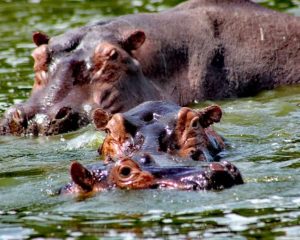
Hippos are among Katavi’s most famous attractions, especially during the dry season. As water levels decline, many hippos concentrate in the remaining pools and river channels.
These gatherings can create remarkable viewing opportunities, with animals resting, communicating, and competing for space in the water.
Hippos are powerful wild animals and can be dangerous. Visitors should observe them from a safe distance and always follow their guide’s instructions.
Lions inhabit Katavi’s grasslands and woodland habitats, where they hunt prey such as buffalo and other grazing animals.
The park’s relatively undisturbed environment provides opportunities to observe natural predator-prey relationships. However, sightings are never guaranteed, and success depends on animal movements, weather conditions, and the experience of the safari guide.
Leopards are elusive predators that inhabit areas of woodland and riverine vegetation. Their ability to camouflage themselves makes them more difficult to spot than some other mammals.
A leopard may be seen resting in a tree, moving through thick vegetation, or hunting along a natural game trail. Patient wildlife watching and an experienced guide improve the chances of a sighting.
Spotted hyenas are an important part of Katavi’s ecosystem. They are skilled hunters and scavengers that help maintain the balance of wildlife populations.
They may be seen traveling across open ground, investigating carcasses, or moving through the bush at dawn and dusk.
Katavi’s open plains and woodland edges support a range of grazing and browsing animals.
Zebras may be seen feeding across the grasslands, while giraffes browse on leaves from trees and shrubs. Antelope species found in the park include impalas, topis, and other locally occurring species.
These herbivores are essential to the ecosystem because they provide food for predators and help shape vegetation through grazing and browsing.
Nile crocodiles inhabit suitable rivers and pools within the park. They are often associated with water sources used by hippos and other wildlife.
Although crocodiles may appear motionless for long periods, they are powerful predators. Observations should always be made from a safe distance.
Katavi is an attractive destination for birdwatchers because its wetlands, floodplains, woodlands, and grasslands support a diverse bird community.
Depending on the season, visitors may encounter African fish eagles, saddle-billed storks, herons, egrets, kingfishers, vultures, bee-eaters, and many other species.
Wetland areas are particularly rewarding for observing waterbirds, while open grasslands and woodland habitats provide opportunities to see raptors, ground-dwelling birds, and colorful smaller species.
Migratory birds can add further variety during particular periods of the year. Birdwatching conditions depend on water levels, weather, and seasonal movements.
Travelers with an interest in ornithology should consider bringing binoculars, a bird identification guide, and a camera with a suitable zoom lens.
The best time to visit Katavi depends on what you want to experience. The dry season is generally favored for concentrated wildlife viewing, while the wetter months offer greener scenery, seasonal birdlife, and a different atmosphere.
The dry season is generally considered the best period for a classic wildlife safari in Katavi.
As water sources shrink, animals increasingly gather around the remaining pools, rivers, and wetlands. This can make it easier to observe hippos, buffalo, elephants, and predators.
Vegetation also becomes less dense in many areas, improving visibility across the plains. The weather is often drier, and road conditions are generally more favorable than during the wettest months.
August, September, and October can be particularly rewarding for wildlife viewing, although conditions vary from year to year.
During the wet season, the park becomes greener, and rainfall transforms the floodplains and woodlands.
This period can be attractive for travelers interested in landscapes, birdwatching, and the seasonal renewal of the ecosystem. Migratory birds may also increase the variety of species present.
However, some roads may become difficult to navigate, and certain camps or safari operations may close seasonally. Heavy rainfall can affect access and travel times.
Visitors planning a wet-season safari should confirm the operating dates of accommodation providers and discuss road conditions with their tour operator before traveling.
Choose the dry season if your priority is concentrated wildlife viewing and easier movement through the park.
Choose the wet season if you prefer lush landscapes, seasonal birdlife, and a greener wilderness, and you are comfortable with potentially more challenging travel conditions.
For most first-time visitors whose main goal is seeing large concentrations of mammals, the dry season is the strongest starting point.
Katavi offers several safari activities that allow visitors to appreciate its wildlife, landscapes, and remote atmosphere.
Game drives are the main activity in Katavi. They provide opportunities to explore different habitats and search for elephants, buffalo, lions, giraffes, zebras, antelopes, and other animals.
Early-morning drives are useful for observing wildlife when temperatures are cooler and some animals are more active. Afternoon drives offer another opportunity to explore the plains and woodland areas, while the changing light can be excellent for photography.
The duration and timing of game drives depend on the camp, park regulations, and the safari itinerary.
Observing hippos is one of Katavi’s most memorable wildlife experiences, particularly when dry-season conditions bring large numbers together in limited water sources.
Visitors may witness social interactions, vocalizations, territorial behavior, and the movement of animals in and out of the water.
Because hippos are potentially dangerous, visitors should never approach them on foot or leave a safari vehicle without permission from their guide.
Katavi’s open floodplains, golden grasses, dramatic skies, and large animal herds create excellent photographic opportunities.
Photographers may capture elephants against the sunset, buffalo moving across the plains, birds near wetlands, or hippos gathered in water pools.
A camera with a telephoto lens is useful for photographing animals from a safe distance. Binoculars, spare batteries, memory cards, and protection against dust or rain can also improve the experience.
Birdwatching can be enjoyed throughout the park, especially around wetlands, river channels, and areas where water attracts birds.
Visitors can combine birdwatching with regular game drives or arrange a more specialized outing with a knowledgeable guide.
Katavi’s remoteness is part of its appeal. The absence of heavy tourist traffic in many areas allows visitors to appreciate the sounds of birds, the changing light, and the rhythms of the African bush.
Depending on the accommodation and available arrangements, travelers may enjoy meals overlooking the wilderness, time at camp between game drives, and opportunities to observe wildlife from designated viewing areas.
The experience is often as much about the atmosphere as it is about the animals themselves.
Because Katavi is located in a remote part of southwestern Tanzania, reaching the park requires more planning than visiting destinations on the northern safari circuit.
Flying is usually the most practical option for visitors with limited time. Safari flights may connect Katavi with other Tanzanian destinations, depending on the season, airline schedule, and operating arrangements.
Flights may be available from locations such as Dar es Salaam or other safari hubs, but routes and frequencies can change. Travelers should confirm the current schedule before booking their international flights and accommodation.
Some safari packages include air transfers between parks, reducing the time spent traveling overland.
Katavi can also be reached by road, but journeys from major Tanzanian cities or other safari regions can be long and tiring.
Road travel may be suitable for travelers who have sufficient time, are planning a broader western Tanzania itinerary, or prefer an overland adventure.
Journey times depend on the starting point, road conditions, weather, and the vehicle used. During the rainy season, some routes may become challenging.
Katavi can be included in a wider western or southern Tanzania safari, depending on flight connections and available travel time.
Possible combinations include Mahale Mountains National Park, known for chimpanzee trekking, and other western Tanzania destinations such as Gombe Stream National Park.
These parks offer different experiences, from savanna wildlife viewing to forest exploration and primate encounters. However, combining them requires careful planning because distances are substantial and transport options can be limited.
Accommodation in Katavi is generally more limited than in Tanzania’s best-known safari destinations. Options tend to focus on intimate safari camps and lodges designed to provide access to the park’s wilderness.
Luxury camps are suitable for travelers seeking personalized service, comfortable rooms or tents, quality meals, and guided wildlife experiences.
Depending on the property, facilities may include en-suite bathrooms, private verandas, dining areas, and views of the surrounding landscape.
Because Katavi is remote and seasonal, availability can be limited. Booking well in advance is advisable, particularly for travel during the peak dry season.
Some safari operators offer comfortable tented camps or lodge arrangements that balance service and comfort with a wilderness atmosphere.
The exact facilities, meal plans, transport arrangements, and included activities vary by property. Travelers should confirm what is included before making a reservation.
Camping may be possible through approved arrangements, depending on current park rules and the facilities available.
Visitors should confirm campsite availability, access requirements, equipment arrangements, and whether a guide or organized safari vehicle is required.
Because Katavi is remote, travelers should not assume that facilities, shops, fuel, or emergency services are readily available within or near the park.
A stay of three to four days is a good starting point for visitors who want to explore Katavi without rushing.
A two-day visit can provide a brief introduction to the park, with time for several game drives and opportunities to see its principal wildlife habitats.
However, travel logistics can make such a short stay less efficient, especially if flights are limited.
Three to four days allow more time to explore different parts of the park, search for predators, observe hippos and buffalo, and enjoy the wilderness at a relaxed pace.
This duration is suitable for many travelers who want a rewarding wildlife experience without an extended stay.
A longer visit is ideal for serious wildlife photographers, birdwatchers, and travelers who want to immerse themselves in the environment.
Additional days provide greater flexibility when wildlife is dispersed or weather conditions affect game drives.
No safari itinerary can guarantee specific sightings, but spending more time in the park gives visitors more opportunities to experience its changing landscapes and wildlife.
Arrive at the designated airstrip or transfer point and continue to your safari camp.
After settling in and enjoying lunch, head out for an afternoon game drive. Explore nearby grasslands and woodland areas while searching for elephants, buffalo, giraffes, zebras, and other wildlife.
Return to camp in the evening for dinner and a relaxing night surrounded by the sounds of the wilderness.
Begin the day with an early-morning game drive, when cooler temperatures may encourage wildlife activity.
Explore the Katuma River area and nearby floodplains, depending on current conditions and access. Look for buffalo herds, elephants, hippos, crocodiles, and predators that may be following grazing animals.
After lunch and some time to relax, continue with an afternoon game drive. Your guide can adjust the route according to recent sightings, animal movements, and the interests of your group.
Return to camp for dinner and an overnight stay.
Enjoy a final morning game drive, making the most of the early light and cooler conditions.
Depending on your departure schedule, you may have time to explore another habitat or look for species missed earlier in the trip.
Return to camp, prepare for departure, and continue to your next destination or connecting flight.
This itinerary is a general example. Actual arrangements depend on flight schedules, camp location, park access, and the length of your stay.
Packing appropriately helps make a remote safari more comfortable.
Recommended items include:
Soft-sided luggage is often preferable on small safari aircraft because of baggage restrictions. Always check the airline’s weight and luggage requirements before traveling.
Katavi can be an excellent destination for families who enjoy wildlife and have an interest in nature. However, its remote location and limited infrastructure mean that family safaris require careful planning.
Parents should consider the ages of their children, the duration of road transfers or flights, camp policies, and the availability of family accommodation.
Some camps may have minimum-age requirements or restrictions on activities. Walking activities, where available, may have additional safety rules.
Families traveling with young children should discuss their needs with a safari specialist before booking to ensure the itinerary is appropriate.
Yes, Katavi is particularly worthwhile for travelers seeking a remote, wildlife-rich safari away from crowded tourist areas.
Its greatest strengths include large buffalo herds, seasonal hippo concentrations, impressive landscapes, and the chance to explore a relatively isolated national park.
Katavi may be less suitable for visitors who have only a short amount of time, want a wide choice of accommodation, or prefer destinations with frequent flights and extensive tourism infrastructure.
For travelers who value wilderness, privacy, and natural wildlife encounters, however, Katavi can be one of the most rewarding safari destinations in Tanzania.
Katavi’s wildlife and landscapes depend on healthy ecosystems, effective conservation, and responsible tourism.
Visitors can contribute to conservation by following park regulations, respecting wildlife viewing distances, avoiding littering, and choosing safari operators that support responsible travel practices.
It is important never to feed wild animals, disturb nesting birds, or pressure guides to approach dangerous wildlife for photographs.
Travelers should also respect local communities and recognize the importance of sustainable livelihoods and conservation efforts in the wider region.
Responsible tourism helps protect the natural environment while supporting the people and organizations involved in preserving Tanzania’s wildlife heritage.
Before traveling, keep the following points in mind:
Katavi National Park is in southwestern Tanzania, in the Rukwa Region. It is a remote wilderness destination in the western part of the country.
Katavi is famous for its large buffalo herds, seasonal concentrations of hippos, elephants, relatively uncrowded safari experiences, and extensive floodplains.
August, September, and October can be excellent months for wildlife viewing because dry conditions often concentrate animals around remaining water sources. Actual conditions vary from year to year.
The cost depends on the season, accommodation category, number of days, flights, park fees, private vehicle arrangements, and the number of travelers. Because Katavi is remote, air transfers and accommodation can make it more expensive than some road-accessible safari destinations.
Request a customized quotation for an accurate estimate.
Yes, road access is possible, but journeys can be long, and conditions vary by season. Domestic flights are often the more convenient choice for travelers with limited time.
Yes. Lions inhabit the park, and the presence of buffalo and other prey supports predator activity. However, sightings are never guaranteed.
Katavi is generally much less visited than Tanzania’s most famous safari destinations. Its remote location helps preserve a quieter atmosphere, although visitor numbers vary by season and location.
Yes. Katavi can be combined with other western Tanzania destinations, including Mahale Mountains or Gombe Stream, depending on flight connections, time, and budget.
Yes, particularly for travelers who value wilderness and wildlife over extensive tourist infrastructure. First-time visitors should plan carefully and consider using an experienced safari operator to organize transport, accommodation, and activities.
Katavi National Park is a remarkable destination for anyone who wants to experience Tanzania beyond the familiar safari routes. Its vast floodplains, remarkable wildlife concentrations, remote landscapes, and peaceful atmosphere offer a different perspective on the African wilderness.
Whether you want to photograph elephants and buffalo, observe hippos in seasonal pools, search for lions, or simply enjoy the stillness of the bush, Katavi offers an opportunity to experience nature in a more intimate setting.
The park’s remoteness requires thoughtful planning, but for travelers who appreciate authentic wilderness and rewarding wildlife encounters, the journey can be well worth the effort.
If you are planning a Tanzania safari, consider adding Katavi National Park to your itinerary for an unforgettable adventure in one of the country’s most distinctive and less-visited wildlife destinations.
Plan your Katavi safari with Best Safari Holidays and discover the wildlife, landscapes, and untamed beauty of southwestern Tanzania with an itinerary tailored to your travel dates, interests, and budget.