Experience an Unforgettable Adventure to the Roof of Africa
Kilimanjaro Trekking Packages: Experience an Unforgettable Adventure to the Roof of Africa. Mount Kilimanjaro is one of Africa’s most remarkable natural attractions and a dream destination for adventure travellers from around the world. Rising to approximately 5,895 metres (19,341 feet) above sea level, it is the highest mountain in Africa and the tallest free-standing mountain in the world. Located in northern Tanzania, Kilimanjaro offers an extraordinary climbing experience filled with beautiful landscapes, challenging trails and breathtaking views.
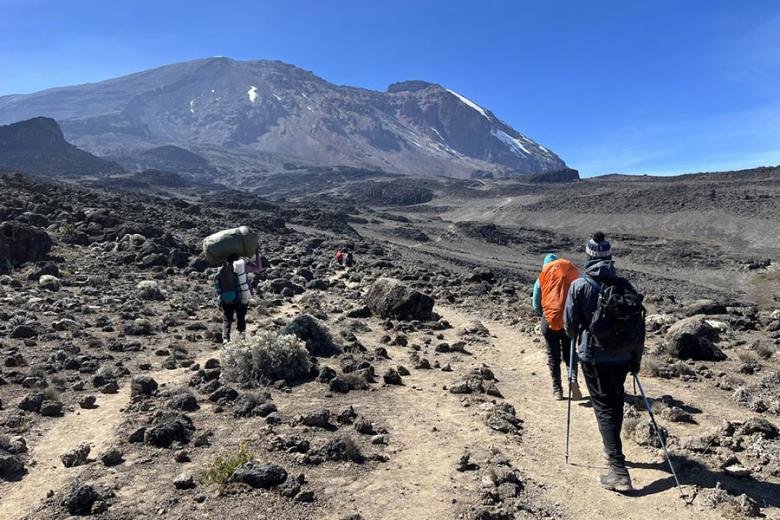
Kilimanjaro trekking packages provide travellers with an opportunity to explore this magnificent mountain while enjoying professional guidance, organised accommodation, meals and porter support. Whether you are an experienced hiker or a first-time climber with good physical fitness, there are several trekking options designed to suit different abilities, schedules and travel preferences.
From the lush tropical rainforest to the spectacular alpine desert and snow-covered summit, every stage of the climb offers a unique experience. Reaching Uhuru Peak, the highest point on Mount Kilimanjaro, is a remarkable achievement that creates lifelong memories.
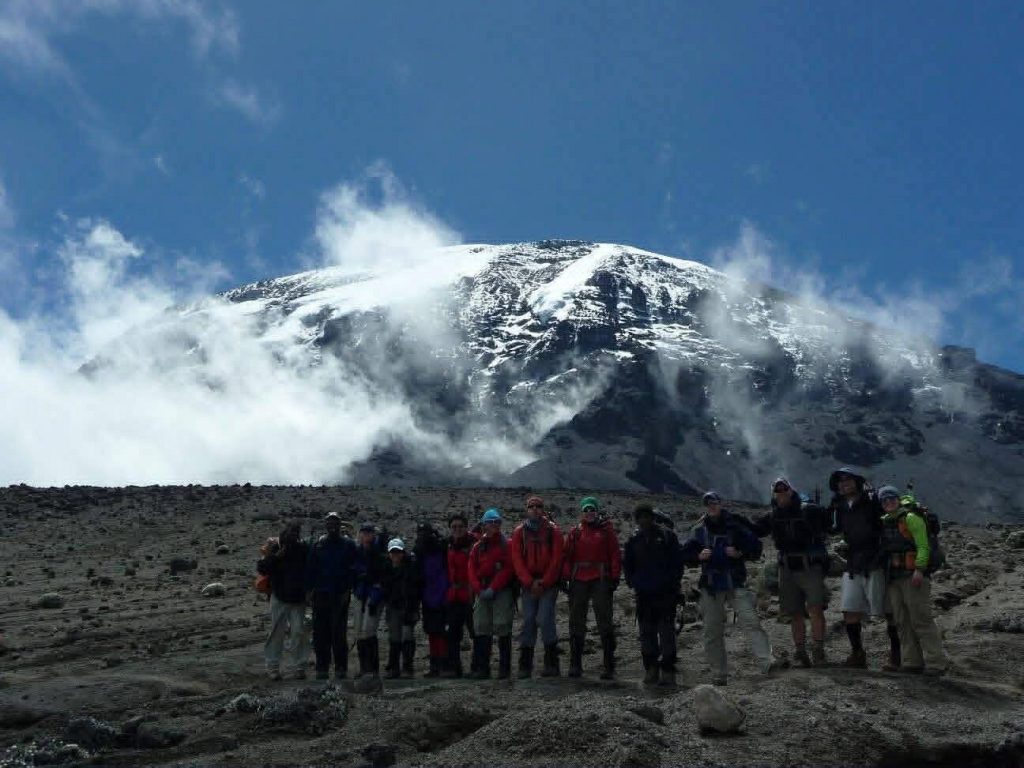
If you are planning an African adventure, choosing the right Kilimanjaro trekking package is the first step towards experiencing one of the most rewarding mountain climbing journeys in the world.
Why Choose Kilimanjaro Trekking Packages?
Climbing Mount Kilimanjaro requires proper preparation, experienced guides and reliable logistical support. Booking an organised trekking package makes the journey easier, safer and more enjoyable.
Most Kilimanjaro trekking packages are designed to provide everything needed during the climb, allowing travellers to concentrate on the adventure without worrying about organising every detail.
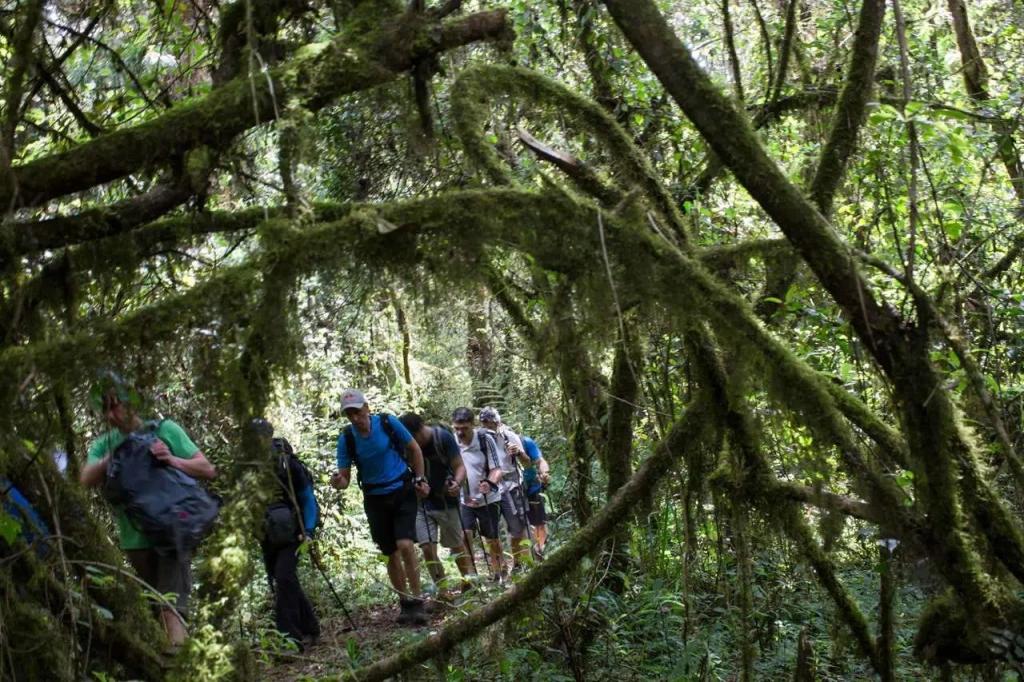
Some of the main benefits include:
-
Professional mountain guides: Experienced guides lead climbers along the designated trails, provide important safety information and offer support throughout the journey.
-
Well-planned itineraries: Trekking packages are designed to allow sufficient time for hiking, resting and adjusting to the changing altitude.
-
Accommodation arrangements: Depending on the route, climbers stay in mountain camps or designated mountain huts.
-
Meals and drinking water: Most packages include freshly prepared meals and drinking water throughout the trek.
-
Porter services: Porters assist with carrying camping equipment, food and other essential supplies.
- Safety support: Professional operators provide mountain safety procedures and monitor climbers for symptoms of altitude sickness.lavishsafarisuganda.com

Choosing a suitable package ensures that your Kilimanjaro adventure is well organised from the beginning to the end.
Popular Kilimanjaro Trekking Routes
Mount Kilimanjaro has several established trekking routes, each offering different scenery, challenges and acclimatisation opportunities. Selecting the right route is important because it influences the overall climbing experience and your chances of reaching the summit.
1. Machame Route
The Machame Route, commonly known as the Whiskey Route, is one of the most popular options for Kilimanjaro trekking packages. It is famous for its beautiful scenery, diverse landscapes and rewarding hiking experience.
The route approaches Mount Kilimanjaro from the southern side, beginning in a lush rainforest before continuing through moorland, rocky terrain and alpine desert.
During the climb, travellers enjoy spectacular mountain views, impressive volcanic landscapes and opportunities to explore different ecological zones.
One of the highlights is the famous Barranco Wall, a challenging but exciting section that provides beautiful views of the surrounding mountain landscape.
The Machame Route is generally completed in six or seven days. However, a longer itinerary is recommended to provide additional time for acclimatisation.
2. Marangu Route
The Marangu Route, also known as the Coca-Cola Route, is one of the traditional ways to climb Mount Kilimanjaro. It is particularly popular because it offers mountain hut accommodation rather than camping.

The route approaches the mountain from the southeastern side and passes through rainforest, moorland and alpine desert before reaching the summit.
Climbers enjoy beautiful natural scenery, impressive views of Mawenzi Peak and opportunities to experience the changing environments of Kilimanjaro.
The availability of mountain huts makes this route attractive to travellers who prefer sleeping indoors during their climbing adventure.
The Marangu Route is commonly completed in five or six days, although the six-day option provides more time for acclimatisation.
3. Lemosho Route
The Lemosho Route is considered one of the most scenic routes on Mount Kilimanjaro. It approaches the mountain from the western side and offers an excellent combination of beautiful landscapes, quieter trails and good acclimatisation opportunities.
The adventure begins in a beautiful rainforest before opening into the spectacular Shira Plateau. As climbers continue towards the summit, they pass through impressive volcanic landscapes, rocky trails and alpine desert environments.
One of the major advantages of the Lemosho Route is its longer itinerary, which allows climbers more time to adjust to the increasing altitude.
The route is generally completed in seven or eight days, making it an excellent choice for travellers looking for a scenic and gradual climbing experience.
4. Rongai Route
The Rongai Route approaches Mount Kilimanjaro from the northern side, close to the Kenyan border. It is an attractive option for travellers who prefer quieter trails and a less crowded climbing experience.
The route offers beautiful views of the mountain’s northern slopes and surrounding landscapes. It also passes through different vegetation zones, providing opportunities to appreciate the natural beauty of Kilimanjaro.
Compared with some southern routes, Rongai generally receives less rainfall, although weather conditions can change throughout the year.
The route is usually completed in six or seven days and is suitable for travellers seeking a peaceful mountain adventure.
5. Northern Circuit Route
The Northern Circuit is the longest established trekking route on Mount Kilimanjaro. It offers an exceptional opportunity to explore different sides of the mountain while enjoying excellent acclimatisation opportunities.
The route begins on the western slopes, crosses the Shira Plateau and gradually circles around the quieter northern side before approaching the summit.
Its longer duration allows climbers to ascend gradually, which can improve their ability to adjust to the altitude.
The Northern Circuit is usually completed in eight or nine days and is an excellent choice for travellers who have enough time to enjoy a more gradual and immersive climbing experience.
Popular Kilimanjaro Trekking Packages
Kilimanjaro trekking packages are available in different durations, allowing travellers to select an itinerary that matches their available time, fitness level and adventure preferences.
Popular trekking options include:
| Trekking route | Recommended duration |
|---|---|
| Marangu Route | 5–6 days |
| Machame Route | 6–7 days |
| Lemosho Route | 7–8 days |
| Rongai Route | 6–7 days |
| Northern Circuit Route | 8–9 days |
| Umbwe Route | 6–7 days |
Longer itineraries are generally preferable because they provide more opportunities for acclimatisation. The best package should balance your available time, climbing experience and safety requirements.
What to Expect During a Kilimanjaro Trekking Adventure
Climbing Mount Kilimanjaro is a remarkable journey through several ecological zones, each offering different landscapes, vegetation and weather conditions.
Rainforest Zone
The adventure begins in a tropical rainforest characterised by tall trees, thick vegetation, beautiful flowers and diverse birdlife. The environment is generally humid, and the hiking trails may be muddy, particularly during the rainy season.
Moorland Zone
As you climb higher, the rainforest gradually disappears and gives way to open moorland. This region features unique mountain vegetation, including giant groundsels and lobelias. The landscape also provides beautiful views of the surrounding mountain slopes.
Alpine Desert Zone
The alpine desert is characterised by rocky terrain, volcanic formations, limited vegetation and dramatic temperature changes. At this altitude, the environment becomes increasingly dry and challenging.
Arctic Summit Zone
The final section of the climb leads towards the summit, where temperatures can fall significantly below freezing. Most summit attempts begin around midnight, allowing climbers to reach Uhuru Peak around sunrise, depending on weather conditions and individual climbing pace.
Reaching the summit is the highlight of the entire adventure. Standing at the highest point in Africa is an unforgettable achievement and a rewarding experience for every successful climber.
Best Time to Book Kilimanjaro Trekking Packages
Mount Kilimanjaro can be climbed throughout the year, but some months generally offer more favourable weather conditions.
The two main climbing seasons are January to March and June to October.
January to March: This period generally offers good climbing conditions, with colder temperatures and opportunities to enjoy relatively quieter trails. Snowfall is possible at higher elevations.
June to October: These months are among the most popular for Kilimanjaro trekking. The weather is generally drier, visibility is often excellent and conditions are favourable for hiking.
The rainy seasons usually occur between March and May and around November. During these periods, trails may become muddy and visibility can be reduced.
Travellers should consider their preferred climbing conditions, available dates and route choices when booking their trekking packages.
Accommodation During Kilimanjaro Trekking
Accommodation is an important part of every Kilimanjaro trekking package. The type of accommodation depends mainly on the route selected.
Most routes use organised mountain camping arrangements. Climbers sleep in specially designed tents at designated campsites, while the trekking team provides meals and manages the camping equipment.
The Marangu Route is different because it offers mountain hut accommodation with shared sleeping facilities.
Before booking, travellers should confirm whether their package includes:
-
Mountain tents or hut accommodation.
-
Sleeping mattresses.
-
Dining tents and seating arrangements.
-
Sleeping bags, if provided.
-
Toilet and washing facilities.
-
Hotel accommodation before and after climbing.
Many trekking packages also include hotel accommodation in Moshi or Arusha before and after the mountain adventure.


bestsafariholidays.com
What Is Included in Kilimanjaro Trekking Packages?
Most organised Kilimanjaro trekking packages include essential services required for a comfortable and well-managed climbing experience.
Typical inclusions are:
-
Kilimanjaro National Park entry fees.
-
Professional English-speaking mountain guides.
-
Porters and mountain support staff.
-
Experienced mountain cooks.
-
Freshly prepared meals during the climb.
-
Drinking water throughout the trek.
-
Camping equipment or mountain hut accommodation.
-
Emergency and rescue arrangements.
-
Transfers to and from the mountain gate.
-
Hotel accommodation before and after the climb, depending on the package.
Some packages may also include airport transfers, climbing certificates and additional services.
What Is Excluded from Kilimanjaro Trekking Packages?
Although package inclusions vary between tour operators, certain expenses are commonly excluded.
These may include:
-
International flights.
-
Tanzania visa fees.
-
Travel insurance.
-
Personal climbing equipment and clothing.
-
Tips for guides, porters and cooks.
-
Personal expenses and additional drinks.
-
Optional hotel upgrades.
-
Additional accommodation outside the itinerary.
Travellers should carefully review the package details before booking to understand exactly what is covered.
How Much Do Kilimanjaro Trekking Packages Cost?
The cost of Kilimanjaro trekking packages depends on several factors, including the selected route, climbing duration, group size, accommodation arrangements and quality of services.
Longer routes generally cost more because they require additional park fees, meals, camping arrangements and mountain support staff.
Private trekking packages may also be more expensive than group departures because the overall costs are shared among fewer climbers.
When comparing prices, it is important to consider the quality of services rather than choosing a package based only on its advertised cost.
Look for a reliable operator that provides experienced guides, proper safety arrangements, quality meals, suitable equipment and fair working conditions for porters.
A well-organised package offers better value and contributes to a more enjoyable climbing experience.
Essential Items to Pack for Kilimanjaro Trekking
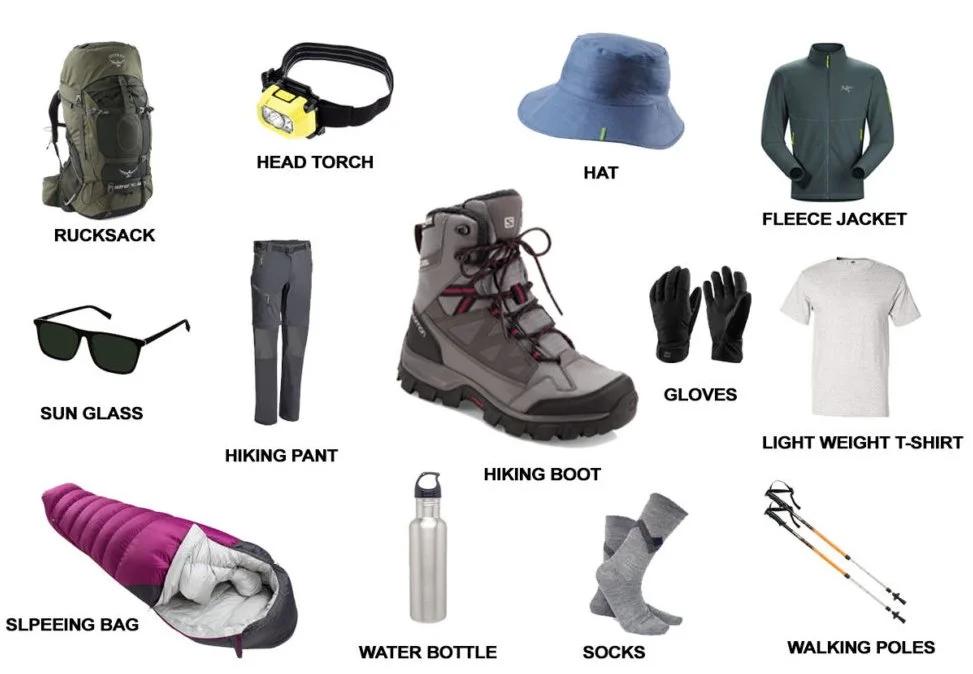
Proper preparation is essential for a successful Kilimanjaro climb. Temperatures can vary significantly between the lower mountain slopes and the summit, so climbers should bring suitable clothing and equipment.
Important items include:
-
Comfortable and waterproof hiking boots.
-
Warm thermal clothing.
-
Waterproof jacket and trousers.
-
Insulated winter jacket.
-
Hiking trousers and comfortable shirts.
-
Warm gloves and socks.
-
Woollen hat and sun hat.
-
Sunglasses and sunscreen.
-
Sleeping bag suitable for freezing temperatures.
-
Headlamp with extra batteries.
-
Trekking poles.
-
Backpack and duffel bag.
-
Reusable water bottles.
-
Personal toiletries and basic first-aid supplies.
Your trekking operator should provide a detailed packing list before the departure date to help you prepare properly.
Physical Fitness and Preparation for Kilimanjaro Climbing
Climbing Mount Kilimanjaro requires good physical fitness, endurance and mental preparation. Although technical mountaineering skills are not normally required on the standard trekking routes, the long hiking days and high altitude can make the journey challenging.
Travellers are encouraged to begin preparing several months before their planned climb.
Useful preparation activities include:
-
Regular walking and hiking to improve endurance.
-
Cardiovascular exercises such as cycling, swimming and jogging.
-
Training on hills and uneven terrain.
-
Practising longer walks while carrying a light backpack.
-
Strengthening leg muscles and improving balance.
-
Becoming familiar with hiking boots and trekking equipment.
Altitude sickness is one of the main challenges associated with climbing Kilimanjaro. Even physically fit climbers can experience altitude-related symptoms.
Climbing slowly, allowing enough time for acclimatisation and following the advice of professional guides are essential. Any symptoms should be reported immediately. Suspected serious altitude illness requires stopping the ascent and descending for medical assessment.
Responsible and Sustainable Kilimanjaro Trekking
Responsible tourism is important for protecting Mount Kilimanjaro and supporting the local communities that depend on mountain tourism.
Travellers should choose trekking operators that follow responsible tourism practices and prioritise environmental conservation and the welfare of mountain staff.
Some important practices include:
-
Avoiding littering along mountain trails.
-
Respecting wildlife and the natural environment.
-
Using designated camping areas.
-
Supporting fair wages and working conditions for porters.
-
Following instructions from professional mountain guides.
-
Reducing unnecessary plastic waste.
-
Respecting local communities and their cultural traditions.
Responsible trekking helps preserve the mountain while ensuring that tourism contributes positively to the surrounding communities.
Combining Kilimanjaro Trekking with Tanzania Wildlife Safaris
One of the best ways to extend your Tanzanian holiday is by combining a Kilimanjaro climbing adventure with a wildlife safari.
After completing your climb, you can explore some of Tanzania’s most famous national parks and wildlife destinations.
Popular combinations include:
Kilimanjaro and Serengeti Safari
Discover the endless savannah plains of Serengeti National Park, famous for its abundant wildlife, large predator populations and the spectacular Great Migration.
Kilimanjaro and Ngorongoro Crater Safari
Explore the magnificent Ngorongoro Crater, one of Africa’s most remarkable wildlife destinations. The crater is home to elephants, lions, buffaloes, zebras, wildebeest and numerous other animals.
Kilimanjaro and Tarangire Safari
Enjoy an exciting wildlife experience in Tarangire National Park, famous for its large elephant herds, ancient baobab trees and beautiful savannah landscapes.
Kilimanjaro and Lake Manyara Safari
Visit Lake Manyara National Park, where you can discover diverse wildlife, beautiful landscapes and impressive birdlife.
Combining mountain climbing with wildlife safaris creates a diverse African holiday filled with adventure, nature and unforgettable experiences.
Why Book Your Kilimanjaro Trekking Package with a Professional Tour Operator?
Choosing a reliable tour operator is an important step towards enjoying a successful Kilimanjaro adventure. An experienced company understands the mountain routes, weather conditions, safety requirements and logistical arrangements involved in organising a climb.
A professional trekking operator should provide:
-
Experienced and knowledgeable mountain guides.
-
Trained porters and support staff.
-
Quality camping equipment.
-
Nutritious meals and sufficient drinking water.
-
Well-planned trekking itineraries.
-
Proper altitude acclimatisation arrangements.
-
Clear package prices and transparent booking conditions.
-
Responsible porter treatment and environmental practices.
Before confirming your reservation, review the itinerary, package inclusions, exclusions, cancellation policy and safety arrangements.
Conclusion: Experience the Adventure of Kilimanjaro Trekking Packages
Kilimanjaro trekking packages provide an incredible opportunity to explore Africa’s highest mountain and experience one of the continent’s most rewarding outdoor adventures. From the lush rainforest and beautiful moorland to the dramatic alpine desert and snow-covered summit, every stage of the journey offers something unique.
Whether you choose the popular Machame Route, the scenic Lemosho Route, the traditional Marangu Route, the peaceful Rongai Route or the longer Northern Circuit, climbing Mount Kilimanjaro promises an unforgettable experience.
With proper preparation, a suitable trekking itinerary and the support of professional mountain guides, you can turn your dream of reaching Uhuru Peak into reality.
Book your Kilimanjaro trekking package and discover the breathtaking beauty of Tanzania’s legendary Roof of Africa.
Frequently Asked Questions About Kilimanjaro Trekking Packages
1. How many days are needed to climb Mount Kilimanjaro?
Most Kilimanjaro trekking packages take between five and nine days, depending on the selected route. Longer itineraries generally provide better opportunities for acclimatisation.
2. Which is the best route for climbing Kilimanjaro?
The Lemosho, Machame and Northern Circuit routes are popular choices because they offer beautiful scenery and good opportunities for acclimatisation when completed over suitable durations.
3. Can beginners climb Mount Kilimanjaro?
Yes. Beginners with good physical fitness can climb Kilimanjaro without previous technical mountaineering experience. Proper preparation and choosing an appropriate route are important.
4. What is the best time to climb Mount Kilimanjaro?
January to March and June to October are generally favourable climbing periods because they tend to offer better weather conditions.
5. Is climbing Mount Kilimanjaro dangerous?
Climbing Kilimanjaro involves risks, particularly altitude sickness, extreme cold and exhaustion. Choosing a responsible operator, allowing sufficient time for acclimatisation and following professional guidance can help reduce these risks.
6. Can I combine Kilimanjaro trekking with a Tanzania wildlife safari?
Yes. You can combine your mountain adventure with wildlife safaris in Serengeti National Park, Ngorongoro Crater, Tarangire National Park and Lake Manyara.
7. Do Kilimanjaro trekking packages include park fees?
Most organised trekking packages include the required national park fees. However, travellers should confirm all inclusions with their tour operator before booking.