
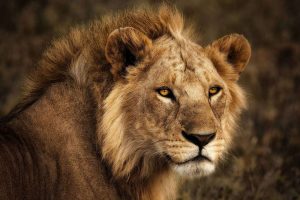
The Ultimate Guide to Wildlife, Attractions and Safari Experiences
Introduction to Ngorongoro Crater Safari
Ngorongoro Crater Safari: The Ultimate Guide to Wildlife, Attractions and Safari Experiences. A Ngorongoro Crater safari is one of the most rewarding wildlife experiences in Tanzania. Located in the northern part of the country, the crater is famous for its dramatic volcanic scenery, rich wildlife, beautiful grasslands, and remarkable opportunities to observe animals in their natural habitat.
The crater lies within the Ngorongoro Conservation Area, a protected landscape where wildlife conservation, natural heritage, and the traditional lives of local communities are closely connected. Its extraordinary scenery and wildlife make it one of Tanzania’s most popular safari destinations.
The Ngorongoro Crater is the world’s largest intact, unfilled volcanic caldera. Its floor contains grasslands, wetlands, woodland, freshwater areas, and a shallow soda lake, creating different habitats that support a wide variety of wildlife.
During a game drive, visitors may encounter lions, elephants, buffaloes, zebras, wildebeest, hippos, hyenas, and, with luck, the endangered black rhinoceros. These wildlife encounters, combined with spectacular views from the crater rim, make Ngorongoro an excellent destination for first-time safari visitors, photographers, couples, families, and experienced wildlife enthusiasts.
Whether you are planning a one-day crater safari or a longer northern Tanzania adventure, Ngorongoro offers an unforgettable opportunity to experience the beauty of the African wilderness.

Why Choose a Ngorongoro Crater Safari?
There are many reasons why travellers include Ngorongoro Crater in their Tanzania safari itineraries.
1. Excellent Wildlife Viewing
One of the main attractions of Ngorongoro Crater is its high concentration of wildlife. The crater floor provides a variety of habitats and supports many resident animals throughout the year.
Unlike destinations where wildlife sightings depend heavily on seasonal migration, Ngorongoro offers rewarding game-viewing opportunities in every season. Animals can be found grazing on open plains, resting beneath trees, or gathering near water sources.
Visitors may see lions hunting or resting in the grass, elephants moving through woodland, and herds of zebras and wildebeest crossing the plains. The crater is also one of the best places in Tanzania to look for the black rhinoceros in its natural environment.
Although wildlife sightings can never be guaranteed, the crater’s compact landscape and abundant animals make it particularly rewarding for a short safari.
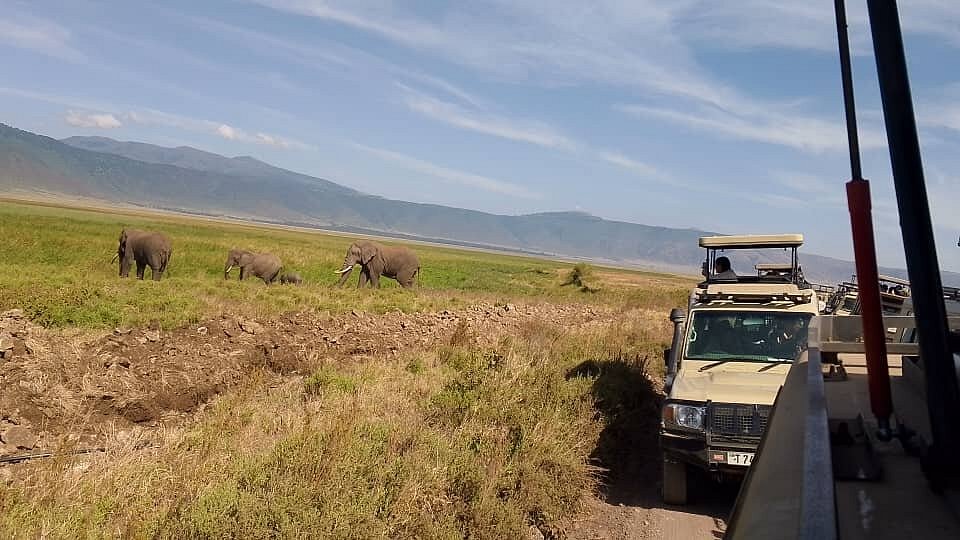
2. Opportunities to See the Big Five
Ngorongoro Crater is one of the most celebrated destinations in Tanzania for searching for the Big Five: lions, leopards, elephants, buffaloes, and rhinoceroses.
Lions are frequently encountered on the crater floor, while elephants may be seen moving through wooded areas. Buffaloes often gather in large herds, and black rhinoceroses are among the most exciting animals to spot.
Leopards are more elusive and may be difficult to see, even with an experienced guide.
Seeing all five species during one visit is possible, but it is not guaranteed. The experience is rewarding even if you encounter only some of them because the crater supports an impressive variety of other wildlife.


3. Spectacular Volcanic Scenery
Ngorongoro Crater is not only a wildlife destination but also a remarkable natural landscape.
The crater was formed when a massive ancient volcano collapsed inward, creating a vast caldera surrounded by steep walls. Today, the crater floor lies beneath a high forested rim, producing a dramatic landscape that is especially beautiful when viewed from the rim.
As you descend into the crater, the scenery changes from misty highland forests to open grasslands, wetlands, and wooded areas.
These different environments create excellent opportunities for sightseeing and wildlife photography. The contrast between the green highlands, open plains, and wildlife-rich crater floor makes Ngorongoro one of the most distinctive safari destinations in Africa.
4. A Great Destination for Photography
A Ngorongoro Crater safari provides excellent opportunities to photograph wildlife and landscapes.
Photographers can capture lions resting in the grass, elephants walking across open ground, zebras grazing in herds, and flamingos gathering around suitable lake habitats.
The crater rim also provides impressive panoramic views, particularly when morning mist moves across the forested slopes.
Early mornings and late afternoons often provide attractive natural light. A camera with a zoom lens and a pair of binoculars can make it easier to observe animals at a distance.
Visitors should always respect wildlife regulations and avoid disturbing animals to obtain photographs.
Wildlife to See on a Ngorongoro Crater Safari
The crater’s combination of grasslands, wetlands, woodlands, and water sources supports a remarkable variety of animals.
Lions
Lions are among the most frequently sought-after animals in Ngorongoro Crater. They can often be seen resting in the grass, moving across the plains, or interacting with other members of their pride.
A knowledgeable guide can help visitors understand lion behaviour, including territorial movements, hunting strategies, and social relationships.
Elephants
Elephants are another important highlight of a crater safari. Large bulls may be seen walking through wooded areas, feeding on vegetation, or crossing open ground.
The crater is particularly known for impressive male elephants with large tusks. Sightings depend on the animals’ movements and the areas visited during a game drive.
Black Rhinoceros
The endangered black rhinoceros is one of the most special animals to look for in Ngorongoro Crater. These animals are difficult to find in many parts of Africa, making a sighting especially memorable.
Rhinos may be seen grazing in open areas or moving through the grasslands. Guides use their knowledge of the crater and follow park regulations when looking for them.
Buffaloes
Buffaloes are commonly encountered in the crater and may gather in large herds across the grasslands.
They are powerful wild animals and should always be observed from a safe distance. Their presence also supports predators such as lions.
Zebras and Wildebeest
Zebras and wildebeest are important members of the crater’s wildlife community. They can often be seen grazing together on open plains, sometimes accompanied by gazelles and other herbivores.
Their movements and interactions create excellent photography opportunities throughout the year.
Hyenas and Other Predators
Spotted hyenas are frequently associated with the crater’s wildlife, and visitors may see them searching for food, resting, or interacting with their clans.
Other predators, including cheetahs and leopards, may also occur in the wider conservation area, although sightings inside the crater are less predictable.
Hippos and Water Birds
Wetland areas provide habitat for hippos and a range of water birds. Lake Magadi, a shallow alkaline lake on the crater floor, can attract flamingos when conditions are suitable.
The wider conservation area also supports numerous bird species, making Ngorongoro attractive to birdwatchers.
Best Time to Visit Ngorongoro Crater
Ngorongoro Crater can be visited throughout the year because many animals remain in the crater and its surrounding habitats year-round.
However, each season offers a slightly different experience.
June to October: The Dry Season
June to October is an excellent period for wildlife viewing. Rainfall is generally lower, and the grass may be shorter, making animals easier to spot in many areas.
These months are particularly suitable for travellers who want to maximise their game-viewing opportunities and enjoy relatively dry safari conditions.
July, August, and September can be busy, so booking accommodation early is advisable.
November to December: The Short Rains
The short rains often bring fresh vegetation and greener scenery to the conservation area.
This season can be attractive for photographers and birdwatchers. Rain showers may occur, but they do not necessarily prevent a successful safari.
January to March: Green Landscapes and Seasonal Wildlife
January to March can offer beautiful scenery, good wildlife viewing, and opportunities to combine a crater safari with the southern Serengeti and Ndutu calving season.
Travellers interested in newborn wildebeest and predator activity should consider adding time in the relevant migration areas outside the crater itself.
April to May: The Long Rains
April and May are generally wetter months. The scenery can be lush and beautiful, and there may be fewer visitors in some areas.
However, rain can affect road conditions and travel schedules. Visitors should confirm the condition of access roads and the availability of their chosen accommodation before travelling.
What to Expect During a Ngorongoro Crater Game Drive
A typical crater safari begins early in the morning, when visitors travel from their accommodation toward the crater descent route.
After reaching the appropriate access point, the safari vehicle descends toward the crater floor. The journey provides opportunities to admire the highland forest, scenic slopes, and changing vegetation.
Once on the crater floor, the guide follows permitted routes while looking for wildlife. Depending on the day’s conditions, visitors may encounter lions, elephants, buffaloes, zebras, wildebeest, hyenas, hippos, and many bird species.
The game drive usually includes time for wildlife viewing, photography, and a picnic lunch at an authorised location.
Because the crater is a protected environment, vehicles must follow the applicable park rules. Visitors should remain inside the vehicle except in designated areas and must never approach wild animals on foot.
A crater game drive is often a full-day experience, so it is best to allow enough time rather than rushing through the destination.
Other Attractions in the Ngorongoro Conservation Area
Although the crater is the region’s most famous attraction, the wider conservation area offers additional places worth exploring.
Olduvai Gorge
Olduvai Gorge is an important archaeological and palaeoanthropological site associated with research into early human evolution.
Visitors interested in archaeology and human history can learn about significant discoveries made in the region and the scientific work that has helped researchers understand the human past.
Empakaai Crater
Empakaai Crater is known for its scenic volcanic landscape, forested slopes, and lake that may attract flamingos.
Walking experiences in the area can provide a different perspective on the conservation area’s landscapes. Activities should be arranged with authorised guides and according to current regulations.
Olmoti Crater
Olmoti Crater is another scenic destination in the highlands. Guided walks allow visitors to appreciate the area’s vegetation, geological features, and views.
It is a good option for travellers who want to combine traditional game drives with a nature-focused experience.
Maasai Culture
The Ngorongoro Conservation Area is also home to Maasai communities whose pastoral traditions form an important part of the region’s cultural landscape.
Where authorised cultural visits are available, visitors can learn about local traditions, livestock keeping, crafts, and community life.
Cultural experiences should be arranged respectfully, with appropriate permission and fair compensation. Visitors should always ask before photographing people.
How to Get to Ngorongoro Crater
Ngorongoro Crater is located in northern Tanzania and is commonly included in the country’s northern safari circuit.
Many travellers begin their journey in Arusha, a major safari hub. From Arusha, visitors travel by road toward the Ngorongoro Conservation Area, usually as part of an organised safari.
The journey takes several hours, depending on the route, traffic, stops, and accommodation location.
Travellers can also arrange domestic flights to suitable airstrips serving the wider safari region, followed by a road transfer. Flight availability and transfer arrangements depend on the itinerary.
A 4×4 safari vehicle is generally the most practical choice for a crater game drive. Booking with a licensed operator helps ensure that transport, entry arrangements, guides, and the day’s schedule are coordinated.
How Long Should You Spend on a Ngorongoro Crater Safari?
The right duration depends on your interests and the other destinations you want to visit.
One-Day Ngorongoro Crater Safari
A one-day crater safari is ideal for travellers with limited time. It focuses on the crater floor, with an early start, a game drive, and a return to accommodation later in the day.
This option provides a rewarding wildlife experience without requiring several nights in the area.
Two-Day Ngorongoro Safari
A two-day itinerary provides more flexibility. Travellers can spend one day exploring the crater and use additional time to enjoy the crater rim, nearby attractions, or a guided nature activity.
This is a good choice for visitors who prefer a less rushed schedule.
Three-Day Ngorongoro and Northern Tanzania Safari
A three-day trip can combine Ngorongoro Crater with destinations such as Tarangire National Park or Lake Manyara National Park, depending on the itinerary and travel time.
This option offers a broader wildlife experience and an opportunity to explore different habitats.
Five-Day or Longer Safari
Travellers with more time can combine Ngorongoro Crater with the Serengeti National Park, where they can explore vast plains and look for the Great Wildebeest Migration.
A longer itinerary is especially useful for wildlife enthusiasts and photographers who want to visit several destinations without spending too much time travelling between them.
Accommodation for a Ngorongoro Crater Safari
Accommodation options range from budget-friendly lodges and campsites to comfortable tented camps and luxury lodges.
Some properties are located near the crater rim, while others are based in nearby Karatu or elsewhere in the conservation area.
Staying near the crater rim can provide dramatic views and convenient access for an early start. Accommodation in Karatu may offer additional options for travellers seeking different price levels.
When choosing accommodation, consider the following:
- Distance and travel time to the crater access point.
- Whether meals and transfers are included.
- The comfort level and facilities you require.
- Seasonal rates and availability.
- Whether the property suits your wider safari itinerary.
It is important to compare complete package costs rather than room prices alone, as transport, meals, conservation fees, and other safari services may be charged separately.
What to Pack for a Ngorongoro Crater Safari
The crater rim can be cold, particularly in the early morning and evening, while conditions on the crater floor may be warmer.
Useful items include:
- Warm clothing and a lightweight jacket.
- Comfortable trousers and walking shoes.
- A hat and sunglasses.
- Sunscreen and insect repellent.
- Binoculars and a camera.
- Spare batteries or a power bank.
- Drinking water and personal medication.
- A waterproof jacket during rainy periods.
Neutral-coloured clothing is practical for safari travel, and a small day bag makes it easier to keep essential items organised.
Tips for Planning a Successful Ngorongoro Crater Safari
Start early. An early departure gives you more time to enjoy the crater and may help you experience wildlife during the cooler morning hours.
Choose an experienced guide. A knowledgeable guide can help locate animals, explain their behaviour, and make the game drive more informative.
Allow enough time. Even though the crater offers excellent wildlife opportunities, sightings depend on animal movements and conditions.
Book ahead during busy periods. Popular lodges and camps can fill quickly during peak travel months.
Follow conservation rules. Stay in the vehicle unless you are in an authorised area, keep a safe distance from animals, and follow your guide’s instructions.
Combine destinations wisely. If you have enough time, consider adding the Serengeti, Tarangire, or Lake Manyara to experience more of northern Tanzania.
Respect local communities. Arrange cultural visits through appropriate channels and ask permission before taking photographs.
Conclusion
A Ngorongoro Crater safari offers an exceptional combination of wildlife viewing, dramatic scenery, and cultural and historical interest. Its volcanic landscape and rich concentration of resident animals make it one of Tanzania’s most rewarding destinations for both first-time visitors and experienced safari travellers.
From searching for the Big Five to watching zebras graze across open plains, photographing flamingos, and learning about the region’s natural history, there is plenty to make a visit memorable.
The crater can be explored throughout the year, although June to October is particularly popular for dry-season wildlife viewing. With a knowledgeable guide, suitable accommodation, and a well-planned itinerary, a Ngorongoro Crater safari can become a highlight of any Tanzania holiday.
For official information about attractions, activities, and conservation-area visits, consult the Ngorongoro Conservation Area Authority website before travelling.