Everything You Need to Know Before Visiting Tanzania
Tanzania Travel Guide: Everything You Need to Know Before Visiting Tanzania. Tanzania is one of Africa’s most beautiful travel destinations, offering extraordinary wildlife, breathtaking landscapes, fascinating cultures, and stunning tropical beaches. Located in East Africa, the country is famous for its world-class safari experiences, Mount Kilimanjaro, the Great Migration, and the beautiful islands of Zanzibar.
Whether you are planning your first African safari, a romantic honeymoon, a family holiday, a mountain climbing expedition, or a cultural adventure, Tanzania offers a wide range of experiences for every type of traveller.
This Tanzania travel guide provides essential information to help you plan an unforgettable holiday. From the best places to visit and exciting activities to the ideal time to travel, accommodation options, transportation, and travel tips, you will discover everything you need to prepare for your journey.
Tanzania combines natural beauty with rich cultural heritage, making it an excellent destination for travellers who want to experience the true spirit of Africa.
Why Visit Tanzania? – Tanzania Travel Guide
Tanzania attracts visitors from around the world because of its diverse attractions and remarkable travel experiences. The country is home to some of Africa’s most famous national parks, impressive mountains, beautiful lakes, and historic coastal towns.
Here are some of the main reasons to include Tanzania on your travel bucket list.
1. Experience World-Class Wildlife Safaris
Tanzania is one of the leading safari destinations in Africa. Its national parks and protected areas provide habitats for an incredible variety of wildlife, including lions, elephants, leopards, buffaloes, giraffes, zebras, cheetahs, and numerous bird species.
Travellers can explore the wilderness on guided game drives, walking safaris in permitted areas, and selected boat excursions.
The Serengeti National Park is especially famous for its large wildlife populations and the Great Migration, when enormous herds of wildebeest and zebras move across the ecosystem in search of fresh grazing.
Other outstanding safari destinations include Tarangire National Park, Ngorongoro Conservation Area, Lake Manyara National Park, Ruaha National Park, and Nyerere National Park.
2. Climb Mount Kilimanjaro – Tanzania Travel Guide
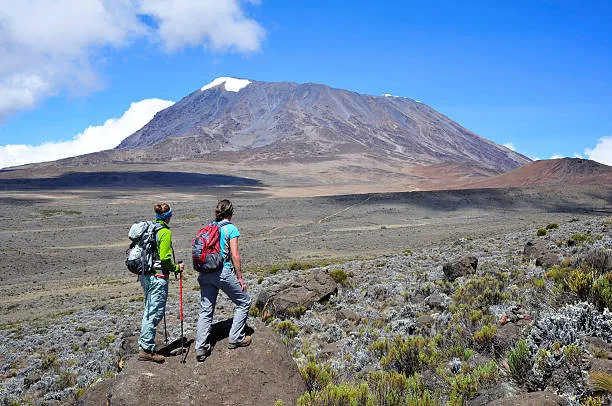
Mount Kilimanjaro is one of Tanzania’s most iconic attractions and a major destination for adventure travellers. Rising approximately 5,895 metres above sea level, it is the highest mountain in Africa.
Climbing Kilimanjaro is a rewarding experience that takes hikers through several ecological zones, from cultivated foothills and tropical rainforest to alpine desert and the high-altitude summit.
Popular routes include Machame, Marangu, Lemosho, and Rongai. Each route offers different scenery, accommodation arrangements, and trekking durations.
Most expeditions take between five and nine days, depending on the route. Longer itineraries generally provide more time for acclimatisation, which is important for reducing the risk of altitude-related illness.
Climbers should prepare physically, use appropriate equipment, and travel with a qualified mountain team.
3. Relax on Zanzibar’s Beautiful Beaches
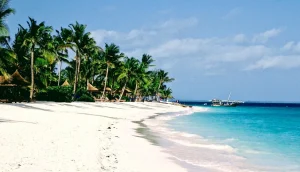
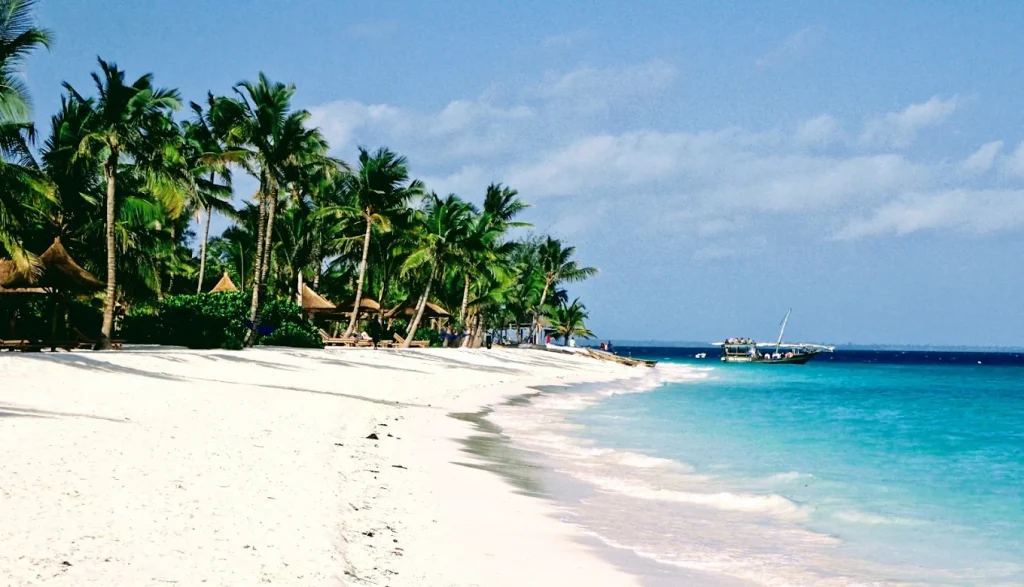
Zanzibar is a tropical island destination known for its white-sand beaches, turquoise waters, palm trees, and fascinating Swahili culture.
The island is ideal for travellers who want to relax after an exciting safari or mountain climbing adventure.
Popular activities include snorkelling, scuba diving, swimming, dhow cruises, spice tours, and exploring historic Stone Town.
Zanzibar also offers a rich culinary experience, influenced by African, Arab, Indian, and other coastal traditions.
For travellers seeking a combination of wildlife and relaxation, a Tanzania mainland safari followed by several days in Zanzibar creates an excellent holiday.
4. Discover Tanzania’s Rich Culture – Tanzania Travel Guide
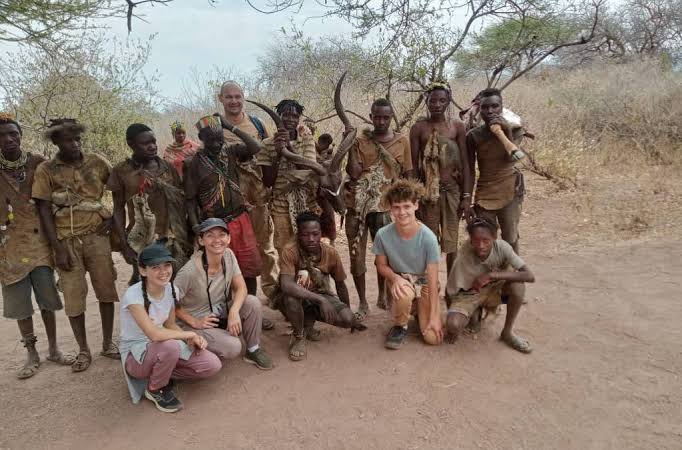
Tanzania has a diverse cultural heritage shaped by numerous ethnic communities, historical trading networks, and Swahili coastal traditions.
Visitors can learn about traditional lifestyles, local cuisine, music, crafts, and everyday activities through responsible cultural tours.
Experiences may include visiting Maasai communities with their consent, exploring local markets, meeting local artisans, and discovering the history of Stone Town.
Tanzania’s national language is Swahili, while English is also widely used in tourism and many business settings.
Learning a few Swahili greetings can make interactions with local people more enjoyable.
For example:
- Jambo: Hello.
- Habari: How are you?
- Asante: Thank you.
- Karibu: Welcome.
- Tafadhali: Please.
Best Places to Visit in Tanzania
Tanzania has many remarkable destinations, ranging from famous wildlife parks to remote wilderness areas, mountain regions, and coastal islands.
1. Serengeti National Park – Tanzania Travel Guide
The Serengeti National Park is one of Africa’s most celebrated wildlife destinations. Its vast grasslands, open plains, and scattered woodlands support large populations of wildlife.
The park is particularly famous for the Great Migration, involving millions of wildebeest and large numbers of zebras and other grazing animals moving through the wider Serengeti ecosystem.
Visitors can enjoy game drives, wildlife photography, birdwatching, and selected hot-air balloon safaris.
The best area to visit depends on the season and the location of the migrating herds. The southern plains are often important during the calving season, while the northern Serengeti can offer opportunities to witness river crossings during parts of the year.
Serengeti is an excellent choice for first-time safari visitors, wildlife enthusiasts, and photographers.
2. Ngorongoro Conservation Area
The Ngorongoro Conservation Area is famous for the Ngorongoro Crater, a spectacular volcanic caldera that supports a wide variety of wildlife.
A crater game drive provides opportunities to see zebras, wildebeest, buffaloes, hippos, hyenas, and lions. Sightings of the endangered black rhinoceros are possible but not guaranteed.
The wider conservation area also contains dramatic highland scenery, archaeological sites, and pastoral landscapes.
Visitors can learn about the area’s natural and cultural heritage while enjoying panoramic views of the crater.
Ngorongoro is often combined with Serengeti, Tarangire, or Lake Manyara in a northern Tanzania safari itinerary.
3. Tarangire National Park – Tanzania Travel Guide
Tarangire National Park is known for its large elephant herds, iconic baobab trees, and beautiful savannah landscapes.
During the dry season, animals may gather around the Tarangire River and other available water sources, creating excellent wildlife-viewing opportunities.
The park is also home to giraffes, zebras, wildebeest, lions, leopards, and many bird species.
Tarangire is an attractive destination for visitors seeking a rewarding safari experience with impressive scenery and opportunities for photography.
4. Lake Manyara National Park
Lake Manyara National Park is a scenic destination featuring groundwater forests, open grasslands, lakeshore habitats, and the alkaline waters of Lake Manyara.
The park is known for its birdlife, including flamingos when conditions are suitable, as well as elephants, giraffes, baboons, and other wildlife.
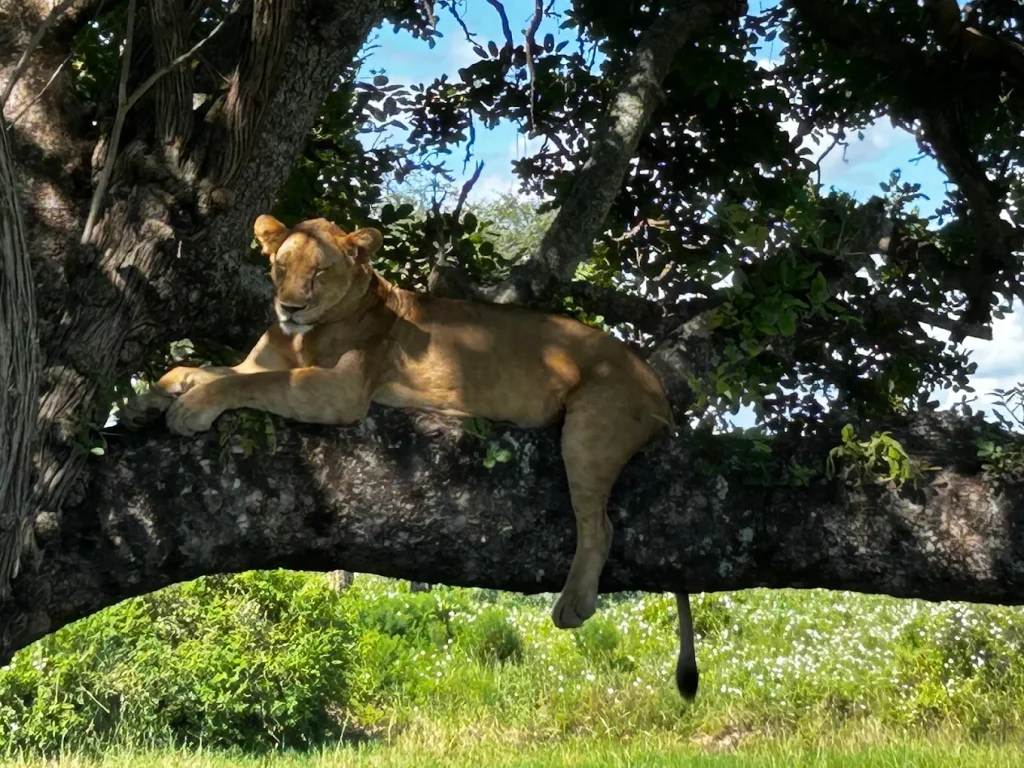
It is also associated with tree-climbing lions, although sightings are never guaranteed.
Lake Manyara is a useful addition to a northern Tanzania itinerary because it offers a different landscape from the Serengeti’s open plains.
5. Mount Kilimanjaro – Tanzania Travel Guide
Mount Kilimanjaro is a major attraction for hikers, climbers, and adventure seekers.
Travellers who do not intend to climb to the summit can still explore the surrounding region, visit local communities, enjoy forest walks in designated areas, and learn about the mountain’s ecological importance.
For summit attempts, it is essential to choose a suitable route and allow adequate time for acclimatisation.
6. Zanzibar Island
Zanzibar offers a combination of beach relaxation, marine adventures, cultural experiences, and historical attractions.
Stone Town is famous for its winding streets, historic buildings, traditional markets, and rich Swahili heritage.
Other popular areas include Nungwi, Kendwa, Paje, and Jambiani, each offering a different atmosphere and range of beach activities.
Visitors can enjoy swimming, diving, snorkelling, spice tours, and sunset cruises, depending on weather conditions and local availability.
7. Ruaha National Park – Tanzania Travel Guide
Ruaha National Park is a rewarding destination for travellers seeking a less crowded safari experience.
Its landscapes include dry riverbeds, rocky outcrops, baobab trees, and extensive savannah habitats.
Ruaha is known for its elephants, lions, and diverse wildlife. It is particularly appealing to experienced safari travellers who want to explore a large wilderness area away from some of the busier northern safari routes.
8. Nyerere National Park
Nyerere National Park, in southern Tanzania, offers a different style of safari from the northern circuit.
The park’s landscapes include woodland, grassland, wetlands, and river environments. Depending on the area and arrangements, visitors can enjoy game drives, guided walking safaris, and boat excursions.
The Rufiji River system supports hippos, crocodiles, waterbirds, and wildlife that gather along its banks.
Nyerere is a good option for travellers who want a varied safari experience and are interested in exploring southern Tanzania.
9. Stone Town – Tanzania Travel Guide
Stone Town is the historic heart of Zanzibar City and a UNESCO World Heritage Site.
Its architecture and cultural heritage reflect centuries of trade and interaction among African, Arab, Indian, and European communities.
Visitors can explore historic streets, markets, museums, waterfront areas, and buildings that tell the story of Zanzibar’s past.
A guided walking tour is an excellent way to understand the island’s history and appreciate its distinctive cultural character.
10. Lake Natron
Lake Natron is a striking destination in northern Tanzania, famous for its alkaline waters, dramatic volcanic scenery, and lesser flamingos.
The surrounding landscape is remote and visually impressive, making it attractive to photographers and adventurous travellers.
Visitors can arrange guided walks and explore selected viewpoints, depending on local conditions and access arrangements.
Because the area can be hot and remote, travellers should plan transport, water supplies, and guiding services carefully.
Best Things to Do in Tanzania – Tanzania Travel Guide
Tanzania offers a wide range of activities, allowing visitors to design a holiday around wildlife, nature, culture, or relaxation.
Enjoy a Game Drive
Game drives are among the most popular activities in Tanzania.
Travellers explore national parks in safari vehicles accompanied by experienced guides who help identify animals, explain wildlife behaviour, and interpret the surrounding landscape.
Morning and late-afternoon drives can be especially rewarding because many animals are more active during cooler hours.
Witness the Great Migration – Tanzania Travel Guide
The Great Migration is one of the world’s most remarkable wildlife spectacles.
Herds of wildebeest and zebras move through the Serengeti ecosystem in response to seasonal rainfall and grazing conditions.
The migration can be viewed in different regions throughout the year, but the timing varies. Travellers should select their itinerary according to the expected location of the herds rather than relying on fixed dates.
Go on a Hot-Air Balloon Safari
A hot-air balloon safari provides a memorable aerial view of the African wilderness.
In selected areas of the Serengeti and other safari destinations, visitors can enjoy early-morning flights over the landscape, followed by a landing celebration or breakfast, depending on the operator.
Balloon flights depend on weather conditions and should be booked in advance.
Hike in the Mountains – Tanzania Travel Guide
Besides Mount Kilimanjaro, Tanzania offers scenic hiking opportunities in the Usambara Mountains and Udzungwa Mountains.
These regions feature forest trails, waterfalls, green hills, and viewpoints overlooking the surrounding countryside.
Guided hikes can also introduce visitors to local plants, birdlife, and rural communities.
Explore Local Food
Tanzanian cuisine is an important part of the travel experience.
Popular dishes include ugali, pilau, wali, nyama choma, and chipsi mayai. Along the coast, visitors can enjoy seafood, coconut-based dishes, and meals influenced by Swahili culinary traditions.
Food markets and locally owned restaurants provide opportunities to experience everyday Tanzanian life.
Enjoy Snorkelling and Diving – Tanzania Travel Guide
Zanzibar and selected coastal destinations offer opportunities to explore coral reefs and marine life.
Visitors can discover tropical fish, coral formations, and other underwater environments through guided snorkelling or diving excursions.
Choose responsible operators who follow marine conservation guidelines and avoid damaging coral reefs.
Visit Local Communities
Cultural excursions can help travellers understand Tanzania beyond its landscapes and wildlife.
Depending on the location, visitors may learn about traditional crafts, food preparation, music, farming, or local history.
Choose experiences that respect community consent and provide fair benefits to local hosts.
Best Time to Visit Tanzania – Tanzania Travel Guide
Tanzania can be visited throughout the year, but the ideal time depends on the destinations and activities you want to include.
June to October: The Dry Season
This period is popular for wildlife safaris because vegetation is often thinner and animals may gather around available water sources.
It is also a popular time for mountain trekking and beach holidays, although conditions vary by region.
The northern Serengeti may offer opportunities to witness river crossings when migration herds are present.
Because this is a busy travel season, booking accommodation and important activities in advance is advisable.
January to March: The Calving Season – Tanzania Travel Guide
The southern Serengeti and Ndutu region are often excellent locations for viewing wildebeest calving.
Large numbers of young animals attract predators, creating exciting opportunities for wildlife photography.
This period is especially appealing to travellers interested in the natural cycle of the Great Migration.
April to May: The Long Rains
These months often bring heavier rainfall to many parts of Tanzania.
The scenery becomes lush and green, and some areas experience fewer visitors. However, heavy rain can affect road conditions, travel times, and the availability of certain camps or activities.
Travellers should check seasonal conditions before booking remote destinations.
November to December: The Short Rains – Tanzania Travel Guide
The short rains refresh the landscape and may improve scenery for photography.
Wildlife viewing can remain rewarding, although showers may influence daily activities and road conditions.
The best travel dates depend on your priorities, so seek advice based on your planned destinations rather than choosing dates based on a single nationwide weather pattern.
Tanzania Travel Guide: How to Get There
Tanzania is accessible through international airports and regional transport connections.
International Flights
Major international gateways include Julius Nyerere International Airport in Dar es Salaam and Kilimanjaro International Airport near Arusha and Moshi.
Zanzibar also has an international airport, which is convenient for travellers focusing on the islands or combining Zanzibar with a mainland safari.
Your best arrival airport depends on your itinerary. Travellers planning a northern circuit safari often find Kilimanjaro International Airport convenient, while Dar es Salaam is useful for southern Tanzania and coastal travel.
Travelling from Neighbouring Countries – Tanzania Travel Guide
Tanzania has road connections with neighbouring East African countries, including Uganda, Kenya, and Rwanda.
Travellers arriving overland should confirm current border requirements, visa eligibility, transport arrangements, and any vehicle documentation requirements before departure.
Domestic Flights
Domestic flights can save time when travelling between distant safari regions or connecting the mainland with Zanzibar.
Flights are particularly useful for itineraries that combine northern parks with southern Tanzania, although they may increase the overall travel budget.
Visa and Entry Requirements for Tanzania – Tanzania Travel Guide
Entry requirements depend on your nationality, travel purpose, and the documents you hold.
Many travellers need a visa, while some nationalities may qualify for visa-free entry or different arrangements. Check the latest requirements through Tanzania’s official immigration authorities before travelling.
Before departure, make sure you have:
- A valid passport that meets the applicable entry requirements.
- The appropriate visa or entry authorisation, where required.
- Confirmed accommodation and return or onward travel details if requested.
- Travel insurance suitable for your planned activities.
- Any required health documentation under current entry rules.
Travellers visiting Zanzibar should also check any separate travel insurance or entry-related requirements that apply to their circumstances.
Because entry rules can change, verify the latest official guidance rather than relying entirely on older travel advice.
Getting Around Tanzania
Tanzania is a large country, so transport planning is an important part of a successful holiday.
Private Safari Vehicles – Tanzania Travel Guide
Private safari vehicles are ideal for travellers who want flexibility, personal guiding, and control over their daily schedule.
They are particularly useful for families, couples, photographers, and small groups.
Group Safaris
Group safaris allow travellers to share transport and some operating costs. They can be a practical option for visitors working with a limited budget.
The itinerary, accommodation, and daily schedule may be less flexible than on a private tour.
Domestic Flights – Tanzania Travel Guide
Domestic flights are useful for long distances, particularly between major cities, safari regions, and Zanzibar.
Check luggage limits carefully, especially when travelling on small aircraft serving remote safari destinations.
Buses and Local Transport
Buses connect many towns and cities and are often used by residents and budget-conscious travellers.
Within towns and cities, taxis and other local transport services may be available. Use reputable providers and agree on fares or confirm the pricing method before beginning a journey.
For remote national parks, organized transport is generally more convenient than relying on public transport alone.
Accommodation in Tanzania – Tanzania Travel Guide
Tanzania offers accommodation for a wide range of budgets and travel styles.
Budget Accommodation
Budget hotels, guesthouses, hostels, and campsites are suitable for travellers who want to control costs.
Facilities vary, so check the location, room amenities, meals, and transport arrangements before booking.
Mid-Range Lodges and Tented Camps – Tanzania Travel Guide
Mid-range accommodation often combines comfort with convenient access to major attractions.
Options may include private bathrooms, restaurants, guided activities, and comfortable rooms or safari tents.
These properties are popular with couples, families, and travellers seeking a balance between comfort and price.
Luxury Safari Lodges
Luxury lodges and tented camps offer premium accommodation, personalised service, and attractive locations near wildlife areas.
Some provide private decks, swimming pools, fine dining, and specialist activities.
Prices can be considerably higher, particularly during peak safari periods.
Beach Resorts in Zanzibar – Tanzania Travel Guide
Zanzibar offers beachfront resorts, boutique hotels, guesthouses, and private villas.
Nungwi and Kendwa are popular for beach holidays, while Paje and Jambiani attract travellers interested in water sports and a more relaxed atmosphere.
Choose accommodation based on your preferred activities, transport needs, and beach conditions.
What Is the Cost of Travelling to Tanzania?
The cost of a Tanzania holiday depends on the duration, season, accommodation category, transport arrangements, and activities included.
Budget travellers may reduce costs by choosing simpler accommodation, travelling in a group, and selecting fewer destinations.
Mid-range travellers can combine comfortable lodges with guided safaris, while luxury travellers may prefer private vehicles, premium camps, and domestic flights.
Major expenses to consider include:
- International and domestic flights.
- Accommodation and meals.
- Safari vehicle hire and guiding services.
- National park and conservation fees.
- Mountain climbing fees and support crews, where applicable.
- Activities such as balloon safaris, diving, or guided excursions.
- Visas, insurance, tips, and personal expenses.
Safari costs can vary substantially because park fees, accommodation, and transport make up a significant part of the budget.
Request a detailed quotation from your tour operator and check exactly what is included before making a payment.
What to Pack for Tanzania – Tanzania Travel Guide
Packing depends on the season, destination, and activities planned.
For a typical safari, consider bringing:
- Lightweight, comfortable clothing in neutral colours.
- Comfortable walking shoes.
- A sun hat and sunglasses.
- Sunscreen and insect repellent.
- Binoculars and a camera.
- A reusable water bottle.
- Personal medication and basic toiletries.
- A small daypack.
- Travel documents and copies of important bookings.
For Mount Kilimanjaro, bring suitable hiking boots, thermal layers, warm gloves, waterproof clothing, and insulated outerwear.
For Zanzibar, pack swimwear, beachwear, and modest clothing for cultural or religious sites.
A light jacket is useful for cool mornings and evenings, especially in highland and safari areas.
Health and Safety Tips for Travelling in Tanzania
Preparing for health and safety needs helps ensure a more comfortable trip.
Before travelling, consult a qualified travel-health professional about recommended vaccinations, malaria prevention, and other health precautions relevant to your itinerary.
Carry sufficient personal medication and drink safe water. Use sunscreen and insect repellent, especially when spending time outdoors.
For safaris, follow your guide’s instructions, remain inside the vehicle when required, and maintain a safe distance from wildlife.
For mountain trekking, choose a responsible operator, allow adequate acclimatisation, and take altitude-related symptoms seriously.
Keep valuables secure, use reputable transport providers, and follow local advice about areas where additional caution may be necessary.
Travel insurance should cover the activities you intend to undertake. If climbing Kilimanjaro, check that your policy includes high-altitude trekking and suitable emergency evacuation coverage.
Responsible Tourism in Tanzania – Tanzania Travel Guide
Tanzania’s natural and cultural heritage deserves protection. Responsible travel helps conserve wildlife, support communities, and maintain the beauty of the country’s destinations.
Travellers can contribute by choosing reputable operators, following park regulations, reducing waste, and avoiding activities that harm wildlife.
When visiting cultural sites or local communities, ask permission before taking photographs and respect local customs.
Supporting local guides, restaurants, accommodation providers, and artisans can help distribute tourism benefits more widely.
Choose wildlife experiences that prioritise animal welfare and conservation, and avoid feeding wild animals or disturbing their natural behaviour.
Sample Tanzania Travel Itineraries
The ideal itinerary depends on your available time, budget, and interests. The following examples provide starting points for planning.
5-Day Northern Tanzania Safari – Tanzania Travel Guide
- Day 1: Arrive in Arusha and prepare for your safari.
- Day 2: Explore Tarangire National Park.
- Day 3: Travel to the Serengeti for wildlife viewing.
- Day 4: Enjoy a full-day Serengeti game drive.
- Day 5: Visit the Ngorongoro Crater before returning towards Arusha, depending on your onward travel arrangements.
This itinerary is suitable for travellers who want to experience several famous northern Tanzania wildlife destinations in a relatively short period.
7-Day Tanzania Wildlife and Culture Tour
- Day 1: Arrive in Arusha.
- Day 2: Explore Tarangire National Park.
- Day 3: Travel to the Serengeti.
- Day 4: Enjoy wildlife viewing in the Serengeti.
- Day 5: Explore the Ngorongoro Conservation Area.
- Day 6: Enjoy a cultural excursion or visit a nearby destination, depending on the route.
- Day 7: Return to Arusha for departure.
The route can be adjusted according to travel times, accommodation, and the specific cultural experiences available.
10-Day Tanzania Safari and Zanzibar Holiday – Tanzania Travel Guide
- Day 1: Arrive in Arusha.
- Day 2: Visit Tarangire National Park.
- Day 3: Travel to the Serengeti.
- Day 4: Enjoy a full day of wildlife viewing.
- Day 5: Explore another part of the Serengeti.
- Day 6: Visit the Ngorongoro Crater.
- Day 7: Travel to Zanzibar.
- Day 8: Relax on the beach or enjoy a marine excursion.
- Day 9: Explore Stone Town or take a spice tour.
- Day 10: Depart from Zanzibar.
This itinerary combines wildlife, cultural discovery, and beach relaxation. The schedule should be adjusted to suit flight connections and the time required for transfers.
Why Book Your Tanzania Holiday with a Professional Tour Operator? – Tanzania Travel Guide
A reliable tour operator can simplify the planning process by arranging accommodation, transport, park entry, guiding services, and activities.
Professional operators can recommend suitable destinations based on your interests, travel dates, and budget. They can also help coordinate complex itineraries involving multiple national parks, mountain climbing, and Zanzibar.
Before booking, review the itinerary carefully and ask about accommodation standards, vehicle quality, guide experience, cancellation policies, and emergency arrangements.
Choose a company that communicates clearly, provides transparent pricing, and demonstrates a commitment to responsible tourism.
Conclusion: Plan Your Unforgettable Tanzania Holiday
Tanzania is a destination that offers something for almost every traveller. From the vast plains of the Serengeti and the wildlife-rich Ngorongoro Crater to the heights of Mount Kilimanjaro and the beautiful beaches of Zanzibar, the country combines adventure, nature, culture, and relaxation in one remarkable destination.
Whether you are planning a short safari, an extended wildlife expedition, a cultural holiday, or a beach escape, careful planning will help you make the most of your time in Tanzania.
Choose destinations that match your interests, travel during a suitable season, prepare for local conditions, and work with a trustworthy tour operator.
Start planning your Tanzania holiday today and discover the wildlife, landscapes, cultures, and unforgettable experiences that make Tanzania one of Africa’s leading travel destinations.