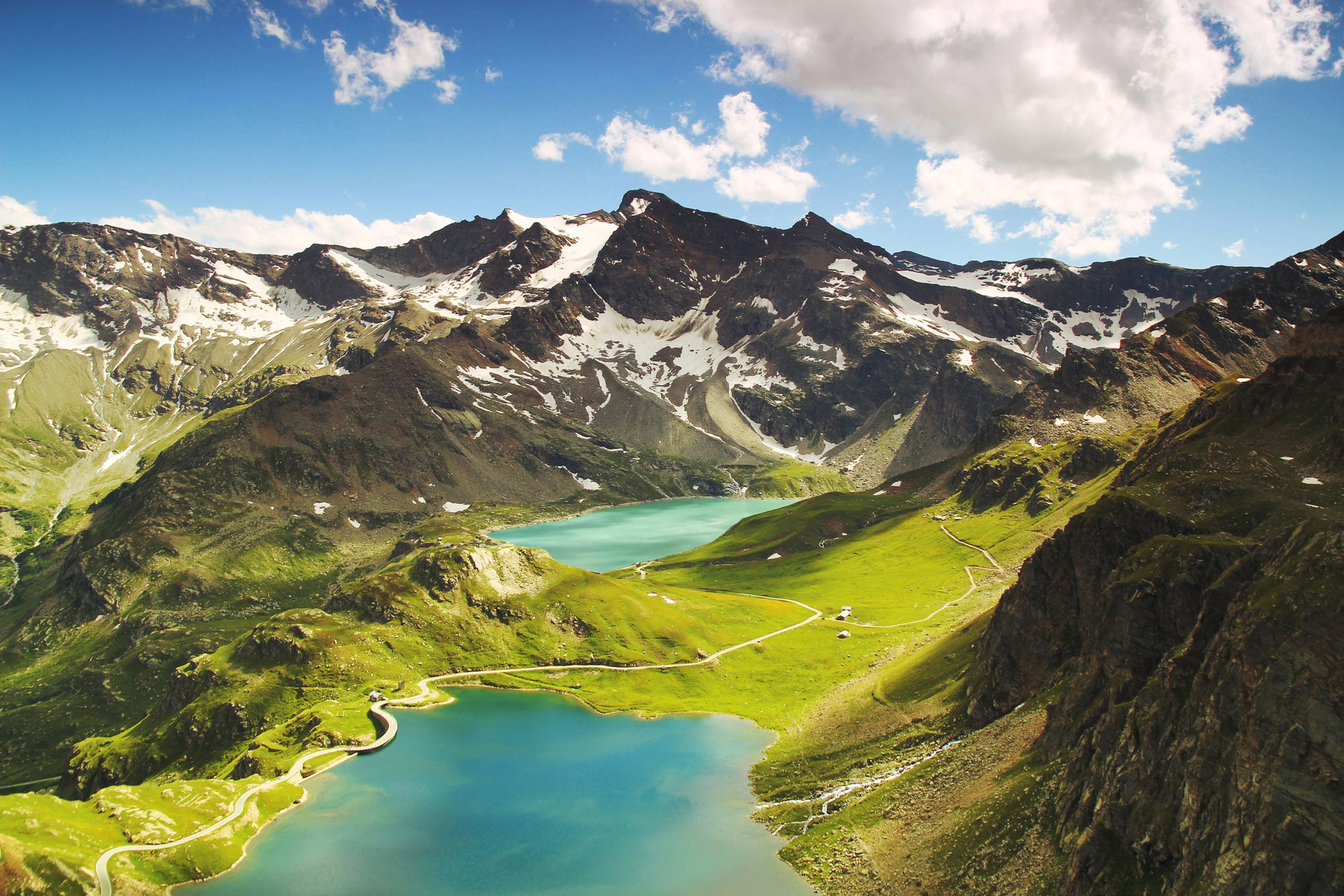
14-Day Tanzania Wildlife Safari: The Ultimate African Adventure
14-Day Tanzania Wildlife Safari: The Ultimate African Adventure. Experience the very best of Tanzania on this unforgettable 14-day wildlife safari, combining iconic national parks, extraordinary wildlife encounters, spectacular scenery, and authentic cultural experiences. This itinerary is designed to give you more time to explore the wilderness without rushing from one destination to another.
Your journey begins in Arusha and continues through Tarangire National Park, Lake Manyara National Park, the Ngorongoro Conservation Area, and the legendary Serengeti National Park. With additional days for wildlife viewing, you will have more opportunities to search for the Big Five, photograph magnificent landscapes, and discover the seasonal movements of the Great Migration.
The northern safari circuit is one of Tanzania’s signature travel experiences, bringing together Tarangire’s elephants, Serengeti’s vast plains, and Ngorongoro’s remarkable crater ecosystem.
Tanzania Tourism+1

Safari highlights
-
Enjoy game drives in four of Tanzania’s famous wildlife destinations.
-
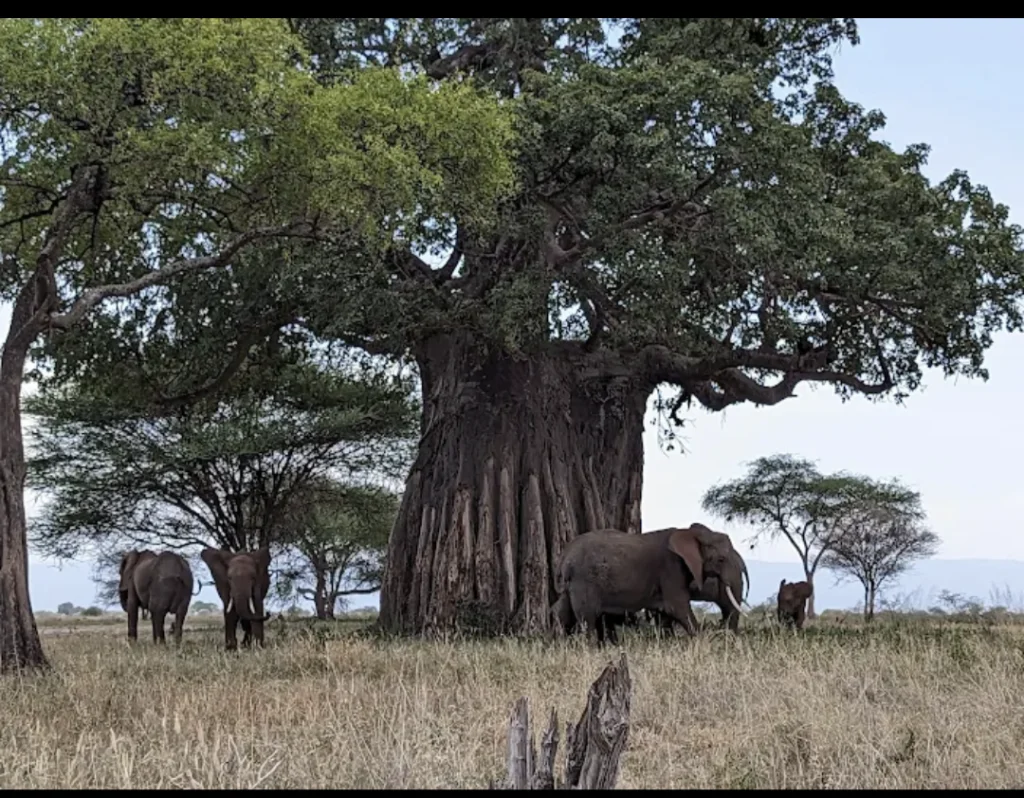
Explore Tarangire’s elephant herds and magnificent baobab trees.
-
Discover Lake Manyara’s forests, wildlife, and diverse birdlife.
-
Spend several days exploring the Serengeti’s rich wildlife habitats.
-
Follow the Great Migration in the region where the herds are expected to be.
-
Search for lions, leopards, cheetahs, elephants, buffaloes, and rhinos.
-
Descend into Ngorongoro Crater for an exceptional wildlife-viewing experience.
-
Experience beautiful African sunsets, scenic highlands, and optional cultural activities.
Detailed 14-day Tanzania wildlife safari itinerary
Day 1: Arrival in Tanzania – Transfer to Arusha

Destination: Arusha | Overnight: Arusha
Your adventure begins when you arrive at Kilimanjaro International Airport, where your safari guide will welcome you and transfer you to your hotel in Arusha.
Arusha is a popular starting point for northern Tanzania safaris, surrounded by beautiful landscapes and located near Mount Meru. Depending on your arrival time, you can relax at your lodge, enjoy the gardens, or explore the town.
In the evening, meet your guide for a safari briefing covering the route, wildlife-viewing expectations, and the activities planned for the coming days.
Enjoy dinner and a restful night before your wildlife adventure begins.

Day 2: Tarangire National Park – Land of Giants
Destination: Tarangire | Overnight: Tarangire area
After breakfast, drive to Tarangire National Park, a spectacular wildlife destination famous for its large elephant herds, ancient baobab trees, and scenic savannah landscapes.
Upon arrival, begin your game drive through woodland, open grassland, and areas surrounding the Tarangire River. Depending on the season, wildlife may gather near the river to drink, making it a rewarding place to search for elephants, zebras, wildebeest, giraffes, and buffaloes.
Your guide will also help you look for lions, leopards, and a variety of antelope species. Bird enthusiasts can enjoy searching for the park’s many resident and migratory birds.
Stop for a picnic lunch at a designated site before continuing your afternoon exploration. Later, head to your lodge or tented camp for dinner and overnight accommodation.

Day 3: Full-Day Tarangire Wildlife Safari
Destination: Tarangire | Overnight: Tarangire area
Enjoy another full day discovering Tarangire National Park, giving you more time to explore its different habitats and observe wildlife behavior.
Start with an early morning game drive when animals may be active in the cooler hours. Look for elephants moving in family groups, giraffes browsing on acacia trees, and herds of zebras and wildebeest grazing across the plains.
Continue to different sections of the park with your guide, searching for predators and learning about the relationship between wildlife and the seasonal availability of water.
After lunch, enjoy an afternoon game drive with opportunities for birdwatching and photography. The park’s baobab trees provide a distinctive backdrop for capturing memorable safari pictures.
Return to your accommodation in the evening. Spending two nights in the Tarangire area allows a more relaxed experience than visiting the park for only a few hours.

Day 4: Lake Manyara National Park – Forests and Birdlife
Destination: Lake Manyara | Overnight: Mto wa Mbu or Karatu
After breakfast, depart for Lake Manyara National Park. Located beneath the Great Rift Valley escarpment, this park offers a contrasting safari experience with groundwater forests, open grasslands, woodland, and lake habitats.
Begin a guided game drive in search of elephants, baboons, blue monkeys, giraffes, and other wildlife. The park is also known for lions that sometimes climb trees, although seeing this behavior is not guaranteed.
Lake Manyara attracts numerous bird species, including flamingos when water conditions are suitable. Your guide can help you identify birds and explain the importance of the lake’s changing water levels.
Enjoy lunch during the day and continue exploring the park’s different habitats. In the late afternoon, transfer to your lodge in Mto wa Mbu or Karatu for dinner and overnight accommodation.

Day 5: Ngorongoro Highlands and Cultural Discovery
Destination: Ngorongoro Conservation Area | Overnight: Ngorongoro highlands or Karatu
After breakfast, travel into the beautiful Ngorongoro Conservation Area. The region features volcanic highlands, rolling hills, grasslands, and landscapes that support both wildlife and local communities.
Depending on your interests, arrange an optional cultural visit with a local Maasai community through a reputable host. Learn about traditional homes, livestock keeping, crafts, and aspects of everyday life in the highlands.
You can also enjoy scenic viewpoints and short stops along the route, subject to your accommodation location and the day’s arrangements.
This day provides a slower pace between game drives, allowing you to appreciate Tanzania’s cultural and natural heritage.
Return to your lodge in the evening and prepare for the journey into the Serengeti the following day.

Day 6: Journey to Serengeti National Park
Destination: Serengeti | Overnight: Central Serengeti
After breakfast, begin the scenic journey to Serengeti National Park, one of Africa’s most celebrated wildlife destinations.
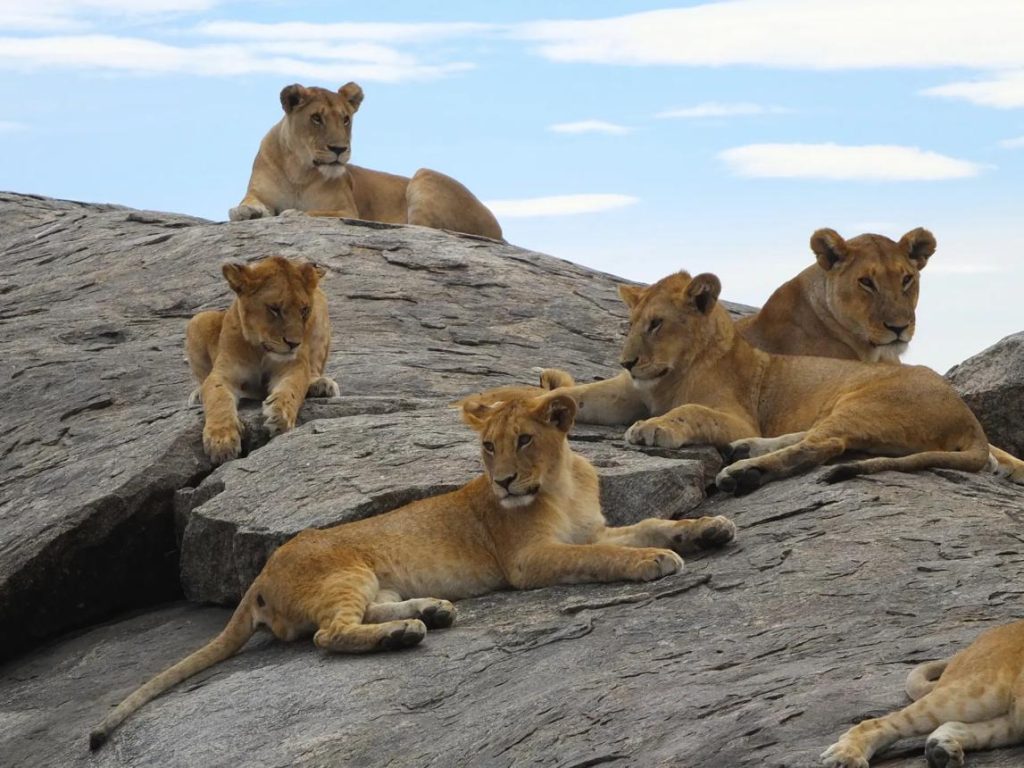
Travel through the Ngorongoro highlands and onward toward the expansive Serengeti plains. The landscape gradually opens into wide grasslands dotted with rocky outcrops known as kopjes, which often provide shelter and lookout points for wildlife.
Depending on your route, you may see zebras, wildebeest, gazelles, giraffes, and other animals along the way. Your guide will arrange game viewing as park access and travel time allow.
Arrive at your camp or lodge in the central Serengeti, an excellent base for exploring different habitats and searching for resident predators.
Enjoy dinner and overnight accommodation surrounded by the sounds of the African wilderness.
Day 7: Full-Day Serengeti Safari – Lions and Leopards
Destination: Central Serengeti | Overnight: Central Serengeti
Wake up early for your first full day of exploring the Serengeti’s wildlife-rich plains. The early morning is often rewarding for observing active animals and photographing the landscape in soft light.
Explore the central Serengeti, including areas around the Seronera Valley, which is known for its varied wildlife habitats and opportunities to search for big cats.
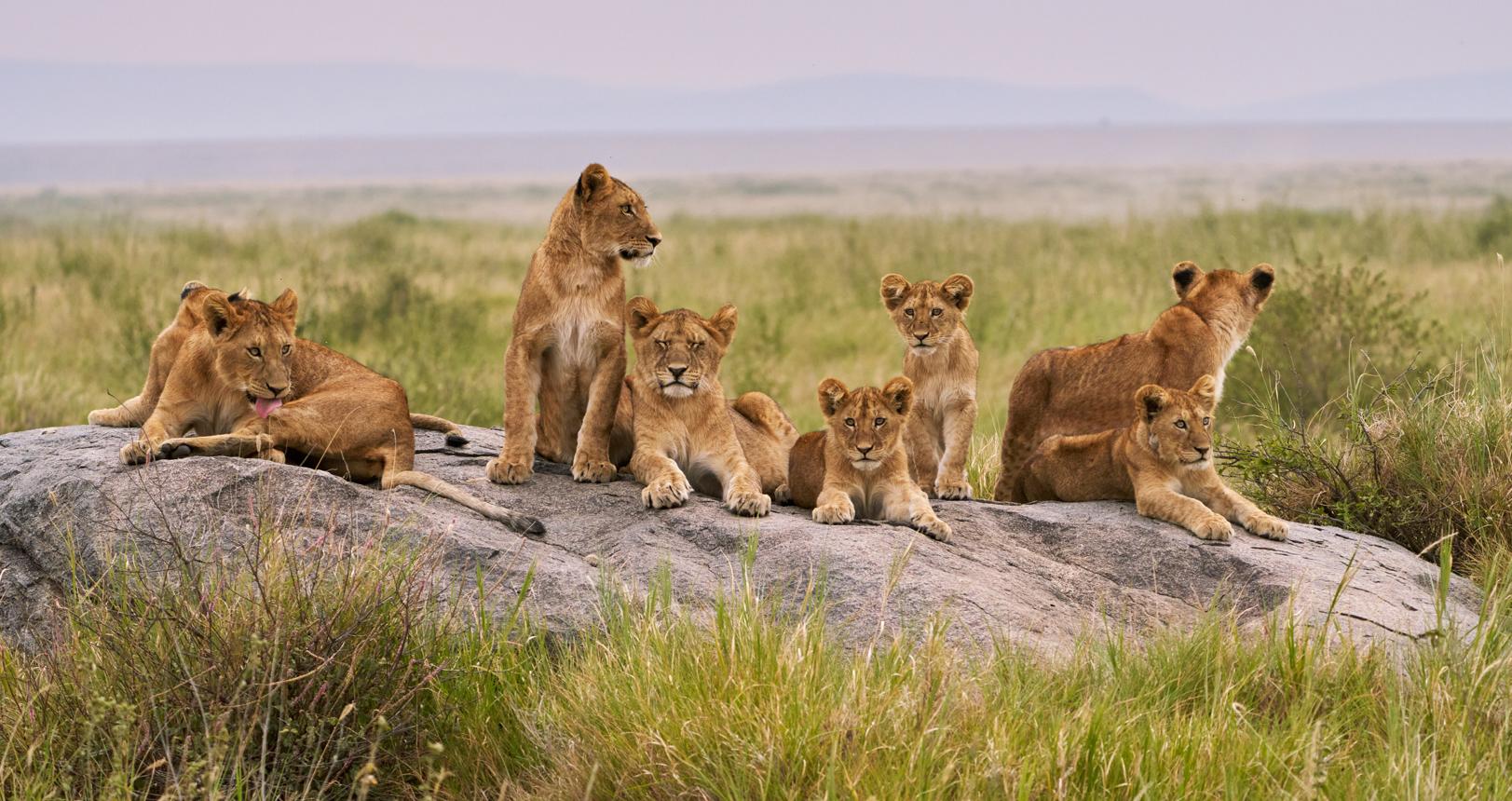
Look for lion prides resting in the grass, leopards sheltering in trees, and cheetahs scanning open ground for prey. You may also encounter elephants, buffaloes, giraffes, hippos, hyenas, and numerous grazing animals.
Enjoy a picnic lunch in an approved location before continuing your afternoon game drive. Your guide will adapt the route according to wildlife sightings and road conditions.
Return to camp for dinner and a relaxing evening. An optional hot-air balloon safari may be available for the following morning, subject to location, weather, and advance booking.


Day 8: Serengeti Great Migration Safari
Destination: Serengeti | Overnight: Serengeti
Spend another day in the Serengeti, focusing on the Great Migration and the remarkable wildlife interactions that make this ecosystem famous.
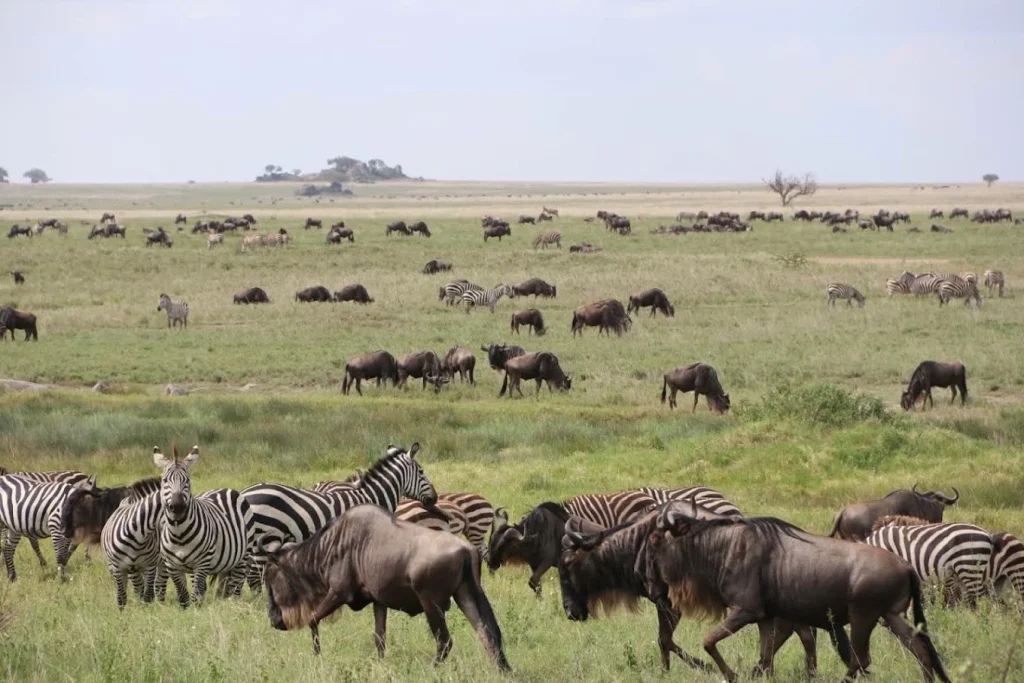
The migration involves large herds of wildebeest and zebras moving across the Serengeti–Mara ecosystem in response to rainfall and grazing conditions. The best area for viewing them changes throughout the year.
During the calving season, often around January to March in the southern Serengeti and Ndutu region, you may encounter young wildebeest and predators nearby. During parts of the dry season, the northern Serengeti can provide opportunities to look for herds gathering near the Mara River.
River crossings are unpredictable, so your guide will use the season and recent wildlife movements to choose suitable areas rather than promise a particular sighting.
Enjoy a picnic lunch during your game drive, followed by more opportunities to photograph wildlife and observe the behavior of the herds. Return to camp for dinner and overnight accommodation.
Day 9: Serengeti Wilderness Exploration
Destination: Serengeti | Overnight: Serengeti
Enjoy a third full day of wildlife exploration in the Serengeti. This extra day gives you more flexibility to revisit wildlife-rich areas and search for species that may have been difficult to find earlier.
If your travel dates and accommodation location make it practical, your guide can focus on a different section of the park. The northern Serengeti is an option during suitable seasons, while the central region remains a rewarding base for resident wildlife.
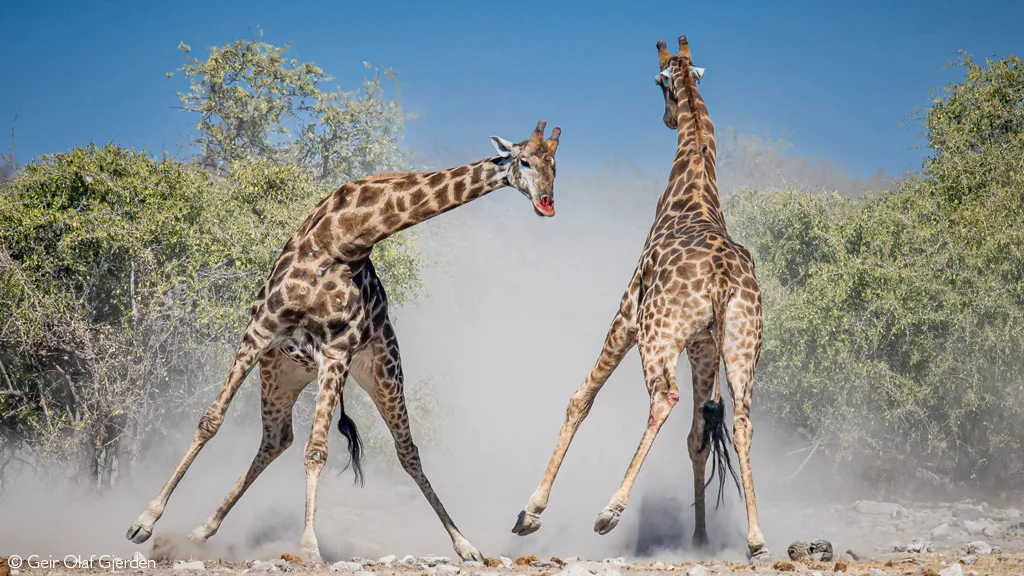
Search for elephants, giraffes, lions, leopards, cheetahs, hyenas, and large herds of plains animals. Birdwatching and landscape photography can also be rewarding throughout the day.
Take time to appreciate the Serengeti beyond individual animal sightings: the changing light, wide horizons, and interactions between predators and grazing animals are all part of the safari experience.
Return to your accommodation for your final evening in the Serengeti region.
Day 10: Serengeti Morning Game Drive and Relaxation
Destination: Serengeti | Overnight: Serengeti
Begin the day with an early morning game drive, when the cool air and golden light create excellent conditions for wildlife observation and photography.
Explore the surrounding plains and woodland in search of animals you may not have seen on previous drives. Your guide may focus on leopard habitats, rocky kopjes, open grassland, or areas where recent sightings have been reported.
Return to camp for breakfast and some time to relax. Depending on the accommodation and your preferences, you can enjoy lunch at camp before heading out for another afternoon game drive.
This additional day is especially valuable for photographers and wildlife enthusiasts because animal movements are unpredictable, and repeated exploration can reveal different behaviors.
Enjoy your evening meal and one last night under the Serengeti sky.
Day 11: Final Serengeti Safari and Journey to Ngorongoro
Destination: Ngorongoro highlands | Overnight: Crater rim or Karatu
Enjoy breakfast before setting out on a final morning game drive in the Serengeti. Take advantage of your remaining time to observe wildlife and capture photographs of the plains.
After the game drive, begin the journey toward the Ngorongoro Conservation Area. Depending on your route, enjoy views of the vast grasslands, volcanic highlands, and changing scenery along the way.
Your guide may arrange wildlife viewing during the transfer where permitted and practical. Because the drive can take several hours, a timely departure is important.
Arrive at your lodge near the crater rim or in Karatu during the afternoon or evening. If you stay near the crater rim, you may enjoy beautiful highland views and cooler temperatures.
Have dinner and rest before the next day’s crater safari.

Day 12: Ngorongoro Crater – A Big Five Safari
Destination: Ngorongoro Crater | Overnight: Karatu or Ngorongoro highlands
Rise early for one of the most memorable experiences of your Tanzania wildlife safari: a guided game drive inside Ngorongoro Crater.
After breakfast, descend to the crater floor, where grasslands, woodland, wetlands, and lake habitats support an impressive variety of wildlife.
Search for lions, elephants, buffaloes, zebras, wildebeest, hyenas, and hippos. The crater is also an important habitat for the endangered black rhino, although sightings are never guaranteed.
Your guide will explain the crater’s ecology and help you observe animals responsibly. The concentration of wildlife in this relatively enclosed landscape makes it a rewarding destination for a full-day safari.
Enjoy a picnic lunch at a designated site, then continue exploring before ascending to the crater rim.
In the late afternoon, return to your lodge in Karatu or the Ngorongoro highlands for dinner and overnight accommodation.

Day 13: Cultural Experience and Return to Arusha
Destination: Arusha | Overnight: Arusha
Enjoy breakfast before beginning your return journey toward Arusha.
If time allows, arrange an optional cultural excursion around Mto wa Mbu or another suitable community along your route. Depending on the experience selected, you may learn about local food, traditional crafts, farming practices, and everyday life in northern Tanzania.
Choose a community-led visit that respects local customs and allows residents to share their culture on their own terms.
Continue to Arusha through scenic countryside, with suitable stops for refreshments or souvenirs if your schedule permits.
Arrive at your hotel, check in, and enjoy your final evening in Tanzania. You can relax, review your safari photographs, and celebrate the experiences of the past two weeks.
Kilimanjaro International Airport (JRO) – Everything You Need to Know- lavish safaris uganda
Day 14: Departure from Tanzania
Destination: Kilimanjaro International Airport or agreed departure point
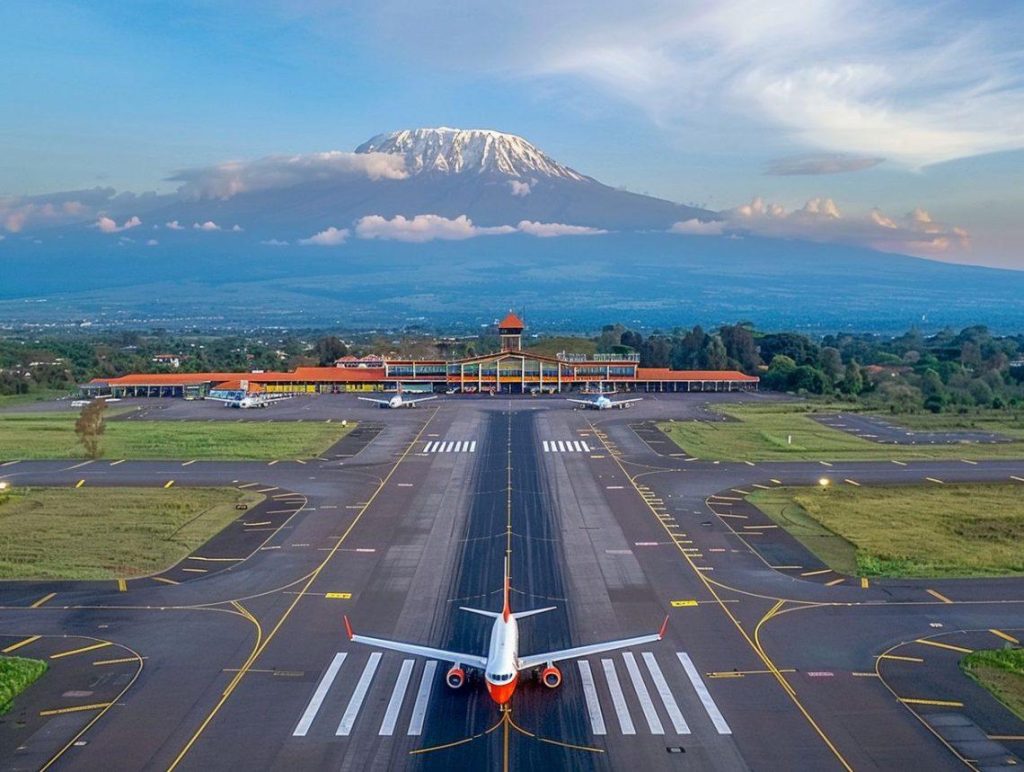
Enjoy breakfast at your hotel, depending on your flight schedule. Your driver will transfer you to Kilimanjaro International Airport or another agreed departure point for your onward journey.
If you have a late flight, a short activity in Arusha may be possible, provided there is enough time for the transfer and airport check-in.
Your 14-day Tanzania wildlife safari concludes with lasting memories of elephants beneath baobab trees, lions across the Serengeti plains, the remarkable Ngorongoro Crater, and the extraordinary wildlife of East Africa.
14-day Tanzania wildlife safari at a glance
| Day | Destination | Main experience | Overnight |
|---|---|---|---|
| 1 | Arusha | Arrival and safari briefing | Arusha |
| 2 | Tarangire | Elephant herds and baobab trees | Tarangire area |
| 3 | Tarangire | Full-day game drives | Tarangire area |
| 4 | Lake Manyara | Forest wildlife and birdwatching | Mto wa Mbu/Karatu |
| 5 | Ngorongoro highlands | Scenic and cultural experiences | Ngorongoro/Karatu |
| 6 | Serengeti | Scenic transfer and game viewing | Central Serengeti |
| 7 | Serengeti | Lions, leopards, and wildlife | Central Serengeti |
| 8 | Serengeti | Great Migration exploration | Serengeti |
| 9 | Serengeti | Extended wildlife exploration | Serengeti |
| 10 | Serengeti | Full-day wildlife photography | Serengeti |
| 11 | Ngorongoro highlands | Morning drive and transfer | Crater rim/Karatu |
| 12 | Ngorongoro Crater | Big Five game drive | Karatu |
| 13 | Arusha | Optional cultural visit and return | Arusha |
| 14 | Departure | Airport transfer | — |
Best time to go on a 14-day Tanzania wildlife safari
Tanzania is a year-round safari destination, but the best time to visit depends on the wildlife you hope to see and the landscapes you want to explore.

June to October: Dry season
This is a popular time for wildlife viewing, particularly in Tarangire, where animals may concentrate near remaining water sources. The northern Serengeti can offer opportunities to search for Great Migration river crossings, depending on herd movements.

January to March: Calving season
Consider focusing on the southern Serengeti and Ndutu region for opportunities to see wildebeest calves and predators. The exact timing and distribution of the herds depend on rainfall and grazing conditions.

November to May: Green season
Expect greener scenery during rainy periods, with rewarding birdwatching and changing wildlife conditions. Some roads may become more challenging after heavy rain, so flexible planning is useful.
The Great Migration is a natural, moving event rather than a fixed attraction. For the best chance of seeing the herds, choose your Serengeti accommodation and route according to your travel dates.
Visit Tanzania+1
What is included in a 14-day Tanzania wildlife safari package?
A typical private safari package may include:
-
Airport transfers at the beginning and end of the trip.
-
A professional English-speaking safari driver-guide.
-
A 4×4 safari vehicle with a pop-up roof.
-
Thirteen nights of accommodation, assuming the trip includes all fourteen days and the final departure day.
-
Meals according to the agreed itinerary.
-
National park entrance fees and applicable conservation fees.
-
Game drives in Tarangire, Lake Manyara, Serengeti, and Ngorongoro.
-
Drinking water during safari activities.
Usually excluded: international flights, visa fees, travel insurance, tips, alcoholic beverages, optional activities, and personal expenses.
Confirm the exact inclusions and accommodation arrangements with your tour operator before booking, as packages differ.
What to pack for your Tanzania safari
-
Lightweight, neutral-colored clothing for game drives.
-
A warm jacket for cool mornings and evenings.
-
Comfortable walking shoes or trainers.
-
A hat, sunglasses, and sunscreen.
-
Binoculars for spotting distant wildlife.
-
A camera, spare batteries, and memory cards.
-
Insect repellent and personal toiletries.
-
Any necessary personal medication and travel documents.
Follow your guide’s instructions at all times, remain at a safe distance from animals, and leave the vehicle only in designated or guide-approved areas.
Book your 14-day Tanzania wildlife safari
A 14-day Tanzania wildlife safari gives you time to experience the country’s iconic northern parks in greater depth. With multiple days in the Serengeti, dedicated time in Tarangire, a visit to Lake Manyara, and a full-day exploration of Ngorongoro Crater, this itinerary offers an excellent balance of wildlife viewing, photography, scenery, and cultural discovery.
The safari can be customized for couples, families, photographers, honeymooners, or small groups, with budget camping, comfortable lodges, or luxury tented camps.
For the best experience, plan your travel dates around your wildlife interests and allow your guide to adapt the route to seasonal conditions.