
The Ultimate Volcano Trekking Adventure in the Democratic Republic of Congo
3-Day Mount Nyiragongo Hike: The Ultimate Volcano Trekking Adventure in the Democratic Republic of Congo Introduction. A 3-day Mount Nyiragongo hike is an extraordinary adventure for travelers who love mountain trekking, dramatic volcanic landscapes, and unforgettable African wilderness experiences. Located in the eastern Democratic Republic of the Congo (DRC), Mount Nyiragongo is one of Africa’s most remarkable active volcanoes, rising approximately 3,470 metres above sea level.
The mountain is famous for its enormous summit crater and its history of spectacular lava lake activity. Its slopes feature dense tropical forests, rugged volcanic terrain, steep trails, and breathtaking views of the surrounding Virunga volcanic region.
A traditional three-day trip allows travelers to arrive in the region, prepare for the demanding ascent, spend a night near the summit, and descend the following morning. The experience combines physical challenge, natural beauty, and the opportunity to learn about the geology of one of Africa’s most fascinating volcanoes.
Important travel notice: Mount Nyiragongo trekking is currently listed as closed until further notice by Virunga National Park. This itinerary describes the traditional trip for planning and informational purposes only. Do not travel to the mountain for a hike unless the park officially confirms that trekking has reopened and the route is safe.

Tour Highlights – 3-Day Mount Nyiragongo Hike
- Explore the remarkable landscapes of the Virunga volcanic region.
- Experience a challenging guided hike on an active volcano.
- Walk through forested slopes and rugged volcanic terrain.
- Enjoy panoramic views of surrounding mountains and valleys when conditions permit.
- Spend a night at the summit accommodation when officially available.
- Learn about volcanic activity, conservation, and the region’s natural history.
- Enjoy sunrise views from the mountain on the traditional descent day.
Day 1: Arrival in Goma and Preparation for the Mount Nyiragongo Hike – 3-Day Mount Nyiragongo Hike
Destination: Goma, eastern Democratic Republic of the Congo
Main activities: Arrival, travel arrangements, safety briefing, and preparation for the trek.
Your three-day Mount Nyiragongo adventure traditionally begins with arrival in Goma, a city located near the northern shore of Lake Kivu in eastern DRC. Goma has historically served as an access point for visitors planning guided excursions into the southern sector of Virunga National Park.
After arrival, travelers would normally meet their tour operator, confirm the necessary permits and documents, and review the schedule for the following day.
Depending on the arrangements, you may have time to explore the surroundings of Goma, enjoy views of Lake Kivu, or relax at your accommodation before the demanding mountain trek.
Prepare for the Climb – 3-Day Mount Nyiragongo Hike
Preparation is essential because the ascent involves steep sections, uneven volcanic ground, and changing weather conditions. The summit can become very cold, with temperatures sometimes approaching or falling below freezing.
During the briefing, the guide or park team would explain the hiking route, expected walking times, equipment requirements, and safety procedures. You should also confirm what meals, drinking water, camping equipment, and porter services are provided.
Take time to check your hiking boots, warm clothing, waterproof layers, gloves, and headlamp. A properly fitted backpack and sufficient drinking water are particularly important.
Because this is a physically demanding mountain experience, travelers should arrive well rested and be prepared for several hours of continuous walking.
Accommodation: Hotel or guesthouse in Goma, subject to travel arrangements.
Meals: Depending on the selected package.

Day 2: Hike Mount Nyiragongo and Overnight at the Summit – 3-Day Mount Nyiragongo Hike
Destination: Mount Nyiragongo, Virunga National Park
Main activities: Guided mountain ascent, forest exploration, volcanic landscapes, and an overnight stay at the summit if authorized and available.
On the traditional trekking day, visitors would begin early and travel with their authorized guides and park personnel to the designated trailhead. Historically, the ascent has started at the Kibati ranger post, at approximately 1,870 metres above sea level.
From the trailhead, the route climbs toward the summit through several different landscapes. The traditional hiking route covers approximately 6.5 kilometres each way, with the ascent commonly taking four to six hours, depending on fitness, weather, and group pace.
Trek Through the Forested Slopes – 3-Day Mount Nyiragongo Hike
The initial part of the hike traditionally passes through forested terrain. This section offers a chance to appreciate the vegetation of the Virunga region while gradually gaining elevation.
The forest provides habitat for various bird species and other wildlife. However, sightings are never guaranteed, and the main focus of the journey is the climb itself.
As you gain altitude, the vegetation and landscape gradually change. The route becomes increasingly rugged, requiring careful footing and a steady pace.
Your guide would normally schedule breaks to allow hikers to rest, drink water, and adjust to the demanding terrain.
Explore the Volcanic Landscape
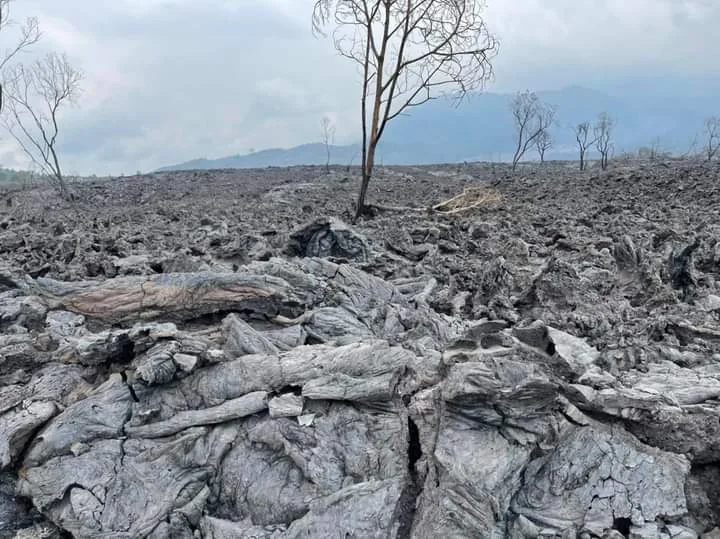
Higher on the mountain, the landscape becomes more dramatic, with exposed volcanic rock, old lava flows, and sections of steep trail.
These geological features illustrate the volcanic forces that have shaped the region over thousands of years. Mount Nyiragongo forms part of the Virunga volcanic chain, an area of major geological and ecological importance.
The higher sections can be physically challenging, especially after several hours of climbing. It is important to remain with the authorized group, follow instructions, and avoid approaching restricted or hazardous areas.
Weather conditions can change rapidly, and rain may make sections of the trail slippery. Taking regular breaks and maintaining a manageable pace can make the experience more comfortable.
Reach the Summit – 3-Day Mount Nyiragongo Hike
Under the traditional itinerary, hikers would arrive at the summit area in the late afternoon, depending on the group’s speed and trail conditions.
At approximately 3,470 metres above sea level, the summit offers impressive views of the surrounding volcanic landscape when visibility is good.
Mount Nyiragongo is widely known for its history of lava lake activity. However, the condition and visibility of the crater, including any visible molten lava, depend on volcanic activity and official safety restrictions. No traveler should assume that a lava lake will be visible or that access to the crater rim is currently permitted.
If summit accommodation is officially available, hikers would spend the night in the designated facilities. The experience traditionally includes resting after the climb, enjoying dinner, and observing the dramatic mountain environment.
Nighttime temperatures can be very low, so adequate insulation and suitable sleeping equipment are essential.
Accommodation: Designated summit accommodation, only when trekking is officially open and facilities are available.
Meals: As specified by the authorized tour operator.
Day 3: Sunrise Views, Descent, and Departure – 3-Day Mount Nyiragongo Hike
Destination: Mount Nyiragongo to the designated trailhead and onward to Goma
Main activities: Early-morning views, mountain descent, and return transfer.
On the final day of the traditional itinerary, hikers would wake early to enjoy the morning atmosphere at the summit.
When weather and visibility permit, the surrounding mountains and valleys can provide spectacular views at sunrise. The changing light creates excellent opportunities for landscape photography.
Before beginning the descent, hikers would prepare their equipment, eat breakfast if provided, and follow the guide’s instructions.

Descend Mount Nyiragongo
The descent follows the authorized trail back toward the ranger post. Historically, this part of the hike has taken around four hours, although the actual duration varies according to trail conditions, group fitness, and weather.
Descending a volcano can place considerable strain on the knees and ankles. Good hiking boots, careful foot placement, and walking at a controlled pace are important.
The return journey provides another opportunity to appreciate the mountain’s changing landscapes. As hikers lose altitude, the air generally becomes warmer and the terrain transitions toward the lower forested slopes.
Once the group reaches the designated trailhead, the traditional arrangement includes a transfer back to Goma.
Depending on transport schedules and border arrangements, travelers may continue with their onward journey or spend an additional night in the area.
Accommodation: Not included unless an additional night is arranged.
Meals: Breakfast and other meals according to the selected package.
Best Time to Plan a Mount Nyiragongo Hike – 3-Day Mount Nyiragongo Hike
Mount Nyiragongo has historically been climbed during different seasons, but the suitability of any travel date depends on official access, volcanic conditions, weather, and regional security.
The relatively drier months, particularly June to September, have traditionally been attractive for mountain trekking because trails may be less muddy and visibility can be favorable. January and February may also offer suitable conditions in some years.
The rainy periods, often including March to May and parts of October and November, can bring wet trails, cloud cover, and more challenging hiking conditions.
However, seasonal weather is only one consideration. The official reopening of the trek and current safety assessments must take priority over any seasonal recommendation.
How Difficult Is the Mount Nyiragongo Hike?
The Mount Nyiragongo trek is generally considered strenuous. The trail climbs from approximately 1,870 metres to 3,470 metres, involving a substantial elevation gain over a relatively short distance.
The main challenges include:
- Steep and uneven terrain.
- Long periods of uphill walking.
- Loose volcanic rock and potentially slippery trails.
- Cold temperatures and strong winds near the summit.
- Physical fatigue associated with altitude and sustained exertion.
Travelers should have a reasonable level of cardiovascular fitness and experience with long walks or mountain hikes. Anyone with concerns about their ability to manage strenuous exercise or high altitude should seek medical advice before undertaking a future authorized trek.
Allowing enough time for breaks, drinking water regularly, and wearing appropriate equipment can help make the climb more manageable.

What to Pack for a 3-Day Mount Nyiragongo Hike – 3-Day Mount Nyiragongo Hike
Packing appropriately is essential for comfort and safety on a high-altitude volcano.
Clothing
- Moisture-wicking hiking shirts.
- Warm insulating layers.
- A waterproof and wind-resistant jacket.
- Long hiking trousers.
- Warm socks and spare dry pairs.
- Gloves, a warm hat, and other suitable cold-weather accessories.
Hiking equipment
- Sturdy hiking boots with good grip.
- A comfortable backpack.
- A headlamp with spare batteries.
- Trekking poles, if preferred.
- A sleeping bag and sleeping equipment appropriate for summit temperatures, if not supplied.
- A reusable water bottle or hydration system.
Personal essentials
- Sunscreen and sunglasses.
- Personal medication and a basic first-aid kit.
- Snacks and any food not supplied by the operator.
- Camera or smartphone.
- Travel documents and copies of relevant permits.
- Travel insurance that explicitly covers the planned activity and emergency evacuation.
Confirm the exact equipment list with the authorized operator before departure. Water, food, cooking supplies, and other necessities have historically needed to be carried up the mountain, so porter services and equipment arrangements should be clarified in advance.
What Is Included in a Mount Nyiragongo Hiking Package? – 3-Day Mount Nyiragongo Hike
In the past, guided packages have commonly included some combination of:
- An authorized volcano trekking permit.
- Transport to and from the designated trailhead.
- Park personnel and trekking guidance.
- One night at the summit, where available.
- Meals and drinking water, depending on the package.
- Porter services or equipment rental when separately arranged.
Always request a written quotation explaining exactly what is included.
Possible Additional Costs
Depending on the package, travelers may need to budget separately for:
- Accommodation in Goma.
- International transport and applicable visa fees.
- Porter services.
- Hiking equipment rental.
- Meals and drinking water not included in the package.
- Tips and personal expenses.
- Travel insurance and emergency medical evacuation cover.
Do not make non-refundable bookings based on an old price list or a previous trekking schedule. Confirm current arrangements directly with the park.
Safety Considerations Before Traveling – 3-Day Mount Nyiragongo Hike
Mount Nyiragongo is an active volcano, and the wider region of eastern DRC has experienced significant security challenges. Both volcanic hazards and regional security conditions must be taken seriously.
Before planning a trip:
- Check the official Virunga National Park tourism website for the latest trekking status.
- Review your government’s current travel advice for eastern DRC.
- Confirm whether the park has authorized visitor access and transport arrangements.
- Ensure that your travel insurance covers volcanic trekking, medical expenses, evacuation, and travel disruption.
- Follow instructions from park personnel and never attempt to climb independently or enter restricted areas.
The Smithsonian Institution’s Global Volcanism Program documents Nyiragongo’s history of eruptions and lava activity, emphasizing why current volcanic information is essential before any future visit.
Conclusion
A 3-day Mount Nyiragongo hiking adventure is traditionally an unforgettable journey through one of Africa’s most dramatic volcanic landscapes. The combination of forest trails, rugged lava terrain, a challenging ascent, and panoramic summit views makes it a distinctive experience for adventurous travelers.
A carefully planned trip provides time to prepare, undertake the climb, spend a night near the summit, and descend the following morning.
Although this itinerary explains the traditional experience in detail, Mount Nyiragongo trekking is currently listed as closed until further notice. Travelers should wait for official confirmation of reopening and favorable security and volcanic assessments before making plans to hike.
When the trek is officially available again, responsible preparation and an authorized guide will be essential to experiencing this remarkable part of the Democratic Republic of the Co