
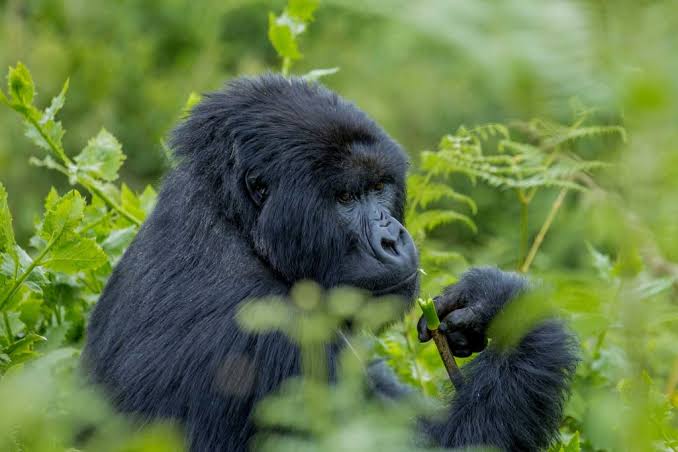
Gorilla and Chimpanzee Safaris. Uganda, often called the Pearl of Africa, is one of the best places on Earth to encounter both mountain gorillas and chimpanzees in the wild. Few destinations offer such intimate, well-managed access to these two closely related great apes. With roughly half of the world’s remaining mountain gorillas living in its forests and the highest density of chimpanzees in East Africa, Uganda delivers unforgettable primate experiences that feel both thrilling and deeply respectful of the animals.
This guide covers everything you need to know: where to go, what the treks are really like, costs, best times, practical tips, and how to combine both experiences into one seamless trip.
Why Uganda Stands Out for Primate Safaris
Uganda offers several clear advantages:
- Mountain gorilla permits are significantly more affordable than in Rwanda (roughly half the price for a comparable one-hour encounter).
- Multiple trekking sectors and a large number of habituated gorilla families mean better availability.
- Kibale Forest National Park is widely regarded as the “Primate Capital of the World,” home to more than 1,500 chimpanzees plus 12 other primate species.
- Excellent infrastructure of lodges, experienced ranger-guides, and well-organized logistics make the experience accessible to a wide range of travelers.
The combination of dense rainforest, volcanic landscapes, and strong conservation efforts creates a setting that feels wild yet carefully managed.
Mountain Gorilla Trekking: The Main Event
The two places to track mountain gorillas in Uganda are Bwindi Impenetrable National Park and Mgahinga Gorilla National Park.
Bwindi Impenetrable National Park is the primary destination. This ancient rainforest covers steep, misty hills and is home to the majority of Uganda’s mountain gorillas. It is divided into four main trekking sectors:
- Buhoma – Often considered the most accessible and scenic, with a good range of lodges.
- Ruhija – Higher elevation and slightly more remote.
- Rushaga – Known for having several families and offering the rare Gorilla Habituation Experience.
- Nkuringo – Dramatic views and more physically demanding terrain.
Mgahinga Gorilla National Park, part of the Virunga volcanic chain on the borders with Rwanda and the Democratic Republic of Congo, is smaller and more intimate. It usually has only one habituated family and issues far fewer permits each day, resulting in a quieter experience. Golden monkeys can also be tracked here.
What a Gorilla Trek Actually Feels Like
You start early at the park headquarters for a briefing. Rangers assign groups (maximum eight visitors per gorilla family) based on fitness levels and the location of the groups that day. Trackers have already been in the forest locating the gorillas.
The hike can last anywhere from 30 minutes to six or more hours, depending on where the family has moved. Terrain is often steep, muddy, and rooted. Once the family is reached, you spend a carefully timed one hour observing them from a respectful distance (usually about 7 meters). Watching a silverback rest, juveniles play, or a mother gently groom her infant is profoundly moving. Photography is allowed without flash.
A more immersive option is the Gorilla Habituation Experience (available mainly in Rushaga), which allows up to four hours with a semi-habituated group for a higher permit fee.
Chimpanzee Tracking: Fast, Noisy, and Fascinating
While gorillas are calm and imposing, chimpanzees are energetic, vocal, and highly social. The premier location is Kibale National Park, a lush tropical forest near Fort Portal.
Kibale holds the highest density of chimpanzees in East Africa. Habituated communities make sightings very reliable (often above 90–95%). Treks usually start with a briefing at Kanyanchu Visitor Centre. You walk through dense undergrowth listening for calls, then spend about one hour observing the group once located. Chimps may be feeding high in the canopy, resting on the ground, grooming, or displaying.
For a deeper experience, the Chimpanzee Habituation Experience lets you spend several hours (sometimes half a day or more) with researchers and a group still being habituated.
Other chimpanzee options exist at Kyambura Gorge (Queen Elizabeth National Park), Budongo Forest, and Kalinzu Forest. These are often shorter or less expensive but generally have lower success rates or smaller populations than Kibale.
Combining Gorillas and Chimps: Ideal Itineraries
A classic and highly recommended combination is a 5- to 7-day trip:
- Drive or fly from Entebbe/Kampala to Kibale for chimpanzee tracking (often paired with a Bigodi Wetland walk for extra primates and birds).
- Continue south to Bwindi for gorilla trekking.
- Optional extensions: Queen Elizabeth National Park for tree-climbing lions and boat safaris, or Mgahinga for a second gorilla trek and golden monkeys.
This route flows logically through southwestern Uganda and gives a rich sense of the country’s landscapes.
Best Time to Visit
Gorilla and chimpanzee tracking are possible year-round because the forests remain productive. Conditions vary significantly by season, however:
- Dry seasons (June–September and December–February): Firmer trails, easier hiking, and peak demand. These months are ideal for first-time trekkers and those combining with savannah game viewing.
- Wet seasons (March–May and October–November): Muddy and more physically demanding trails, but fewer visitors, lush scenery, and sometimes discounted gorilla permits (historically offered in April, May, and November). Photography can be excellent in the soft light and green forest.
Many experienced travelers prefer the shoulder periods for a quieter, more intimate experience.
Costs and Booking Essentials – Gorilla and Chimpanzee Safaris
Permits are the largest single expense and must be secured first:
- Gorilla trekking (standard one-hour): Approximately $800 for foreign non-residents in high season (with lower rates sometimes available in specific low-season months). Foreign residents and East African citizens pay less. Habituation experiences cost significantly more.
- Chimpanzee tracking in Kibale: Typically $200–$250 for the standard experience; habituation is higher.
Permits are limited and date-specific. Book 3–6 months ahead for high season (and up to 12 months for popular dates). Full payment is usually required at booking.
A mid-range 5-day gorilla + chimp safari often falls in the $2,000–$3,500 per person range (excluding international flights), depending on accommodation level, group size, and transport choices. Budget options exist by sharing vehicles and choosing simpler lodges; luxury versions with high-end properties and private arrangements cost more.
Practical Tips for a Successful Trek – Gorilla and Chimpanzee Safaris
Fitness and Age: Moderate fitness is required. Expect uneven, sometimes steep and slippery ground. Minimum age is usually 15 years for both gorilla and chimpanzee trekking.
What to Wear and Pack:
- Sturdy waterproof hiking boots with good grip
- Long trousers and long-sleeved shirts (protection from nettles, thorns, and insects)
- Lightweight rain jacket or poncho
- Gaiters (highly recommended against mud and safari ants)
- Gardening gloves for grabbing vegetation
- Insect repellent, water bottle, and a small daypack
- Camera with good low-light capability (no flash)
Health Considerations:
- Yellow fever vaccination is required for entry into Uganda.
- Malaria prophylaxis is strongly advised.
- Do not trek if you have cold or flu symptoms — great apes are highly susceptible to human respiratory illnesses.
On the Trail:
- Listen carefully to your ranger-guide.
- Maintain the recommended distance.
- Stay quiet and move slowly.
- Porters are available and recommended; hiring one also supports local communities.
Conservation: Your Visit Makes a Difference – Gorilla and Chimpanzee Safaris
Permit fees form a major funding source for park protection, anti-poaching efforts, ranger salaries, and community projects around the parks. Tourism has been one of the key factors helping mountain gorilla numbers recover from the brink. Responsible visitors who follow the rules, book through ethical operators, and support community tourism contribute directly to the long-term survival of these animals and the forests they depend on.
Final Thoughts – Gorilla and Chimpanzee Safaris
Best Safari Holidays. Standing a few meters from a mountain gorilla family or watching a chimpanzee community move through the canopy are experiences that stay with people for life. Uganda makes these encounters accessible, well-organized, and deeply rewarding when approached with preparation and respect.
Plan early, choose the season that matches your priorities (ease versus solitude and value), pack properly, and go with an open mind. The forests of Bwindi and Kibale will do the rest.
Whether you have five days or two weeks, a gorilla and chimpanzee safari in Uganda ranks among the most meaningful wildlife experiences available anywhere on the planet.