
Saadani National Park. Saadani National Park is one of Tanzania’s most unique wildlife destinations, offering an extraordinary combination of African wilderness, tropical beaches, coastal forests, and river ecosystems. Unlike many national parks that focus primarily on wildlife viewing, Saadani allows visitors to experience a traditional African safari and the beauty of the Indian Ocean in one destination.
Located along Tanzania’s northern coast, Saadani is particularly appealing to travelers who want to explore wildlife while enjoying peaceful beaches and scenic coastal landscapes. Here, elephants may be seen wandering through woodland, giraffes browse on trees, and hippos gather in the waters of the Wami River. At the same time, the nearby coastline provides opportunities to relax by the ocean and learn about marine conservation.
Whether you are planning a wildlife adventure, a relaxing coastal holiday, or a combination of both, Saadani National Park offers an experience that is different from the more famous safari destinations in northern Tanzania.

Saadani National Park is situated along the Indian Ocean coast of Tanzania, between the regions surrounding Tanga and Dar es Salaam. Its coastal location makes it different from many other national parks in the country, which are found farther inland.
The park lies within a landscape of open grasslands, coastal forests, mangroves, wetlands, and river systems. These different habitats support a variety of wildlife and bird species, creating an interesting environment for nature lovers.
Saadani’s location also makes it attractive to travelers who want to combine a safari with a beach holiday. Depending on the itinerary, visitors can explore the park’s wildlife areas and then spend time enjoying the ocean and the peaceful atmosphere of Tanzania’s coastline.
One of Saadani’s greatest attractions is its diverse scenery. The park combines landscapes that are rarely found together in a single protected area.
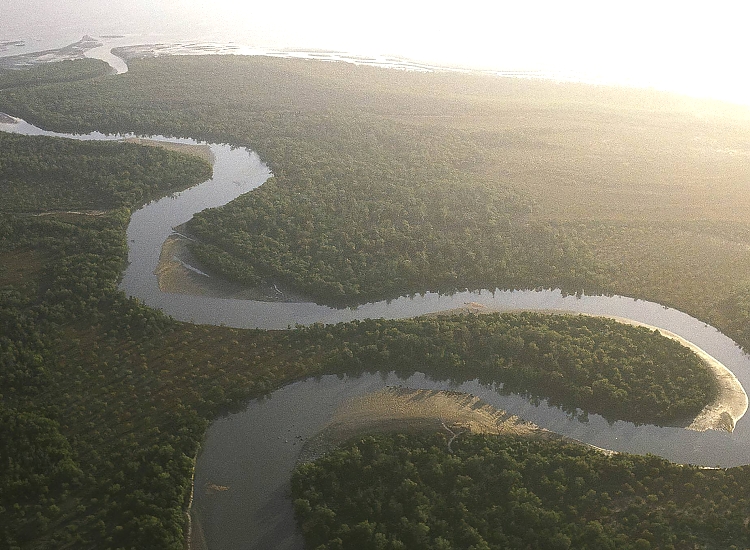
Visitors can explore open savannahs dotted with trees, dense coastal vegetation, seasonal wetlands, and beautiful stretches of sandy shoreline. The Wami River adds another layer of natural beauty, flowing through a landscape that supports aquatic wildlife and numerous bird species.
The scenery changes throughout the park, making every excursion interesting. One moment, visitors may be driving across open grassland in search of giraffes or buffaloes. Later, they may be watching birds along a riverbank or enjoying the ocean breeze near the beach.
This combination of habitats gives Saadani a distinctive atmosphere and makes it an excellent destination for travelers who appreciate both wildlife and coastal scenery.
Saadani National Park supports a variety of wildlife species, making it an appealing destination for visitors interested in African animals. Although wildlife sightings can vary depending on the season, weather, and location, the park offers opportunities to observe animals in their natural habitats.
Elephants are among the most impressive animals that visitors may encounter in Saadani. These large mammals move through woodland and grassland in search of food and water.
Watching elephants in their natural surroundings can be a memorable experience, particularly when they are feeding, walking in family groups, or interacting near water sources.
Giraffes are another notable feature of the park. Their long necks and distinctive markings make them easy to recognize when they appear among the trees or across open grassland.
Visitors may see giraffes browsing on leaves, moving between feeding areas, or standing quietly against the coastal landscape.
African buffaloes are powerful animals that often gather in herds. They can be seen grazing in grassland areas or resting in places where food and water are available.
Observing buffaloes from a safari vehicle provides an opportunity to appreciate their size, social behavior, and importance within the ecosystem.
Zebras and several types of antelope contribute to the park’s wildlife diversity. Zebras are particularly striking because of their black-and-white stripes, while antelopes can often be seen grazing or moving through the vegetation.
Depending on the area visited, travelers may also encounter waterbucks and other grazing mammals. These animals are important parts of the food chain and help maintain the balance of the ecosystem.
Warthogs are another animal that visitors may encounter during a game drive. They are often seen feeding on the ground or moving through open areas.
The park also supports monkeys and other smaller mammals that inhabit its forests and woodland habitats. Although these animals may be less noticeable than elephants or giraffes, they add to the overall richness of the wildlife experience.
The Wami River is one of the best places in Saadani to look for aquatic wildlife. Hippos spend much of their time in the water, while crocodiles may be seen resting along the riverbanks.
These animals are fascinating to observe, but visitors should always maintain a safe distance and follow the instructions of their guides.

Saadani is an excellent destination for bird enthusiasts because its varied habitats attract a wide range of bird species.
Birds can be observed along the river, in wetlands, among coastal trees, and around the grasslands. The park’s proximity to the Indian Ocean also makes its coastal environment particularly interesting for birdwatching.
Visitors may encounter kingfishers, herons, egrets, fish eagles, and other water-associated birds, alongside species that inhabit woodland and open country.
Early mornings are often rewarding for birdwatching because many birds are active during the cooler hours. Travelers interested in photography should bring binoculars and a camera with a suitable zoom lens.
A guided birdwatching excursion can help visitors identify different species and understand their feeding habits, calls, and ecological roles.
The Wami River is one of Saadani National Park’s most memorable natural attractions. Its waters and surrounding vegetation provide important habitats for hippos, crocodiles, and numerous bird species.
A boat safari along the river offers a different perspective from a traditional game drive. Instead of viewing wildlife from a vehicle on land, visitors can explore the river while observing animals and birds along the banks.
The experience is particularly enjoyable for photographers and nature lovers who want to appreciate the quieter side of the park.
As the boat moves through the river, visitors may see birds searching for fish, crocodiles resting near the water’s edge, and hippos emerging from the water. The surrounding vegetation also provides beautiful scenery for photographs.
Boat excursions should always be arranged through authorized operators, and visitors should follow all safety instructions because the river contains potentially dangerous wildlife.
One of Saadani’s most distinctive features is its coastal setting. The park brings together wildlife viewing and access to the Indian Ocean, making it different from many inland safari destinations.
The beaches offer opportunities to enjoy the sea breeze, admire coastal scenery, and relax after a game drive. Visitors who prefer a slower pace can spend time appreciating the natural surroundings rather than following a busy sightseeing schedule.
The coastline is also important for marine conservation. Sea turtles nest on parts of the Tanzanian coast, including areas associated with Saadani. Nesting activity depends on the species, location, and season, so visitors should seek current information from local conservation teams before planning a turtle-focused experience.
When turtle nesting or hatchling activity is observed, visitors should avoid disturbing the animals, shining unnecessary lights on them, or leaving litter on the beach.
It is important to remember that Saadani’s beaches are part of a protected natural environment. Visitors should follow park regulations and avoid activities that could harm wildlife or coastal habitats.
Saadani offers several activities that allow visitors to experience its wildlife, scenery, and coastal environment.
Game drives are one of the main activities in the park. They provide opportunities to search for elephants, giraffes, buffaloes, zebras, antelopes, and other animals.
A knowledgeable guide can help visitors identify wildlife, explain animal behavior, and select suitable routes according to the conditions.
Morning and late-afternoon drives are often comfortable because temperatures are generally cooler than during the middle of the day. Wildlife sightings, however, are never guaranteed.
Boat safaris on the Wami River offer opportunities to observe hippos, crocodiles, and waterbirds. They also allow visitors to appreciate the river’s vegetation and peaceful surroundings.
This activity is particularly suitable for travelers who enjoy photography and observing wildlife from a different perspective.
Birdwatching is an enjoyable way to explore Saadani’s varied ecosystems. The riverbanks, wetlands, coastal forests, and grasslands each attract different types of birds.
Visitors can join a guided excursion or look for birds during game drives and other nature activities.
The Indian Ocean coastline provides a relaxing contrast to the excitement of wildlife viewing. Depending on local rules and the arrangements available at their accommodation, visitors can spend time enjoying the beach, taking photographs, or simply appreciating the natural surroundings.
Saadani offers opportunities to learn about the relationship between wildlife, coastal ecosystems, and local communities. Visitors may gain a better understanding of the importance of protecting forests, rivers, beaches, and marine habitats.
Any organized conservation activity should be arranged with authorized park staff or recognized local organizations.
The wider Saadani area has a history connected to coastal trade, fishing, farming, and Swahili culture. Depending on availability, visitors may arrange respectful cultural experiences that introduce them to local traditions and ways of life.
Travelers should seek permission before photographing people and should follow local guidance when visiting villages or community sites.
Saadani can be visited throughout much of the year, but the best time depends on your interests, preferred weather, and travel plans.
The generally drier months are often a good choice for wildlife viewing. Vegetation may be less dense in some areas, and animals can be easier to spot around available water sources.
These months are also suitable for combining game drives with time along the coast. However, weather and wildlife conditions can vary from year to year.
This period can offer warm coastal conditions and attractive green scenery following seasonal rains. It may appeal to visitors who enjoy photography, birdwatching, and a combination of nature and beach experiences.
Short rains may occur during part of this period, so travelers should check local forecasts before departure.
The long rains can bring lush vegetation and beautiful scenery, but heavy rainfall may affect road conditions and access to some parts of the park.
Travelers visiting during this season should confirm transport arrangements, park access, and accommodation availability in advance.
Travel tip: If wildlife viewing is your main priority, the drier months are often a practical choice. If you prefer greener landscapes and fewer crowds, consider traveling outside the busiest periods after checking current weather and road conditions.

Saadani can be reached by road, and travel arrangements depend on your starting point, accommodation, and chosen park entrance.
Visitors traveling from Dar es Salaam can arrange a road transfer to the Saadani area. Journey time varies according to the route, road conditions, traffic, and final destination within or near the park.
It is advisable to use an experienced safari operator familiar with the area, especially if your itinerary includes game drives or a boat safari.
Tanga is another possible starting point for travelers visiting Saadani. Road access and journey times depend on the route and current conditions, so transfers should be confirmed before travel.
Depending on the season and available services, charter flights or other organized air connections may be possible. Travelers should confirm the current availability of flights, permitted landing arrangements, and transfers to their lodge before making reservations.
Because road conditions can change, particularly during rainy periods, it is wise to arrange transport with an operator who can provide up-to-date advice.
Accommodation options in the Saadani area range from safari lodges and tented camps to simpler guesthouses and coastal stays in surrounding communities.
The best choice depends on your budget, preferred comfort level, and the kind of experience you want.
Safari lodges and tented camps are suitable for visitors who want to focus on wildlife and nature. Depending on the property, facilities may include meals, guided game drives, organized excursions, and opportunities to enjoy the surrounding wilderness.
Some properties offer a more luxurious experience, while others focus on simple, comfortable accommodation.
Travelers who want to enjoy the Indian Ocean can consider accommodation near the coastline. These options may provide a relaxed atmosphere and convenient access to coastal scenery.
Before booking, confirm the exact location, available activities, meal arrangements, transport services, and whether park fees or excursions are included in the price.
More affordable options may be available in nearby communities. These can suit independent travelers or visitors who prefer simple facilities.
However, staying farther from the park may increase transport time and costs. Compare the total cost of accommodation and transfers before choosing.
Saadani is not only a wildlife destination. The wider coastal region also has cultural and historical importance.
Communities in the area have long depended on activities such as fishing, farming, and trade. Swahili culture has shaped many aspects of coastal life, including food, language, architecture, and social traditions.
The region’s history also reflects the importance of the East African coast in Indian Ocean trade networks. These connections helped shape cultural exchanges between coastal communities and people from other parts of Africa and beyond.
Visitors can gain a deeper appreciation of Saadani by learning about the people who live in the surrounding area and how their livelihoods relate to the natural environment.
Responsible tourism can help support local businesses and encourage conservation while allowing visitors to experience the region respectfully.
Protecting Saadani’s diverse ecosystems requires ongoing conservation efforts. Wildlife habitats, coastal forests, rivers, and beaches all face pressures that can affect the health of the environment.
Human-wildlife conflict can arise when animals move near farms or settlements. Habitat disturbance, unsustainable resource use, marine pollution, and other environmental pressures can also create challenges.
Coastal habitats require particular attention because they support both terrestrial and marine life. Protecting turtle nesting areas, maintaining clean beaches, and safeguarding mangroves and river ecosystems are important parts of conserving the wider landscape.
Visitors can contribute by following park regulations, avoiding litter, respecting wildlife, and choosing responsible tourism providers. Supporting local businesses that value conservation can also help create benefits for surrounding communities.
A little preparation can make your visit more comfortable and enjoyable.
A three-day visit can provide a balanced introduction to Saadani’s wildlife, river, and coastal scenery. The schedule below is a suggestion and should be adjusted according to accommodation location, transport arrangements, weather, and activity availability.
Arrive in the Saadani area and check in at your accommodation. After settling in, take a game drive to explore the park’s grasslands and woodland habitats.
Keep an eye out for elephants, giraffes, buffaloes, zebras, and antelopes. Your guide can explain the landscape and help identify animals along the way.
Return to your accommodation in the evening and enjoy dinner while preparing for the following day’s activities.
Begin the day with a boat safari on the Wami River, subject to availability and local conditions. Look for hippos, crocodiles, and waterbirds while enjoying the scenery along the riverbanks.
After the excursion, continue with a game drive or another guided nature activity. The afternoon can be spent exploring additional habitats or enjoying a quiet period at your lodge.
Spend part of the morning enjoying the coastal scenery or learning about conservation activities available in the area.
Depending on your schedule, you may take a short nature excursion before departing for your next destination.
This itinerary combines several of Saadani’s main attractions without requiring an excessively busy schedule.
Saadani is an appealing destination for a wide range of travelers.
Wildlife enthusiasts can enjoy game drives and opportunities to observe animals in their natural habitats.
Birdwatchers and photographers can explore the river, wetlands, grasslands, and coastal vegetation in search of interesting species and scenery.
Couples may appreciate the combination of peaceful coastal surroundings and wildlife experiences.
Families may enjoy the variety of activities, provided that excursions and accommodation are suitable for the ages and needs of their children.
Nature lovers can learn about the relationship between terrestrial wildlife, rivers, forests, beaches, and marine ecosystems.
Travelers seeking something different may find Saadani especially rewarding because it offers a coastal safari experience that differs from the better-known inland parks.
Saadani stands out because it combines several experiences in one destination. Visitors can enjoy wildlife viewing, explore the Wami River, observe birds, and relax along the Indian Ocean coastline.
Its varied habitats create opportunities to appreciate different aspects of nature, while the surrounding communities and coastal history add cultural depth to the visit.
Although wildlife sightings may be less predictable than in some of Tanzania’s more famous safari destinations, Saadani offers a distinctive atmosphere for travelers who value variety, scenery, and a quieter coastal experience.
It is particularly suitable for visitors who want to combine a safari with time by the sea rather than choosing between the two.
Saadani National Park is a remarkable destination where Tanzania’s wildlife and coastal environments come together. Its grasslands, forests, river systems, and Indian Ocean beaches provide a diverse setting for exploring nature.
From watching elephants and giraffes during a game drive to observing hippos and birds along the Wami River, visitors can enjoy a range of experiences in a relatively compact area. The nearby coastline adds another dimension to the adventure, offering opportunities for relaxation and an introduction to marine conservation.
With suitable planning, responsible guiding, and enough time to explore its different habitats, Saadani can become a memorable part of a Tanzanian holiday.
For travelers seeking a safari that combines wildlife, rivers, coastal scenery, and local culture, Saadani National Park is well worth considering.