
Mwanza. Mwanza is one of the most fascinating cities in Tanzania, famous for its impressive granite rock formations, beautiful Lake Victoria scenery, vibrant markets, and rich cultural heritage. Located in the northwestern part of the country, Mwanza is an important commercial center and one of the largest urban areas in Tanzania.
Often called the Rock City, Mwanza is known for its enormous granite boulders that rise dramatically above residential neighborhoods, roads, and surrounding landscapes. These distinctive rock formations give the city a unique appearance and make it one of the most recognizable destinations along the shores of Lake Victoria.
Beyond its striking scenery, Mwanza offers a combination of urban experiences, lakeside relaxation, cultural attractions, and access to some of Tanzania’s most important wildlife destinations. Visitors can explore local markets, enjoy fresh fish, discover traditional fishing communities, admire sunsets over the lake, and experience the welcoming atmosphere of northwestern Tanzania.
Mwanza is also an important gateway for travelers visiting Serengeti National Park, particularly the western and northern parts of the wider Serengeti ecosystem. This makes it an excellent destination for visitors who want to combine a city experience with a wildlife safari.
Whether you are planning a short city break, a cultural holiday, a business trip, or a longer adventure around Lake Victoria, Mwanza offers plenty of opportunities to discover a different side of Tanzania.
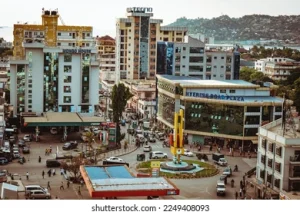
Mwanza is located in northwestern Tanzania, on the southern shores of Lake Victoria. It serves as the administrative headquarters of the Mwanza Region and is an important center for commerce, transportation, fishing, and regional trade.
The city lies within the Lake Victoria Basin, an area shared by Tanzania, Uganda, and Kenya. Its location makes it an important connection point between communities around the lake and other parts of East Africa.
Mwanza is surrounded by rocky hills, islands, bays, and stretches of shoreline. The lake dominates much of the surrounding landscape, creating attractive views and supporting important economic activities.
The city is also connected to other parts of Tanzania through road, rail, air, and lake transport networks. These connections make it a practical base for travelers exploring the Lake Victoria region or planning safaris in northern Tanzania.
One of Mwanza’s most distinctive characteristics is its unusual rocky landscape. Large granite boulders are scattered across the city and surrounding hills, creating a dramatic mixture of natural formations and urban development.
These rocks are part of the ancient geological landscape of the region. Over long periods, weathering and erosion have shaped the granite into rounded boulders and impressive outcrops.
Some formations appear balanced on top of one another, while others rise above homes, roads, and vegetation. This unusual scenery is one of the main reasons Mwanza is popularly known as the Rock City.
The rocks are not merely decorative features. They influence the city’s appearance, create elevated viewpoints, and provide interesting subjects for photography.
Visitors can explore suitable rocky viewpoints with local guidance, but they should exercise caution because some surfaces are steep, uneven, or slippery after rain.
Lake Victoria is one of the most important natural features of Mwanza. As Africa’s largest lake by surface area, it supports millions of people through fishing, transportation, agriculture, trade, and tourism.
For Mwanza, the lake is both a scenic attraction and an essential source of livelihood.
The lake provides Mwanza with a peaceful atmosphere that contrasts with the activity of its commercial streets and markets.
Along suitable sections of the shoreline, visitors can enjoy open-water views, watch fishing boats, observe daily lakeside activities, and appreciate the changing colors of the water.
Sunrise and sunset can be particularly beautiful, as the light reflects across the lake and illuminates the surrounding islands and rocky shoreline.
Travelers interested in photography will find many opportunities to capture the relationship between the city, the water, and the surrounding granite formations.
Fishing is one of the major economic activities around Mwanza. Lake Victoria supports commercial and small-scale fishing, supplying fish to local markets and processing businesses.
Nile perch and Nile tilapia are among the economically important fish associated with the lake’s fisheries.
Visitors may see fishermen preparing their boats, sorting catches, repairing nets, or transporting fish to markets. These activities provide insight into the economic and cultural importance of the lake.
Fishing communities have developed knowledge and traditions closely connected to the water. However, the lake also faces environmental pressures, including pollution, overfishing, and habitat degradation. Responsible tourism can help visitors appreciate both its economic value and the importance of protecting its ecosystems.
Boat excursions may be available through local operators, depending on the season, location, and weather conditions.
A guided boat trip can provide a different perspective of Mwanza’s rocky shoreline, nearby islands, and fishing communities.
Before booking, travelers should confirm the route, duration, cost, safety arrangements, and whether life jackets are provided. Conditions on Lake Victoria can change, so trips should be undertaken with reputable operators.
Mwanza has several attractions that showcase its natural beauty, cultural identity, and connection to Lake Victoria.
Bismarck Rock is one of Mwanza’s best-known landmarks. The striking granite formation rises from the waters of Lake Victoria near the city, making it an instantly recognizable feature of the Mwanza waterfront.
Its unusual shape and position have made it a popular subject for photographs and a symbol of the city.
Visitors can admire the rock from suitable lakeside viewpoints and capture photographs of the formation against the water.
Bismarck Rock is especially attractive when the light is soft, such as in the early morning or late afternoon. Travelers should follow local safety advice and avoid attempting to climb unstable rocks or enter restricted areas.
Capri Point is a well-known area of Mwanza associated with attractive views of Lake Victoria.
Its elevated setting provides opportunities to appreciate the lake’s broad surface, rocky shoreline, and surrounding neighborhoods.
The area is suitable for travelers looking for peaceful viewpoints and scenic photography. Depending on where you visit, you may also find places to relax and enjoy the surrounding landscape.
Because access and facilities can vary, it is advisable to confirm directions and local arrangements before visiting.
Saanane Island National Park is one of Mwanza’s most distinctive attractions. Located in Lake Victoria close to the city, it is Tanzania’s smallest national park by area and offers an accessible nature experience for visitors staying in Mwanza.
The island provides opportunities to explore rocky landscapes, observe wildlife, and enjoy views of Lake Victoria.
Animals associated with the park include impalas, zebras, rock hyraxes, and other species, although sightings depend on conditions and animal movements. The park is also of interest to birdwatchers.
Visitors can enjoy guided walks and other permitted activities while learning about the island’s wildlife and conservation importance.
Because the park is close to the city, it can be a convenient addition to a Mwanza itinerary without requiring a long road journey.
Travelers should check current park regulations, entry fees, opening arrangements, and available activities with the Tanzania National Parks Authority before visiting.
The Sukuma Museum at Bujora offers visitors an opportunity to learn about the culture and traditions of the Sukuma people, one of Tanzania’s largest ethnic groups.
Located outside central Mwanza, the museum is an important cultural attraction for travelers interested in the region’s history, traditional architecture, music, dance, and community life.
Visitors may learn about traditional household objects, agricultural practices, local beliefs, and the role of cultural performances in community celebrations.
Where available, organized cultural demonstrations can provide a deeper understanding of Sukuma traditions.
A visit to Bujora can add an educational dimension to a Mwanza holiday, helping travelers appreciate the cultural heritage that exists beyond the city’s modern commercial activities.
It is advisable to arrange visits in advance, particularly when hoping to attend a cultural performance or guided tour.
Mwanza’s city center offers a lively introduction to everyday urban life in northwestern Tanzania.
The streets contain shops, offices, restaurants, markets, transport services, and businesses serving both local residents and visitors.
Walking through appropriate public areas allows travelers to experience the rhythm of the city, observe its architecture, and discover the contrast between modern commercial development and the distinctive granite landscape.
Visitors can also explore local food establishments and purchase everyday items, clothing, or souvenirs.
As in any busy city, it is sensible to keep valuables secure, remain aware of traffic, and ask locally about safe walking routes.
Fish markets are an important part of Mwanza’s identity because of the city’s close connection to Lake Victoria.
Markets and fish-trading areas provide insight into the supply chains that connect fishermen, traders, processors, and consumers.
Depending on the location and time of day, visitors may observe fish being sold, transported, cleaned, or prepared for distribution.
A guided visit can help explain the role of fishing in the local economy and the challenges facing the lake’s fisheries.
Some markets are busy working environments rather than formal tourist attractions, so visitors should be respectful, ask permission before photographing traders, and follow hygiene and safety instructions.
The granite hills surrounding Mwanza are part of what makes the city visually distinctive.
Suitable viewpoints can provide sweeping views across the city, the lake, and the surrounding landscape. These locations are particularly rewarding for photography and for travelers interested in geology and natural scenery.
Some viewpoints may require a short walk or climb, so visitors should choose routes appropriate to their fitness and experience.
A local guide can help identify accessible locations and explain the area’s natural features.
Beyond visiting individual attractions, Mwanza offers several activities that allow visitors to experience the city and its surroundings more fully.
A guided city tour is an excellent way to become familiar with Mwanza’s major landmarks, markets, waterfront, and cultural attractions.
A knowledgeable guide can explain the history of the city, the significance of its granite formations, and the role of Lake Victoria in local life.
Depending on the itinerary, a tour may include Bismarck Rock viewpoints, the city center, selected markets, and other accessible locations.
Nature lovers can set aside several hours to visit Saanane Island National Park.
The experience offers a contrast to Mwanza’s busy streets, allowing visitors to explore a protected natural area close to the city.
A guided visit may include walking, wildlife observation, birdwatching, and photography. Travelers should wear comfortable shoes, carry drinking water, and follow park instructions.
Mwanza provides opportunities to learn about the cultural traditions of the Sukuma people.
A visit to Bujora, arranged through an appropriate local provider, can introduce visitors to traditional music, dance, historical objects, and cultural practices.
Travelers should approach cultural experiences with curiosity and respect, recognizing that traditions are part of living community life rather than simply tourist entertainment.
Mwanza is an attractive destination for photographers because of its combination of water, rocks, wildlife, markets, and urban landscapes.
Bismarck Rock provides a recognizable landmark, while the lake offers opportunities for scenic photography. Saanane Island adds wildlife and natural landscapes, and the city’s streets reveal everyday life.
Early mornings and late afternoons often provide softer light for outdoor photography.
Visitors should obtain permission before taking close-up photographs of people and should follow restrictions in markets, private properties, and protected areas.
Food is an important part of experiencing Mwanza.
Visitors can enjoy familiar Tanzanian dishes such as ugali, rice, beans, grilled meat, vegetables, and locally prepared fish.
Fresh fish is especially relevant to the city’s lakeside setting. Depending on the restaurant, visitors may find Nile perch or tilapia prepared through grilling, frying, or other local cooking methods.
Meals can be enjoyed in local restaurants, hotel dining areas, and other food establishments.
Travelers should choose hygienic food outlets and make dietary requirements known before ordering.
Watching the sunset over Lake Victoria is one of the simplest and most rewarding experiences in Mwanza.
As the sun lowers, the lake’s surface changes color, and the surrounding rocks and islands become increasingly atmospheric.
Visitors can select a suitable public viewpoint or lakeside establishment where access is permitted.
This experience is particularly appealing to couples, photographers, and travelers looking for a relaxing end to a day of sightseeing.
Mwanza has a rich cultural identity shaped by the Sukuma people, other Tanzanian communities, and its role as a regional trading center.
The Sukuma are particularly important to the cultural history of the surrounding region. Their traditions include distinctive music, dance, craftsmanship, and agricultural practices.
The city’s position on Lake Victoria has also encouraged movement and interaction among communities involved in fishing, commerce, transportation, and regional trade.
Swahili is widely spoken and is useful for everyday communication. English is also used in some hotels, tourism businesses, and professional settings, although proficiency varies.
Visitors who learn a few basic Swahili expressions often find that they can communicate more comfortably with residents.
Useful phrases include:
Respectful interactions, support for local businesses, and interest in the region’s heritage can make a visit to Mwanza more meaningful.
Mwanza can be visited throughout the year, but weather conditions may influence outdoor activities, lake excursions, and travel arrangements.
The period from approximately June to October is generally a useful time to plan outdoor activities in the Mwanza region.
These months often offer relatively favorable conditions for sightseeing, city tours, and excursions to suitable viewpoints.
Travelers visiting Saanane Island or arranging lake activities should still check current weather and operating conditions.
Mwanza experiences rainfall during periods associated with the Lake Victoria region’s seasonal weather patterns. Rainfall can vary from year to year, and local conditions may differ from one month to another.
The longer rains commonly occur around March to May, while shorter rains often occur around October to December. These are general patterns rather than fixed dates.
Rain can make the landscape greener and more attractive, but heavy showers may affect roads, walking conditions, and outdoor plans.
Visitors traveling during wetter periods should bring rain protection and allow flexibility in their schedules.
Travelers combining Mwanza with Serengeti National Park should choose their travel dates according to the wildlife experiences they want.
Wildlife movements and the Great Migration vary throughout the year. The best route and timing depend on the animals’ location, park conditions, and the length of the safari.
A safari operator can help determine whether Mwanza is a suitable starting or ending point for the planned itinerary.
Mwanza offers a range of accommodation options, from budget guesthouses to comfortable hotels and higher-end properties.
The best choice depends on your budget, transport arrangements, and the activities you plan to enjoy.
Travelers seeking comfort may prefer established hotels with private rooms, restaurants, Wi-Fi, and organized transport services.
Some properties offer lake views or convenient access to the city center.
These hotels can be suitable for business travelers, couples, families, and safari visitors who want comfortable accommodation before or after an excursion.
Midrange hotels and guesthouses can provide practical accommodation for visitors who want comfort without the cost of a luxury property.
Facilities vary, so travelers should check room standards, meal availability, transport arrangements, and recent guest reviews before booking.
Budget travelers can look for affordable guesthouses and simpler hotels in accessible parts of the city.
These options may be suitable for short stays or travelers who plan to spend most of their time exploring.
It is worth confirming security, cleanliness, bathroom facilities, and transport access rather than choosing accommodation on price alone.
Properties overlooking Lake Victoria can provide a particularly attractive setting for a relaxing stay.
Depending on the location, guests may enjoy water views, landscaped grounds, or easy access to lakeside activities.
Travelers should confirm whether a property has direct lake access or simply offers views from selected rooms or public areas.
Mwanza is connected to other Tanzanian cities through air, road, and rail services, although schedules and travel times can change.
Mwanza Airport serves the city and connects it with other destinations through available domestic flights.
Flying may be a convenient option for visitors traveling from Dar es Salaam or connecting through another Tanzanian airport.
Travelers should check current flight schedules, baggage allowances, and transfer arrangements before booking.
Mwanza is connected by road to several parts of Tanzania, including destinations in the Lake Victoria region and the northern safari circuit.
Road travel can be a good option for visitors who want to explore multiple towns along the way.
However, distances can be considerable, and journey times depend on traffic, road conditions, stops, and the exact route.
A private vehicle can offer greater flexibility, particularly for travelers combining Mwanza with a safari or a visit to nearby attractions.
Rail services may provide another way to reach Mwanza, depending on current routes and operating schedules.
Because availability and journey arrangements can change, travelers should confirm current services and departure times through the relevant railway operator before making plans.
Lake Victoria has long supported transportation and trade between communities around its shores.
Some lake transport services may be available on particular routes, but schedules, operating conditions, and safety arrangements vary.
Travelers should use reputable operators, confirm the exact destination and departure arrangements, and follow all safety instructions.
Mwanza is strategically positioned for travelers exploring northwestern Tanzania and the wider Serengeti ecosystem.
Although the city itself is not a traditional big-game safari destination, it can serve as a starting or ending point for selected safari itineraries.
Depending on the route and the safari circuit, visitors may travel from Mwanza toward the western or northern areas of Serengeti National Park.
The best route depends on the intended park entrance, accommodation location, road conditions, and wildlife objectives.
Travelers should not assume that every part of the Serengeti is close to Mwanza. The park covers an enormous area, and transfers can take considerable time.
A combined itinerary allows travelers to enjoy Mwanza’s urban culture and lakeside scenery before or after a wildlife safari.
For example, visitors might spend a day exploring Mwanza, visit Saanane Island National Park, and then continue to a planned safari destination.
Alternatively, travelers ending a safari near the western Serengeti may use Mwanza as part of their onward travel arrangements, depending on road and transport logistics.
Advance planning is important because distances, accommodation locations, and seasonal conditions can significantly influence the itinerary.
A three-day stay allows visitors to explore Mwanza’s main attractions at a comfortable pace.
Morning: Begin with a guided tour of the city. Learn about Mwanza’s history, its granite landscape, and its importance as a commercial center on Lake Victoria.
Afternoon: Visit suitable viewpoints near Bismarck Rock and explore selected parts of the city center. Enjoy a local lunch featuring Tanzanian dishes.
Evening: Relax at an appropriate lakeside location and enjoy the sunset over Lake Victoria.
Morning: Visit Saanane Island National Park. Enjoy the landscape, observe wildlife, and learn about conservation through a guided experience.
Afternoon: Return to the city for lunch and spend time exploring local shops or markets.
Evening: Enjoy dinner at a restaurant or your accommodation.
Morning: Arrange a visit to the Sukuma Museum at Bujora to learn about regional history and cultural traditions.
Afternoon: Visit an appropriate local market or fish-trading area with guidance. Learn about the economic importance of Lake Victoria and its fishing communities.
Evening: Prepare for onward travel or enjoy a final evening overlooking the lake.
This itinerary can be adjusted according to weather, transport, opening hours, and the availability of guided activities.
Mwanza’s markets and commercial streets provide opportunities to experience local trade and purchase everyday goods.
Visitors may find clothing, household products, food items, crafts, and other locally available products.
Shopping in the city can also be an opportunity to interact with local traders and observe everyday economic life.
Travelers should compare prices, ask politely when negotiating, and carry small amounts of cash for minor purchases. Mobile payment services may be available, but visitors should confirm which payment methods are accepted.
When purchasing souvenirs, choosing products made locally can help support artisans and small businesses.
Tourism can create economic opportunities while encouraging appreciation of the city’s natural and cultural heritage.
Visitors can help make their trips more responsible by following a few important practices.
Responsible choices help protect Mwanza’s environment and ensure that tourism contributes positively to local livelihoods.
Packing depends on the season and planned activities, but the following items are useful for most visitors:
Visitors planning a safari beyond Mwanza should also bring suitable neutral-colored clothing, any required park equipment, and the items recommended by their safari operator.
Mwanza is famous for its granite rock formations, Lake Victoria scenery, fishing industry, Sukuma cultural heritage, and its role as an important commercial center in northwestern Tanzania.
Yes. Mwanza is worth visiting for its distinctive landscape, lakeside experiences, cultural attractions, local food, and access to Saanane Island National Park. It is particularly appealing to travelers who want to explore destinations beyond Tanzania’s most famous safari parks.
Two to three days is a reasonable amount of time for exploring the city, visiting Saanane Island, enjoying lake views, and learning about local culture. Travelers combining Mwanza with a safari may need additional time depending on their itinerary.
Yes. Mwanza can be used as a starting or ending point for selected Serengeti safari itineraries. The most suitable route depends on the intended park area, travel dates, and road conditions.
June to October is generally a useful period for outdoor sightseeing, although Mwanza can be visited year-round. Travelers should check local weather conditions when planning boat excursions and other outdoor activities.
Yes. Families can enjoy city tours, scenic viewpoints, cultural visits, and nature experiences at Saanane Island National Park. Activities should be chosen according to children’s ages and abilities, and park rules should always be followed.
Visitors can try freshly prepared lake fish, including tilapia and Nile perch where available, as well as Tanzanian staples such as ugali, rice, beans, vegetables, and grilled meat.
Yes. Mwanza offers opportunities to learn about Sukuma heritage, regional history, fishing communities, local markets, and everyday life around Lake Victoria.
Yes. Mwanza can be combined with selected Serengeti safari routes, other destinations around Lake Victoria, and broader northern or western Tanzania itineraries. The best combination depends on available travel time and transport connections.
Mwanza is a remarkable destination that combines natural beauty, cultural heritage, commercial activity, and lakeside experiences. Its dramatic granite boulders, beautiful views of Lake Victoria, vibrant markets, and welcoming communities make it one of the most distinctive cities in Tanzania.
Visitors can explore Bismarck Rock, enjoy the natural attractions of Saanane Island National Park, discover Sukuma traditions at Bujora, sample local fish dishes, and relax while watching the sun set over the lake.
For wildlife enthusiasts, Mwanza can also serve as a useful gateway to selected parts of the Serengeti ecosystem. This makes it possible to combine a city holiday with a memorable safari experience.
Whether you are visiting for a few days, traveling for business, exploring the Lake Victoria region, or planning a longer Tanzanian adventure, Mwanza offers a rewarding combination of scenery, culture, and everyday local life.