
Ngorongoro. The Ngorongoro Conservation Area is one of Tanzania’s most remarkable travel destinations. Located in northern Tanzania, this extraordinary conservation area is famous for its breathtaking landscapes, abundant wildlife, rich cultural heritage, and the spectacular Ngorongoro Crater.
Often described as one of Africa’s most impressive natural wonders, Ngorongoro offers visitors an unforgettable opportunity to experience wildlife in a unique environment. The area is home to elephants, lions, buffaloes, zebras, wildebeests, and many other animals. It also supports the Maasai people, whose traditional pastoral lifestyle forms an important part of the region’s cultural identity.
Whether you are planning a wildlife safari, a photographic adventure, a cultural visit, or a longer holiday in Tanzania, the Ngorongoro Conservation Area deserves a place on your itinerary.
This guide explores the area’s location, attractions, wildlife, activities, best visiting seasons, accommodation options, and practical travel tips.
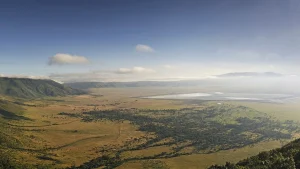
The Ngorongoro Conservation Area is situated in the Arusha Region of northern Tanzania. It lies within the country’s famous northern safari circuit, making it easy to combine with visits to Serengeti National Park, Lake Manyara National Park, Tarangire National Park, and Mount Kilimanjaro.
The conservation area covers approximately 8,292 square kilometres and includes grasslands, forests, mountains, volcanic formations, archaeological sites, and traditional pastoral landscapes.
The main entrance is commonly reached from the town of Karatu, while Arusha serves as an important starting point for many safari journeys.
Visitors can travel to Ngorongoro by road or arrange a safari that includes domestic flights to nearby airstrips, depending on their itinerary and budget.
The Ngorongoro Crater is the most celebrated attraction in the conservation area. It was formed when a large volcano collapsed inward after a major eruption millions of years ago.
Today, the crater forms an enormous natural basin surrounded by steep walls. Its floor contains open grasslands, woodland, seasonal wetlands, freshwater sources, and Lake Magadi, a shallow alkaline lake.
This variety of habitats supports a remarkable concentration of wildlife, making the crater one of the best places in Tanzania to observe animals during a relatively short safari.
Visitors may encounter lions resting in the grass, elephants moving through woodland, buffaloes grazing in open areas, and spotted hyenas searching for food.
The crater is also known for its black rhinoceros population. Although sightings are never guaranteed, it is one of the important places in Tanzania where visitors may have an opportunity to see this endangered animal in the wild.
Other commonly seen animals include:
The crater’s compact landscape and diverse habitats make it particularly attractive to visitors who want to see a wide range of wildlife during a single game drive.
The crater offers an exceptional combination of scenery and wildlife. Its steep volcanic walls create a dramatic backdrop for photography, while the open grasslands provide excellent opportunities to observe animals.
Early morning game drives are especially rewarding because wildlife may be active before temperatures rise. However, sightings depend on the season, weather, and movement of animals.
Olduvai Gorge is one of the most important archaeological and palaeoanthropological sites in the world. Located within the Ngorongoro Conservation Area, it has contributed significantly to scientific understanding of early human evolution.
Researchers have discovered ancient fossils, stone tools, and other evidence that helps explain how early human ancestors lived and adapted to their surroundings.
The discoveries from Olduvai Gorge have made the area internationally significant, attracting researchers, students, and travellers interested in archaeology and human origins.
Visitors may learn about these discoveries through guided visits and museum displays, depending on current access arrangements.
For travellers who want more than wildlife viewing, Olduvai Gorge provides a fascinating opportunity to explore the connection between Tanzania’s landscapes and the history of humanity.
Another remarkable archaeological feature associated with the conservation area is the Laetoli footprint site.
The footprints, preserved in ancient volcanic ash, provide evidence of hominin movement approximately 3.6 million years ago. They are among the most significant discoveries relating to early human ancestors and the development of upright walking.
Access to the footprint site may be restricted, so visitors should confirm available arrangements with the conservation authority or their tour operator before including it in their itinerary.
Although not every traveller visits Laetoli, its scientific importance adds another dimension to the Ngorongoro Conservation Area.
Ngorongoro is internationally recognised for its rich wildlife and varied natural habitats. Its grasslands, forests, wetlands, and volcanic landscapes support a wide range of mammals, birds, and plant species.
The conservation area is associated with Africa’s famous Big Five: lions, leopards, elephants, buffaloes, and rhinoceroses.
Visitors may have opportunities to see several of these animals during a safari, particularly in the crater. However, no wildlife sighting is guaranteed, and leopards can be especially difficult to spot.
Lions are among the most exciting animals to encounter in Ngorongoro. They are often seen resting in the grass or moving across the crater floor.
The crater’s rich prey population helps support its lion population, making it an important destination for travellers interested in observing these powerful predators.
Elephants can be seen in the conservation area, particularly around suitable woodland habitats. Large bulls may occasionally be observed moving through forested areas and open landscapes.
Their impressive size and complex social behaviour make them a favourite subject for safari photography.
The black rhinoceros is one of the most significant animals associated with Ngorongoro. This endangered species has faced serious threats from poaching and habitat pressures.
Seeing a rhino in the wild can be a memorable highlight, but visitors should maintain a respectful distance and follow their guide’s instructions.
Wildebeests and zebras are important parts of the local ecosystem. They graze on the grasslands and serve as prey for predators such as lions and hyenas.
Their presence contributes to the dynamic wildlife experience that makes Ngorongoro such a popular safari destination.
Ngorongoro is also an excellent destination for birdwatching. Depending on the habitat and season, visitors may see flamingos, ostriches, crowned cranes, eagles, vultures, and numerous smaller bird species.
Birdlife varies across the crater, highlands, wetlands, and surrounding grasslands, offering plenty of opportunities for nature enthusiasts.
The Ngorongoro Conservation Area is distinctive because wildlife conservation exists alongside traditional human land use.
The Maasai people have a long-standing cultural connection to this region. Many Maasai communities maintain pastoral traditions, raising cattle, goats, and sheep while preserving important aspects of their cultural identity.
Visitors may have opportunities to learn about Maasai traditions through organised cultural experiences. These can include introductions to traditional homes, beadwork, pastoral practices, local history, and everyday community life.
A responsible cultural visit should be arranged through an appropriate local operator or community representative. Visitors should ask permission before taking photographs and respect local customs.
It is important to remember that Maasai communities are diverse and continue to adapt to modern social and economic changes. A cultural visit should therefore focus on respectful learning rather than treating people as tourist attractions.
Although the crater receives most of the attention, the wider conservation area contains several other interesting destinations.
Empakaai Crater is a beautiful volcanic feature known for its steep slopes, forested surroundings, and lake on the crater floor.
The area offers a quieter experience than the famous Ngorongoro Crater. Guided hikes may provide opportunities to appreciate the landscape, observe birds, and enjoy expansive views.
Walking arrangements and access requirements should be confirmed in advance, as some activities require a ranger or special permission.
Olmoti Crater is another scenic volcanic feature in the highlands. It is associated with grassland, forest, and beautiful mountain scenery.
Guided walks in the area can provide a different perspective on the conservation area, especially for visitors who enjoy hiking and exploring landscapes away from busy safari routes.
The highlands contain rolling hills, volcanic formations, open grasslands, and forested slopes. The scenery is particularly appealing to photographers and travellers who appreciate dramatic landscapes.
Temperatures can be cooler here than in the lowlands, especially during early mornings and evenings.
Lake Magadi is a shallow alkaline lake on the floor of the Ngorongoro Crater. Its appearance changes with water levels and seasonal conditions.
The lake can attract flamingos and other waterbirds, creating excellent photographic opportunities when conditions are suitable.
Ngorongoro offers more than traditional wildlife drives. Visitors can combine several activities depending on their interests, schedule, and access permissions.
A game drive in the Ngorongoro Crater is one of the main experiences for visitors.
Travelling in a suitable safari vehicle with a knowledgeable guide allows visitors to search for wildlife, learn about animal behaviour, and explore different habitats.
A full crater visit usually requires an early start because of driving distances, park procedures, and the time needed to explore the crater floor.
Walking experiences in designated areas allow visitors to discover the landscape at a slower pace.
Depending on the location, guided walks may include discussions about plants, animal tracks, birds, geology, and local history.
Walking safaris must follow conservation authority rules and may require advance arrangements and an authorised ranger.
Birdwatching is rewarding for both beginners and experienced bird enthusiasts.
A guide can help identify different species and explain their habitats and behaviour. Bringing binoculars and a bird identification guide can make the experience more enjoyable.
Organised cultural visits can help travellers understand Maasai pastoral traditions, local crafts, and community life.
Visitors should choose experiences that are respectful, community-supported, and transparent about how local people benefit.
Ngorongoro provides outstanding opportunities for wildlife and landscape photography.
The crater’s dramatic walls, open grasslands, animals, and changing light create varied photographic settings. A camera with a telephoto lens can be useful for photographing wildlife without approaching too closely.
Travellers interested in human history can explore designated archaeological attractions, including Olduvai Gorge, subject to access arrangements.
These visits complement wildlife safaris by showing how the region has contributed to scientific understanding of human origins.
Ngorongoro can be visited throughout the year, but the experience varies according to rainfall, road conditions, vegetation, and wildlife movements.
The drier months are often popular for wildlife viewing. Grass may be shorter in some areas, and animals can be easier to observe around suitable grazing and water sources.
These months are also popular for safaris across northern Tanzania, so booking accommodation and vehicles in advance is advisable.
The short rains can bring fresh vegetation and greener landscapes. Birdwatching may be particularly rewarding, and the scenery can be beautiful for photography.
Rainfall varies from year to year, and occasional showers may affect road conditions.
The early months of the year can be an excellent time to combine Ngorongoro with the southern Serengeti and Ndutu region.
Wildebeest calving activity often occurs in the wider southern Serengeti ecosystem during this period, although exact timing depends on rainfall and grazing conditions.
Travellers hoping to see the migration should plan their itinerary carefully because the herds move across a large area rather than remaining in one location.
The long-rain season usually brings greener landscapes and fewer visitors in some areas. It can be appealing to travellers seeking lush scenery and a quieter safari experience.
However, heavy rain may affect road conditions, and some travel schedules can become less predictable.
Best overall advice: Choose your travel dates according to your priorities. The drier months are often preferred for general wildlife viewing, while greener seasons can be excellent for scenery and birdwatching. Always check local conditions before travelling.
Accommodation options range from luxury lodges to tented camps and more affordable stays in nearby towns.
Luxury lodges may offer panoramic views, comfortable rooms, restaurants, private decks, and personalised safari services.
Some are positioned near the crater rim, allowing guests to enjoy impressive views of the surrounding landscape.
Tented camps combine the atmosphere of a wilderness stay with varying levels of comfort.
Depending on the property, facilities may include private bathrooms, dining tents, hot showers, and guided safari arrangements.
Travellers looking to manage costs may find guesthouses, campsites, and budget lodges in nearby areas such as Karatu.
Staying outside the immediate conservation area can reduce accommodation expenses, although it may require additional travel time to reach the crater entrance.
When selecting accommodation, consider:
Always confirm what is included in the quoted price, especially conservation fees, crater service fees, transport, meals, and guided activities.
There are several ways to reach Ngorongoro, depending on your starting point and travel budget.
Arusha is a major gateway for northern Tanzania safaris. Travelling from Arusha by safari vehicle allows visitors to combine Ngorongoro with other destinations along the northern circuit.
The journey takes several hours, depending on the route, traffic, road conditions, and stops.
Ngorongoro can be included in an itinerary before or after a visit to Serengeti National Park.
This combination is especially popular because it offers contrasting landscapes and wildlife experiences.
Travellers with limited time may consider a domestic flight to an appropriate nearby airstrip, followed by a road transfer.
Flight availability and suitable airstrips depend on the itinerary, so arrangements should be confirmed with a safari operator.
For many international visitors, booking through a reputable safari operator is a convenient option.
A tour operator can coordinate transport, accommodation, guides, permits, and game drives. Travellers should request a clear itinerary and a written breakdown of the costs before making a booking.
A two-day visit provides time to explore the crater and experience another part of the conservation area.
Arrive in the Ngorongoro area from Arusha, Karatu, or another destination on the northern safari circuit.
After checking in, enjoy the surrounding scenery and prepare for the following day’s game drive. Depending on your arrival time and arrangements, you may be able to take part in an authorised cultural or nature-based activity.
Spend the evening at your accommodation, enjoy dinner, and rest before the early start.
Begin early and travel to the crater for a game drive.
Explore the crater floor with your guide, looking for lions, buffaloes, zebras, wildebeests, elephants, and other wildlife. You may also have an opportunity to see black rhinoceroses, although sightings are not guaranteed.
Enjoy a suitable picnic lunch during the excursion, following your guide’s instructions about where it can be eaten.
After the game drive, continue to your next destination or return to your accommodation, depending on your travel plans.
For visitors with additional time, adding Olduvai Gorge, the highlands, or another northern circuit park can create a more varied experience.
Responsible tourism helps protect the conservation area’s wildlife, landscapes, and cultural heritage.
Visitors can support conservation by following a few important principles.
Respect wildlife. Remain inside authorised vehicles during game drives unless your guide indicates that a designated activity permits otherwise. Never attempt to approach, feed, or disturb animals.
Follow your guide’s instructions. Guides understand local safety rules, wildlife behaviour, and access restrictions.
Respect Maasai communities. Ask permission before taking photographs, follow local guidance, and choose cultural activities that provide genuine benefits to host communities.
Reduce waste. Carry reusable water bottles where practical and take litter away from natural areas.
Support responsible businesses. Consider operators that employ local guides, follow conservation rules, and explain how their activities support communities and environmental protection.
Stay on authorised routes. Off-road driving can damage vegetation and disturb wildlife, so visitors should follow the rules governing vehicle movement.
Responsible behaviour helps ensure that future generations can continue to enjoy Ngorongoro’s remarkable natural and cultural heritage.
Packing suitable clothing and equipment can make your visit more comfortable.
Consider bringing:
Temperatures can be noticeably cooler in the highlands and around the crater rim than in lower-lying areas. Dressing in layers is therefore a practical choice.
Before travelling to Ngorongoro, check the latest entry requirements, conservation fees, crater service fees, and activity regulations with the official conservation authority or your tour operator.
Book accommodation and safari transport early during popular travel periods.
Allow enough time for the crater visit rather than trying to fit too many destinations into one day.
Choose a safari vehicle and operator appropriate for the terrain and your travel plans.
Keep expectations realistic when it comes to wildlife. Although Ngorongoro offers excellent viewing opportunities, animals move freely, and no particular sighting can be guaranteed.
If you plan to visit multiple parks, compare the costs and travel times of different routes before confirming your itinerary.
What is Ngorongoro Conservation Area famous for?
Ngorongoro is best known for its spectacular volcanic crater, rich wildlife, archaeological importance, and Maasai cultural heritage.
The conservation area supports lions, leopards, elephants, buffaloes, and rhinoceroses. Visitors may see several of these animals during a safari, but sightings of every species are not guaranteed.
One full day is commonly allocated to a crater game drive. Two days provide more flexibility for exploring other attractions, enjoying the highlands, or visiting an archaeological site.
Yes. Ngorongoro can be a rewarding family destination, particularly for families interested in wildlife and nature. Parents should discuss age requirements, driving times, and suitable activities with their safari operator before booking.
Yes. The area can be visited throughout the year, although rainfall, road conditions, vegetation, and visitor numbers vary by season.
No. Ngorongoro Conservation Area and Serengeti National Park are separate protected areas. However, they are geographically connected within the wider northern Tanzania ecosystem and are often visited together.
Ngorongoro protects important wildlife habitats, volcanic landscapes, archaeological sites, and cultural heritage. Its multiple-land-use approach also makes it notable for the relationship between conservation and traditional pastoral livelihoods.
The Ngorongoro Conservation Area is one of Tanzania’s most extraordinary destinations, bringing together spectacular scenery, remarkable wildlife, and a rich cultural and archaeological history.
The famous Ngorongoro Crater offers excellent opportunities for game viewing, while Olduvai Gorge and Laetoli reveal important chapters in the story of human evolution. The surrounding highlands, volcanic craters, and Maasai communities add further depth to the experience.
Whether you visit for a single crater safari or include Ngorongoro in a longer northern Tanzania adventure, careful planning can help you make the most of your journey.