
Rubondo. Rubondo Island National Park is one of Tanzania’s most unique and fascinating nature destinations. Located in the southwestern part of Lake Victoria, the park is famous for its tropical forests, peaceful lakeshores, rare wildlife, chimpanzees, and extraordinary birdlife.
Unlike Tanzania’s famous savannah parks, where visitors travel across open plains in search of lions and large herds of wildlife, Rubondo offers a different kind of adventure. Here, visitors explore dense forests, walk along quiet shores, observe birds around wetlands, and travel by boat across the waters of Africa’s largest lake.
The park is particularly appealing to nature lovers, birdwatchers, wildlife photographers, and travelers seeking a peaceful escape from busy tourist destinations.
Rubondo Island National Park also has an important conservation history. Established as a national park in 1977, it protects a valuable combination of island forest, wetlands, and aquatic habitats. Its chimpanzee conservation program and distinctive wildlife make it one of Tanzania’s most interesting destinations for responsible nature tourism.
Whether you are planning a wildlife safari, a birdwatching holiday, or an adventure exploring Lake Victoria, Rubondo Island offers a memorable experience surrounded by nature.

Rubondo Island National Park is located in Lake Victoria in northwestern Tanzania, within the Geita Region.
Lake Victoria is shared by Tanzania, Uganda, and Kenya, and it provides the setting for this remarkable island wilderness. Rubondo lies west of the mainland near the entrance to the Emin Pasha Gulf.
The park includes the main island and several smaller islands surrounded by the lake. Its location creates a unique environment where terrestrial wildlife, forest ecosystems, and aquatic habitats exist together.
Travelers commonly access the island by boat from designated mainland landing points. Air travel is also possible through suitable regional connections and charter arrangements, depending on availability.
The nearest major travel hubs include Mwanza and Bukoba. From these towns, visitors can continue by road to an embarkation point and arrange a boat transfer with the park or a licensed operator.
Because the island is relatively remote, planning transportation and accommodation in advance is essential.
Rubondo Island National Park covers approximately 456 square kilometers, including its island and surrounding protected waters.
Much of the main island is covered by tropical forest, while other areas contain papyrus swamps, grassland patches, sandy coves, and woodland.
This variety of habitats gives Rubondo a distinctive appearance compared with Tanzania’s more familiar safari destinations.
The island’s forests are among its most impressive natural features. Tall trees, dense vegetation, and leafy canopies create a cool environment for forest wildlife and birds.
Walking through these forests allows visitors to experience nature at a slower pace. The sounds of birds, rustling leaves, and distant wildlife create a peaceful atmosphere that is very different from a traditional game drive.
Rubondo’s wetlands are particularly important for wildlife. Papyrus vegetation provides shelter and breeding habitat for birds, while the shallow waters support fish and other aquatic organisms.
These habitats are especially attractive to birdwatchers because they offer opportunities to observe waterbirds feeding, nesting, and moving along the shoreline.
The island also features peaceful beaches, small coves, and stretches of shoreline bordered by trees.
Boat trips provide excellent views of these areas, allowing visitors to appreciate the contrast between the green forest and the blue waters of Lake Victoria.
The combination of forest, wetlands, and lake scenery makes Rubondo a rewarding destination for photographers and travelers who enjoy natural landscapes.
Rubondo supports a fascinating variety of wildlife. Its animals are adapted to forest environments, wetlands, and the lakeshore rather than the wide-open savannahs associated with many other Tanzanian parks.
Wildlife sightings depend on weather, location, and animal movements, but exploring the island with a knowledgeable guide can reveal many interesting species.
Chimpanzees are among the most distinctive attractions of Rubondo Island National Park.
A population of chimpanzees was introduced to the island during the 1960s as part of a conservation initiative. Over time, Rubondo became an important refuge for these primates.
The chimpanzees inhabit the forest and move through the vegetation in search of food. Their behavior, social relationships, and ability to adapt to their environment make them fascinating animals to study.
The park has an ongoing chimpanzee conservation and habituation program. Certain visitors may be able to participate in an authorized chimpanzee habituation experience, subject to availability and current regulations.
However, chimpanzees live in natural forest conditions, so sightings are not guaranteed. Visitors must follow their guides’ instructions, maintain an appropriate distance, and never feed or attempt to attract the animals.
For travelers interested in primates and conservation, Rubondo provides a different experience from the more established chimpanzee trekking destinations in Tanzania.
Elephants are another important part of Rubondo’s wildlife population.
They can sometimes be seen moving through the forest or feeding in more open areas. Elephants are powerful animals that influence their environment through feeding, seed dispersal, and the creation of pathways through vegetation.
Seeing an elephant emerge from the forest or appear along the lakeshore can be a memorable experience.
Because the island’s vegetation can be dense, spotting elephants may require patience and guidance from experienced park staff.
Visitors should observe them from a safe distance and avoid blocking their movement.
The sitatunga is one of Rubondo’s most interesting and distinctive mammals.
This unusual antelope is specially adapted to wetland habitats. Its elongated hooves help it move through muddy ground and marshy vegetation.
Sitatungas often remain hidden among papyrus and dense shoreline plants, making them difficult to observe.
Rubondo is an important place for travelers hoping to see this elusive species in Tanzania.
A guided walk near suitable wetland habitats may provide opportunities to look for tracks or glimpses of these shy animals. However, sightings depend on local conditions and should never be guaranteed.
Bushbucks are antelopes that inhabit forested and densely vegetated areas.
Their reddish-brown coats, often marked with white spots and stripes, help them blend into their surroundings.
They are generally shy animals and may quickly disappear into thick vegetation when disturbed.
Visitors exploring Rubondo’s forest trails may encounter bushbucks feeding or moving quietly through the undergrowth.
Rubondo’s forests support monkeys and a variety of smaller mammals.
Vervet monkeys may be seen moving through trees or searching for food. Other forest animals include bush pigs, mongooses, genets, and otters, although sightings vary.
These animals contribute to the ecological richness of the island and provide opportunities to observe wildlife beyond the larger, more recognizable species.
The waters surrounding Rubondo provide habitat for hippos and Nile crocodiles.
Hippos spend much of the day in water, emerging to feed on land, usually at night. They may be seen resting in quiet bays or near suitable shoreline habitats.
Nile crocodiles can sometimes be observed along sandy banks or in shallow waters.
Although these animals are fascinating to watch, they can be dangerous. Visitors should never approach them, swim in unauthorized areas, or leave boats without following the instructions of their guides.
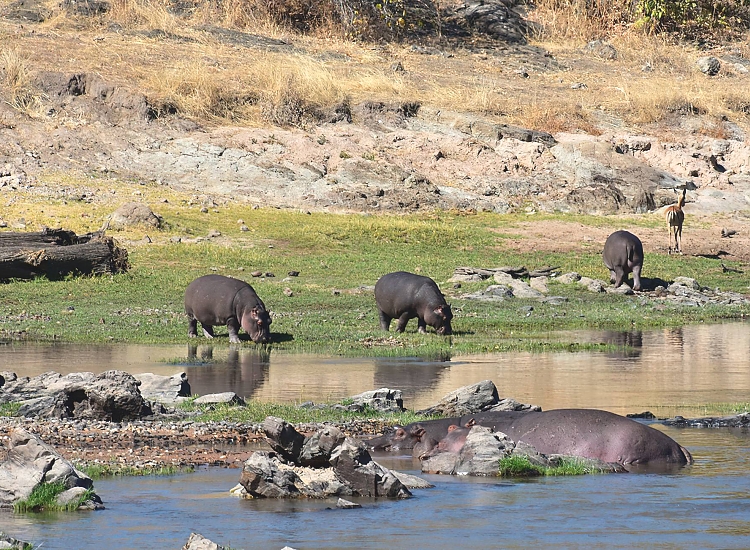
Lake Victoria is famous for its fish diversity, and Rubondo’s surrounding waters are an important part of the park’s ecological value.
Species such as Nile perch and tilapia are important in the lake’s aquatic ecosystem and fisheries.
The lake also supports numerous birds that feed on fish and other aquatic organisms.
Protecting these waters is essential for maintaining the relationship between the island’s forests, wetlands, and aquatic habitats.
Birdwatching is one of the best activities in Rubondo Island National Park.
The combination of tropical forests, papyrus swamps, quiet bays, and open lake waters creates habitats for a wide variety of resident and migratory birds.
Bird enthusiasts can explore the shoreline by boat or walk through forest trails with a knowledgeable guide.
African fish eagle: This impressive raptor is often associated with large bodies of water. Its calls and fishing behavior make it one of the most recognizable birds around Lake Victoria.
Kingfishers: Several types of kingfishers may be found around suitable water and woodland habitats. Their bright colors and hunting behavior make them rewarding subjects for photography.
Herons and egrets: These birds frequent wetlands and shallow waters, where they search for fish and other small aquatic animals.
Shoebill: The surrounding Lake Victoria region contains important wetland habitats for this unusual bird. Sightings are not guaranteed, and visitors should ask local guides about current possibilities.
African grey parrots: Rubondo has a notable conservation history involving introduced African grey parrots. Their presence adds to the island’s interest for birdwatchers.
Forest birds: The island’s dense vegetation supports birds that are less frequently encountered in open savannah habitats.
Birdwatching is possible throughout the year, but seasonal changes influence bird movements and breeding activity.
The wetter months bring lush vegetation and may be rewarding for observing seasonal birdlife. The drier months can provide easier access to some trails and more predictable boat conditions.
Early morning is generally an excellent time for birdwatching because many species are active and their calls are easier to hear.
Whether you are an experienced birder or a casual nature enthusiast, Rubondo offers opportunities to appreciate the diversity of Lake Victoria’s birdlife.
Rubondo offers several natural attractions that make it different from conventional wildlife safari destinations.
The island’s chimpanzees are a major attraction for travelers interested in primate behavior and conservation.
Exploring the forest with authorized guides can provide insights into chimpanzee habitats, their feeding patterns, and the challenges of protecting wild populations.
Where available, an approved habituation experience offers an opportunity to learn about conservation work without using artificial methods to attract the animals.
The lakeshore is one of the most scenic parts of the park.
Visitors can enjoy views of the water, forest-covered banks, quiet bays, and small beaches.
The changing light throughout the day creates beautiful scenery, especially around sunrise and sunset.
Boat excursions provide an excellent way to explore the shoreline and observe wildlife from the water.
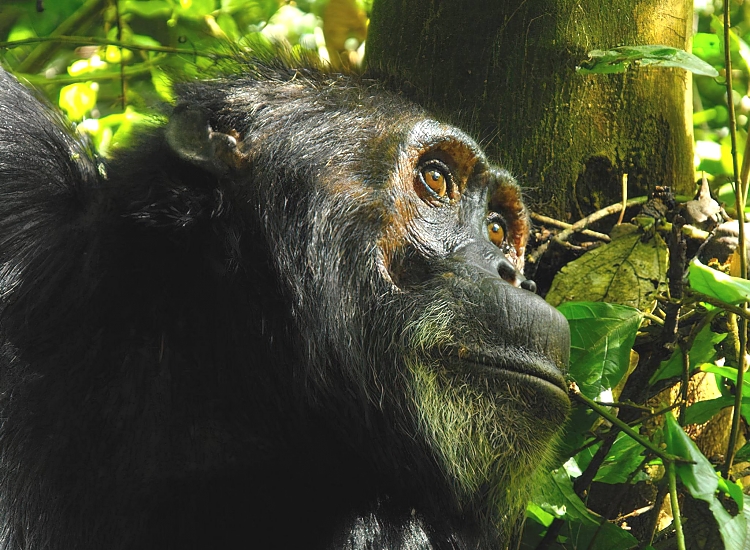
Rubondo’s wetlands are important habitats for birds and other wildlife.
The dense papyrus vegetation provides shelter for wetland species and creates an interesting contrast with the surrounding forest.
These areas are especially appealing to birdwatchers and photographers who want to capture wildlife in a natural wetland environment.
Guided forest walks allow visitors to explore the island’s vegetation and discover its smaller wildlife.
During these walks, guides may explain the importance of native trees, animal tracks, insects, bird calls, and other signs of ecological activity.
Forest walks are also an opportunity to appreciate the island’s atmosphere away from the noise of vehicles.
Rubondo contains cultural sites associated with the history and traditions of the area.
Places identified by the park include Maji Matakatifu, Ntungamirwe, and Alutare.
Visitors interested in these sites should ask park staff or their guide about their significance and the appropriate way to visit them.
Exploring these locations can add a cultural dimension to a trip that might otherwise focus mainly on wildlife and scenery.
Rubondo is best suited to travelers who enjoy nature-based activities, peaceful exploration, and learning about wildlife.
Boat excursions are among the most memorable ways to explore Rubondo.
Travelers can enjoy views of forested shores, sandy coves, wetlands, and small islands while observing birds and other wildlife.
Hippos and crocodiles may be seen in suitable locations, although sightings are never guaranteed.
Boat trips also provide opportunities to appreciate the scale of Lake Victoria and the island’s position within this enormous freshwater ecosystem.
Always wear a life jacket, follow the boat operator’s instructions, and avoid disturbing wildlife along the shoreline.
Walking through Rubondo’s forests offers a close look at the island’s natural environment.
Guides help visitors identify plants, animal tracks, birds, and other signs of wildlife.
These walks are particularly rewarding for people who enjoy learning about ecosystems rather than concentrating only on large mammals.
All walks should be arranged through authorized guides or park staff.
Where available and permitted, chimpanzee habituation experiences allow visitors to learn about the process of helping wild chimpanzees become accustomed to the presence of researchers and authorized observers.
These experiences focus on observing natural behavior rather than feeding or attracting the animals.
Availability, eligibility, and the rules governing participation should be confirmed directly with park authorities before travel.
Birdwatching can be enjoyed along the shoreline, around wetlands, and within forest habitats.
Visitors may encounter fish eagles, kingfishers, herons, egrets, and many other species.
A pair of binoculars and a field guide can make the experience more rewarding.
Fishing is another activity associated with Lake Victoria and Rubondo.
The lake is known for species such as Nile perch and tilapia, attracting anglers interested in freshwater fishing.
Fishing within the park is regulated and may be permitted only in designated areas under specific conditions. Visitors should confirm current rules, permits, equipment arrangements, and whether catch-and-release practices apply.
Responsible fishing helps protect aquatic habitats and the long-term health of fish populations.
Rubondo provides excellent opportunities for photographing forest wildlife, birds, lake scenery, and landscapes.
Unlike open savannah parks, where animals can often be photographed against distant horizons, Rubondo presents a more intimate environment of dense greenery, reflections, and shoreline habitats.
A camera with a suitable zoom lens can be helpful when photographing birds or wildlife at a distance.
Early mornings and late afternoons often provide attractive lighting for landscape and wildlife photography.
Not every safari activity needs to involve searching for wildlife.
Visitors can also enjoy the peaceful atmosphere of Lake Victoria, listen to birds, appreciate the forest surroundings, and watch the changing colors of the sky.
These quiet moments are part of what makes Rubondo special, especially for travelers looking for a slower and more relaxing nature holiday.
<Cite refs={[“turn475204search0″,”turn475204search1″,”turn475204search3”]}/>
Rubondo can be visited throughout the year, but seasonal weather affects forest walks, boat excursions, and wildlife viewing.
The dry season is generally a good time to explore Rubondo.
Rainfall is usually lower, and conditions may be more suitable for walking trails and organizing boat transfers.
Wildlife can sometimes be easier to observe in areas where vegetation is less dense. However, Rubondo is a forested island, so animal sightings remain dependent on the habitat and the species being sought.
The dry season is particularly attractive to visitors who want to combine forest exploration with boat trips.
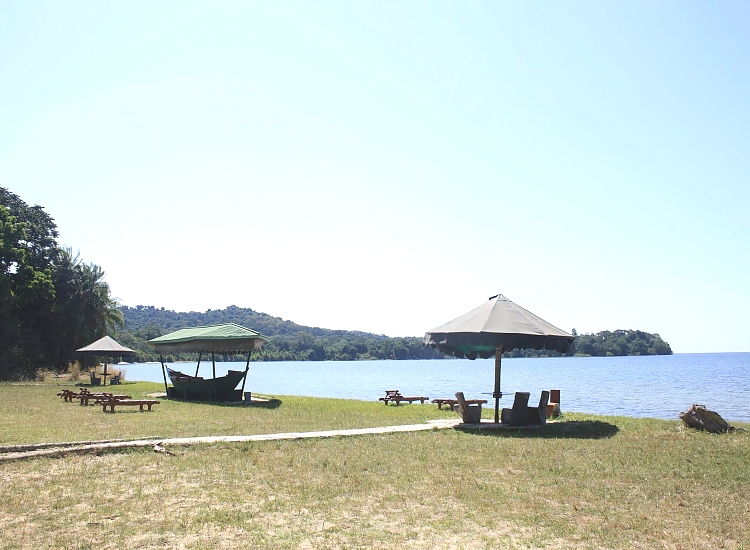
The short rains bring fresh vegetation and a greener appearance to the island.
This period can be appealing for photography and birdwatching. However, showers may affect some outdoor activities, so visitors should remain flexible with their plans.
The long-rain period can bring substantial rainfall, making the island’s forests and wetlands especially lush.
These conditions may provide rewarding scenery for nature lovers, but wet trails and changing lake conditions can make transportation and outdoor activities more challenging.
Visitors should confirm boat schedules, road conditions, and accommodation availability before departure.
For a first visit focused on exploring the island, June to October is often a practical choice because of the generally drier conditions.
However, travelers interested in green landscapes and seasonal birdlife may also enjoy visiting during the rainy periods.
The most suitable time depends on your interests, the activities you want to experience, and the conditions in the year you travel.
Because Rubondo is located within Lake Victoria, reaching the park requires careful transportation planning.
Visitors can fly to Mwanza or Bukoba and continue by road to an agreed boat departure point.
Charter flights may also be available to an island airstrip by prior arrangement, depending on the operator and current operating conditions.
Flying is a convenient option for travelers who want to reduce the amount of time spent on overland journeys.
Another option is to travel by road from Mwanza or another suitable mainland location to a designated landing point.
From there, a boat transfer takes visitors to the island.
The exact journey time depends on the departure point, road conditions, weather, and boat arrangements.
Because boat services may not operate like regular public transport, visitors should confirm pickup times and transfer details in advance.
It is advisable to coordinate transportation with the park, your lodge, or a licensed tour operator.
Before leaving the mainland, confirm:
These preparations help prevent delays and make the journey more comfortable.
Accommodation on Rubondo is more limited than in Tanzania’s major safari destinations. Visitors should therefore plan their stay carefully and confirm current availability before traveling.
Some lodge and retreat options operate on or near the island, depending on current arrangements.
These may suit travelers who prefer organized meals, comfortable rooms, guided activities, and assistance with transfers.
Facilities and service levels vary, so it is important to confirm exactly what each property offers.
Park-managed accommodation may include rest houses or bandas, depending on availability and current operating arrangements.
These options can appeal to travelers who want a straightforward base for exploring the island.
Visitors should check whether bedding, meals, cooking facilities, electricity, and other amenities are provided.
Camping offers a closer connection with Rubondo’s natural environment.
Designated public or special campsites may be available, but their operating status and booking requirements should be confirmed with the park before travel.
Because the island is remote, visitors should not assume that food, drinking water, camping equipment, or other supplies will be readily available.
Book early, especially if you plan to visit during the dry season.
Confirm whether boat transfers, park entry fees, guided activities, and meals are included in the price. Also ask about cancellation arrangements in case bad weather affects transportation.
The most suitable accommodation is one that matches your budget while providing reliable access to the activities you want to enjoy.
Rubondo is more than a beautiful island destination. It plays an important role in protecting Tanzania’s biodiversity.
Its forests, wetlands, and lake habitats support wildlife that depends on a combination of terrestrial and aquatic environments.
Rubondo’s chimpanzee conservation program is one of its defining features.
Protecting the forest and minimizing disturbance are essential for supporting the chimpanzees and allowing conservation activities to continue.
Responsible tourism helps create awareness of the challenges facing primates and the importance of preserving their habitats.
Wetlands and shoreline vegetation provide breeding, feeding, and sheltering areas for many birds.
Boat operators and visitors must avoid disturbing nesting sites or entering restricted areas.
Protecting these habitats is particularly important because birds depend on suitable conditions for feeding and reproduction.
Lake Victoria supports a complex ecosystem involving fish, aquatic plants, birds, and other wildlife.
Responsible fishing practices, pollution prevention, and the protection of shoreline habitats contribute to the lake’s ecological health.
Conservation efforts also involve surrounding communities.
Partnerships between park authorities and local people can help reduce illegal activities, increase awareness, and create opportunities connected to responsible tourism.
Visitors can support these efforts by choosing reputable operators, respecting local communities, and following all park regulations.
Preparing properly will help you enjoy a comfortable and rewarding visit.
Pack lightweight clothing. Breathable clothing is useful in the island’s warm, humid climate. Include long sleeves and trousers for forest walks.
Bring rain protection. A light waterproof jacket is useful because showers can occur, particularly during the rainy seasons.
Carry binoculars. These are especially helpful for birdwatching and observing wildlife from boats.
Protect yourself from the sun. Bring sunscreen, a hat, and sunglasses for boat trips and lakeside activities.
Use insect repellent. Follow appropriate travel-health advice and take precautions against mosquito bites.
Bring essential supplies. Because the island is remote, carry necessary personal items and confirm arrangements for food, drinking water, and other supplies.
Wear suitable footwear. Comfortable walking shoes with good grip are useful for forest trails, particularly when conditions are wet.
Follow boating safety rules. Wear a life jacket and follow the instructions of your skipper.
Respect wildlife. Never feed animals, approach chimpanzees, or disturb nesting birds.
Check park regulations. Confirm current entry fees, activity permits, fishing rules, and accommodation arrangements with the Tanzania National Parks Authority before departure.
Keep your travel plans flexible. Weather and lake conditions may affect boat transfers and outdoor activities.
A three-day visit allows travelers to experience the island’s forests, wildlife, and surrounding waters without rushing.
Travel to the designated mainland departure point and transfer to Rubondo Island by boat, or arrive by a prearranged charter flight.
After checking into your accommodation, take time to settle in and enjoy the surrounding environment.
If conditions and schedules permit, arrange an afternoon boat excursion to explore the shoreline and observe birds.
Return to your accommodation for dinner and a peaceful evening.
Begin the day with a guided forest walk.
Your guide can help you identify plants, animal tracks, birds, and signs of wildlife activity.
If an authorized chimpanzee habituation experience is available and has been booked, this may be included according to the park’s requirements.
After lunch, enjoy another nature walk or a boat excursion to explore different parts of the shoreline.
Spend the evening relaxing at your accommodation.
Start the morning with a birdwatching session or a short guided walk.
Depending on your interests and current conditions, you may also arrange a permitted fishing activity.
After breakfast, prepare for your scheduled boat transfer or flight.
This itinerary is flexible and should be adjusted to match transport arrangements, weather conditions, and the availability of guided activities.
Travelers who want a more relaxed experience may consider staying four or five days to explore the island at a slower pace.
Rubondo is especially suitable for travelers who appreciate nature, peaceful surroundings, and less conventional safari experiences.
Rubondo may be less suitable for visitors whose main goal is to see large numbers of lions, cheetahs, or other open-savannah wildlife. Its main appeal lies in its forests, chimpanzees, birdlife, wetlands, and island atmosphere.
Rubondo offers an experience that is very different from a conventional wildlife safari.
Instead of spending every day driving across open plains, visitors can combine forest exploration, boat trips, birdwatching, and opportunities to learn about conservation.
The island’s remote location creates a peaceful atmosphere, while its combination of tropical forest and Lake Victoria scenery provides excellent opportunities for photography and relaxation.
For travelers who have already visited Tanzania’s famous savannah parks, Rubondo can offer a refreshing addition to their itinerary. For first-time visitors, it provides an opportunity to discover a different side of the country’s natural heritage.
Its conservation significance also makes it a meaningful destination for people who value responsible tourism and the protection of wildlife habitats.
Rubondo Island National Park is one of Tanzania’s most distinctive nature destinations. Located in Lake Victoria, it combines tropical forests, quiet beaches, papyrus wetlands, fascinating wildlife, and remarkable birdlife.
The island is especially known for its chimpanzee conservation program, elusive sitatunga antelopes, elephants, and rich aquatic environment. Visitors can explore these natural treasures through guided forest walks, boat excursions, birdwatching, and other permitted activities.
The dry season, particularly June to October, is often a practical time to visit because of the generally drier conditions. However, the island can offer rewarding experiences throughout the year, depending on weather, wildlife movements, and personal interests.
With advance planning, suitable accommodation, and responsible travel choices, a visit to Rubondo can become an unforgettable part of a Tanzanian holiday.