
Ruaha. Ruaha National Park is one of Tanzania’s most beautiful and rewarding safari destinations. Known for its large elephant populations, impressive predators, ancient baobab trees, and unspoiled landscapes, the park offers visitors an authentic African wilderness experience.
Located in south-central Tanzania, Ruaha is famous for its remarkable biodiversity and relatively peaceful safari environment. Unlike some of the country’s busier wildlife destinations, it offers a sense of remoteness, making it an excellent choice for travelers who want to enjoy nature away from large crowds.
The park features a variety of landscapes, including open grasslands, rocky hills, river valleys, and extensive woodlands. These habitats support numerous wildlife species, from elephants and lions to colorful birds and rare antelopes.
Where Is Ruaha National Park Located? – Ruaha National Park
Ruaha National Park is located in south-central Tanzania, mainly within the Iringa Region. It lies in a transition zone between the ecosystems of eastern and southern Africa, giving it a unique combination of wildlife, vegetation, and natural scenery.
The park takes its name from the Great Ruaha River, which plays an important role in supporting wildlife, especially during the dry season.
Ruaha is part of Tanzania’s southern safari circuit, which provides an alternative to the more frequently visited northern circuit. Travelers can combine a visit to Ruaha with destinations such as Nyerere National Park and Mikumi National Park, depending on their available time and travel plans.
Visitors can reach Ruaha by road from Iringa or by domestic flights to airstrips serving the park. Flying is usually the most convenient option for travelers with limited time, while road travel offers an opportunity to explore the surrounding countryside.

Ruaha National Park covers approximately 20,226 square kilometers, making it Tanzania’s largest national park under its current boundaries.
Its enormous size allows wildlife to move across extensive natural habitats. Visitors can explore different environments, each offering its own scenery and wildlife-viewing opportunities.
One of the park’s most distinctive features is its collection of ancient baobab trees. These impressive trees stand across the landscape, creating striking silhouettes against the African sky.
The park also contains open savannahs, wooded grasslands, rocky outcrops, seasonal streams, and river valleys. During the dry season, the landscape often appears golden and dusty. When the rains arrive, fresh grass and green vegetation transform the park into a beautiful, lush wilderness.
These seasonal changes make Ruaha attractive throughout the year. Photographers, nature lovers, and wildlife enthusiasts can enjoy different scenery depending on when they visit.
Because of its size and variety of habitats, the park also provides opportunities to discover wildlife in different settings, from open plains to thick woodland.
Ruaha is one of Tanzania’s outstanding wildlife destinations. Its varied habitats support large mammals, predators, reptiles, and hundreds of bird species.
Wildlife sightings depend on the season, weather, and location, but the park offers excellent opportunities to observe animals in their natural environment.
Elephants are among Ruaha’s most famous attractions. The park is well known for its large elephant population, and visitors frequently encounter herds moving through woodland or gathering near water sources.
Watching elephants interact is one of the highlights of a Ruaha safari. Family groups may be seen feeding, drinking, protecting their young, or traveling together in search of food.
During the dry season, elephants often concentrate around rivers and remaining waterholes. These locations can provide excellent opportunities for wildlife viewing and photography.
Elephants also play an important ecological role by shaping vegetation, dispersing seeds, and creating pathways through the woodland.
Ruaha is an excellent destination for travelers hoping to see lions in the wild.
These powerful predators live in different parts of the park and hunt animals such as impalas, kudus, and other antelopes.
Lions are often more active during the cooler hours of the morning and late afternoon. During the heat of the day, they may rest beneath trees or in shaded areas.
A safari guide can help visitors search for lions by looking for tracks, listening for alarm calls, and identifying areas where prey animals gather.
Seeing a pride resting together or interacting in the grass is often one of the most memorable moments of a Ruaha safari.
Leopards are among Africa’s most elusive and fascinating predators. Their spotted coats provide excellent camouflage, allowing them to blend into trees, bushes, and rocky surroundings.
Although leopard sightings can be unpredictable, Ruaha offers opportunities to encounter these secretive cats.
Experienced guides look for signs such as tracks, movement in trees, and alarm calls from other animals.
A leopard resting on a branch or quietly moving through the bush provides an exceptional wildlife photography opportunity.
African wild dogs are among the continent’s most endangered large carnivores. They are known for their distinctive coats, large rounded ears, and highly social behavior.
These animals live in packs and cooperate when hunting. Their teamwork and endurance make them fascinating subjects for wildlife enthusiasts.
Ruaha is an important destination for travelers interested in the wildlife of southern Tanzania, including African wild dogs. However, sightings are never guaranteed because the animals roam over large areas.
Cheetahs may be seen in suitable open habitats, although sightings are less predictable than those of some other large mammals.
Known for their incredible speed, cheetahs use their excellent eyesight to locate prey before beginning a high-speed chase.
Ruaha is also home to spotted hyenas and other carnivores. Hyenas are skilled hunters as well as scavengers, helping maintain the natural balance of the ecosystem.
Together, these predators make Ruaha an interesting destination for learning about the relationships between hunters, prey animals, and their environment.
Ruaha supports a wide variety of herbivores, which provide excellent opportunities for wildlife viewing.
Visitors may encounter giraffes browsing on tree leaves, zebras grazing in open areas, and impalas moving through the grassland.
The park is also known for antelope species such as greater kudu, sable antelope, and roan antelope.
Greater kudus are especially striking because of the long, curved horns found on adult males. Sable and roan antelopes are also highly valued sightings among wildlife enthusiasts.
These animals play an essential role in the ecosystem because they provide food for predators and help maintain the balance of vegetation.
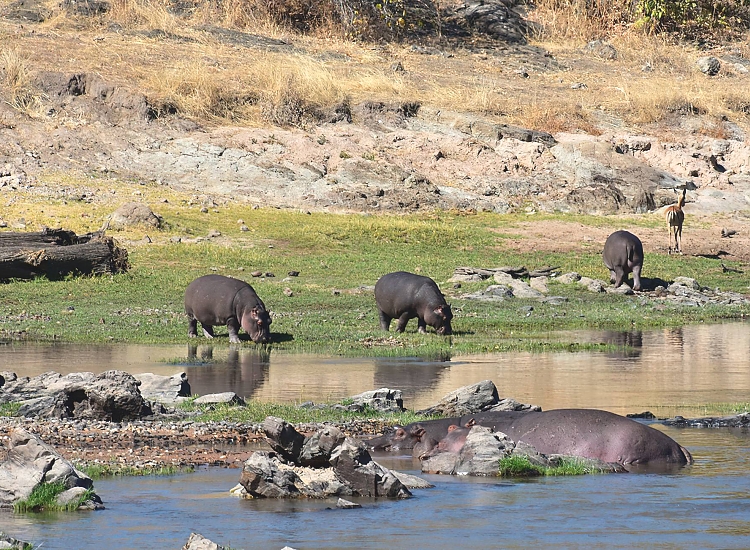
The Great Ruaha River and other watercourses provide important habitats for hippos and crocodiles.
Hippos spend much of the day in water to protect their sensitive skin from the sun. They usually leave the water to graze during the night.
Nile crocodiles may be seen resting along riverbanks or floating close to the water’s surface while waiting for prey.
The river is also visited by numerous birds, creating excellent opportunities for observing different species in one area.
Visitors should always maintain a safe distance from these animals and follow their guide’s instructions.

Ruaha National Park is a rewarding destination for birdwatchers, with more than 570 recorded bird species.
Its combination of grasslands, woodlands, rocky areas, and river habitats supports a wide range of resident and migratory birds.
Some notable species include:
Birdwatching is possible throughout the year, but the wet season can be especially rewarding because migratory species arrive and breeding activity increases.
Early mornings are generally ideal for birdwatching because many birds are active and their calls are easier to hear before the day becomes hot.
Whether you are an experienced birder or simply enjoy colorful wildlife, Ruaha offers plenty of opportunities to discover fascinating bird species.
The Great Ruaha River is one of the most important natural features of Ruaha National Park.
It provides water for wildlife, supports riverine vegetation, and attracts a wide range of animals throughout the year.
During the rainy season, water flows through the river system and its tributaries. As the dry season progresses, water becomes less available across the landscape, causing animals to gather near remaining pools and dependable water sources.
Elephants, buffaloes, antelopes, hippos, crocodiles, and birds all depend on these areas.
The river also attracts predators because prey animals frequently gather nearby to drink. This creates opportunities for visitors to observe natural wildlife interactions during game drives.
For photographers, the riverbanks offer beautiful scenery and excellent opportunities to capture animals against a natural background.
Protecting the river is essential for maintaining the park’s ecological balance. Changes in water availability can affect wildlife movements, vegetation, and the long-term health of the surrounding ecosystem.
Ruaha offers much more than animal sightings. Its beautiful landscapes and varied habitats make every safari an opportunity to discover something new.
The park’s ancient baobab trees are among its most recognizable natural attractions.
Their thick trunks and unusual branches create a dramatic landscape, especially during the dry season when many surrounding trees lose their leaves.
Baobabs also provide food and shelter for various animals and birds. For photographers, they create beautiful backgrounds for pictures of elephants, giraffes, and other wildlife.
The Great Ruaha River is a major attraction for visitors interested in wildlife and scenery.
Its banks provide opportunities to observe animals drinking, birds searching for food, and crocodiles resting near the water.
During the dry season, the river becomes particularly important because wildlife concentrates around available water sources.
The Mwagusi River system is another important feature of Ruaha’s landscape.
Seasonal water sources and surrounding vegetation attract different animals, creating opportunities for wildlife viewing.
Game drives through suitable areas may reveal elephants, antelopes, birds, and predators moving through the woodland or visiting the riverbanks.
Ruaha contains extensive woodland habitats, including miombo woodland.
These environments support a variety of animals and birds, including antelope species that prefer areas with trees and shrubs.
Wildlife can sometimes be more difficult to spot in woodland than in open grassland. However, these habitats offer visitors a chance to explore a different side of the African wilderness.
5. Rocky Hills and Granite Outcrops
Rocky hills and granite outcrops add variety to the park’s scenery.
These formations provide shelter for smaller animals and reptiles and create interesting backgrounds for landscape photography.
They also contribute to the park’s rugged appearance and provide additional habitats for wildlife.
One of Ruaha’s greatest attractions is its sense of space and solitude.
Because the park is so large, visitors can enjoy extensive areas of natural wilderness with relatively few other safari vehicles in some locations.
This peaceful atmosphere makes Ruaha particularly appealing to travelers who want a quieter and more personal safari experience.
There are several ways to explore Ruaha and experience its wildlife, landscapes, and natural beauty.
Game drives are the main activity in Ruaha National Park.
Visitors travel through the park in safari vehicles accompanied by professional guides who help locate wildlife and explain animal behavior.
Morning drives are ideal for observing animals during the cooler hours of the day. Afternoon drives provide further opportunities to see elephants, antelopes, predators, and birds.
A full-day game drive allows visitors to explore different habitats and spend more time searching for animals that may be difficult to locate.
Walking safaris provide a more personal way to experience the African wilderness.
Instead of focusing only on large mammals, visitors learn about animal tracks, plants, insects, birds, and other small details that are easily missed from a vehicle.
Walking safaris also help travelers understand how wildlife uses the landscape and how different species interact.
These activities must be arranged through authorized operators and conducted according to park safety regulations.
Ruaha is an excellent destination for birdwatching because of its diverse habitats and impressive birdlife.
Visitors can observe colorful rollers, bee-eaters, eagles, kingfishers, hornbills, and many other species.
Birdwatching can be included in regular game drives or arranged as a specialized activity with a knowledgeable guide.
The park’s wildlife and scenery make it a wonderful destination for photography.
Elephants beneath baobab trees, lions resting in the shade, giraffes crossing open grassland, and birds perched beside rivers all create memorable photographic subjects.
A camera with a telephoto lens is useful for photographing distant animals without disturbing them. Binoculars can also help visitors locate wildlife before taking pictures.
Early morning and late afternoon usually provide attractive natural lighting.
Camping allows visitors to experience the wilderness more closely.
Depending on availability and the type of accommodation selected, travelers may choose designated campsites, special campsites, or tented safari camps.
Evenings in Ruaha can be particularly memorable, with beautiful sunsets and the sounds of wildlife in the surrounding environment.
Visitors should always follow campsite rules and avoid walking around unaccompanied in areas where wild animals may be present.
Some safari camps and operators arrange sundowners at approved locations.
These experiences allow visitors to enjoy the sunset while taking in views of the surrounding wilderness.
After dark, the park’s remote setting can provide excellent opportunities for stargazing when the sky is clear.
These peaceful moments offer a wonderful contrast to the excitement of daytime game drives.
Ruaha can be visited throughout the year, but the best time depends on your interests and the type of safari you want.
The park has two main seasonal periods: the dry season and the wet season.
The dry season is generally considered the best time for wildlife viewing.
As water becomes scarce in many areas, animals gather around rivers, waterholes, and other dependable water sources. Vegetation also becomes thinner in many places, making wildlife easier to spot.
This season is particularly suitable for visitors hoping to see elephants, buffaloes, lions, and other large mammals.
The weather is generally drier, although mornings and evenings can be cool. Because this is a popular safari period, booking accommodation and flights early is advisable.
The wet season transforms Ruaha into a greener landscape.
Rainfall encourages fresh vegetation, while the woodlands and grasslands become more colorful. This period is especially attractive to photographers who enjoy lush scenery and dramatic skies.
It is also an excellent time for birdwatching because migratory species arrive and many resident birds become more active.
However, rain can make some roads difficult to navigate, and wildlife may be more dispersed because water is available in many locations.
Choose June to October if your main priority is observing large mammals and enjoying relatively dry travel conditions.
Consider the wetter months if you prefer green landscapes, birdwatching, and seasonal photography.
Wildlife sightings depend on several factors, so neither season guarantees encounters with particular animals.
Getting to Ruaha requires some planning because the park is located away from Tanzania’s busiest tourism centers.
Visitors can travel by road from Iringa, a major town in the region.
The drive from Iringa to the main park access area generally takes around two to three and a half hours, depending on the route, road conditions, weather, and destination within the park.
A suitable four-wheel-drive vehicle is recommended, particularly during the rainy season.
Travelers should arrange transport with an experienced safari operator and allow extra time for changing road conditions.
Domestic flights and charter services provide access to airstrips serving Ruaha, including Msembe and Jongomero.
Flying is a convenient option for visitors who want to spend more time on safari and less time traveling by road.
Many lodges and camps arrange transfers between the airstrip and accommodation.
Travelers should confirm flight schedules, luggage restrictions, and transfer arrangements before departure.
Ruaha can be included in a longer Tanzania itinerary.
Depending on your budget and available time, you may combine it with Mikumi National Park, Nyerere National Park, or other destinations in southern Tanzania.
Flying between destinations can reduce travel time, while road journeys may be suitable for travelers who prefer a longer overland adventure.
Ruaha offers several accommodation options, ranging from luxury tented camps to more basic facilities.
The best choice depends on your budget, preferred level of comfort, and the type of safari experience you want.
Luxury lodges and tented camps are ideal for travelers seeking comfort and personalized service.
Depending on the property, facilities may include spacious rooms or tents, private bathrooms, dining areas, swimming pools, and guided safari activities.
Some camps are located in scenic areas overlooking rivers, woodland, or open wilderness.
Mid-range camps provide a balance between comfort and affordability.
They may offer permanent rooms or well-equipped tents, meals, and organized game drives.
These options are suitable for couples, families, and small groups who want a comfortable safari without choosing the most expensive accommodation.
Budget-conscious travelers may consider designated campsites, park bandas, or other basic accommodation options where available.
Facilities vary, so it is important to confirm whether bedding, meals, bathrooms, drinking water, and other services are provided.
Camping can be a rewarding way to experience the wilderness, provided visitors follow safety rules and use authorized sites.
Before booking, consider the following:
Booking early is recommended during the popular dry season, especially if you want to stay at a particular camp.
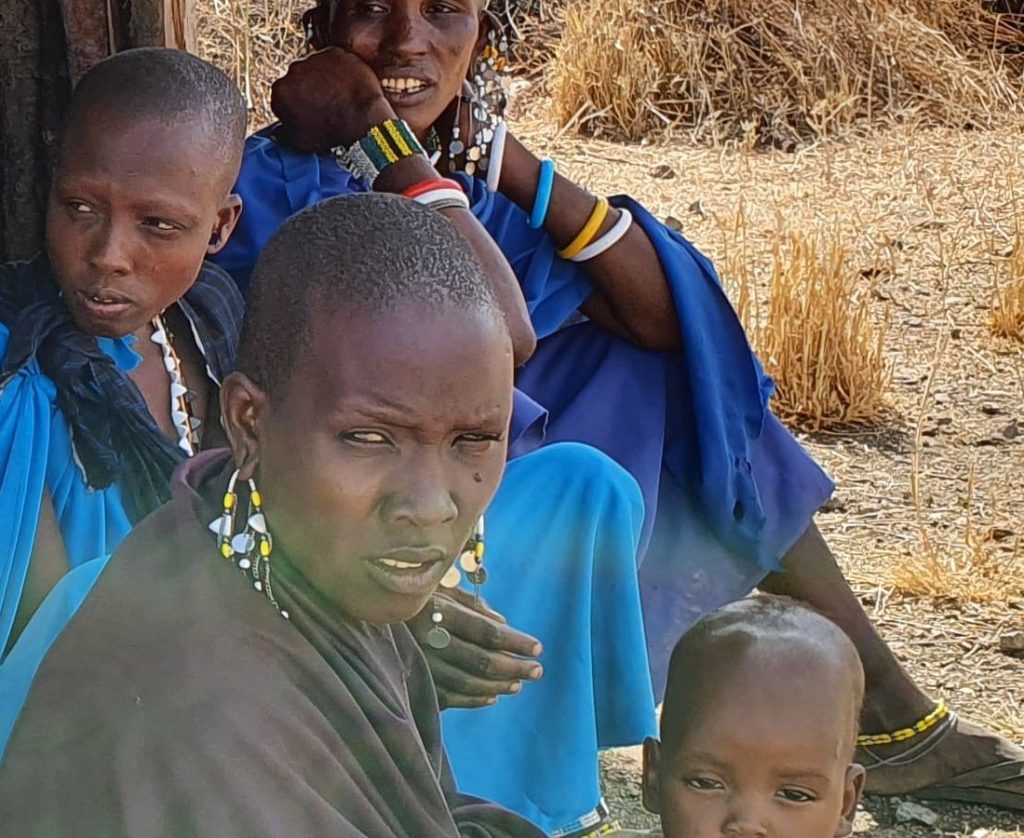
A visit to Ruaha can also provide opportunities to learn about the people and traditions of the surrounding region.
The wider Iringa area is closely associated with the Hehe people, whose history and cultural identity form an important part of Tanzania’s heritage.
Visitors may learn about local food, traditional crafts, farming practices, and everyday life through community visits arranged by reputable tourism operators.
Responsible cultural tourism can support local businesses and help visitors understand the relationship between communities, land, and wildlife conservation.
When visiting local communities, it is important to respect traditions, ask permission before taking photographs, and support legitimate local enterprises.
Ruaha is an important refuge for wildlife, but protecting such a large ecosystem requires continued conservation efforts.
Illegal hunting threatens some wildlife populations, particularly animals targeted for their body parts or meat.
Anti-poaching patrols, law enforcement, conservation partnerships, and community involvement are important for protecting the park’s wildlife.
The Great Ruaha River is essential for wildlife, particularly during the dry season.
Changes in rainfall, water use, and river flow can influence the availability of water and affect animal movements.
Protecting rivers, tributaries, and surrounding watersheds is therefore important for the long-term health of the ecosystem.
Communities living near protected areas may experience problems when wild animals damage crops or threaten livestock.
Elephants and large predators can create particular challenges for farmers and livestock keepers.
Community education, improved livestock protection, responsible land-use planning, and conservation partnerships can help reduce these conflicts.
Ruaha contains several important habitats, including grasslands, woodlands, and riverine environments.
Protecting these habitats allows wildlife to find food, water, shelter, and suitable breeding areas.
Maintaining connections between protected landscapes is also important because many animals travel over large distances.
Travelers can contribute by choosing responsible safari operators, respecting park rules, avoiding activities that disturb animals, and supporting local communities.
Responsible tourism can help generate income for conservation and provide economic opportunities for people living near protected areas.
Preparing properly can make your safari more comfortable and enjoyable.
1. Pack suitable clothing. Lightweight clothing in neutral colors is useful for game drives. Bring a warm layer for early mornings and evenings.
2. Carry sun protection. A hat, sunglasses, sunscreen, and sufficient drinking water are important, especially during the dry season.
3. Bring binoculars and a camera. These items help you observe distant wildlife and capture memorable moments.
4. Use insect repellent. Follow appropriate medical advice and take precautions against mosquito bites.
5. Seek travel-health advice. Consult a qualified health professional about vaccinations, malaria prevention, and other precautions appropriate for your itinerary.
6. Follow your guide’s instructions. Never approach, feed, or disturb wildlife. Stay inside your vehicle except in authorized areas and when your guide confirms it is safe.
7. Prepare for road conditions. A four-wheel-drive vehicle is advisable, and rainy-season journeys may take longer than expected.
8. Check park fees before traveling. Entry charges depend on visitor category, age, vehicle, and activity. Confirm current fees with the Tanzania National Parks Authority.
9. Book accommodation early. Camps and flights may have limited availability during the popular dry season.
10. Respect the environment. Avoid littering, remain on authorized roads, and do not remove plants or other natural materials from the park.
A three-day safari provides a good introduction to Ruaha’s wildlife and landscapes.
Arrive by road or air and transfer to your lodge or camp.
After settling in, enjoy an afternoon game drive through suitable wildlife-viewing areas. Look for elephants, giraffes, zebras, antelopes, and predators.
Return to your accommodation for dinner and an evening in the wilderness.
Begin with an early morning game drive while temperatures are cool and many animals are active.
Explore different habitats with your guide, paying attention to animal tracks, birdlife, and signs of predator activity.
Depending on conditions, you may visit areas near the Great Ruaha River or seasonal tributaries.
After a planned lunch break, continue exploring the park before returning to camp in the evening.
Enjoy a final morning game drive or take part in an authorized guided walking safari if one has been arranged.
Use the opportunity to photograph wildlife, observe birds, and explore areas you have not yet visited.
After breakfast, transfer to the airstrip or begin your road journey to the next destination.
Travelers with more time may benefit from spending four or five days in Ruaha, allowing a more relaxed pace and more opportunities to explore its different habitats.
Ruaha is an excellent destination for different types of travelers.
Families can also visit Ruaha, although age restrictions and activity requirements vary between accommodation providers and safari operators.
Ruaha National Park offers a remarkable combination of wildlife, natural beauty, and wilderness adventure.
Its large elephant populations, impressive predators, colorful birdlife, ancient baobab trees, and seasonal rivers create a distinctive safari experience.
The park is particularly appealing to travelers who want to enjoy nature at a slower pace. Rather than rushing between attractions, visitors can spend time observing animal behavior, learning about the ecosystem, and appreciating the changing landscape.
Whether you are watching elephants near a river, searching for lions in the early morning, photographing birds, or enjoying the sunset over the savannah, Ruaha provides countless opportunities to connect with the African wilderness.
Its conservation importance also makes responsible travel especially valuable. By choosing reputable operators and respecting wildlife and local communities, visitors can help support the long-term protection of this remarkable landscape.
Ruaha National Park is one of Tanzania’s most rewarding safari destinations for travelers seeking wildlife, beautiful scenery, and a peaceful wilderness experience.
From its impressive elephant herds and powerful lions to its diverse birdlife, ancient baobab trees, and beautiful river valleys, the park offers something for every nature enthusiast.
The dry season is generally best for observing large mammals, while the wet season brings greener scenery and excellent birdwatching opportunities. With careful planning, knowledgeable guides, and suitable accommodation, visitors can enjoy an unforgettable safari.
If you are looking to explore Tanzania beyond its best-known tourist destinations, Ruaha National Park is an excellent choice. Its remarkable wildlife, varied landscapes, and sense of remoteness make it a destination worth adding to your travel plans.
Plan your Ruaha National Park safari today and discover the wild beauty of southern Tanzania.