
Safari Holidays in Africa. There’s something almost magical about the word “safari.” It conjures images of golden savannas stretching to the horizon, the distant roar of a lion at dusk, and the quiet thrill of spotting a leopard draped across a branch. An African safari holiday is more than a vacation—it’s a sensory immersion into one of the planet’s last great wildernesses. Whether you’re watching the Great Migration thunder across the plains or gliding silently through the Okavango Delta by mokoro, these experiences stay with you for life.
This guide covers everything you need to plan a well-informed, enjoyable, and responsible safari: top destinations, ideal timing, what to expect day-to-day, costs, packing essentials, and tips for travelling thoughtfully.
Why Choose an African Safari?
Africa’s parks and reserves protect some of the most diverse and abundant wildlife on Earth. The classic “Big Five”—lion, leopard, elephant, buffalo, and rhinoceros—remain the headline attractions, but the supporting cast is equally captivating: cheetahs sprinting across open plains, massive herds of elephants, playful hippos, colourful birds, and the sheer scale of the annual wildebeest migration involving around two million animals.
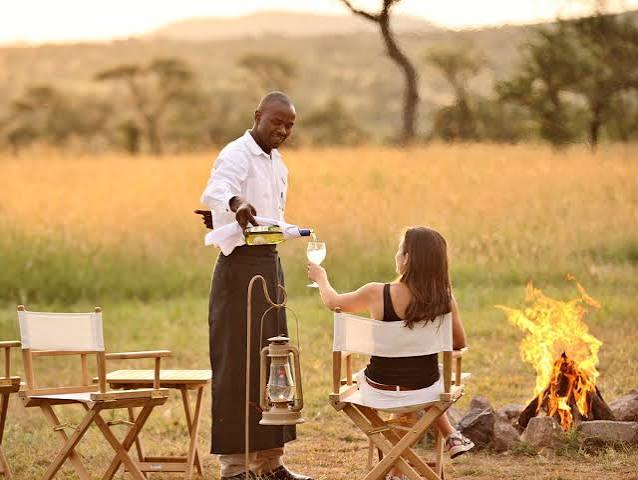
Beyond the animals, safari life itself is special. Days begin with early-morning game drives when the light is soft and predators are active. Afternoons often include rest or a second drive, ending with sundowners as the sky turns orange and purple. Many camps offer walking safaris, boat trips, or night drives that reveal a completely different side of the bush.
Top Safari Destinations in Africa – Safari Holidays in Africa
Kenya – Maasai Mara National Reserve
Famous for the dramatic Mara River crossings of the Great Migration (typically July–October). The Mara offers excellent big-cat viewing and rich cultural encounters with the Maasai people. Conservancies surrounding the reserve provide more exclusive experiences with fewer vehicles.
Tanzania – Serengeti National Park & Ngorongoro Crater
The Serengeti’s endless plains host the full cycle of the Great Migration. January–March brings the calving season in the southern plains, with intense predator activity. Ngorongoro Crater, a UNESCO World Heritage Site, is a natural amphitheatre dense with wildlife, including black rhinos.
Botswana – Okavango Delta & Chobe National Park
The Okavango is a unique wetland wilderness where water meets dry land. Explore by mokoro (traditional dugout canoe), boat, or game drive. Chobe is renowned for enormous elephant herds, especially along the riverfront. Botswana emphasises low-volume, high-quality tourism, making it feel exclusive.
South Africa – Kruger National Park & Sabi Sand Private Game Reserve
Ideal for first-timers. Kruger is accessible, offers strong Big Five viewing, and has excellent infrastructure, including self-drive options. Neighbouring private reserves like Sabi Sand deliver outstanding leopard sightings and more intimate experiences, often malaria-free in some areas.
Other outstanding options
- Zambia (South Luangwa): Birthplace of the walking safari; excellent leopards and hippos.
- Namibia (Etosha): Stark, beautiful landscapes with wildlife concentrating at waterholes.
- Uganda & Rwanda: Mountain gorilla trekking—one of the most profound wildlife encounters possible.
Best Time to Visit – Safari Holidays in Africa
There is no single “perfect” month—it depends on what you want to see and your tolerance for crowds and cost.
- Dry season (roughly May/June–October): Vegetation is thinner, animals gather around water sources, and game viewing is generally easiest. This is peak season for most destinations and the classic time for migration river crossings (July–September in the Mara/northern Serengeti).
- Green/wet season (November–April): Landscapes turn lush and photogenic, newborn animals appear, birdlife is spectacular, and prices are often lower with fewer visitors. The southern Serengeti calving season (January–February) is a major highlight. Some roads can become challenging after heavy rain.
September and October frequently rank among the strongest overall months for classic dry-season viewing across much of the continent.
What a Typical Safari Day Looks Like
Most lodges and camps follow a similar rhythm:
- Early wake-up (around 5:30–6:00 am) for a morning game drive.
- Return for brunch or lunch, followed by siesta time (heat is often intense midday).
- Afternoon/evening game drive or activity, often ending with sundowners.
- Dinner under the stars or in a lantern-lit boma, sometimes followed by a night drive.
Activities vary by location: vehicle game drives are standard, but many camps also offer walking safaris, boat cruises, mokoro trips, or hot-air balloon rides (an unforgettable—and expensive—optional extra).
Costs: What to Budget – Safari Holidays in Africa
Safari prices vary widely according to destination, season, and style:
- Budget: roughly $150–$350 per person per day (camping, basic lodges, shared vehicles).
- Mid-range: $350–$750 per person per day (comfortable tented camps or lodges, good guiding).
- Luxury: $750–$2,000+ (and sometimes far higher) for exclusive private reserves, high-end camps, and excellent service.
These figures usually include accommodation, meals, game drives, and park fees. International flights, visas, travel insurance, tips, and premium drinks are typically extra. South Africa and Namibia often offer the best value, while Botswana tends to be the most expensive due to its exclusive model. Booking well in advance (12–18 months for popular camps in peak season) is essential.
Essential Packing List
Pack light—many bush flights have strict weight limits (often around 15–20 kg / 33–44 lbs in soft-sided bags).
Clothing
Neutral colours (khaki, olive, beige, brown)—avoid bright colours, white, and camouflage. Lightweight long-sleeved shirts and trousers for sun and insect protection, a warm fleece or jacket for early mornings, a light rain jacket, comfortable walking shoes, and a wide-brimmed hat.
Other essentials
Binoculars (highly recommended), sunscreen, insect repellent with DEET, personal medications, camera with zoom lens and spare batteries/memory cards, headlamp, and a soft duffel bag. Most camps provide laundry services, so you don’t need a huge wardrobe.
Health, Safety & Practical Tips
Consult a travel clinic well in advance for recommended vaccinations and malaria prophylaxis (required in many areas). Travel insurance that covers medical evacuation is essential. Stick to camp guidelines around wildlife—never walk alone at night in unfenced camps. Most vehicles are open-sided 4x4s with experienced guides who prioritise safety.
Responsible Safari Travel
Choose operators and camps that support conservation and local communities. Many private reserves and lodges fund anti-poaching efforts, community projects, and habitat protection. Respect wildlife viewing etiquette: keep a respectful distance, limit time at sightings if other vehicles are waiting, and never feed animals. Supporting community conservancies helps ensure tourism benefits the people who live alongside wildlife.
Final Thoughts – Safari Holidays in Africa
An African safari is one of the most rewarding ways to experience the natural world. The combination of vast landscapes, extraordinary animals, skilled guides, and the simple rhythms of bush life creates memories that feel almost unreal once you’re home.