
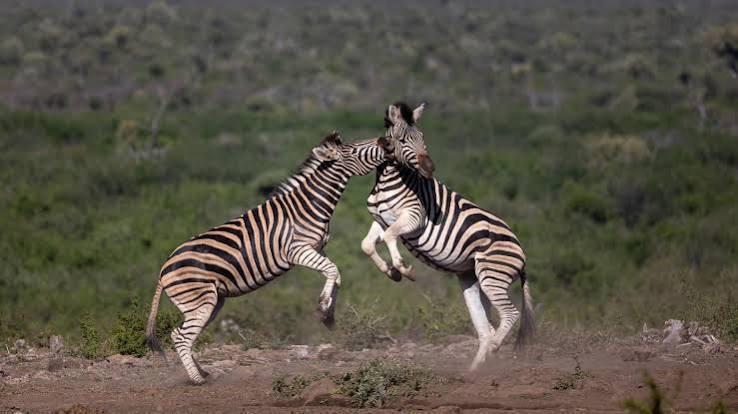
The Best African Safaris for First-Timers. Your first safari is the one you’ll remember most vividly. You’ll never forget the first time an elephant walks past your vehicle close enough that you can hear it breathing.
But with so many countries, parks, and lodge styles, choosing where to go can feel overwhelming. This guide narrows it down. You’ll find the best first-timer destinations, what a typical day looks like, when to go, what to pack, and how to avoid common mistakes.
What Makes a Good First Safari?
Not every safari suits a beginner. The best first-time destinations share a few traits:
- Reliable wildlife sightings, so you don’t leave disappointed
- Good infrastructure, including solid lodges, roads, and airstrips
- Experienced guides who can explain what you’re seeing
- Easy logistics, with short transfers and well-organized operators
- A range of budgets, so you can pick what fits
The destinations below all tick these boxes.
The 6 Best Safari Destinations for First-Timers
1. Kenya: The Classic Introduction
Kenya is the birthplace of the safari, and it remains one of the easiest places to start.
Why it works: The Maasai Mara has some of the highest predator densities in Africa. Lions, leopards, cheetahs, and hyenas are regularly seen, and the open grassland makes spotting easy. Between roughly July and October, the Great Migration brings over a million wildebeest and zebra to the Mara, with dramatic river crossings.
Add-ons: Amboseli National Park offers large elephant herds against Mount Kilimanjaro. Lake Nakuru is excellent for birds and rhinos.
Best for: Big cats, the migration, and a traditional safari feel.
Ideal length: 6 to 8 days.
2. Tanzania: Wild and Spectacular
Tanzania delivers scale. The Serengeti is one of the most famous wildlife areas on Earth, and the Ngorongoro Crater packs an astonishing amount of wildlife into a natural bowl, including a chance to see black rhino.
Why it works: Wildlife is abundant, and the northern circuit (Tarangire, Manyara, Ngorongoro, Serengeti) is well established with lodges at every level.
Add-ons: End your trip on the beaches of Zanzibar.
Best for: Landscapes, wildlife density, and combining safari with a beach holiday.
Ideal length: 7 to 10 days.
3. South Africa: The Easiest and Most Comfortable
If you want a smooth, comfortable introduction, South Africa is hard to beat.
Why it works: Kruger National Park and the private reserves beside it (such as Sabi Sands and Timbavati) offer excellent Big Five viewing (lion, leopard, elephant, buffalo, rhino). Roads are good, healthcare is reliable, and many areas are malaria-free, which is a big plus for families and anyone nervous about medication.
Add-ons: Cape Town, the Garden Route, and the Winelands.
Best for: Families, comfort seekers, and combining safari with city travel.
Ideal length: 5 to 7 days for safari, plus extra days for add-ons.
4. Uganda: Gorillas and Variety
Uganda is a superb choice for travelers who want more than classic game drives.
Why it works: In one trip you can trek to see mountain gorillas in Bwindi, track chimpanzees in Kibale, enjoy savanna game drives in Queen Elizabeth National Park, and cruise the Nile beneath Murchison Falls. Crowds are small, and the value is excellent compared with Kenya and Tanzania.
A note for first-timers: Gorilla trekking can be physically demanding, with steep, muddy terrain at altitude. Porters are available and highly recommended. Permits must be booked well ahead.
Best for: Primates, birds, scenery, and travelers who want variety and value.
Ideal length: 7 to 10 days.
5. Rwanda: Short, Safe, and Special
Rwanda is compact, clean, and beautifully organized.
Why it works: Volcanoes National Park offers gorilla trekking with relatively short transfers from Kigali. Akagera National Park adds a savanna safari with lions, rhinos, and giraffes.
Best for: Short trips, gorilla encounters, and luxury travelers. Permits are pricier than in Uganda.
Ideal length: 4 to 6 days.
6. Botswana: Wild and Exclusive
Botswana is best for travelers with a larger budget who want quiet, uncrowded wilderness.
Why it works: The Okavango Delta and Chobe National Park offer boat safaris, mokoro (canoe) trips, and remarkable elephant sightings. Visitor numbers are deliberately kept low.
Best for: Exclusivity and unique water-based safaris.
Ideal length: 6 to 9 days.
Quick Comparison
| Destination | Best For | Budget | Malaria Risk | Difficulty |
|---|---|---|---|---|
| Kenya | Big cats, migration | Mid to high | Yes | Easy |
| Tanzania | Scale, wildlife density | Mid to high | Yes | Easy |
| South Africa | Families, comfort | Low to high | Some areas free | Very easy |
| Uganda | Gorillas, variety | Low to mid | Yes | Moderate |
| Rwanda | Gorillas, short trips | High | Yes | Easy |
| Botswana | Exclusivity, water safaris | High | Seasonal | Easy |
When Is the Best Time to Go?
For first-timers, the dry season (roughly June to October) is usually the safest choice. Vegetation thins out, animals gather around water sources, and the weather is comfortable. In southern Africa, the dry season runs from about May to September.
The green season (November to May) has its own rewards. Landscapes are lush, baby animals appear, birdlife is spectacular, and prices drop. The trade-off is occasional rain and thicker vegetation, which can make animals harder to spot.
Rule of thumb: If you want guaranteed, easy sightings, go in the dry season. If you want fewer crowds and better prices, consider the green season.
What Does a Typical Safari Day Look Like?
Knowing the rhythm of a safari helps you relax into it.
- 5:30 to 6:00 AM: Wake-up call with tea or coffee. Early mornings are when animals are most active.
- 6:00 to 10:00 AM: Morning game drive. Many lodges serve a bush breakfast in the wild.
- 10:30 AM to 3:00 PM: Return to camp for brunch or lunch, then rest, swim, read, or nap during the heat of the day.
- 3:30 to 6:30 PM: Afternoon game drive, often ending with a sundowner drink at sunset.
- 7:30 PM: Dinner, often around a campfire, followed by an early night.
It’s a slow, immersive rhythm. Don’t overschedule your days.
How Much Should You Budget?
Prices vary widely, but here are rough per-person estimates for a week, excluding international flights:
- Budget: $1,500 to $3,000 (camping or basic lodges, shared vehicles)
- Mid-range: $3,500 to $6,000 (comfortable lodges and tented camps)
- Luxury: $7,000 to $15,000+ (premium camps and private reserves)
Don’t forget the extras: visas, travel insurance, tips, drinks, optional activities, and vaccinations. Add roughly 10 to 15 percent to your budget for these. Gorilla permits are a large separate cost, so confirm current fees with your operator.
What to Pack – The Best African Safaris for First-Timers
Clothing
- Neutral colors such as khaki, olive, and tan
- Layers, because early mornings can be cold and afternoons hot
- A light rain jacket in the green season
- A wide-brimmed hat and sunglasses
Gear
- Binoculars (a real difference-maker)
- A camera with a zoom lens, plus spare batteries
- A power bank and a universal adapter
- Insect repellent and high-SPF sunscreen
- A small daypack
- A soft duffel bag, since small bush planes often have strict luggage rules
Personal
- Any prescription medication
- A basic first-aid kit
- Comfortable closed shoes
Health, Safety, and Etiquette – The Best African Safaris for First-Timers
- See a travel clinic 6 to 8 weeks before departure to discuss vaccinations and malaria prevention.
- Buy comprehensive travel insurance that covers medical evacuation.
- Listen to your guide. They are trained to read animal behavior and keep you safe.
- Stay in the vehicle unless your guide says otherwise.
- Keep your voice low and avoid sudden movements near wildlife.
- Never feed or approach animals.
Safaris are very safe when the rules are followed.
8 Common First-Timer Mistakes – The Best African Safaris for First-Timers
- Trying to see too much. Long drives between parks wear you out. Give each park at least two nights.
- Booking too late. Peak-season lodges and gorilla permits can sell out 9 to 12 months ahead.
- Choosing on price alone. Rock-bottom deals often mean crowded vehicles or hidden costs.
- Skipping binoculars. You’ll want them constantly.
- Expecting a zoo. Wildlife is wild. Some drives are quiet, and patience is part of the experience.
- Packing too much. Luggage limits on small planes are strict.
- Ignoring the season. The wrong month can affect both sightings and comfort.
- Forgetting insurance. In remote areas, it is essential.
How to Choose Your Perfect First Safari – The Best African Safaris for First-Timers
Ask yourself three questions:
What do I most want to see?
- Big cats and the migration: Kenya or Tanzania
- Gorillas and chimpanzees: Uganda or Rwanda
- The Big Five with maximum comfort: South Africa
- Quiet wilderness: Botswana
What is my budget?
South Africa and Uganda tend to offer the best value, while Rwanda and Botswana sit at the premium end.
How much time do I have?
A week is enough for a rewarding first safari. Ten days gives you room to combine two parks or add a beach.
Our Top Picks at a Glance – The Best African Safaris for First-Timers
- Best overall for first-timers: Kenya (Maasai Mara and Amboseli)
- Best for scenery and wildlife density: Tanzania (Serengeti and Ngorongoro)
- Best for comfort and families: South Africa (Kruger and private reserves)
- Best for value and variety: Uganda
- Best short trip: Rwanda
Final Thoughts – The Best African Safaris for First-Timers
Best Safari Holidays. There’s no wrong choice for a first safari, only the one that fits your interests, budget, and timing. Whichever destination you pick, you’ll come home with a new appreciation for the natural world and probably a plan for your next trip.