
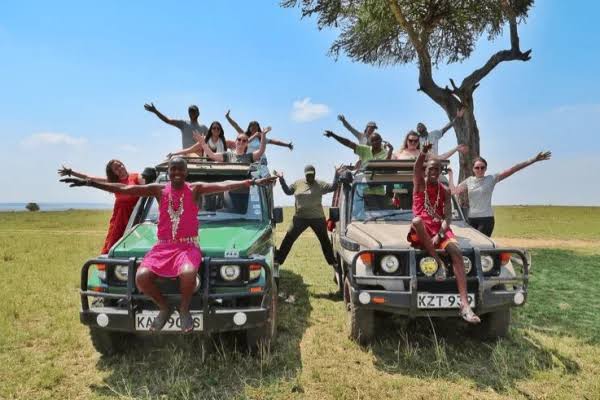
Affordable African Safaris and Adventure. Many people assume an African safari is only for the wealthy, with luxury lodges, private planes, and five-figure price tags. That’s one version of safari, but not the only one.
With smart planning, the right destination, and the right style of travel, you can have an incredible wildlife and adventure trip on a modest budget. This guide covers the most affordable destinations, the activities worth paying for, how to cut costs without cutting the experience, and the pitfalls to avoid.
What Does “Affordable” Mean on Safari?
Safari costs are driven mostly by park fees, vehicle and fuel costs, accommodation, and permits. Here is a rough guide to daily costs per person, excluding international flights:
| Style | Approximate Cost per Day | What You Get |
|---|---|---|
| Budget | $100 to $200 | Camping or basic lodges, shared vehicles, simple meals |
| Mid-range | $250 to $450 | Comfortable lodges, private or small-group vehicles |
| Luxury | $600+ | Premium camps, private reserves, fly-in transfers |
Affordable safaris sit in the budget to lower mid-range category. They are not “cheap” in quality. They simply skip the extras you may not need, like spas and infinity pools.
These are estimates and vary by season and operator, so always request an itemized quote.
The Best Affordable Safari Destinations
1. Uganda: Best Value in East Africa
Uganda offers more variety per dollar than almost anywhere else.
What you can do:
- Game drives in Queen Elizabeth National Park, home to lions, elephants, and the famous tree-climbing lions of Ishasha
- A boat cruise on the Kazinga Channel, where hippos and elephants gather at the water’s edge
- Murchison Falls, where you can see the Nile squeeze through a narrow gorge and then cruise to its base
- Chimpanzee tracking in Kibale Forest
- Mountain gorilla trekking in Bwindi, one of the most extraordinary wildlife experiences in the world
Why it’s affordable: Park fees, accommodation, and food are generally lower than in Kenya or Tanzania, and crowds are smaller. Gorilla permits are a major cost (roughly $800 at the time of writing), but they are less than half the price of Rwanda’s permits.
Best for: Travelers who want primates, birds, and scenery on a reasonable budget.
Ideal budget trip: 6 to 8 days.
2. Kenya: Classic Safari, Flexible Prices
Kenya has options at every budget, which makes it a great starting point.
Budget highlights:
- Maasai Mara on a shared group safari or camping package
- Lake Nakuru and Lake Naivasha for flamingos, rhinos, and boat rides
- Amboseli for elephants with Kilimanjaro in the background
- Tsavo East and West, which have lower fees and fewer crowds than the Mara
Money-saving tip: Join a small-group departure. Sharing vehicle and guide costs makes a big difference.
Best for: First-timers, big cats, and the Great Migration (roughly July to October).
Ideal budget trip: 5 to 7 days.
3. Tanzania: Big Experiences, Smart Choices
Tanzania’s top parks have high fees, but you can still travel affordably.
How to do it:
- Choose Tarangire, Lake Manyara, and Ngorongoro instead of an extended Serengeti stay
- Book camping or budget lodge safaris, which are well established in Arusha
- Travel in the green season (April to May and November) for lower prices
Best for: Landscapes, wildlife density, and a Zanzibar beach add-on.
Ideal budget trip: 5 to 7 days.
4. South Africa: Self-Drive on a Budget
South Africa is unique because you can explore on your own.
Why it saves money:
- Kruger National Park has affordable public rest camps and campsites
- You can rent a car and self-drive, avoiding guide and vehicle fees
- Food and groceries are inexpensive compared with other safari countries
- Many areas are malaria-free, so you can skip prophylaxis costs
Best for: Independent travelers, families, and anyone who enjoys road trips.
Ideal budget trip: 5 to 8 days.
5. Namibia: Adventure on Wheels
Namibia is a self-drive paradise with dramatic scenery and remarkable wildlife.
Highlights:
- Etosha National Park, where waterholes draw elephants, lions, and rhinos
- The towering red dunes of Sossusvlei
- The wild coastline near Swakopmund
Budget tip: Rent a 4×4 with camping gear and use campsites throughout. Distances are long, so plan your route carefully.
Best for: Adventurous travelers who love open roads and big skies.
Ideal budget trip: 8 to 12 days.
Adventure Activities Worth the Money
A safari is more than game drives. These add excitement without necessarily breaking the budget.
Gorilla and chimpanzee trekking (Uganda). Expensive for the permit, but unforgettable. Chimpanzee tracking costs far less and is a great alternative.
White-water rafting on the Nile (Jinja, Uganda). One of the best rafting experiences in the world, with options for beginners and thrill-seekers.
Walking safaris. Many parks offer guided walks at low cost. You’ll notice tracks, insects, and plants that you miss from a vehicle.
Boat safaris. Cruises on the Kazinga Channel or Nile are reasonably priced and offer excellent photography.
Hiking. Climb Mount Kenya, trek in the Rwenzori Mountains, or hike around Hell’s Gate in Kenya, where you can walk among zebras.
Cultural visits. Spend time in a local village, community project, or craft market. These are inexpensive and support local people directly.
Cycling and quad biking. Often available around lakes and park edges for a small fee.
12 Ways to Save Money on an African Safari
- Travel in the green season. Lodges often cut rates by 20 to 40 percent between November and May. You’ll also get lush scenery and baby animals.
- Join a group safari. Shared vehicles split the biggest costs.
- Choose camping or budget lodges. Many are clean, safe, and full of character.
- Pick less famous parks. Places like Tsavo, Lake Mburo, and Tarangire offer excellent wildlife for less.
- Book direct with local operators. Skipping international agents often means lower prices. Make sure the operator is licensed and well reviewed.
- Keep your trip focused. Fewer parks mean fewer long drives, less fuel, and lower costs.
- Travel with friends or family. Sharing a vehicle and room cuts per-person costs sharply.
- Book flights early and compare airports. Sometimes flying into a neighboring country’s hub is cheaper.
- Avoid peak holidays. Christmas, New Year, and July to August are the priciest times.
- Self-drive where it’s safe and suitable. South Africa and Namibia are ideal.
- Skip unnecessary add-ons. Choose one or two special activities instead of everything.
- Ask about last-minute deals. Operators sometimes discount unsold departures.
Sample Budget Itineraries
6 Days: Uganda Wildlife on a Budget
- Day 1: Arrive in Entebbe, transfer to Kampala
- Day 2: Drive to Murchison Falls
- Day 3: Morning game drive and Nile boat cruise
- Day 4: Travel to Queen Elizabeth National Park
- Day 5: Game drive and Kazinga Channel cruise
- Day 6: Return to Entebbe
Add 2 days for gorilla trekking in Bwindi.
5 Days: Kenya Essentials
- Day 1: Arrive in Nairobi
- Days 2-4: Maasai Mara group safari with camping or budget lodge
- Day 5: Return to Nairobi
7 Days: Northern Tanzania Value Route
- Day 1: Arrive in Arusha
- Day 2: Tarangire National Park
- Day 3: Lake Manyara
- Days 4-5: Ngorongoro Crater and highlands
- Days 6-7: Optional Serengeti extension or return
What Is Usually Not Included – Affordable African Safaris and Adventure
Even affordable packages have extras. Check for:
- International flights
- Visas
- Travel and medical insurance
- Tips for guides, drivers, and camp staff
- Alcohol and soft drinks
- Optional activities
- Vaccinations and personal spending
A smart rule is to add 10 to 15 percent to your budget for these.
Packing Smart and Light – Affordable African Safaris and Adventure
- Neutral-colored clothing (khaki, olive, tan)
- A warm layer and a light rain jacket
- Hat, sunglasses, and sunscreen
- Insect repellent
- Binoculars and a camera
- Sturdy walking shoes
- A power bank and universal adapter
- A soft duffel bag, which is much easier to fit in vehicles and small planes
- Reusable water bottle and a basic first-aid kit
If you are camping, ask your operator what gear is provided before you buy anything.
Safety and Health Basics – Affordable African Safaris and Adventure
- Visit a travel clinic 6 to 8 weeks before departure
- Ask about malaria prevention and yellow fever requirements
- Buy travel insurance that covers medical evacuation
- Use a reputable, licensed operator
- Follow your guide’s instructions at all times
- Never approach or feed wildlife
Budget travel does not mean compromising on safety.
Mistakes to Avoid When Traveling on a Budget – Affordable African Safaris and Adventure
Choosing the very cheapest option. Extremely low prices can mean overcrowded vehicles, poor guides, or hidden fees. If it looks too good to be true, ask questions.
Hiding costs in the fine print. Always confirm what the price includes, especially park fees and transfers.
Cramming too many parks into a short trip. You’ll spend more time in the car than watching wildlife.
Skipping insurance to save money. One medical emergency can cost far more than the policy.
Not tipping. Guides and camp staff often rely on tips. Budget for them.
Ignoring road conditions. Some budget routes have long, bumpy drives. Be realistic about travel time.
Frequently Asked Questions – Affordable African Safaris and Adventure
What is the cheapest country for safari in Africa?
Uganda and South Africa are often the best-value options, depending on how you travel. Self-drive in South Africa and Namibia can be especially economical.
Can I do a safari for under $1,000?
A short budget safari of 3 to 4 days in Kenya, Uganda, or Tanzania can fall near that range, excluding flights. Gorilla trekking will push costs higher because of the permit.
Is a budget safari safe?
Yes, provided you choose a licensed operator with good reviews and a clear itinerary.
When is the cheapest time to go?
The green season (April to May and November) usually offers the lowest rates.
Is camping safe on safari?
At established campsites with guides or staff, yes. Follow instructions, keep food secured, and never wander at night.
Do I need to book months ahead?
For peak season and gorilla permits, yes. For budget group departures in the green season, 2 to 3 months is often enough.
Final Thoughts – Affordable African Safaris and Adventure
Best Safari Holidays. An unforgettable safari doesn’t depend on a luxury budget. It depends on curiosity, good timing, and a willingness to travel a little differently. Sleep in a simple tent beneath a sky full of stars, share a vehicle with fellow travelers, trade a spa for a sunrise game drive, and you’ll come home with the same memories, and a lot more money in your pocket.