Standing at approximately 5,895 meters (19,341 feet) above sea level, Mount Kilimanjaro is the highest mountain in Africa and the tallest free-standing mountain in the world. Its snow-capped summit, volcanic formations, beautiful forests, and unique ecological zones attract thousands of visitors every year.
Unlike many other high mountains, Kilimanjaro can be climbed without advanced technical mountaineering skills. However, reaching the summit requires good preparation, physical endurance, and enough time to adjust to the high altitude.
Whether you are an experienced hiker, a nature lover, a photographer, or a traveler looking for a meaningful adventure, Mount Kilimanjaro offers an extraordinary experience.
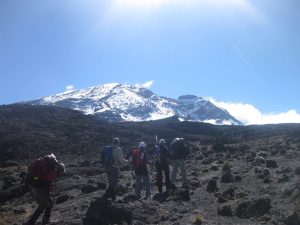
Mount Kilimanjaro is located in northeastern Tanzania, close to the border with Kenya. It lies within Kilimanjaro National Park, a protected area established to conserve the mountain’s natural environment, wildlife, forests, and distinctive landscapes.
The nearest major towns are Moshi and Arusha. Moshi is particularly popular among climbers because it serves as a convenient starting point for many Kilimanjaro climbing expeditions.
The mountain is surrounded by open plains, agricultural land, villages, and forests. On clear days, its impressive peaks can be seen from considerable distances, creating a striking contrast with the relatively flat landscape below.
Kilimanjaro’s location also makes it possible to combine a mountain climbing adventure with a wildlife safari in Tanzania’s famous national parks, including Serengeti National Park and Tarangire National Park.
Mount Kilimanjaro is a volcanic mountain formed through geological activity over a long period. It consists of three main volcanic cones: Kibo, Mawenzi, and Shira.
Kibo is the highest cone and contains Uhuru Peak, the highest point in Africa. Mawenzi has rugged, jagged peaks, while Shira is an older volcanic formation that has undergone extensive erosion.
Although Kilimanjaro is a volcanic mountain, it is not currently known for frequent eruptions. Kibo is considered dormant, while Mawenzi and Shira are extinct.
The mountain has long held cultural and spiritual significance for communities living around it, particularly the Chagga people who inhabit its southern and eastern slopes. These communities have developed agricultural practices adapted to the mountain’s fertile soils and varying climate.
Today, Kilimanjaro is internationally recognized as a natural treasure and an important destination for tourism, scientific research, and environmental conservation.
Mount Kilimanjaro has three main volcanic cones, each with its own geological characteristics.
Kibo is the highest and youngest of the three cones. It is home to Uhuru Peak, which stands at 5,895 meters above sea level.
The summit area features rocky terrain, glaciers, ice fields, and volcanic formations. Climbers usually reach the summit after a challenging nighttime ascent, when temperatures are extremely low and the air contains much less oxygen than at lower elevations.
Mawenzi is the second-highest volcanic cone. Its rugged ridges and sharp rock formations create a dramatic appearance.
Unlike Kibo, Mawenzi is not a normal route to the main summit because its terrain is technically challenging. It is especially interesting to experienced mountaineers and people studying the mountain’s geology.
Shira is the oldest of Kilimanjaro’s three volcanic cones. Over time, erosion has transformed much of its original structure into a broad plateau.
The Shira Plateau is known for its beautiful scenery, open landscapes, and wide views of Kibo. Some climbing routes cross this area, allowing visitors to experience one of the mountain’s distinctive environments.
One of the most fascinating features of Mount Kilimanjaro is the dramatic change in vegetation, temperature, and scenery as visitors climb higher.
The mountain is commonly divided into five ecological zones.
The lower slopes contain cultivated land, villages, and green forests. The fertile volcanic soil supports crops such as bananas, coffee, and maize.
As climbers enter the montane forest, they encounter tall trees, thick vegetation, mosses, and a variety of bird species. The forest also provides habitat for several mammals.
This zone is usually warm and humid compared with the higher parts of the mountain. It offers a beautiful introduction to Kilimanjaro’s natural environment.
Above the forest lies the heath and moorland zone, where the vegetation becomes shorter and more widely spaced.
Visitors may see giant heathers, grasses, shrubs, and unusual plants adapted to changing temperatures and limited moisture.
The scenery becomes more open, allowing spectacular views of the mountain slopes and surrounding landscapes. Temperatures can drop considerably, particularly at night.
The alpine desert is characterized by dry conditions, rocky ground, strong sunlight, and limited vegetation.
Only specially adapted plants can survive in this environment. During the day, the sun can feel intense, while nighttime temperatures may fall below freezing.
This zone highlights the extreme environmental changes that occur as climbers move toward the summit.
The highest ecological zone includes the summit area, where temperatures are often very low and oxygen levels are significantly reduced.
The landscape consists mainly of rock, ice, snow, and volcanic formations. Glaciers and ice fields have historically been among Kilimanjaro’s most recognizable features, although they have shrunk substantially over time.
Reaching this zone is one of the most demanding parts of the climb, requiring careful pacing, proper clothing, and attention to altitude-related symptoms.
The mountain’s changing environments make it a valuable natural laboratory for studying climate, plant adaptation, and biodiversity.
Within a relatively short vertical distance, visitors can experience conditions resembling tropical forests, temperate moorlands, deserts, and polar environments.
This diversity is one of the main reasons Mount Kilimanjaro is considered one of Africa’s most extraordinary natural destinations.
Mount Kilimanjaro is home to a variety of wildlife, particularly in its forested areas and lower slopes.
Animals found in the mountain’s wider ecosystem include blue monkeys, colobus monkeys, bushbucks, duikers, and various small mammals. Elephants may also be encountered in some forest areas, although sightings are not guaranteed.
Birdlife is another attraction. Visitors may see turacos, hornbills, sunbirds, and other forest and montane species.
Wildlife encounters depend on the location, season, weather, and time of day. As a result, Kilimanjaro should not be considered primarily a wildlife safari destination. Its greatest attraction is the combination of mountain scenery, ecological diversity, and the challenge of reaching the summit.
Travelers interested in seeing large numbers of elephants, lions, giraffes, zebras, and other savannah animals can combine their Kilimanjaro trip with a safari in Tanzania’s northern circuit.
Climbing Mount Kilimanjaro is the main reason many travelers visit the mountain. The journey takes climbers through different landscapes before reaching Uhuru Peak, the highest point in Africa.
Although the climb does not normally require ropes or advanced technical climbing equipment on standard routes, it is physically demanding. The main challenges include long walking days, cold weather, steep sections, and reduced oxygen at high altitude.
Most expeditions take between five and nine days, depending on the chosen route and itinerary. Longer itineraries generally provide more time for the body to adjust to the altitude, which can improve the chances of reaching the summit safely.
Climbers usually travel with professional guides and a support crew. Depending on the route and operator, the crew may include assistant guides, cooks, and porters.
The final summit attempt often begins around midnight. Climbers proceed slowly toward the summit in darkness, aiming to reach the upper mountain around sunrise or shortly afterward.
Watching the sun rise over the African landscape from near the highest point on the continent is one of the most memorable experiences of the journey.
Several established routes lead toward Uhuru Peak. Each offers a different combination of scenery, difficulty, duration, and accommodation.
The Marangu Route is one of the oldest and most established routes on Kilimanjaro. It approaches the mountain from the southeast and is commonly associated with hut accommodation.
The route passes through forest, moorland, and high-altitude landscapes before reaching the summit.
Because accommodation is provided in huts, climbers do not need to sleep in tents along this route. However, the availability of huts does not make the climb easy, and a shorter itinerary may leave less time for altitude adjustment.
Marangu is suitable for travelers who prefer hut accommodation and a well-established climbing trail.
The Machame Route approaches Kilimanjaro from the southwest and is known for its varied scenery.
Climbers pass through rainforest, moorland, rocky landscapes, and high-altitude terrain. The route also includes opportunities to experience the mountain’s changing vegetation and dramatic views.
Machame is often chosen by hikers who want a scenic trekking experience. It involves camping and can include challenging ascents and descents.
Many itineraries take six or seven days, although longer options are available.
The Lemosho Route begins on the western side of Kilimanjaro and is widely appreciated for its scenic beauty and gradual approach.
It crosses forested slopes and the Shira Plateau before joining trails that lead toward the summit.
The route is often completed in seven or eight days, allowing a more gradual ascent than some shorter itineraries.
Lemosho is a strong option for travelers seeking impressive scenery, a longer trekking experience, and additional time to adjust to the altitude.
The Rongai Route approaches Kilimanjaro from the northern side, near the Kenyan border.
This route is known for its relatively remote atmosphere and different views of the mountain. Conditions on the northern slopes may also be drier than on some southern approaches.
Rongai is an option for travelers who prefer a quieter trail and want to experience a different side of Kilimanjaro.
The itinerary generally requires camping and several days of hiking.
The Northern Circuit is one of the longest established routes on Kilimanjaro. It travels around much of the northern side of the mountain before approaching the summit.
Its longer duration provides more time for gradual altitude adjustment and offers extensive views across different sides of Kilimanjaro.
The route is particularly attractive to climbers who have enough time for a longer expedition and want a less rushed experience.
The Umbwe Route is a steep and demanding approach from the southern side of Kilimanjaro.
Its rapid ascent makes altitude adjustment more difficult, especially for climbers who are not well acclimatized.
For this reason, Umbwe is generally better suited to experienced trekkers who understand the challenges of high-altitude travel and are comfortable with demanding terrain.
The best route depends on your fitness, available time, budget, preferred scenery, and experience at altitude.
Rather than choosing solely because a route is short or inexpensive, consider how much time the itinerary allows for acclimatization. A qualified operator can help you select a route that balances your goals with safety.
Mount Kilimanjaro can be climbed throughout the year, but weather conditions influence the experience.
The mountain has relatively drier periods and wetter periods. The months most commonly preferred for climbing are January to early March and June to October, although conditions vary from year to year.
These months often provide favorable climbing conditions, with opportunities for clear views and relatively stable weather.
Temperatures remain cold at higher elevations, and weather can change quickly. Climbers should still prepare for rain, wind, and freezing summit conditions.
This period is another popular time to climb Kilimanjaro. The weather is often relatively dry, and the trails can offer excellent views.
July and August are particularly popular with international travelers, so booking in advance is advisable.
The long rains commonly occur around March to May, while shorter rains often occur around November and December. The timing and intensity vary from year to year.
Rain can make forest trails muddy and slippery, while clouds may reduce visibility. However, the mountain can also appear especially green and beautiful during wetter periods.
The best time for your trip depends on your priorities. If you prefer generally drier trails and clearer views, consider one of the commonly favored climbing periods.
Mount Kilimanjaro is achievable for many reasonably fit people, but it should never be underestimated.
The standard trekking routes do not usually require technical mountaineering skills. Nevertheless, climbers must be prepared for long days of walking, steep sections, cold temperatures, and sleeping at high elevations.
The most significant challenge is altitude. As elevation increases, the amount of oxygen available with each breath decreases. This can cause altitude sickness, even in people who are physically strong and accustomed to exercise.
Common symptoms of acute mountain sickness include headaches, nausea, dizziness, fatigue, and loss of appetite.
Climbers should inform their guides immediately if they develop symptoms. Severe symptoms require urgent descent and medical assessment. Confusion, difficulty walking straight, or breathlessness at rest are particularly serious warning signs.
Good preparation, gradual ascent, adequate hydration, and sufficient rest can help reduce risks, but they cannot eliminate them.
Proper preparation can make the journey more comfortable and improve your ability to cope with the physical demands of the mountain.
Begin preparing several months before your planned climb if possible.
Useful activities include walking, hiking, climbing stairs, cycling, and cardiovascular exercise. Longer hikes on uneven terrain can help prepare your legs and feet for consecutive days of walking.
Practice walking with the daypack you expect to carry. This helps you become familiar with its weight and fit.
Physical fitness is valuable, but it does not guarantee that you will avoid altitude sickness. Allowing enough time for acclimatization remains essential.
The climb requires patience and determination. Some days involve many hours of walking, and the final summit attempt can be especially challenging because of the cold, darkness, and altitude.
Adopt a steady pace and avoid comparing your progress with that of other climbers. Following your guide’s instructions and recognizing your physical limits are important parts of a successful expedition.
Book with a reputable operator that uses qualified guides, provides suitable equipment and meals, and has clear emergency procedures.
Ask about the itinerary, group size, accommodation, equipment requirements, evacuation arrangements, and what is included in the price.
You should also check visa requirements, travel insurance, vaccinations, and other entry requirements well before departure.
Packing the right equipment is important because weather conditions change significantly as you gain altitude.
Your packing list should generally include:
Your operator should provide a detailed equipment checklist before departure. Some equipment may be available for hire, but you should confirm quality, sizes, and availability in advance.
Accommodation depends on the route and the type of trip you book.
Most routes use campsites where climbers sleep in tents. The climbing crew generally helps establish the camp, prepare meals, and organize the expedition.
The Marangu Route is known for its mountain huts, which provide a different experience from tented camping.
Before and after the climb, many travelers stay in hotels or lodges in Moshi or Arusha. These accommodations offer an opportunity to rest, organize equipment, and recover after the expedition.
Travelers can choose from budget-friendly guesthouses, comfortable mid-range hotels, and luxury lodges, depending on their preferences.
When selecting accommodation, consider its location, meal options, transport arrangements, and whether it provides convenient access to your climbing operator.
Most international visitors arrive through Kilimanjaro International Airport, located between Moshi and Arusha.
From the airport, travelers can arrange transfers to their hotel or lodge. The journey time depends on the destination, traffic, and road conditions.
Some visitors arrive through other regional airports or travel overland from neighboring countries.
Moshi is a convenient base for many climbing expeditions, while Arusha is particularly useful for travelers combining Kilimanjaro with a northern Tanzania safari.
It is wise to arrive at least a day before the climb begins. Additional time can help you recover from international travel, check your equipment, and attend the operator’s pre-climb briefing.
The Chagga people are among the communities traditionally associated with the fertile southern slopes of Mount Kilimanjaro.
Their livelihoods have long been connected to agriculture, with bananas, coffee, and other crops playing important roles in local life.
Visitors staying in the region may have opportunities to learn about traditional farming practices, local food, coffee production, and community history.
Cultural visits can provide a deeper understanding of the mountain beyond its physical landscape.
Travelers should approach these experiences respectfully, ask permission before photographing people, and support community-run activities where possible.
You do not have to climb to the summit to appreciate Kilimanjaro. The surrounding region offers several activities for visitors with different interests and fitness levels.
Guided walks around the lower slopes allow visitors to explore forests, streams, and rural landscapes without undertaking a full summit expedition.
Coffee-growing areas around Kilimanjaro provide opportunities to learn about cultivation, harvesting, processing, and traditional preparation methods.
Some excursions explore nearby waterfalls, local villages, and scenic areas on the mountain’s lower slopes. Conditions and access depend on the specific location and season.
Kilimanjaro offers outstanding photography opportunities, from forest trails and open moorlands to panoramic mountain views.
Early mornings often provide beautiful light, although cloud cover can change quickly.
A visit to Kilimanjaro can be combined with a wildlife safari in Tanzania.
Popular options include Serengeti National Park, Tarangire National Park, and Lake Manyara National Park. These destinations offer opportunities to see a wide range of wildlife in different habitats.
Combining a climb with a safari allows visitors to experience two of Tanzania’s most famous attractions in one trip.
Mount Kilimanjaro is an important conservation area because of its forests, wildlife habitats, water resources, and ecological diversity.
Its glaciers and ice fields have attracted particular attention because they have declined substantially over time. Scientists have studied the effects of climate change and other environmental factors on the mountain’s ice.
Human activities can also affect the mountain’s environment. Waste, pressure on forest resources, and increasing tourism demand require careful management.
Visitors can help protect Kilimanjaro by following park regulations, avoiding littering, staying on designated trails, respecting wildlife, and using responsible tour operators.
Supporting local communities and respecting the work of guides and porters are also important parts of responsible travel.
Protecting Kilimanjaro helps preserve its natural beauty and supports the communities that depend on the mountain.
Mount Kilimanjaro offers much more than the opportunity to stand at the highest point in Africa.
Its appeal includes dramatic scenery, changing ecological zones, unique volcanic formations, rich cultural traditions, and the satisfaction of completing a demanding physical challenge.
For climbers, reaching Uhuru Peak can be a deeply rewarding personal achievement. For non-climbers, the surrounding region offers beautiful landscapes, cultural experiences, and opportunities for nature-based tourism.
Kilimanjaro is also an excellent addition to a broader Tanzania itinerary. Visitors can combine mountain trekking with a wildlife safari, time on the coast, or a cultural tour.
Whether you spend several days climbing or simply admire the mountain from the surrounding countryside, Kilimanjaro offers an experience that can remain memorable long after your journey ends.
Before traveling, keep the following recommendations in mind:
Mount Kilimanjaro is one of Tanzania’s most extraordinary natural attractions and a destination that combines adventure, beauty, culture, and conservation.
As Africa’s highest mountain, it offers an unforgettable journey through tropical forests, open moorlands, alpine deserts, and the cold landscapes near the summit. Each ecological zone reveals a different side of the mountain and demonstrates the remarkable diversity of its environment.
Climbing Kilimanjaro requires careful preparation, patience, and respect for the challenges of high altitude. Choosing a suitable route, allowing enough time for acclimatization, and traveling with a responsible operator can help make the experience safer and more enjoyable.
Beyond the climb, visitors can discover the culture of the Chagga people, explore the surrounding countryside, enjoy local coffee experiences, and combine their mountain adventure with a Tanzanian wildlife safari.