
Unlike Tanzania’s famous wildlife destinations, such as Serengeti National Park and Ngorongoro Crater, Mufindi offers a different kind of travel experience. Instead of focusing primarily on wildlife safaris, visitors can enjoy breathtaking landscapes, explore tea-growing areas, discover local traditions, walk through forests, and experience the quiet beauty of the Tanzanian countryside.
The highlands are particularly attractive to travelers who appreciate nature, outdoor adventures, photography, and relaxing holidays away from crowded tourist destinations. The combination of fresh mountain air, mist-covered hills, winding country roads, and lush vegetation makes Mufindi an excellent destination for visitors seeking peace and natural beauty.
Whether you are planning a holiday in southern Tanzania, looking for a countryside retreat, or interested in exploring lesser-known destinations, Mufindi Highlands offers an unforgettable experience.
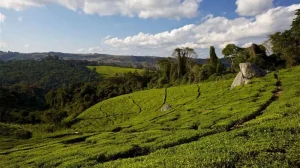
Mufindi Highlands are situated in the southern highlands of Tanzania, within Iringa Region. The area is associated with the Mufindi District, which is known for its agricultural landscapes, forest resources, tea estates, and cool highland environment.
The region lies inland, away from Tanzania’s coastal heat. Its elevation contributes to a relatively cool climate compared with many lower-lying parts of the country.
The surrounding landscape consists of hills, valleys, farmland, forested areas, and small settlements. These natural features create beautiful scenery throughout the year, although the appearance of the landscape changes with the seasons.
Mufindi can also be included in a wider southern Tanzania itinerary. Travelers visiting Iringa, Ruaha National Park, or other destinations in the southern highlands may consider adding time in Mufindi to experience a different side of the country.
One of the main attractions of Mufindi is its outstanding natural scenery. The landscape is characterized by rolling hills, green valleys, cultivated fields, plantations, and patches of indigenous and planted forests.
The rolling hills are among the most distinctive features of Mufindi Highlands. Their gentle slopes create a beautiful landscape that stretches across the countryside, providing impressive views from elevated locations.
During the wetter months, the hills become particularly green and vibrant. Clouds and mist may settle over the valleys, creating a peaceful atmosphere that appeals to photographers and nature lovers.
Visitors can enjoy scenic drives through the countryside, stop at suitable viewpoints, and appreciate the changing colors of the landscape throughout the day.
Between the hills are valleys containing farms, villages, streams, and patches of woodland. These areas reveal the everyday life of rural Tanzania, where agriculture remains an important part of the local economy.
Traveling through the valleys allows visitors to see how communities live and work in the highlands. Depending on the route and season, travelers may encounter cultivated fields, grazing animals, small markets, and farmers tending their crops.
The combination of natural scenery and rural life makes Mufindi especially appealing to visitors interested in cultural and countryside tourism.
Mufindi’s highland location gives it a cooler atmosphere than many lowland destinations in Tanzania. Mornings and evenings can be particularly chilly, especially during the cooler months.
The refreshing climate makes the area suitable for walking, relaxing outdoors, and enjoying the countryside without the intense heat commonly experienced in some other parts of the country.
Visitors should carry warm clothing, particularly if they plan to stay overnight or travel during the cooler season.
Tea cultivation is one of the most recognizable features of the Mufindi landscape. The area’s cool conditions, rainfall, and fertile highland environment support tea production, creating extensive green plantations across parts of the countryside.
The tea fields contribute both to the area’s scenic beauty and to the livelihoods of local communities.
The tea plantations are particularly attractive because of their carefully maintained rows of tea bushes covering the rolling slopes. From a distance, the fields create patterns of green that blend beautifully with the surrounding hills and forests.
Visitors can enjoy viewing the plantations during scenic drives or arrange a visit where access is permitted. Walking near the tea fields can provide opportunities to take photographs and learn about the agricultural landscape.
It is important to respect private property and obtain permission before entering working plantations.
Tea production involves several stages, from cultivating tea bushes and harvesting fresh leaves to processing and packaging the finished product.
A guided visit to an operating tea estate, when available, can help travelers understand how tea is grown and processed. Visitors may also learn about the importance of tea farming to employment, trade, and the local economy.
Because access to working factories and estates varies, travelers should arrange visits in advance rather than assume that every plantation is open to tourists.
The tea fields are excellent locations for landscape photography. Their green patterns, rolling terrain, and changing light create attractive compositions.
Early mornings can be especially beautiful when mist hangs above the fields. Later in the day, softer light may highlight the contours of the hills.
Visitors should photograph workers respectfully and ask permission before taking close-up portraits.
Forests and Biodiversity in Mufindi
Mufindi is also known for its forested landscapes. The wider area contains different types of woodland and forest, including indigenous vegetation and plantations established for commercial forestry.
These forests contribute to the area’s environmental importance by supporting habitats, protecting soils, and influencing local water systems.
Indigenous forests are important because they preserve native plant communities and provide habitats for wildlife. Depending on the particular location, visitors may encounter different trees, shrubs, ferns, mosses, and other vegetation adapted to highland conditions.
Forest exploration is best undertaken with a knowledgeable local guide, particularly where paths are unfamiliar or access is restricted.
Visitors should remain on permitted trails, avoid disturbing wildlife, and refrain from removing plants from natural habitats.
Commercial forestry is another important feature of parts of Mufindi. Planted forests, including pine and other timber species, form part of the local economic landscape.
These forests can create striking scenery, with tall trees and shaded tracks that differ from the open tea fields and agricultural valleys.
However, plantation forests and protected natural forests are not the same. Travelers interested in conservation should seek out locations where natural vegetation and biodiversity can be observed responsibly.
The highlands and surrounding forests may offer opportunities to observe birds and other wildlife. The species present depend on the habitat, season, and specific location.
Birdwatchers can look for different woodland and countryside birds while exploring suitable areas with a local guide. Early morning is often a rewarding time for birdwatching because bird activity can be high.
Mufindi is not primarily known as a major big-game safari destination, so visitors should not expect wildlife concentrations comparable to those found in Tanzania’s established national parks.
Instead, its appeal lies in its landscapes, forests, birdlife, and quieter nature experiences.
Mufindi offers several activities for travelers who enjoy nature, culture, and peaceful countryside experiences.
Driving through Mufindi is an excellent way to appreciate the highlands. The routes pass through rolling hills, tea plantations, forests, farms, and rural settlements.
Along the way, travelers can stop at suitable viewpoints to enjoy the scenery and take photographs.
Road conditions vary, especially during rainy periods, so it is advisable to use a suitable vehicle and check local conditions before traveling.
Walking through the countryside allows visitors to experience the area at a slower pace. Depending on the location and permissions available, guided walks can take travelers along rural paths, plantation edges, forest trails, and scenic viewpoints.
Hiking offers opportunities to observe vegetation, appreciate the highland environment, and interact with local communities.
Visitors should wear comfortable walking shoes, carry drinking water, and arrange a guide for unfamiliar routes.
A visit to the tea-growing areas is one of the most rewarding ways to understand Mufindi’s agricultural identity.
Travelers can admire the plantations, learn about tea cultivation, and discover how the crop contributes to the regional economy. Where organized visits are available, guests may also learn about the processing stages.
Arrangements should be made with the relevant estate or local tourism provider before visiting operational facilities.
Village visits offer opportunities to learn about everyday life in the highlands. Visitors may observe local markets, farming activities, traditional foods, and the ways families use the land around their homes.
Responsible cultural tourism should be based on mutual respect. Travelers should ask before photographing people, support local businesses where possible, and avoid treating communities as attractions without considering their privacy.
A knowledgeable local guide can help visitors understand the area’s history, livelihoods, and cultural practices.
Mufindi’s mixture of forests, farms, gardens, and open countryside creates a range of habitats for birds.
Birdwatching can be combined with walking or scenic drives. Travelers who are particularly interested in birds should bring binoculars and consider arranging a specialist guide familiar with local species.
Keeping noise low and avoiding disturbance around nesting sites helps protect the wildlife being observed.
One of Mufindi’s greatest attractions is its peaceful atmosphere. Visitors can spend time enjoying the views, reading outdoors, taking photographs, or relaxing at suitable accommodation surrounded by nature.
For travelers who have spent several days on a busy safari itinerary, Mufindi can provide a refreshing change of pace.
Agriculture plays an important role in the local economy. Depending on the season and location, visitors may see crops being planted, tended, or harvested.
A guided agricultural visit can help explain the relationship between the highland climate, farming practices, and local livelihoods.
Any farm visit should be arranged with the landowner or a local tourism operator.
The Mufindi Highlands are home to communities whose livelihoods and daily routines are closely connected to the surrounding land.
Agriculture, small businesses, trade, forestry, and other local activities contribute to the area’s economy. Tea cultivation is especially significant in parts of the district.
Visitors can gain a better understanding of local life by visiting markets, learning about regional foods, and speaking with residents through respectful cultural experiences.
Swahili is widely used in Tanzania, and learning a few simple phrases can make interactions more welcoming. Greetings such as Habari (How are you?) and Asante (Thank you) are useful starting points.
Cultural experiences are most meaningful when local residents benefit directly from tourism. Choosing locally owned services, hiring qualified local guides, and buying crafts or products directly from producers can help support the community.
Mufindi can be visited throughout the year, but the best time depends on the activities and scenery a traveler prefers.
The drier months generally offer more favorable conditions for road travel, walking, and exploring the countryside.
The period from roughly June to October is often a useful starting point for planning a visit, although actual weather conditions vary from year to year.
During this period, travelers may find it easier to move between attractions and enjoy outdoor activities. The vegetation may be less lush than during the rainy season, but the views can still be beautiful.
Cool nights are possible, so warm clothing remains important.
Rainfall generally makes the highlands greener and can enhance the beauty of the tea plantations, forests, and valleys.
The wetter months can be attractive for photographers and travelers who enjoy lush landscapes. However, rain may affect road conditions, walking trails, and travel times.
Visitors planning to travel during wetter periods should allow flexibility in their itinerary and check the weather and road conditions before departure.
Mufindi’s elevation means that temperatures can feel chilly, particularly at night and in the early morning.
Travelers should pack layers, a warm jacket, and comfortable clothing suitable for changing weather. Rain protection is also useful, even when visiting during the drier season.
Accommodation options in and around Mufindi may include guesthouses, small hotels, countryside lodges, and nature-oriented retreats.
The most suitable option depends on a visitor’s budget, preferred comfort level, and planned activities.
Travelers looking for a quiet experience may prefer accommodation surrounded by gardens, hills, or forested scenery.
Such stays can provide an opportunity to enjoy the highland environment and relax between excursions.
Facilities vary, so travelers should confirm the availability of meals, hot water, heating or extra blankets, transport, and guided activities before booking.
Guesthouses and local hotels can be practical choices for visitors who want to explore Mufindi while keeping accommodation costs manageable.
They may also provide access to nearby shops, restaurants, and local transport services.
Travelers should check recent reviews, room facilities, and road access when making a reservation.
Camping may appeal to visitors who enjoy outdoor experiences, but suitable facilities and permissions must be confirmed in advance.
Travelers should use designated camping areas, follow fire-safety rules, carry appropriate cold-weather equipment, and avoid camping in protected or privately owned areas without authorization.
Because accommodation availability can change, it is best to arrange lodging before traveling, especially for remote countryside stays.
A visit to Mufindi provides opportunities to experience Tanzanian food and everyday rural cuisine.
Meals may include staples such as ugali, rice, beans, potatoes, vegetables, and seasonal produce. Depending on the restaurant or accommodation, visitors may also find meat dishes, chicken, fish, and other regional specialties.
Freshly prepared food and locally grown ingredients can be part of the countryside experience.
Tea is particularly relevant to the area’s agricultural identity. Visitors interested in tea production may enjoy learning about locally produced tea and how it is prepared.
Travelers with dietary requirements should inform their accommodation provider or tour operator in advance, particularly when visiting remote areas where food choices may be limited.
Mufindi is accessible by road from other parts of Tanzania, with Iringa serving as an important regional gateway.
Visitors traveling from Dar es Salaam can reach the Iringa area by road and continue toward Mufindi. The journey can take a substantial part of the day, depending on the route, traffic, stops, and road conditions.
Travelers should confirm current journey times and transport options before departure.
Iringa is a practical starting point for visiting Mufindi. From there, travelers can arrange a private vehicle, local transport, or a guided excursion.
A private vehicle can offer greater flexibility for visiting tea plantations, viewpoints, villages, and other countryside attractions.
Mufindi can be combined with a southern Tanzania itinerary that includes Iringa or Ruaha National Park.
However, driving distances can be considerable, and journey times depend on road conditions and the exact locations being visited. Travelers should plan realistic transfers rather than trying to fit too many destinations into a short trip.
For those arriving by air, transport arrangements from the relevant airport should be confirmed in advance. The best arrival airport depends on the overall itinerary and current flight availability.
A two-day visit can provide a relaxing introduction to the highlands.
Morning: Travel into Mufindi and enjoy the changing scenery of the southern highlands. Stop at suitable viewpoints to admire the hills and take photographs.
Afternoon: Visit tea-growing areas where access has been arranged. Learn about tea cultivation and enjoy a guided walk through the surrounding countryside.
Evening: Check into your accommodation, enjoy a local meal, and relax in the cool highland atmosphere.
Morning: Take a guided nature walk or enjoy birdwatching in an appropriate forest or countryside location.
Afternoon: Visit a nearby village or market, where available, to learn about local livelihoods and daily life. Enjoy lunch and prepare for onward travel.
This itinerary is flexible and should be adapted to road conditions, the locations of accommodation, weather, and the availability of guided activities.
Visitors with more time can extend their stay to explore additional rural areas, arrange a tea-estate visit, or simply enjoy the scenery at a slower pace.
Mufindi’s natural environment and rural communities are important parts of its appeal. Responsible tourism helps protect these resources while ensuring that local residents can benefit from visitors.
Travelers can contribute by following a few simple practices:
These practices help preserve the character of the highlands and support tourism that benefits both visitors and residents.
The highland climate and variety of outdoor activities make practical packing important.
Recommended items include:
If you intend to explore remote areas, confirm whether your accommodation or tour operator provides transport, meals, and guided activities.
Mufindi is an excellent destination for travelers who want to discover a quieter and less conventional side of Tanzania.
Its appeal comes from the combination of natural scenery, agricultural landscapes, cool weather, forested areas, and opportunities to learn about rural life.
Unlike a traditional wildlife safari, a visit to Mufindi is more focused on relaxation, landscape exploration, cultural encounters, and outdoor activities. This makes it suitable for couples, nature enthusiasts, photographers, families, and travelers seeking a peaceful countryside retreat.
Mufindi can also complement a wildlife safari. After spending time in Tanzania’s national parks, visitors can enjoy the highlands as a place to slow down, appreciate the scenery, and experience another dimension of the country’s natural and cultural diversity.
Mufindi Highlands are located in Mufindi District in Tanzania’s Iringa Region, within the southern highlands of the country.
Mufindi is known for its rolling hills, tea plantations, cool climate, forests, rural scenery, and agricultural activities.
Yes. The area offers opportunities for scenic drives, countryside walks, birdwatching, photography, and exploring suitable forested locations.
The drier months, particularly around June to October, can be convenient for outdoor activities and road travel. The rainy season offers greener landscapes but may make some roads and trails more difficult to navigate.
Two days can provide a good introduction to the area’s scenery, tea-growing landscape, and rural life. Three or more days allow a slower pace and more opportunities for guided activities.
Yes. Mufindi can be combined with a visit to Iringa or Ruaha National Park, subject to your route, available transport, and travel schedule.
Yes. Families who enjoy nature, scenic drives, and peaceful outdoor experiences may appreciate the area. Activities should be selected according to the ages and interests of the children, and road conditions should be considered.
Comfortable outdoor clothing, walking shoes, and a warm jacket are recommended. A waterproof layer is useful because weather conditions can change.
Mufindi is better known for its landscapes, plantations, forests, and countryside experiences than for large concentrations of big-game wildlife. Visitors seeking a conventional big-game safari should consider combining it with a suitable national park.
The Mufindi Highlands are a beautiful part of southern Tanzania, offering an appealing combination of rolling green hills, tea plantations, forests, cool weather, and authentic countryside experiences.
From exploring tea-growing areas and enjoying scenic drives to discovering local communities and walking through nature, visitors can enjoy a rewarding holiday away from the busiest tourist routes.
The region is particularly suitable for travelers who value peaceful surroundings, natural beauty, photography, and cultural experiences. Its location also makes it a useful addition to a wider southern Tanzania itinerary.
Whether you spend two days exploring its landscapes or choose a longer countryside retreat, Mufindi provides an opportunity to experience a different side of Tanzania—one defined by green hills, agricultural traditions, fresh air, and the quiet charm of the highlands.
For travelers looking beyond the country’s famous safari parks, Mufindi Highlands is a destination worth discovering.