
Usambara Mountains: A Complete Travel Guide to Nature, Culture, Hiking, and Scenic Views. The Usambara Mountains are among the most beautiful and fascinating destinations in Tanzania. Located in the northeastern part of the country, within the Tanga Region, these mountains are famous for their lush green forests, rolling hills, cool climate, scenic viewpoints, traditional villages, and remarkable biodiversity.
Unlike Tanzania’s well-known wildlife destinations, such as Serengeti National Park and Ngorongoro Conservation Area, the Usambara Mountains offer a different kind of adventure. Visitors can explore forest trails, hike through the countryside, discover traditional farming communities, observe rare birds, and enjoy breathtaking views of the surrounding landscapes.
The mountains are part of the Eastern Arc Mountains, an ancient mountain range known for its exceptional biodiversity and high number of endemic plant and animal species. Their natural beauty, cultural richness, and peaceful atmosphere make them an excellent destination for travelers seeking authentic experiences away from busy tourist routes.
Whether you are a nature lover, hiking enthusiast, photographer, birdwatcher, or cultural explorer, the Usambara Mountains offer an unforgettable experience in Tanzania.
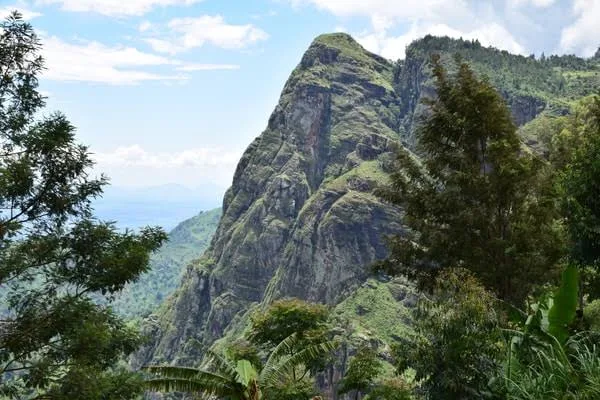
The Usambara Mountains are located in northeastern Tanzania, in the Tanga Region, not far from the Kenyan border. They form part of the Eastern Arc Mountains and rise above the surrounding lowlands, creating a landscape of green valleys, forest-covered slopes, and fertile agricultural land.
The mountains are commonly divided into two main sections: the West Usambara Mountains and the East Usambara Mountains.
The West Usambara Mountains are particularly popular with visitors because of their accessible hiking routes, scenic countryside, and the charming town of Lushoto. This area offers excellent opportunities for walking, cultural visits, and exploring viewpoints overlooking the surrounding valleys.
The East Usambara Mountains are known for their tropical forests, high biodiversity, and important conservation areas. Places such as Amani Nature Reserve attract visitors interested in birdwatching, forest exploration, botany, and nature photography.
Although the two sections share many natural characteristics, each offers a different travel experience. The western section is especially suitable for scenic mountain hikes, while the eastern section is ideal for exploring tropical forests and discovering Tanzania’s unique wildlife.
One of the main reasons travelers visit the Usambara Mountains is their outstanding natural beauty. The scenery changes from one location to another, creating a diverse landscape of forested hills, green valleys, cultivated slopes, and distant mountain peaks.
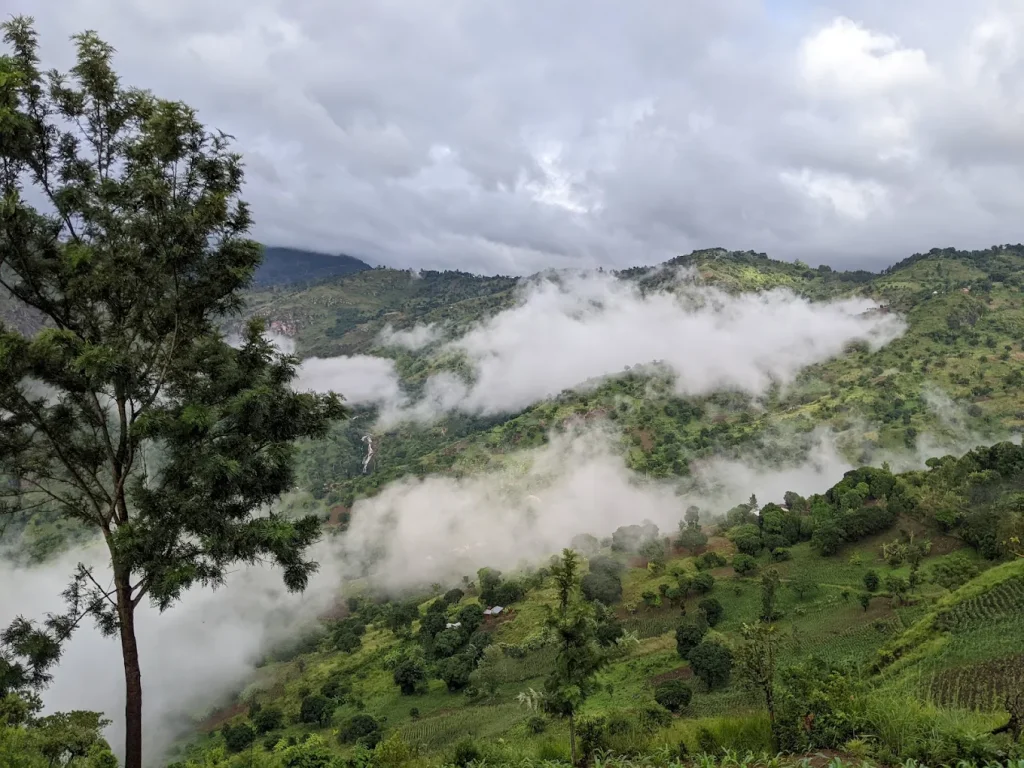
During the rainy seasons, the mountains become especially lush. Mist often settles over the hills in the early morning, creating a peaceful atmosphere and beautiful photographic opportunities. The green countryside contrasts with the warmer and drier lowlands below.
Small farms cover many of the mountain slopes, where local communities grow vegetables, bananas, maize, beans, and other crops. Narrow footpaths connect villages, farms, forests, and viewpoints, making the region particularly attractive for travelers who enjoy exploring on foot.
The mountains also support a variety of natural habitats, including montane forests, woodland, farmland, and river valleys. These environments provide shelter for many birds, insects, reptiles, mammals, and plant species.
For visitors who appreciate landscapes and quiet outdoor experiences, the Usambara Mountains provide a refreshing alternative to traditional safari destinations.
Lushoto is one of the most important towns in the Usambara Mountains and serves as a convenient base for exploring the western section.
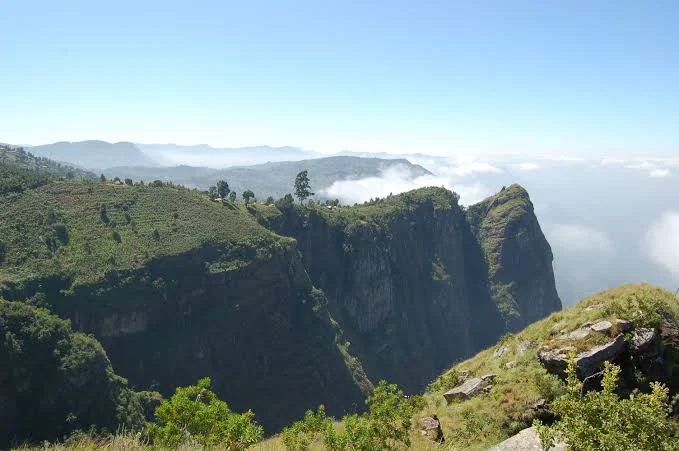
The town sits in a cool mountain environment surrounded by green hills, farms, and small settlements. Its relaxed atmosphere makes it a popular destination for travelers who want to enjoy hiking, cultural tourism, and scenic countryside.
Lushoto is also a useful starting point for guided walks to nearby viewpoints, forest areas, and traditional villages. Visitors can arrange excursions with local guides who know the trails, understand the local environment, and can explain the area’s history and culture.
The town offers accommodation options ranging from simple guesthouses to comfortable lodges. Small restaurants and local markets provide opportunities to enjoy Tanzanian food and interact with residents.
Many travelers spend two or three nights in Lushoto to explore the surrounding countryside without rushing. This allows enough time for hiking, village visits, photography, and relaxation.
Irente Viewpoint is one of the most famous attractions in the West Usambara Mountains. It offers expansive views across the surrounding valleys and agricultural landscapes toward the lowlands below.
The viewpoint is especially popular with hikers and photographers because of its dramatic scenery. On clear days, visitors can admire the contrast between the green mountain slopes and the distant plains.
Reaching Irente Viewpoint can be part of a rewarding walking excursion from the Lushoto area. Along the way, visitors may pass small farms, rural settlements, and beautiful countryside.
The walk provides an opportunity to experience everyday life in the mountains while enjoying fresh air and peaceful surroundings. Local guides can explain the area’s vegetation, farming practices, and cultural traditions.
Early mornings and late afternoons are often excellent times for photography because the changing light creates attractive shadows across the valleys.
Visitors should wear comfortable walking shoes, carry drinking water, and follow their guide’s advice when approaching steep edges.
Magamba Rainforest is another important attraction in the West Usambara Mountains. It offers visitors the opportunity to explore a forest environment characterized by tall trees, dense vegetation, and rich biodiversity.
Walking through the forest provides a different experience from hiking across open mountain slopes. The shaded trails, bird calls, and changing vegetation create a peaceful atmosphere that appeals to nature enthusiasts.
The forest is home to various bird species, insects, and other wildlife adapted to the mountain environment. Visitors may also encounter interesting plants, mosses, ferns, and other vegetation that thrive in the relatively cool and humid conditions.
Guided forest walks are particularly rewarding because local guides can identify species, explain ecological relationships, and point out features that visitors might otherwise overlook.
The trails can become muddy and slippery during rainy periods, so sturdy footwear is recommended. Visitors should also avoid disturbing wildlife or removing plants from the forest.
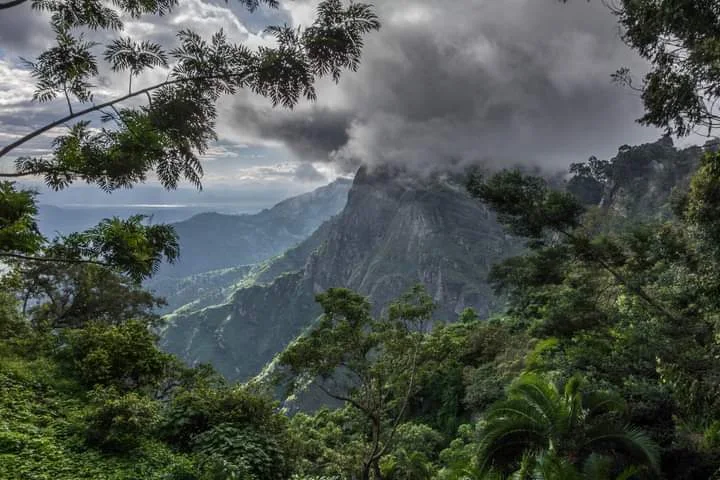
Amani Nature Reserve is one of the most significant natural attractions in the East Usambara Mountains. The reserve protects important forest habitats within the Eastern Arc Mountains, a region recognized for its exceptional biological diversity.
The area is especially attractive to birdwatchers, botanists, researchers, and travelers interested in tropical ecosystems.
Amani’s forests support numerous plant species, including species that occur naturally in very limited geographical areas. The reserve also provides habitat for forest birds, butterflies, amphibians, and other wildlife.
Visitors can explore selected trails, learn about forest conservation, and observe the distinctive vegetation of the East Usambara region. Guided excursions can make the experience more informative by explaining the importance of the forest and the challenges involved in protecting it.
Amani is also known for its historical botanical research and agricultural research heritage. This adds an educational dimension to a visit, particularly for travelers interested in the relationship between nature, science, and conservation.
Because the East Usambara forests are ecologically sensitive, visitors should remain on designated trails and follow reserve regulations.
Hiking is one of the best ways to experience the Usambara Mountains. The region has a network of footpaths connecting villages, viewpoints, farms, and forest areas.
Unlike some mountain destinations where hiking focuses on reaching a single summit, walking in the Usambaras often involves discovering the landscape gradually. Trails may pass through cultivated hillsides, wooded areas, rural settlements, and valleys with beautiful views.
Popular hiking experiences include:
The difficulty of the walks varies. Some routes are suitable for travelers who prefer leisurely countryside walks, while others involve longer distances, steep climbs, or uneven terrain.
Hiring a knowledgeable local guide is highly recommended, especially for longer walks or routes through remote areas. Guides can help with navigation, provide cultural context, and select routes appropriate for the visitor’s fitness level.
Travelers should bring comfortable hiking shoes, drinking water, sunscreen, insect repellent, and a light rain jacket. Weather conditions can change quickly in the mountains.

The Usambara Mountains are internationally important for their biodiversity. Their long history of ecological isolation has contributed to the development of many species found nowhere else in the world.
The region contains different habitats, from montane forests to agricultural landscapes and lowland vegetation. Each habitat supports a distinctive combination of plants and animals.
Although the Usambaras are not primarily known for large mammals in the same way as Tanzania’s major safari parks, they offer rewarding opportunities to discover smaller and less conspicuous wildlife.
Visitors may encounter forest birds, butterflies, reptiles, amphibians, and a variety of insects. Some forest areas also support small mammals and primates, although sightings are not guaranteed.
The mountains are especially valuable for travelers interested in nature beyond the traditional African safari experience. Rather than concentrating only on large animals, visitors can learn about complex ecosystems and the relationships between forests, water, wildlife, and human communities.
Conservation is essential because agricultural expansion, habitat fragmentation, and other environmental pressures have affected parts of the Eastern Arc Mountains. Responsible tourism can help support local livelihoods and encourage the protection of important habitats.
The Usambara Mountains are an excellent destination for birdwatching because of their varied habitats and distinctive birdlife.

The forests of the Eastern Arc Mountains support several range-restricted species, making the region particularly interesting for experienced birders and naturalists. Different elevations and forest types create opportunities to observe a variety of birds during a single visit.
Birdwatchers may see forest-dwelling species, sunbirds, turacos, weavers, and other birds associated with mountain and woodland environments. The exact species encountered depend on the location, season, and habitat condition.
Amani Nature Reserve and suitable forest areas in the West Usambaras are useful places to begin exploring the region’s birdlife.
For the best experience, visitors should consider hiring a guide with local bird knowledge. Guides can help identify birds by their calls, locate species in dense vegetation, and explain the ecological importance of forest habitats.
Bringing binoculars, a camera with a suitable lens, and a bird identification guide can make the experience even more rewarding.
Early mornings are generally productive for birdwatching because many birds are active during the cooler hours of the day.
The Usambara Mountains are not only a destination for nature lovers; they are also home to communities with rich cultural traditions and strong connections to the land.
The area is associated particularly with the Wasambaa people, whose history, language, agricultural practices, and local traditions contribute to the region’s cultural identity.
Many communities depend on farming, growing crops such as bananas, maize, beans, vegetables, and other produce suited to the mountain environment.
Walking through villages provides opportunities to observe rural life, see traditional farming methods, and learn how communities adapt to the landscape. Visitors may also encounter local markets, small shops, schools, and community activities.
Cultural tourism is most rewarding when it involves respectful interaction rather than simply observing people as attractions. Travelers should ask permission before taking photographs of individuals, respect local customs, and support community businesses where possible.
Purchasing locally produced food, hiring local guides, and choosing locally owned accommodation can help ensure that tourism benefits residents.
Food is another enjoyable part of a visit to the Usambara Mountains. The region’s agricultural environment supports the production of fresh vegetables, bananas, beans, maize, and other crops that feature in everyday Tanzanian meals.
Visitors can try traditional dishes such as ugali served with vegetables, beans, or meat. Rice dishes, cooked bananas, seasonal vegetables, and locally prepared stews may also be available, depending on the establishment.
Fresh produce is often an important part of meals in the mountain communities. Some accommodations offer home-style cooking using ingredients sourced from nearby farms or markets.
Travelers interested in local cuisine can ask their hosts about seasonal dishes and traditional preparation methods.
Trying regional food provides a simple way to connect with local culture and appreciate the agricultural richness of the Usambara landscape.
The Usambara Mountains can be visited throughout the year, but the best time depends on your interests and preferred activities.
The drier months generally provide favorable conditions for hiking, village walks, and exploring viewpoints. Trails are often easier to navigate, and the weather can be comfortable for outdoor activities.
These months are particularly suitable for visitors who want to combine several walking excursions during their stay.
However, mountain weather can still be cool, misty, or rainy at times, so carrying a light jacket is advisable.

January and February often provide another useful window for outdoor activities, although local weather conditions vary.
The landscape may remain green in some areas, making this period attractive for photography and countryside exploration.
Visitors should check local conditions before setting out on longer hikes.
The long rainy season generally brings heavier rainfall to much of the region. Forests and farmland become lush, but trails can be muddy, slippery, and more difficult to navigate.
Travelers who enjoy green landscapes may appreciate this period, although flexible planning is important.
The short rains can bring fresh vegetation and changing weather conditions. Some days may be suitable for hiking, while others may require adjustments to outdoor plans.
For the most comfortable walking conditions, the drier months are often a practical choice. Nevertheless, the Usambara Mountains have something to offer in every season.
The Usambara Mountains can be reached by road from several major destinations in Tanzania.
Travelers can travel by road from Dar es Salaam toward Tanga Region and continue inland to Lushoto. The journey takes several hours, depending on traffic, road conditions, and the chosen route.
Bus services and private transfers may be available, but travel times vary.
Tanga is a convenient starting point for visitors exploring northeastern Tanzania. From the city, travelers can continue inland toward Lushoto or other destinations in the Usambara Mountains.
Visitors traveling from northern Tanzania can plan a road journey toward the Tanga Region. The Usambaras can be incorporated into a longer itinerary that includes Mount Kilimanjaro, the northern safari circuit, or the coast.
Once in the region, visitors can use local transport, private vehicles, or organized excursions to reach different attractions.
For hiking and village exploration, walking with a local guide is often the most practical option. Some trailheads and forest areas are easier to reach by vehicle, so transport should be arranged according to the itinerary.
Travelers should confirm transport schedules and road conditions before departure, particularly when visiting remote locations during the rainy season.
Accommodation in the Usambara Mountains ranges from simple guesthouses and budget lodgings to comfortable hotels, mountain lodges, and eco-oriented stays.
Lushoto is a convenient base for visitors interested in the West Usambara Mountains because it provides access to hiking routes, local services, and several nearby attractions.
Travelers visiting the East Usambara Mountains may prefer accommodation closer to Amani or other suitable locations, depending on their planned activities.
When choosing accommodation, consider the following factors:
Booking ahead is advisable during busy travel periods or when visiting with a group.
The ideal length of stay depends on how much of the region you want to explore.
A short visit can focus on Lushoto, Irente Viewpoint, and a guided countryside walk. This option is suitable for travelers with limited time who want to experience the scenery and enjoy a taste of mountain life.
Three or four days provide more opportunities for hiking, visiting villages, exploring Magamba Rainforest, and enjoying the surrounding countryside at a relaxed pace.
This duration is a good choice for travelers who want a deeper experience of the West Usambara Mountains.
A longer stay allows travelers to explore both the western and eastern sections of the Usambara Mountains, subject to transport arrangements.
Visitors can combine scenic hikes around Lushoto with forest exploration, birdwatching, and visits to Amani Nature Reserve.
Allowing extra time also provides flexibility if rain or changing weather conditions affect outdoor activities.
Arrive in Lushoto and settle into your accommodation. Spend the afternoon exploring the town or taking a guided walk through the surrounding countryside.
If time and weather permit, visit Irente Viewpoint to enjoy the mountain scenery and views across the lowlands.
Return to your accommodation for dinner and a relaxing evening.
Begin the day with a guided hike through Magamba Rainforest or another suitable forest trail.
Learn about the region’s vegetation, birdlife, and conservation challenges while enjoying the cool mountain environment.
In the afternoon, explore nearby villages and farms with a local guide. This provides an opportunity to understand traditional agricultural practices and daily life in the mountains.
Spend the morning enjoying another scenic walk, visiting a local market, or taking photographs of the surrounding hills.
Depending on your interests and onward travel plans, you may extend the itinerary to include the East Usambara Mountains on a separate visit.
Depart after breakfast or lunch, depending on your transport arrangements.
This itinerary can be adjusted according to fitness levels, weather conditions, transport availability, and personal interests.
Responsible tourism is important in the Usambara Mountains because the region contains ecologically valuable forests and communities whose livelihoods depend on the surrounding environment.
Visitors can help protect this destination by following a few simple practices.
First, remain on designated trails and follow local guidance when visiting forests and conservation areas. Avoid disturbing wildlife, collecting plants, or leaving rubbish behind.
Second, support the local economy by hiring qualified local guides, purchasing locally produced goods, and choosing accommodation that benefits nearby communities.
Third, respect cultural traditions and ask permission before photographing people or entering private property.
Finally, minimize unnecessary waste and use water responsibly. Mountain communities and forest ecosystems both benefit when visitors adopt environmentally conscious habits.
Responsible travel allows visitors to enjoy the region while contributing to the long-term protection of its natural and cultural heritage.
Packing appropriately can make a visit to the mountains more comfortable and enjoyable.
Consider bringing:
If you plan to explore forest trails or undertake longer hikes, ask your guide whether additional equipment is needed.
The Usambara Mountains stand out because they combine beautiful scenery, rich biodiversity, cultural experiences, and outdoor adventure in one destination.
Unlike a traditional wildlife safari, a visit here allows travelers to explore the landscape slowly. Walking between villages, observing birds, discovering forest plants, and speaking with local guides can provide a deeper understanding of Tanzania’s natural and cultural diversity.
The region is also attractive to travelers seeking quieter destinations and meaningful outdoor experiences. Its cooler climate, green hills, and peaceful atmosphere offer a refreshing change from the heat of the lowlands.
For photographers, the mountains provide excellent opportunities to capture misty valleys, colorful farmland, forest scenery, and everyday rural life.
For hikers, the network of trails offers opportunities for both leisurely walks and more challenging excursions. For nature lovers, the region’s endemic species and conservation areas make it particularly special.
Most importantly, the Usambara Mountains encourage a slower style of travel, allowing visitors to appreciate the small details that make a destination memorable.

The Usambara Mountains can be incorporated into a broader Tanzanian itinerary.
Travelers exploring northeastern Tanzania may combine the mountains with Tanga’s coastal attractions, the historic settlements and beaches around Pangani, or the quieter coastal areas farther south.
Visitors planning a longer northern Tanzania journey may also connect the Usambaras with Arusha, Mount Kilimanjaro, or selected national parks, depending on available time and transport.
For those interested in a combination of mountains, wildlife, and the Indian Ocean coastline, the Usambaras provide a useful contrast to coastal relaxation and traditional game drives.
The best combination depends on your travel priorities, budget, and the amount of time available.
The Usambara Mountains are one of Tanzania’s most rewarding destinations for travelers who appreciate nature, hiking, culture, and peaceful landscapes. From the scenic viewpoints around Lushoto to the lush forests of Amani Nature Reserve, the region offers a wide variety of experiences.
Visitors can hike through green valleys, discover rare birds, explore tropical forests, learn about local farming traditions, and enjoy breathtaking mountain scenery.
The region’s combination of natural beauty and cultural richness makes it suitable for solo travelers, couples, families with appropriate hiking plans, photographers, and outdoor enthusiasts.
Whether you spend a weekend exploring Lushoto or several days discovering both the western and eastern mountains, the Usambaras offer an opportunity to experience a different side of Tanzania.