
Serengeti National Park:A Complete Guide to Tanzania’s Iconic Wildlife Paradise. Serengeti National Park is one of Africa’s most famous wildlife destinations and a must-visit attraction for anyone planning a safari in Tanzania. Known for its endless golden plains, remarkable wildlife, breathtaking landscapes, and the spectacular Great Wildebeest Migration, the park offers an unforgettable African safari experience.
Located in northern Tanzania, Serengeti National Park is home to an extraordinary variety of animals, including lions, elephants, leopards, cheetahs, giraffes, zebras, buffaloes, and numerous bird species. Its diverse ecosystems support one of the largest concentrations of wildlife in Africa, making it an excellent destination for wildlife photography, game drives, and nature exploration.
Whether you are planning your first African safari, a family holiday, a honeymoon, or an adventurous wildlife expedition, Serengeti National Park offers something special for every traveller. From witnessing predators hunting across the plains to watching thousands of wildebeest moving across the savannah, every visit presents opportunities to experience nature at its finest.
This comprehensive guide explores everything you need to know about Serengeti National Park, including its location, wildlife, attractions, activities, best time to visit, accommodation, and travel tips.

Serengeti National Park is situated in northern Tanzania, within the larger Serengeti ecosystem. It lies west of the Ngorongoro Conservation Area and extends towards the borders of Kenya, where the ecosystem continues into the Maasai Mara National Reserve.
The park covers approximately 14,750 square kilometres, making it one of Tanzania’s largest and most important protected wildlife areas. Its vast landscapes include open grasslands, wooded savannahs, rocky outcrops, river valleys, and seasonal wetlands.
The name Serengeti is commonly associated with the Maasai word siringet, meaning an endless plain. This description captures the park’s remarkable scenery, where wide grasslands stretch towards the horizon and large herds of animals move freely across the landscape.
The main access points include Seronera in the central Serengeti, the northern regions around the Mara River, and the southern plains near Ndutu. Visitors can reach the park by road from Arusha or by flying into designated airstrips from Arusha, Zanzibar, Dar es Salaam, and other safari destinations, depending on available flight routes.
Serengeti National Park is internationally recognised for its abundant wildlife, spectacular landscapes, and extraordinary natural events.
One of its most famous attractions is the Great Wildebeest Migration, during which enormous herds of wildebeest and zebras move through the Serengeti ecosystem in search of fresh grass and water. The movement attracts predators and creates dramatic wildlife encounters throughout the year.
The park is also celebrated for its excellent lion sightings, diverse birdlife, and opportunities to observe animals in their natural habitats. Unlike destinations where wildlife viewing is concentrated around a few water sources, Serengeti offers an expansive wilderness with different experiences across its various regions.
Its global importance is reflected in its designation as part of a UNESCO World Heritage Site. The Serengeti ecosystem is especially valuable because of its ecological diversity and the large-scale wildlife movements that continue to shape the landscape.
For many travellers, a safari in Serengeti National Park represents the ultimate African wildlife adventure.
The Great Wildebeest Migration is the most famous wildlife spectacle in Serengeti National Park. It involves the seasonal movement of approximately 1.5 million wildebeest, accompanied by hundreds of thousands of zebras and gazelles, across the Serengeti ecosystem and into Kenya’s Maasai Mara.
Rather than being a single event that happens on one particular day, the migration is a continuous annual cycle influenced by rainfall, fresh grass, and the availability of water.

From approximately January to March, large herds gather around the southern Serengeti plains and the Ndutu area, where nutritious grass supports pregnant wildebeest and newborn calves.
February is particularly well known for the calving season, although exact timing varies with rainfall.
During this period, visitors may witness thousands of young wildebeest being born within a relatively short time. The abundance of newborn animals also attracts predators such as lions, cheetahs, hyenas, and leopards.
This season is particularly rewarding for travellers interested in predator behaviour, wildlife photography, and the early stages of the migration.
Around April and May, the herds generally begin moving away from the southern plains as the dry season approaches and grazing conditions change.
Many animals pass through the central Serengeti, while others move towards the western corridor and the Grumeti River.
This period can offer impressive views of large herds moving across green landscapes. However, the long rains may make some roads muddy, and migration locations can vary considerably from year to year.
Between approximately July and October, many migration herds move through the northern Serengeti towards the Mara River and the border with Kenya.
The river crossings are among the most dramatic experiences associated with the migration. Wildebeest may gather along the riverbanks before entering the water, where strong currents and Nile crocodiles create additional challenges.
However, crossings are unpredictable. Herds may wait for hours or days before crossing, and not every safari will witness one.
The northern Serengeti is therefore particularly popular with travellers hoping to experience this extraordinary natural event.

From approximately October to December, the herds often begin moving southwards as seasonal rains encourage fresh grass growth.
Their routes may pass through the eastern and central Serengeti before many animals return to the southern plains for the next calving season.
This continuous cycle demonstrates the importance of rainfall and grassland conditions in maintaining the Serengeti ecosystem.
Important tip: The Great Migration takes place throughout the year, but the best region to visit depends on the season. Travellers should select their accommodation and safari itinerary according to the expected location of the herds rather than relying on a single fixed migration calendar.
Serengeti National Park is one of Africa’s leading wildlife destinations, offering opportunities to observe an impressive range of mammals, reptiles, and birds.
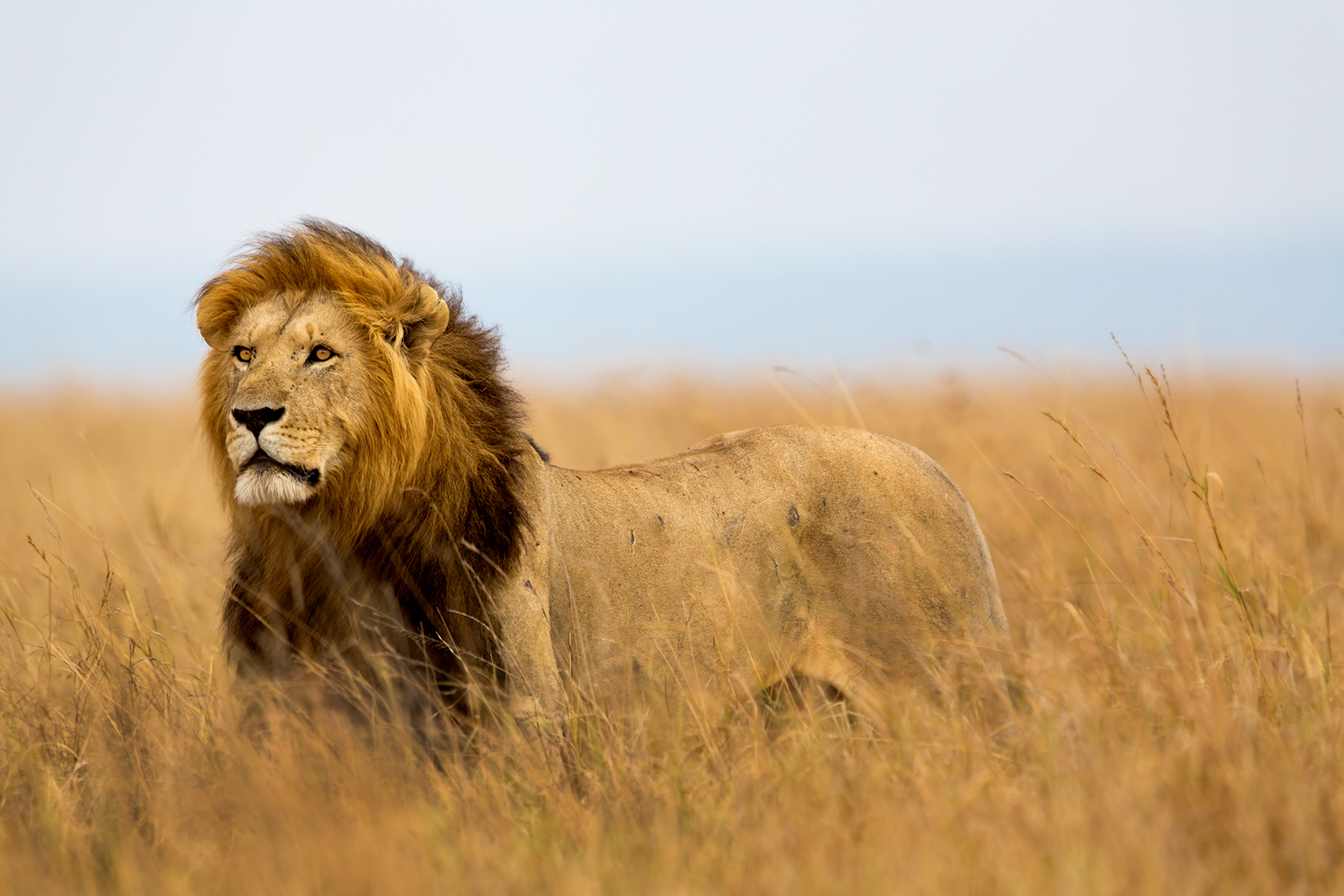
Lions are among the most frequently sought-after animals in Serengeti National Park. The park supports a substantial lion population, and visitors often encounter prides resting in the shade, moving through the grasslands, or interacting with one another.
Central Serengeti is particularly well known for lion sightings because of its abundant prey and diverse habitats.
Early-morning and late-afternoon game drives can provide excellent opportunities to observe lions when temperatures are cooler and the animals are more active.
Although they are more difficult to spot than lions, the Serengeti offers rewarding opportunities to see them resting on tree branches or moving quietly through riverine vegetation.
The Seronera region is especially popular for leopard viewing because of its network of river valleys and suitable habitats.
Patience and the guidance of an experienced safari guide can greatly improve the chances of seeing these elusive cats.
Cheetahs are among the fastest land animals in the world. Their slender bodies, distinctive black tear marks, and long legs make them easy to identify.
They are often found in open grasslands where they can use their exceptional speed to pursue prey.
Visitors may see cheetahs resting on termite mounds, scanning the plains, or hunting gazelles.

African elephants are among the largest land mammals on Earth and are an important part of the Serengeti ecosystem.
They can be seen travelling in family groups, feeding on vegetation, or gathering near water sources.
Although elephants are not always as concentrated in the Serengeti as they are in some other Tanzanian parks, encounters are possible in suitable woodland and riverine habitats.
Observing these intelligent animals from a safe distance is one of the memorable experiences of a safari.
Wildebeest are central to the Serengeti’s ecological identity. Their annual migration helps maintain grassland ecosystems and supports predators and scavengers.
During migration periods, visitors may encounter vast herds stretching across the plains. Outside the peak movement periods, resident herds can still be observed in different parts of the ecosystem.
Plains zebras commonly travel alongside wildebeest, particularly during the Great Migration.
Their striking black-and-white stripes make them easy to recognise, and their grazing behaviour helps shape the grasslands.
Zebras can be seen throughout much of the park, with especially large concentrations occurring where migration herds gather.
Masai giraffes are another memorable sight in Serengeti National Park. Their long necks and distinctive coat patterns make them stand out against the savannah landscape.
They often feed on leaves from acacia trees and may be seen walking across open ground or browsing in wooded areas.
Giraffes can be encountered in several regions of the park throughout the year.

They are commonly found in grasslands, woodlands, and areas near water. Their powerful bodies and impressive horns make them particularly striking wildlife subjects.
In addition to the famous large mammals, visitors may see:
The diversity of wildlife ensures that every game drive can provide something interesting, even when the most famous predators are difficult to find.
Serengeti National Park is also an excellent destination for birdwatchers, with more than 500 recorded bird species.
Its habitats include open plains, woodland, rivers, and rocky hills, supporting both resident and migratory birds.
Some notable birds include:

Birdwatching is rewarding throughout the year, although seasonal rainfall can influence breeding activity and the presence of migratory species.
Visitors interested in bird photography should bring binoculars, a camera with a suitable zoom lens, and a bird identification guide.
Although the park is famous for the Great Migration, it contains several distinct areas that offer different landscapes and wildlife experiences.
Seronera Valley is located in the central Serengeti and is one of the park’s most popular safari areas.
Its rivers, open plains, and woodland habitats support abundant wildlife throughout the year. The area is particularly well known for sightings of lions, leopards, cheetahs, elephants, and numerous grazing animals.
Seronera is an excellent choice for first-time visitors because it provides rewarding game viewing even when migration herds are elsewhere.
The area’s central location also makes it a convenient base for exploring different parts of the park.
The northern Serengeti is known for its rolling hills, river valleys, and relatively remote wilderness.
The Mara River is the main attraction during periods when migration herds gather in the area. Visitors may witness wildebeest and zebras crossing the river, although the timing and frequency of crossings cannot be guaranteed.
The region is also rewarding outside the main migration period, with opportunities to see resident wildlife and enjoy a quieter safari atmosphere in suitable locations.
The western corridor stretches towards Lake Victoria and includes river systems that support a variety of wildlife.
The Grumeti River is a major feature of this region and can attract migration herds during parts of the year.
Crocodiles, hippos, grazing animals, and predators contribute to the area’s appeal. Its landscapes differ from the open plains of the south, creating opportunities for varied wildlife photography.

The southern Serengeti is characterised by expansive grasslands and seasonal grazing areas.
It is particularly important during the wildebeest calving season, when large herds gather to give birth and raise their young.
The region is especially attractive to photographers who want to capture newborn animals, predator behaviour, and sweeping savannah landscapes.
The eastern Serengeti contains open grasslands, rocky hills, and areas of woodland.
Its landscapes can provide excellent opportunities to observe cheetahs and other animals adapted to open habitats.
Depending on the season and local conditions, the region can also offer rewarding wildlife viewing with fewer visitors in some areas.
Kopjes are rocky outcrops that rise above the surrounding plains and provide shelter, lookout points, and resting places for wildlife.
These rock formations are an important feature of the Serengeti landscape.
Lions sometimes rest on or around kopjes, while hyraxes, lizards, and various birds use the rocks as habitat.
Kopjes also create excellent photographic contrasts between the rocky landscape, scattered trees, and open grasslands.
A visit to Serengeti National Park offers much more than simply travelling through the wilderness. Visitors can choose from several activities depending on their interests, budget, and safari itinerary.
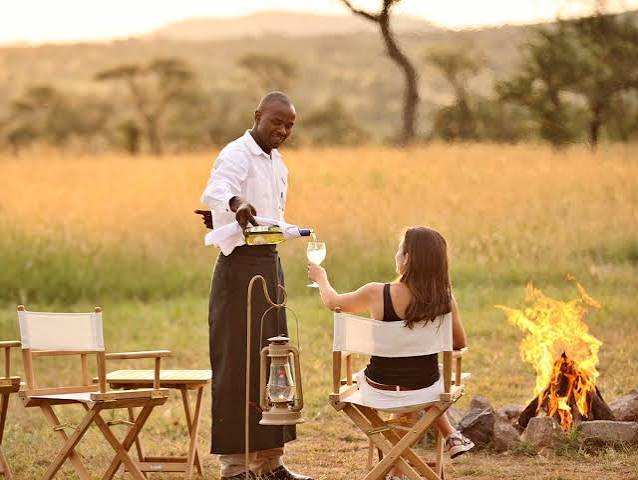
Game drives are the main activity in Serengeti National Park and provide opportunities to observe wildlife in its natural habitat.
Safaris are usually conducted in specially equipped four-wheel-drive vehicles with experienced guides who understand animal behaviour and the park’s terrain.
Morning game drives can offer opportunities to see predators when they are active, while afternoon drives provide beautiful lighting for wildlife photography.
Full-day game drives are also popular, particularly when exploring distant regions or searching for migration herds.
Migration safaris focus on the seasonal movement of wildebeest and zebras.
The itinerary is planned around the region most likely to offer good migration viewing during the travel dates.
These safaris are particularly popular with photographers, wildlife enthusiasts, and travellers hoping to witness the dramatic river crossings or calving season.
Because the migration is influenced by rainfall, flexible itineraries and knowledgeable guides are valuable.
A hot-air balloon safari provides a different perspective on the Serengeti landscape.
Flights generally take place around sunrise, when the plains are illuminated by soft morning light and wildlife begins its daily activities.
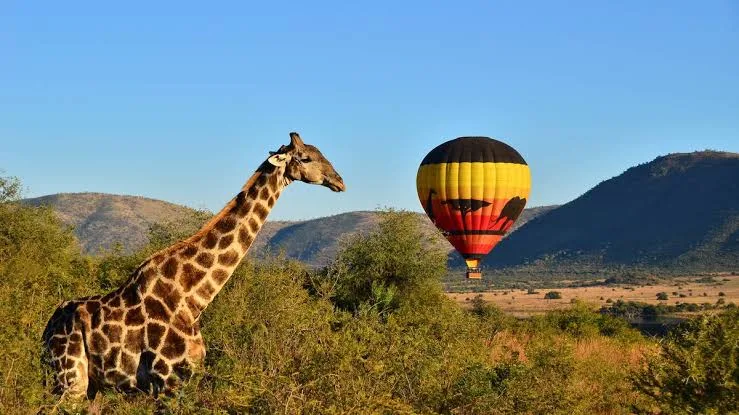
From above, visitors may see winding rivers, scattered herds, rocky outcrops, and the immense scale of the savannah.
Many balloon safari packages include a celebratory breakfast after landing, although arrangements vary by operator.
Balloon safaris usually require advance booking and involve an additional cost beyond the standard safari package.
Serengeti National Park is one of Africa’s outstanding destinations for wildlife photography.
Its open landscapes, abundant animals, dramatic skies, and diverse habitats provide opportunities for capturing memorable images.
Photographers can focus on predator behaviour, migrating herds, birds, landscapes, and the interactions between different species.
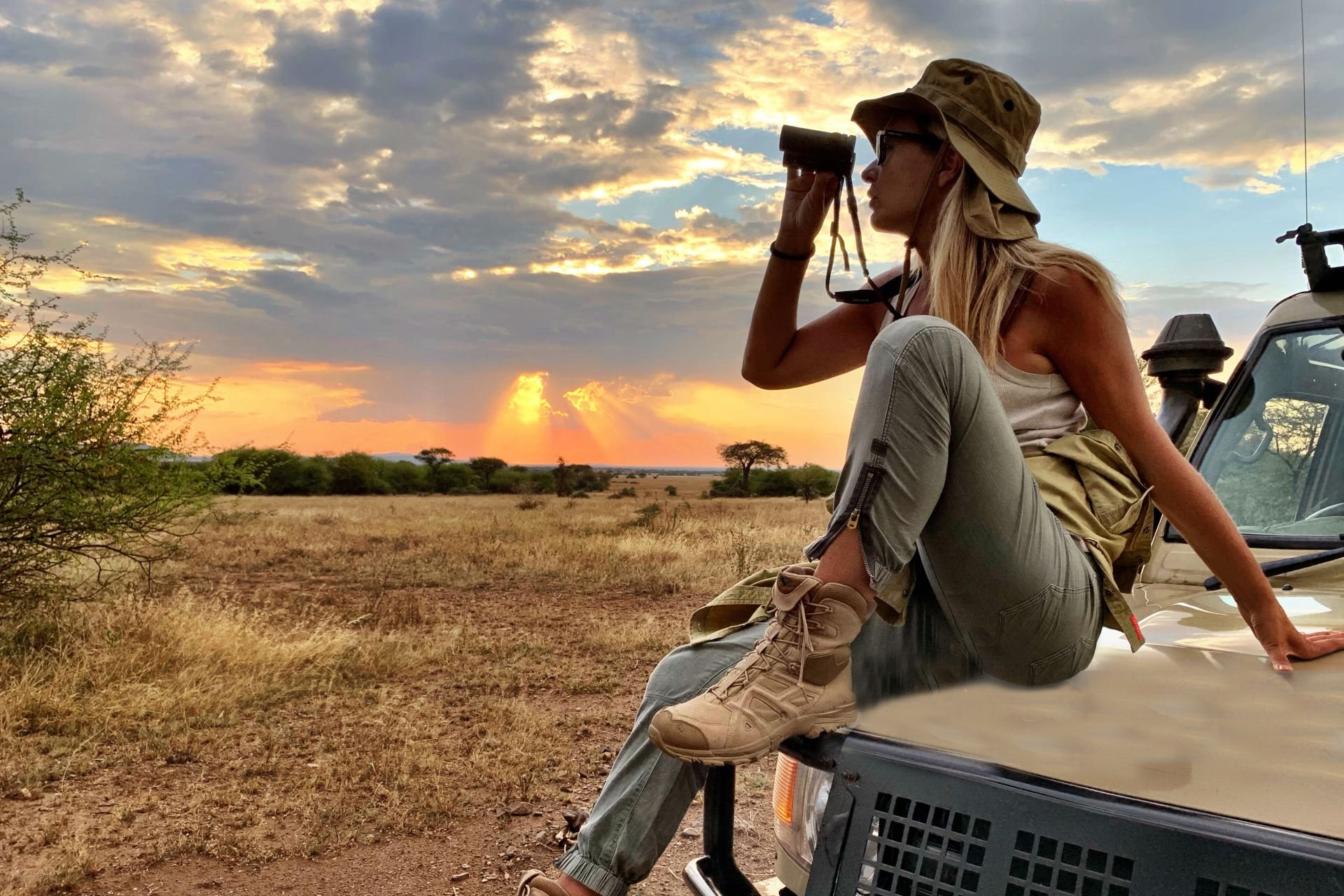
A camera with a telephoto lens is useful for photographing animals from a respectful distance. Binoculars also help visitors locate wildlife before taking photographs.
Birdwatching can be included in regular game drives or arranged as a more specialised activity.
An experienced guide can help identify different species, explain their behaviour, and locate birds in grasslands, woodland, and wetland habitats.
This activity is suitable for both beginners and experienced birdwatchers.
Travellers can combine a Serengeti safari with cultural experiences in nearby communities, where suitable visits are available through responsible operators.
These experiences may introduce visitors to aspects of Maasai traditions, pastoral lifestyles, crafts, and local history.
Cultural visits should be arranged respectfully, with community consent and fair compensation for participating hosts.
Such experiences provide a broader understanding of the people and cultures connected to the wider northern Tanzania region.
Serengeti National Park can be visited throughout the year. However, the best time depends on the wildlife experiences you want to enjoy.
| Period | What to expect | Best for |
|---|---|---|
| January–March | Calving season in the southern plains and Ndutu region | Newborn wildebeest, predators, photography |
| April–May | Long rains and changing migration patterns | Green landscapes, fewer crowds in some areas |
| June | Drier conditions in many areas and migration movement westward or northward | Game drives and changing herd locations |
| July–October | Northern migration activity and possible Mara River crossings | Migration safaris and river-crossing opportunities |
| November–December | Short rains and movement towards the southern plains | Green scenery, resident wildlife, migration viewing |
These periods are approximate. Rainfall patterns and herd movements change from year to year, so travellers should confirm current conditions before booking.
The dry season, generally from June to October, is a popular time for wildlife viewing.
Grass is often shorter, and animals may gather around remaining water sources. These conditions can make wildlife easier to spot in many areas.
The northern Serengeti attracts visitors hoping to see river crossings during the relevant migration period.
However, the dry season is also popular, so accommodation in sought-after areas may need to be booked well in advance.
The green season generally includes the rainy months, especially April and May, as well as periods of rainfall later in the year.
The landscape becomes greener, skies can be dramatic, and birdlife can be particularly rewarding.
Some accommodation providers may offer more attractive rates during quieter periods, although prices and availability vary.
Travellers should be prepared for rain, muddy roads, and possible changes to driving times.
There are two main ways to reach Serengeti National Park: by road and by air.
Many visitors travel from Arusha, the main safari hub in northern Tanzania.
A road safari may include other popular destinations, such as Tarangire National Park, Lake Manyara National Park, and the Ngorongoro Conservation Area.
Travel time depends on the starting point, road conditions, entry gate, and the region of the Serengeti being visited. The journey from Arusha can take several hours and may be considerably longer when travelling to distant regions.
Road travel is ideal for visitors who want to explore multiple destinations and enjoy the scenery along the way.
Scheduled and charter flights connect selected airstrips in the Serengeti with other destinations in Tanzania.
Flying can save considerable travel time, especially for travellers visiting the northern or western regions.
However, flight availability depends on the season, route, and operator. Visitors should arrange transfers between the airstrip and their accommodation in advance.
Road travel is often suitable for travellers planning a multi-park safari, while flying is convenient for those with limited time or accommodation in remote areas.
Some itineraries combine both options, allowing visitors to experience the scenery on the way in and save time on the return journey.

Serengeti National Park offers a variety of accommodation options, ranging from comfortable tented camps to luxurious lodges.
The best choice depends on your budget, preferred level of comfort, and the region you want to explore.
Luxury accommodation often features spacious rooms or tents, private bathrooms, fine dining, personalised service, and impressive views of the surrounding landscape.
Some camps offer swimming pools, private game drives, and additional experiences such as guided walks where permitted.
These options are suitable for honeymooners, luxury travellers, and visitors seeking a high level of comfort.
Mid-range lodges and tented camps provide a balance between comfort and cost.
Facilities commonly include private bathrooms, comfortable beds, meals, and organised safari activities, although amenities vary by property.
They are a popular option for couples, families, and small groups who want a comfortable safari without the highest luxury prices.
Budget travellers can consider public campsites, designated camping facilities, or more affordable accommodation outside the park, depending on the itinerary.
Camping can provide a closer connection to the wilderness, but visitors should be prepared for simpler facilities and follow all park safety regulations.
Staying outside the park may reduce accommodation costs, although additional driving time can affect wildlife-viewing opportunities.
Accommodation location is just as important as accommodation style.
If you want to see the Great Migration, choose a camp near the region where the herds are expected during your travel dates. For year-round wildlife viewing, central Serengeti is often a practical choice.
Booking early is advisable for peak seasons, particularly in popular migration-viewing areas.
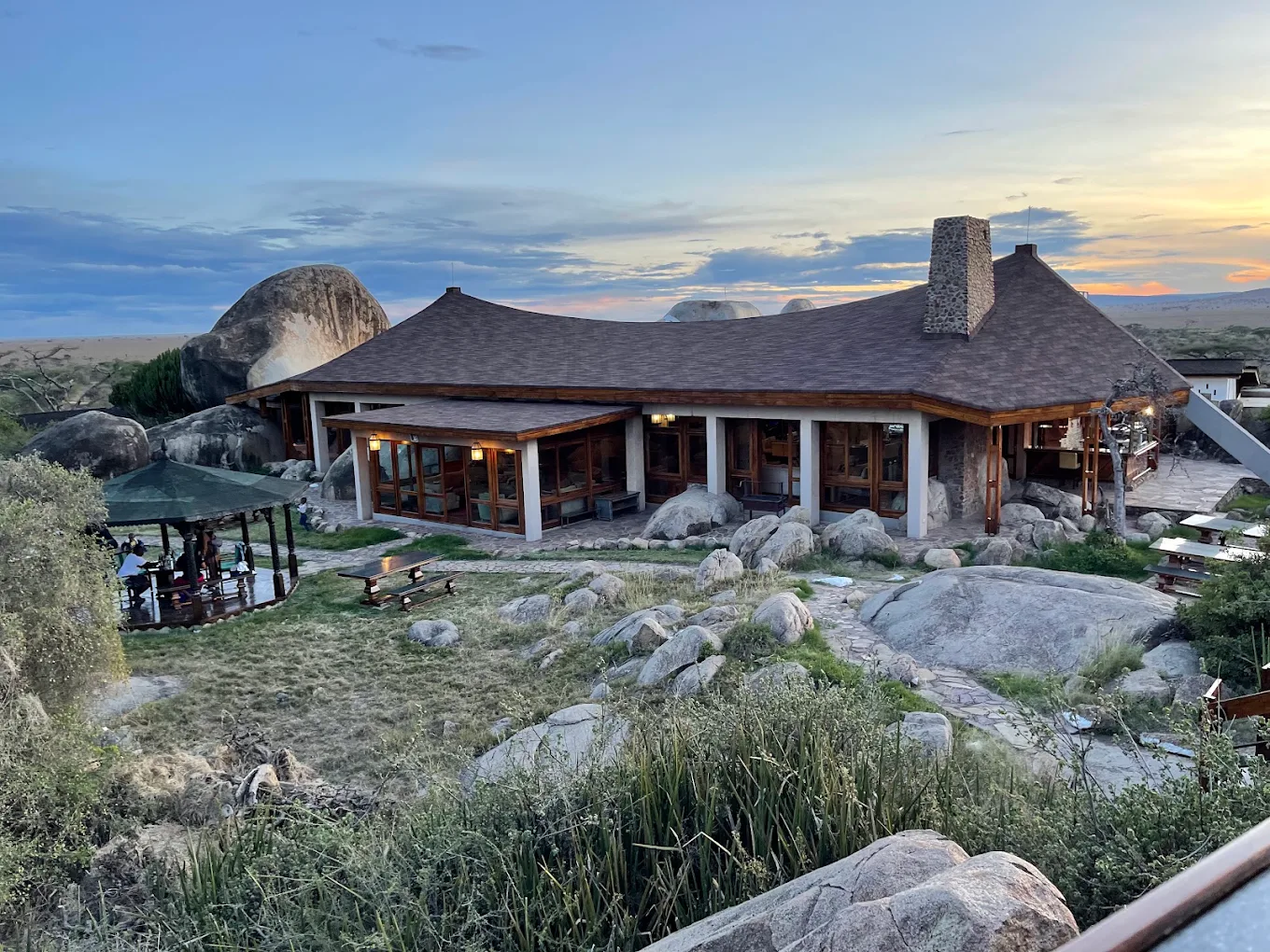
The ideal length of stay depends on your budget, travel schedule, and wildlife interests.
A short visit can provide a taste of the Serengeti, especially when flying directly to an airstrip near your accommodation.
However, limited time reduces the flexibility to explore different areas and search for specific animals.
Three or four days is a good option for many travellers.
This allows time for several game drives, exploration of different habitats, and opportunities to observe a wider variety of wildlife.
Depending on the season, it may also provide time to search for migration herds.
A longer stay is particularly rewarding for photographers, wildlife enthusiasts, and travellers hoping to explore more than one region.
Additional days allow for flexible game drives and reduce the pressure to find particular animals within a short period.
For a migration-focused safari, the itinerary should prioritise the relevant region rather than simply adding more days in a location where the herds are unlikely to be present.
The cost of a Serengeti safari varies according to accommodation, season, transportation, group size, and the services included in the package.
Factors that influence the total cost include:
Luxury safaris generally cost more because of premium accommodation, private transportation, and personalised services. Mid-range and budget itineraries may be more affordable, especially when travellers share vehicles and choose simpler accommodation.
The cheapest itinerary is not always the best value. A camp located close to the wildlife-viewing area you want to explore may offer a better experience than accommodation requiring long daily transfers.
Before booking, ask for an itemised quotation that explains which park fees, meals, transfers, and activities are included.
Good preparation can make your safari more comfortable, enjoyable, and rewarding.

Bring lightweight clothing in neutral colours, comfortable trousers, a warm layer for early mornings, and a waterproof jacket during rainy periods.
Avoid relying entirely on short-sleeved clothing, as mornings in open safari vehicles can be chilly.
Binoculars make it easier to observe animals at a distance, while a camera helps you capture memorable moments.
A telephoto lens is particularly useful for wildlife photography.
Popular camps can fill quickly during the Great Migration and other peak travel periods.
Early reservations also provide more choice when selecting a camp in a specific region.
Professional safari guides understand animal behaviour, seasonal movements, and the park’s road network.
Their knowledge can improve your chances of finding wildlife and help you understand the ecological importance of what you see.
Always remain inside the safari vehicle unless your guide confirms that leaving it is permitted in a designated area.
Never approach, feed, or attempt to touch wild animals. Keep a safe distance and follow your guide’s instructions.
Useful items include sunscreen, a hat, sunglasses, insect repellent, personal medication, binoculars, a reusable water bottle where appropriate, and spare camera batteries.
Keep your belongings organised and protect electronic equipment from dust and rain.
Wildlife is unpredictable, and travel times can change because of weather, road conditions, and animal movements.
A flexible schedule helps make the experience more enjoyable.
Serengeti National Park plays a vital role in protecting Tanzania’s natural heritage and maintaining one of the world’s most remarkable wildlife ecosystems.
Its grasslands, rivers, woodlands, and seasonal grazing areas support complex relationships between plants, herbivores, predators, and scavengers.
The Great Migration is especially important because the movement of large herds influences vegetation, nutrient cycling, and predator populations across the ecosystem.
However, the park and surrounding ecosystem face ongoing challenges, including habitat fragmentation, pressure on land outside protected areas, human-wildlife conflict, and the effects of changing climate conditions.
Conservation efforts aim to protect wildlife populations, maintain migration routes, and balance ecological protection with the needs of communities living around the protected areas.
Visitors can contribute by choosing responsible safari operators, respecting wildlife regulations, reducing waste, and supporting tourism businesses that work positively with local communities.
Responsible tourism helps preserve the Serengeti for future generations while providing economic opportunities connected to wildlife conservation.

Serengeti National Park can be combined with several other destinations to create a varied safari holiday.
The Ngorongoro Conservation Area is famous for the Ngorongoro Crater, a spectacular volcanic caldera that supports a high concentration of wildlife.
Combining the crater with the Serengeti offers opportunities to explore different habitats and landscapes.
Tarangire is known for its large elephant herds, distinctive baobab trees, and seasonal wildlife concentrations around the Tarangire River.
It is an excellent addition for travellers interested in elephants and varied savannah scenery.
Lake Manyara National Park offers a mixture of groundwater forest, woodland, lakeshore habitats, and open areas.
The park is also known for its birdlife, including flamingos when conditions are suitable, and its diverse mammal species.
After several days of wildlife viewing, visitors may choose to relax on Zanzibar’s beaches.
The island offers opportunities for swimming, snorkelling, cultural exploration, and relaxation along the Indian Ocean coast.
A Serengeti and Zanzibar holiday combines a classic African safari with a tropical beach experience.
Serengeti National Park is worth visiting for travellers who want to experience Africa’s wildlife, landscapes, and natural processes on an extraordinary scale.
Its appeal extends beyond the Great Migration. The park offers year-round wildlife viewing, outstanding predator sightings, remarkable birdlife, and landscapes that change with the seasons.
First-time safari visitors can enjoy the variety of animals and the expertise of local guides, while experienced wildlife enthusiasts can focus on photography, migration movements, and less-visited regions.

Families, couples, solo travellers, and groups can all find suitable safari options, provided that the itinerary matches their needs and budget.
Although a safari requires careful planning and can involve significant costs, the opportunity to observe wild animals in their natural environment makes Serengeti National Park a memorable destination.
Serengeti National Park is one of Tanzania’s greatest natural treasures and one of Africa’s most remarkable wildlife destinations. Its vast plains, abundant wildlife, dramatic predator encounters, and extraordinary Great Wildebeest Migration create experiences that are difficult to match elsewhere.
From watching lions resting on rocky kopjes to observing cheetahs on open grasslands and witnessing enormous herds moving across the savannah, every safari offers a different perspective on the natural world.
The best experience depends on choosing the right season, selecting suitable accommodation, and planning an itinerary around your interests. Whether you visit for a few days or spend a longer period exploring different regions, Serengeti National Park offers opportunities for adventure, relaxation, photography, and learning about wildlife conservation.
For anyone planning a safari in Tanzania, Serengeti National Park deserves a prominent place on the itinerary. Its extraordinary landscapes and wildlife make it a destination that can leave lasting memories long after the journey ends.