
Tanga, Tanzania: Discover Beautiful Beaches, Rich History, and Coastal Adventures. Tanga is a beautiful coastal city in northeastern Tanzania, known for its peaceful atmosphere, fascinating history, cultural heritage, and scenic Indian Ocean coastline. It is an excellent destination for travellers who want to explore Tanzania beyond its famous national parks and busy tourist centres.
The city offers a unique combination of natural beauty and cultural experiences. Visitors can explore historic buildings, discover underground limestone caves, relax on quiet beaches, and enjoy delicious Swahili cuisine. Tanga is also a convenient starting point for visiting nearby destinations such as Pangani, the Usambara Mountains, Saadani National Park, and Mkomazi National Park.
Unlike some of Tanzania’s more crowded destinations, Tanga offers a relaxed environment where visitors can experience local life at a comfortable pace. Its coastal setting, traditional communities, and historical landmarks make it an appealing destination for couples, families, solo travellers, and adventure seekers.
Whether you are planning a short holiday or a longer journey through Tanzania, Tanga provides plenty of opportunities for relaxation, exploration, and cultural discovery.
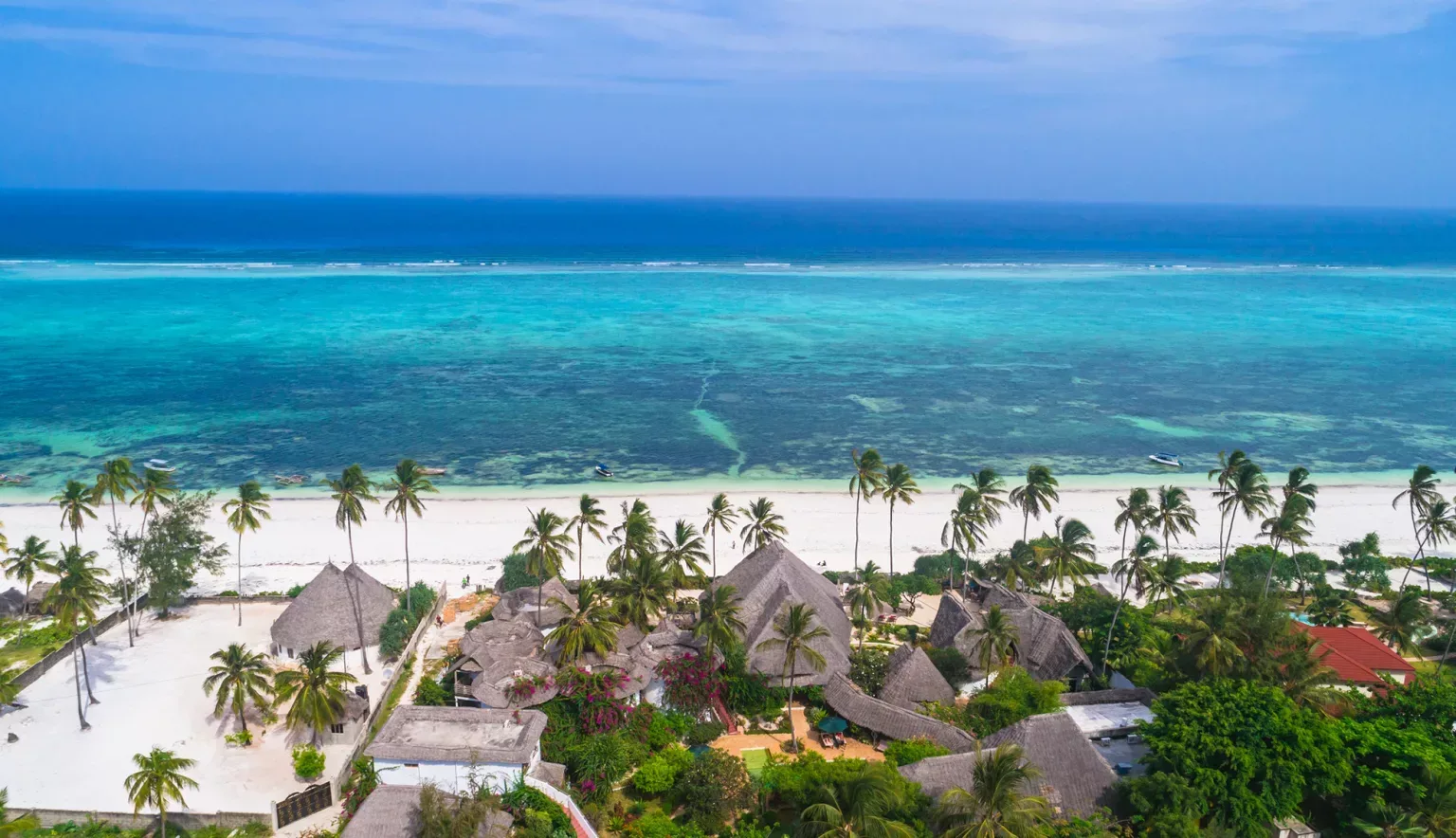
Tanga is located in northeastern Tanzania along the Indian Ocean, near the country’s border with Kenya. It is the administrative centre of Tanga Region and an important port city.
The city lies approximately 350 kilometres northeast of Dar es Salaam by road, depending on the route. Its location makes it accessible to travellers exploring Tanzania’s northern and eastern regions.
Tanga is surrounded by coastal plains, tropical vegetation, agricultural areas, and beautiful stretches of shoreline. Further inland, the landscape rises towards the green hills of the Usambara Mountains.
The city is also well positioned for exploring several attractions across northeastern Tanzania. Visitors can combine a coastal holiday with wildlife safaris, mountain hikes, cultural tours, and historical excursions.
Its location along the Indian Ocean has played a major role in shaping Tanga’s economy, architecture, food, and cultural traditions.
Tanga has a long history shaped by trade, cultural exchange, and colonial rule.
For centuries, the East African coast participated in Indian Ocean trading networks. African coastal communities traded with merchants from Arabia, Persia, India, and other regions. These interactions helped shape Swahili language, architecture, cuisine, and traditions.
During the nineteenth century, Tanga became increasingly important as a trading centre. The movement of agricultural products and other commodities contributed to the city’s economic development. Some historical trading networks were also associated with slavery and exploitation.
Under German colonial rule, Tanga developed into an important administrative and commercial centre. Infrastructure improvements and the expansion of export agriculture strengthened its regional importance.
Following the First World War, the area came under British administration. Tanga continued to develop as a port and commercial centre.
Today, the city’s historical character can be seen in parts of its older architecture, its port activities, and the traditions of its coastal communities.
For travellers interested in history, Tanga provides an opportunity to learn about Tanzania’s maritime heritage and the development of the Swahili coast.
Tanga offers a variety of experiences for travellers seeking natural beauty, cultural discovery, and outdoor adventure.
Tanga is an attractive destination for visitors who enjoy coastal scenery and peaceful beaches.
The surrounding coastline features sandy stretches, rocky shores, mangroves, and traditional fishing areas. These settings provide opportunities for relaxation, photography, and observing everyday coastal life.
Some areas remain relatively undeveloped, making them appealing to travellers who prefer a quieter atmosphere.
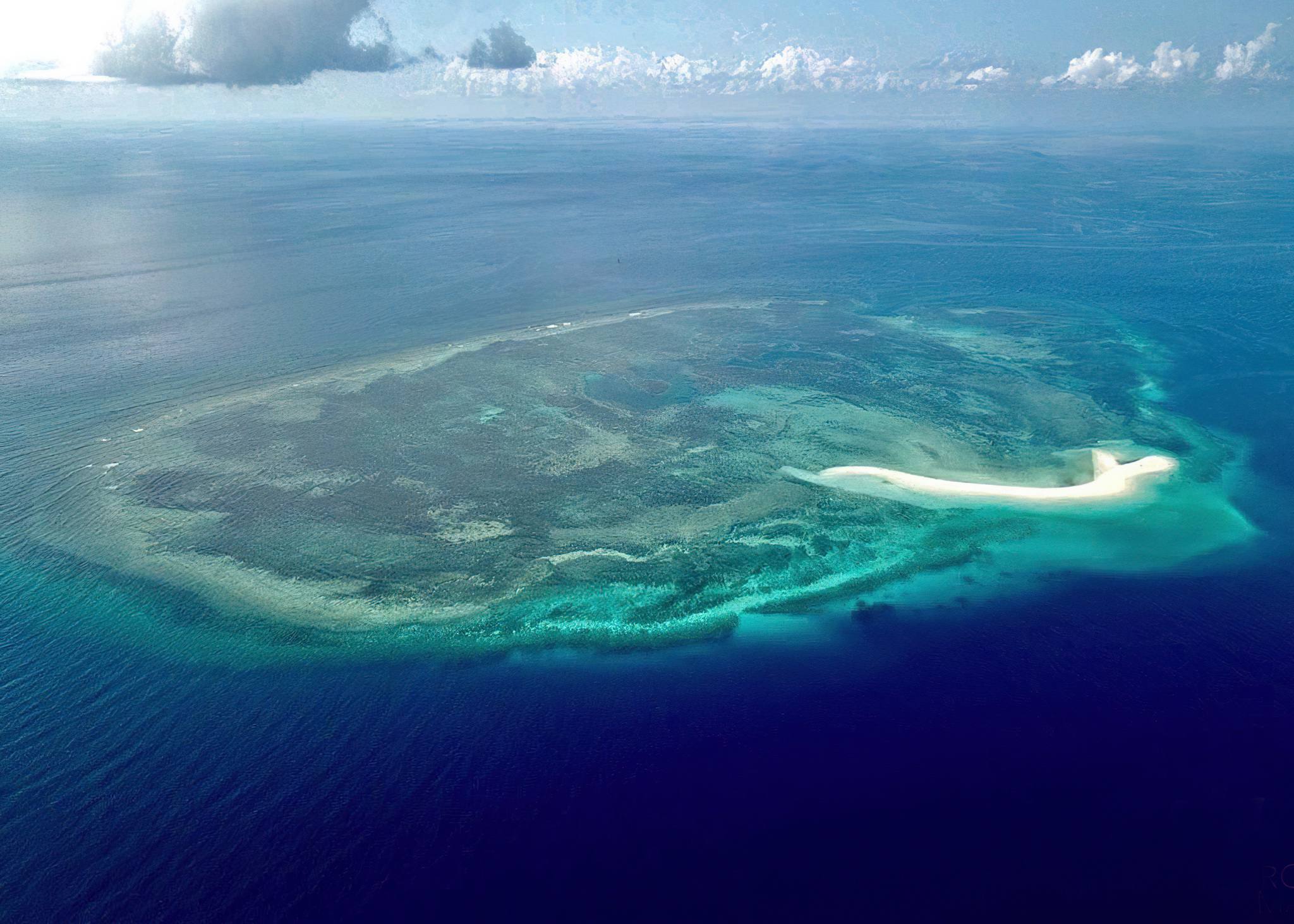
Tanga is part of the historic Swahili coast, where African traditions have interacted with influences from the wider Indian Ocean world.
Visitors can experience local food, explore traditional markets, learn about coastal architecture, and discover the customs of nearby communities.
These cultural experiences provide a deeper understanding of the region’s identity.
The city contains historical landmarks and older buildings that reflect its development as a trading port and colonial administrative centre.
Exploring these sites helps visitors understand how trade and cultural exchange influenced the region.
Tanga Region is home to several remarkable natural attractions, including Amboni Caves, coastal ecosystems, and the Usambara Mountains.
These destinations offer opportunities for sightseeing, hiking, wildlife observation, and nature photography.
Tanga is a useful base for exploring northeastern Tanzania.
Visitors can plan trips to Pangani for coastal heritage, the Usambara Mountains for hiking, or nearby national parks for wildlife viewing.
This variety makes Tanga a good choice for travellers who want to experience several aspects of Tanzania in one journey.
Amboni Caves are among the most famous natural attractions near Tanga city.
This extensive limestone cave system was formed over thousands of years through natural geological processes. Inside, visitors can discover unusual rock formations, underground chambers, and passages shaped by the gradual dissolution of limestone.
The caves also have cultural significance, with local stories and traditions adding to their appeal.
Guided visits allow travellers to learn about the formation of the caves, their natural features, and their importance to the surrounding community.
What to expect: Some areas have uneven or slippery surfaces and limited lighting. Wear suitable footwear and follow the instructions of an authorised guide.
Amboni Caves are an excellent destination for travellers interested in geology, nature, and unusual landscapes.
Exploring Tanga city centre is a good way to experience the city’s history and everyday life.
The area features commercial streets, local shops, markets, older buildings, and businesses connected to the city’s port activities.
Visitors can walk through selected neighbourhoods, observe local commerce, and discover aspects of the city’s cultural identity.
A guided city tour can provide useful historical information and help visitors identify significant buildings and landmarks.
The city centre is also a convenient place to sample local food and purchase everyday goods or souvenirs.
Tanga Port is an important part of the city’s history and economic development.
Its position along the Indian Ocean has supported maritime trade and commercial connections with other coastal destinations.
Visitors interested in Tanzania’s economic history may appreciate learning about the port’s role in regional commerce.
However, access to operational port facilities may be restricted. Any visit should follow local security regulations and be arranged through authorised channels where necessary.
The coastline surrounding Tanga offers opportunities to enjoy the beauty of the Indian Ocean.
Depending on the location, visitors may find sandy beaches, rocky shorelines, fishing areas, and quiet places to relax.
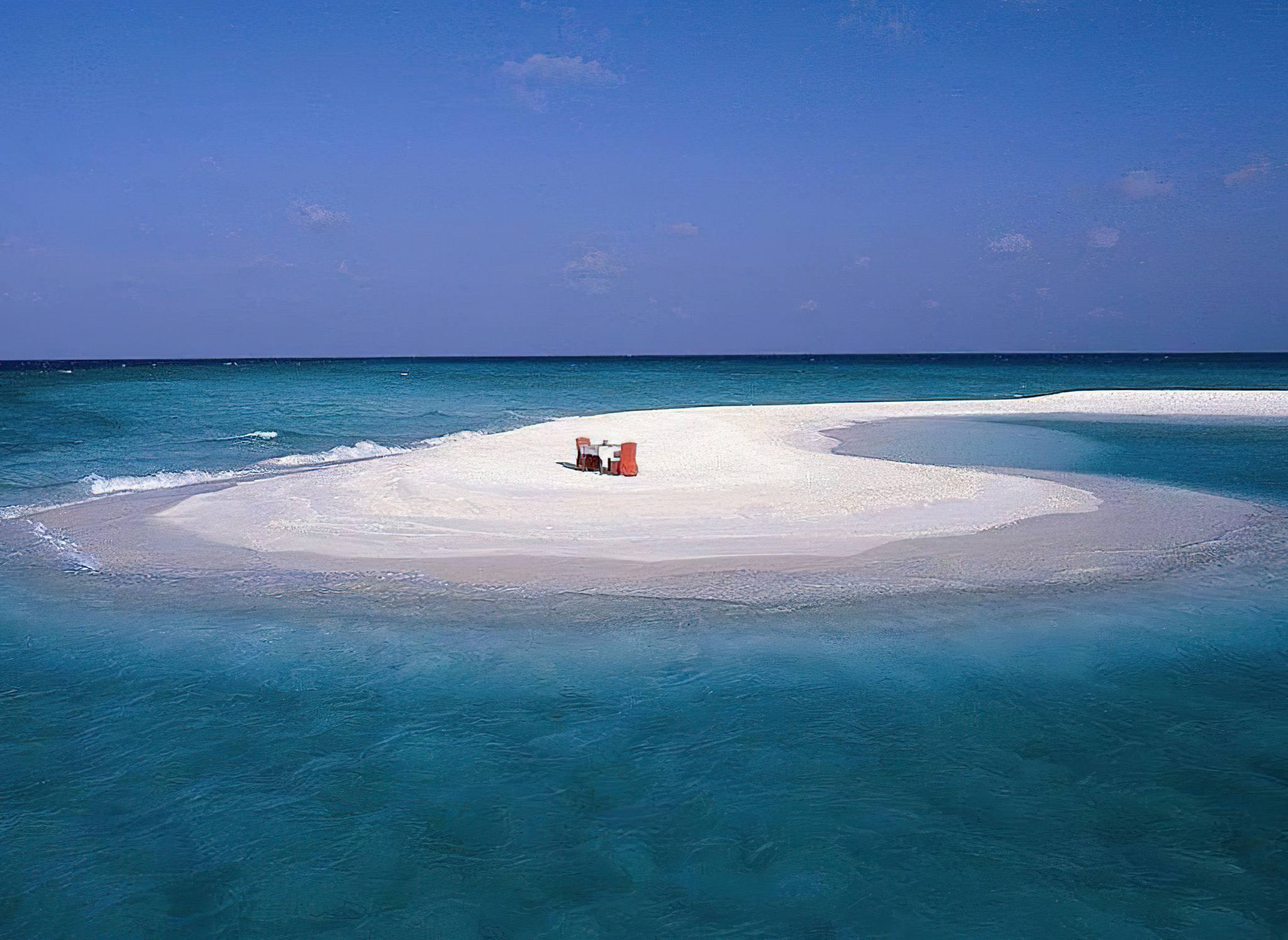
Popular coastal activities include beach walks, photography, relaxing beside the sea, and observing traditional fishing practices.
Swimming may be possible at suitable locations, but visitors should seek local advice about currents, tides, and water conditions before entering the sea.
Travellers should also confirm the availability of restaurants, toilets, transport, and other facilities before visiting less-developed beaches.
Pangani is a historic coastal town south of Tanga, known for its Swahili heritage, peaceful atmosphere, and attractive beaches.
The town has a long history connected to Indian Ocean trade. Its past also reflects the nineteenth-century caravan trade and the history of slavery along the East African coast.
Visitors can explore historic streets, learn about traditional coastal architecture, and discover the importance of the Pangani River to local communities.
The surrounding area offers opportunities for beach relaxation and, where available, guided boat excursions.
Pangani is an excellent addition to a Tanga itinerary for travellers interested in combining history with coastal scenery.
The Usambara Mountains offer a striking contrast to Tanga’s warm coastal environment.
Located inland, these mountains are known for their green hills, forested slopes, fertile valleys, and cooler climate.
The area is popular for hiking, birdwatching, scenic viewpoints, and visits to rural communities.
Its forests and diverse habitats support a variety of plant and animal species, including birds associated with the Eastern Arc Mountains.
Visitors can explore walking trails, observe agricultural activities, and learn about local traditions with the help of knowledgeable guides.
The Usambara Mountains are particularly suitable for travellers who enjoy outdoor adventures and nature exploration.
Saadani National Park is a distinctive wildlife destination because it combines savannah habitats with coastal environments.
Located south of Tanga Region, the park protects grasslands, woodlands, mangroves, and areas influenced by the Indian Ocean and the Wami River.
Wildlife sightings may include elephants, giraffes, buffaloes, zebras, antelopes, and various bird species.
The park offers a different safari experience from Tanzania’s more famous northern parks because of its coastal setting.
Visitors can enjoy game drives and explore the area’s varied natural habitats, subject to park regulations and seasonal conditions.
Saadani is a rewarding option for travellers who want to combine a beach holiday with a wildlife safari.
Mkomazi National Park is located inland in northeastern Tanzania and is known for its dry savannah landscapes and conservation initiatives.
The park supports animals such as elephants, giraffes, zebras, antelopes, and predators.
It is also recognised for conservation efforts involving endangered African wild dogs and black rhinoceroses.
Wildlife viewing depends on animal movements, seasonal conditions, and the areas visited during a safari.
For travellers seeking a quieter wildlife experience, Mkomazi can be an excellent addition to a broader northeastern Tanzania itinerary.
A sightseeing tour is an excellent way to discover Tanga’s history, culture, and commercial life.
Visitors can explore selected historic streets, browse local markets, learn about the port, and observe daily activities.
A local guide can explain the city’s development and introduce visitors to places they might otherwise overlook.
Spending time beside the Indian Ocean is one of the simplest ways to enjoy Tanga.
Visitors can relax, take photographs, walk along suitable beaches, or watch fishing boats and coastal activities.
Some locations offer additional recreational opportunities, depending on the facilities and local conditions.
Exploring Amboni Caves provides a memorable experience for visitors interested in natural formations and geology.
A guided tour explains how the caves developed and introduces their cultural significance.
Visitors should wear comfortable shoes and follow safety instructions throughout the visit.
Markets provide an authentic glimpse into everyday life in Tanga.
Visitors can find fresh produce, seafood, spices, clothing, household goods, and locally traded products.
Exploring a market is also an opportunity to learn about regional ingredients and the food traditions of the Swahili coast.
Remember to ask permission before photographing people.
Tanga’s coastal location makes seafood an important part of its food culture.
Depending on availability, visitors may enjoy grilled fish, prawns, octopus, and other seafood dishes.
These meals are often served with rice, chapati, vegetables, or coconut-based sauces.
Local restaurants and eateries can provide an enjoyable introduction to coastal Tanzanian cuisine.

A day trip or overnight stay in Pangani allows visitors to explore another part of Tanzania’s historic coastline.
Activities may include sightseeing, beach relaxation, learning about Swahili history, and observing local fishing activities.
Visitors interested in boat trips should use reputable local operators and confirm safety arrangements before departure.
The Usambara Mountains are ideal for travellers who enjoy hiking and scenic landscapes.
Guided walks can lead through forests, agricultural areas, and villages, depending on the selected route.
Visitors can enjoy cooler weather, beautiful viewpoints, and opportunities to learn about the region’s natural environment.
Because travel to the mountains takes additional time, it is best to plan this excursion separately rather than trying to fit it into a short city visit.
Tanga provides opportunities to learn about Swahili traditions through food, crafts, markets, architecture, and community interactions.
Visitors can support local artisans by purchasing locally made products and can gain a deeper understanding of coastal traditions through respectful cultural visits.
Responsible tourism should ensure that community hosts benefit fairly from organised activities.
Tanga’s cultural identity reflects centuries of interaction between African coastal communities and traders from other parts of the Indian Ocean world.
Swahili is widely spoken in everyday life and is central to communication, trade, and social interaction.
The region’s cultural heritage can be seen in its cuisine, architecture, religious traditions, and community customs.
Hospitality is an important part of coastal social life.
Visitors may experience welcoming greetings, shared meals, and opportunities to learn about local customs.
Learning a few Swahili expressions can make interactions more enjoyable:
Using these expressions shows respect and can help create positive interactions with local residents.
Markets and small shops may offer colourful fabrics, handmade crafts, and other locally produced items.
Purchasing these products can support small businesses and artisans while giving visitors a meaningful souvenir of their trip.
Islam has a long history along Tanzania’s coast, and mosques are important features of many coastal communities.
Visitors should dress respectfully when entering religious sites and follow local rules regarding photography and behaviour.
Older buildings and traditional coastal architecture also reflect the region’s history of maritime trade and cultural exchange.
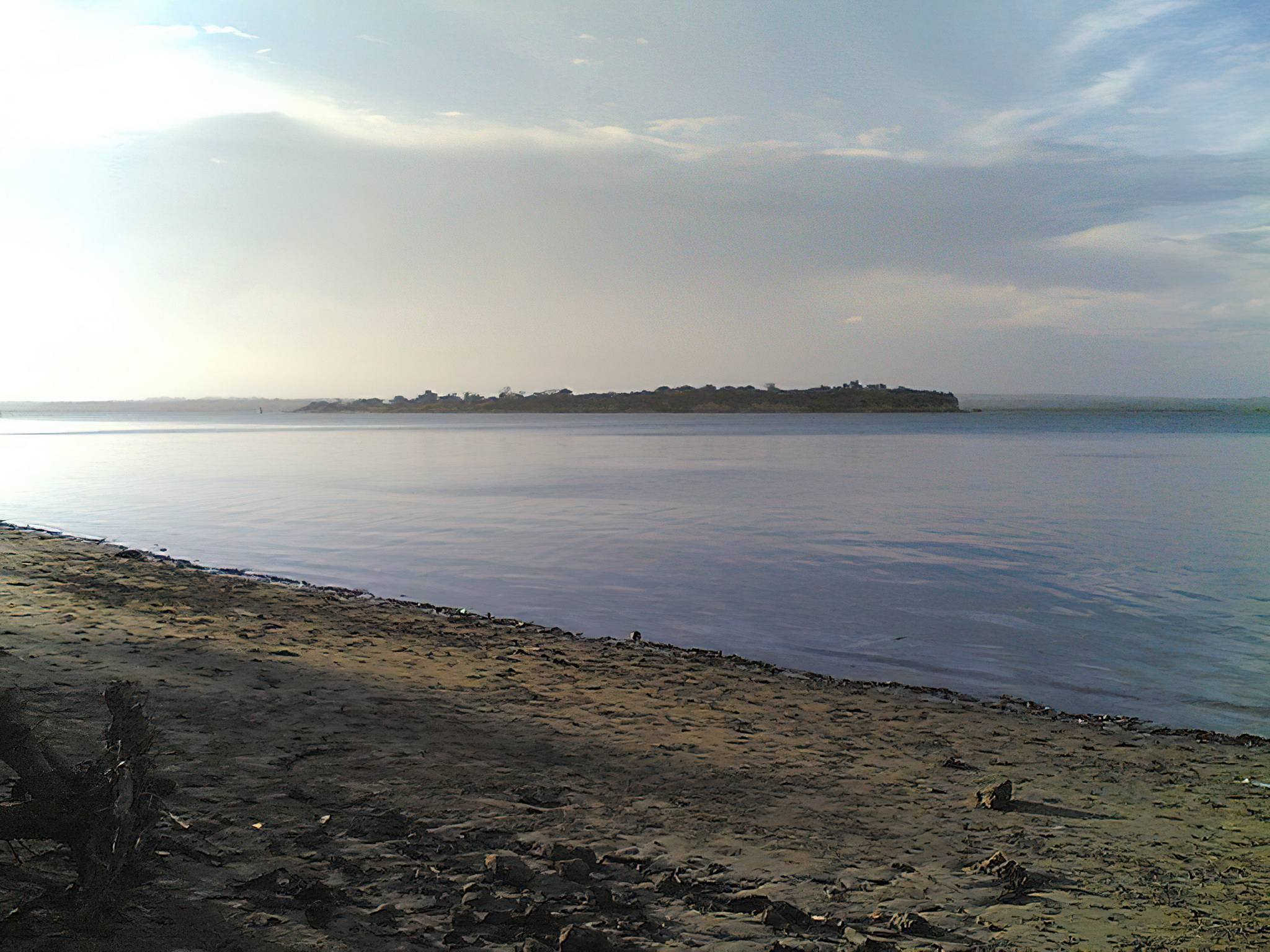
Food is an important part of the Tanga experience.
The city’s coastal location influences its cuisine, with seafood, coconut, rice, spices, and fresh produce featuring in many meals.
Here are some dishes worth trying.
Grilled fish: Fresh fish prepared over charcoal and served with rice, vegetables, or sauce.
Pilau: A fragrant rice dish cooked with spices and often served with meat.
Wali wa nazi: Rice prepared with coconut milk, a popular dish along the coast.
Chapati: A flatbread commonly served with beans, meat, vegetables, or other accompaniments.
Seafood dishes: Depending on availability, restaurants may serve prawns, octopus, and other seafood prepared in different styles.
Fresh tropical fruits: Mangoes, bananas, coconuts, and other seasonal fruits are common in the region.
Visitors can choose from local eateries, hotels, restaurants, and coastal establishments. Prices and opening hours vary, so asking accommodation staff for current recommendations can be helpful.
Tanga can be visited throughout the year, although weather conditions influence outdoor activities and road travel.
The region has a warm, humid coastal climate with distinct periods of rainfall.
This period is often a good choice for sightseeing and regional excursions because conditions are generally drier than during the main rainy seasons.
It is suitable for exploring the city, visiting Amboni Caves, and planning trips to nearby destinations.
The short rains often occur around November and may continue into December.
The landscape can become greener, and some destinations may feel quieter. However, rainfall can affect outdoor plans and road conditions.
The long rains generally occur between March and May.
Heavy rain can make some rural roads difficult to navigate and may disrupt outdoor excursions.
Visitors travelling during this period should check weather forecasts and allow flexibility in their itineraries.
These months are often warm, with weather conditions varying from year to year.
They can be suitable for coastal sightseeing and cultural activities, provided travellers prepare for humidity and possible rainfall.
Best overall recommendation: June to October is often a practical period for visitors who want to explore Tanga and its surrounding attractions in generally drier conditions.
Tanga can be reached by road, with air connections depending on current schedules and availability.
Road travel is one of the main ways to reach Tanga from Dar es Salaam.
The journey passes through northeastern coastal landscapes and settlements. Travel time depends on traffic, road conditions, stops, and the chosen route.
Visitors can use available bus services, private vehicles, or hired cars.
Travellers coming from Arusha can reach Tanga by road.
This option is convenient for those planning a wider itinerary that includes destinations such as Mkomazi National Park or the Usambara Mountains.
Journey times vary depending on the route and conditions.
Air connections depend on current flight schedules and available routes.
Travellers considering air travel should confirm operating days, luggage allowances, and onward transport arrangements before booking.
For many visitors, road transport remains a practical option for reaching Tanga from other major destinations in Tanzania.
Tanga offers accommodation options for different budgets and travel preferences.
Higher-end hotels may offer spacious rooms, restaurants, air conditioning, swimming pools, and additional guest services.
They are suitable for travellers seeking comfort and convenient access to city facilities or coastal attractions.
Mid-range hotels provide a balance between comfort and affordability.
Facilities may include private bathrooms, comfortable rooms, meals, and other practical amenities.
These properties are suitable for couples, families, and visitors staying for several days.
Budget accommodation is available for travellers who want to keep costs low.
Facilities vary, so it is advisable to check recent reviews and confirm which services are included before making a reservation.
Visitors interested in sightseeing may prefer accommodation near the city centre.
Those seeking coastal relaxation may choose a property closer to suitable beaches, while travellers planning regional excursions should consider transport availability and journey times.
Selecting accommodation based on your itinerary can help save time and make your stay more enjoyable.
A three-day visit provides a good introduction to Tanga’s main attractions.
Begin with a sightseeing tour of the city.
Explore historic streets, visit local markets, and learn about Tanga’s port and trading history.
Enjoy a local lunch featuring coastal dishes, then spend the afternoon relaxing near the coast or exploring additional neighbourhoods.
Spend the morning exploring Amboni Caves with a guide.
Learn about the geological formations and cultural significance of the caves.
In the afternoon, return towards the city or visit a suitable coastal area for relaxation and photography.
Finish the day with a meal at a local restaurant.
Use the final day for a regional excursion.
Pangani is an excellent choice for travellers interested in beaches and coastal heritage.
Alternatively, visitors with more time can plan a longer trip to the Usambara Mountains or arrange a safari extension to a suitable national park.
Choose one main destination to avoid spending too much of the day travelling.
A little preparation can make your visit more comfortable and enjoyable.
Bring lightweight clothing suitable for warm weather, comfortable walking shoes, sunscreen, a hat, and insect repellent.
A light rain jacket is useful during wetter months.
Cash can be helpful for local transport, markets, small purchases, and services that do not accept cards.
The Tanzanian shilling is the local currency. Confirm payment options before travelling.
Transport availability can vary, particularly for trips outside the city.
Confirm pickup times, travel distances, guide arrangements, and return transport before beginning an excursion.
Dress appropriately when visiting religious sites and ask permission before photographing people.
Polite greetings and respectful behaviour can make cultural interactions more rewarding.
Weather, tides, road conditions, and access restrictions can affect excursions.
Confirm current conditions before visiting caves, beaches, or remote destinations.
Two or three days are suitable for exploring Tanga city and visiting nearby attractions.
If you want to include Pangani, the Usambara Mountains, or a national park, allow extra time for travel and activities.
Responsible tourism helps protect the region’s natural environment and supports local communities.
Visitors can contribute by following these practices:
Coastal habitats, particularly mangrove forests, play an important role in protecting shorelines and supporting marine life.
Protecting these environments helps preserve Tanga’s natural attractions for future generations.
Tanga is known for its Indian Ocean coastline, historic port, Swahili heritage, and nearby attractions such as Amboni Caves, Pangani, and the Usambara Mountains.
Yes. Tanga is a rewarding destination for travellers interested in history, culture, coastal scenery, nature, and peaceful travel experiences.
Two or three days are a good starting point for exploring the city and its nearby attractions. A longer stay is recommended if you want to visit the Usambara Mountains or nearby national parks.
Yes. Tanga can be combined with Saadani National Park or Mkomazi National Park, depending on your travel route, budget, and available time.
Yes. Tanga is suitable for visitors who prefer a quieter coastal experience. However, beach facilities and swimming conditions vary by location, so it is important to check local conditions before visiting.
June to October is often a good period for sightseeing and regional excursions because conditions are generally drier. However, Tanga can be visited throughout the year.
Visitors may find locally made crafts, fabrics, and other products in markets and small shops. Buying locally produced goods helps support regional businesses.
Tanga is a wonderful destination for travellers who want to discover the natural beauty, history, and culture of Tanzania’s Indian Ocean coast.
From exploring Amboni Caves and discovering the city’s historical landmarks to enjoying fresh seafood and relaxing beside the ocean, Tanga offers a variety of experiences for different interests and budgets.
The surrounding region adds even more opportunities for adventure. Visitors can explore Pangani’s coastal heritage, hike through the green Usambara Mountains, or extend their journey to nearby national parks for wildlife viewing.
With its relaxed atmosphere, cultural richness, and convenient access to diverse attractions, Tanga is an excellent destination for a coastal holiday or a longer Tanzanian adventure.