
Tarangire National Park: A Complete Travel Guide to Tanzania’s Elephant Paradise. Tarangire National Park is one of Tanzania’s most beautiful wildlife destinations, offering an unforgettable safari experience filled with elephants, ancient baobab trees, diverse landscapes, and spectacular wildlife encounters. Located in northern Tanzania, the park is an excellent destination for travelers who want to explore Africa’s natural beauty away from some of the busier safari destinations.
The park is particularly famous for its large elephant herds and the Tarangire River, which becomes an essential source of water for wildlife during the dry season. As water becomes scarce in the surrounding areas, animals gather near the river, creating excellent opportunities for wildlife viewing and photography.
Whether you are planning your first African safari, traveling with family, or looking for a quieter wildlife destination, Tarangire National Park offers a rewarding adventure. Its combination of wildlife, scenery, birdlife, and peaceful wilderness makes it an important part of Tanzania’s northern safari circuit.
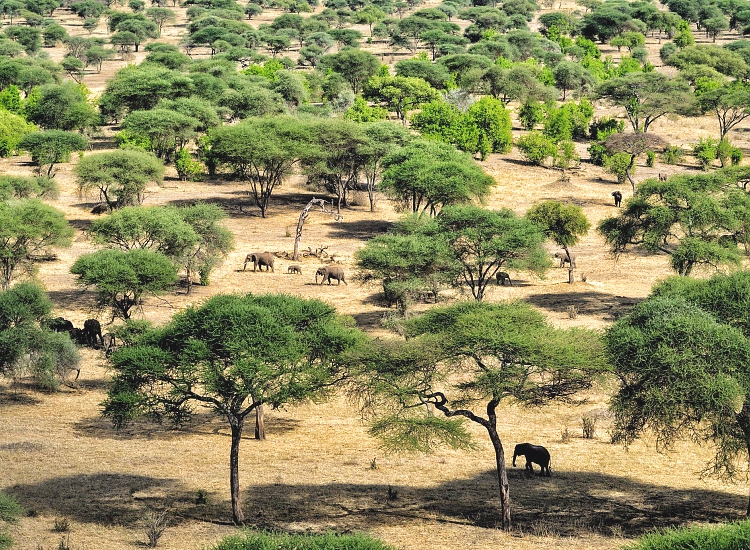
Tarangire National Park is situated in northern Tanzania, within the Manyara Region. It lies approximately 120 to 140 kilometers southwest of Arusha, depending on the route and starting point.
The park covers approximately 2,850 square kilometers, making it one of Tanzania’s significant protected wildlife areas. Its location makes it convenient to combine with other famous destinations, including Serengeti National Park, Ngorongoro Conservation Area, and Lake Manyara National Park.
Most visitors travel to Tarangire by road from Arusha as part of a guided safari. The journey typically takes around two to three hours, although travel time can vary depending on road conditions, traffic, and the park gate being used.
Because of its location, Tarangire is an excellent choice for a one-day safari or a longer northern Tanzania wildlife adventure.
Tarangire is best known for its large elephant population, impressive baobab trees, and outstanding wildlife viewing during the dry season.
Several features make the park special.
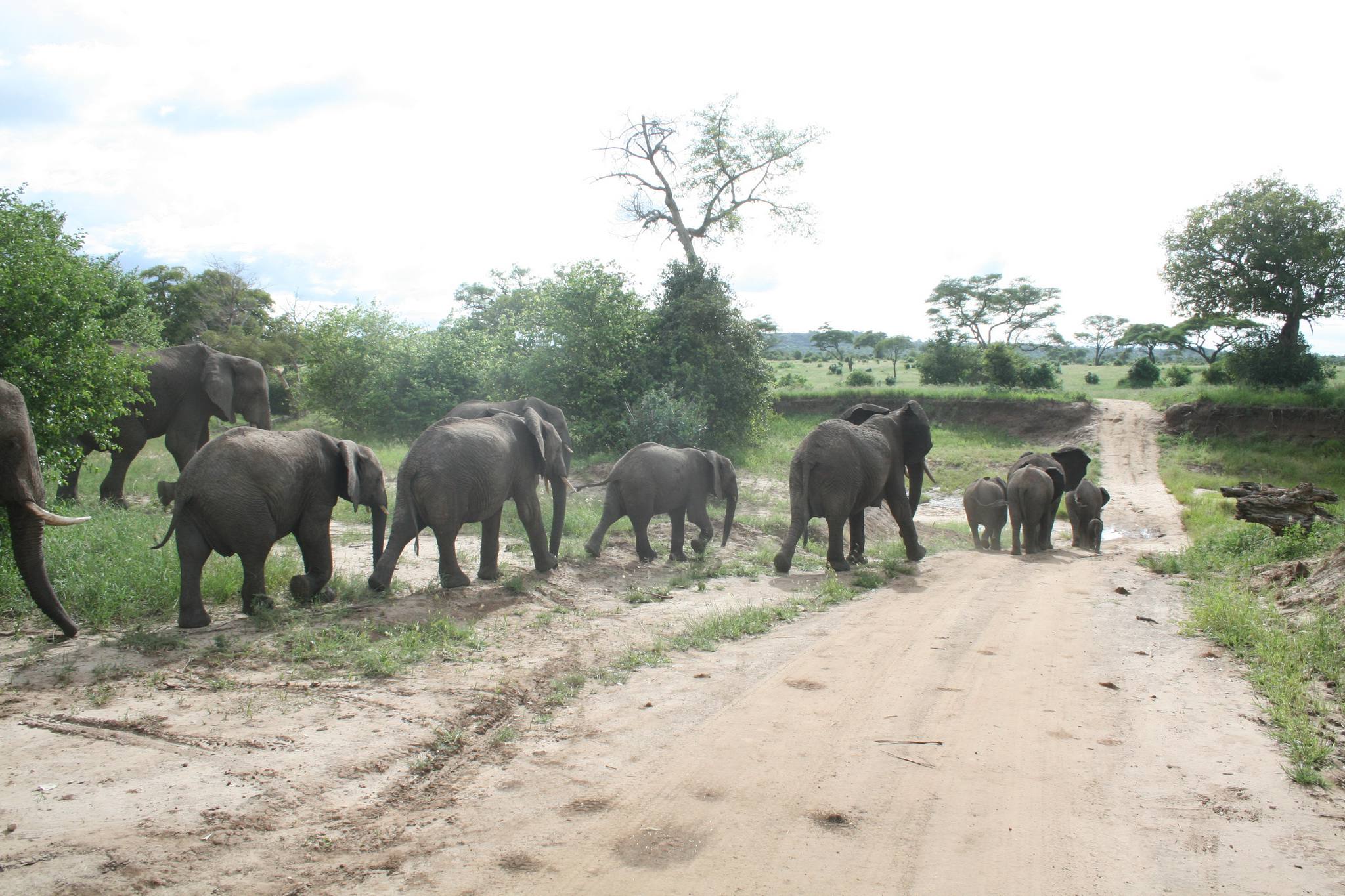
Elephants are among the most recognizable animals in Tarangire. Visitors frequently encounter family groups moving through the grasslands, feeding among the trees, or gathering near the river.
Watching elephants interact in their natural habitat is one of the highlights of a Tarangire safari. You may see young calves walking beside their mothers, adults feeding on vegetation, or entire herds moving together across the landscape.
The park’s combination of woodland, grassland, and water sources provides important habitat for these animals.
Tarangire’s landscape is famous for its enormous baobab trees. Their thick trunks, distinctive branches, and unusual shapes create a dramatic setting for wildlife photography.
Baobabs are an important part of the park’s natural environment. They provide shelter and resources for various animals and birds, while their striking appearance gives Tarangire a character that distinguishes it from many other parks in Tanzania.
Photographers particularly enjoy capturing elephants walking beneath baobabs, especially in the early morning and late afternoon when the light is soft and warm.
The Tarangire River is the park’s most important water source during the dry season. As seasonal water sources disappear, many animals travel toward the river to drink and feed nearby.
This concentration of wildlife makes the river area one of the best places to look for elephants, zebras, wildebeest, buffaloes, giraffes, and predators.
Visitors may also spot animals resting in the shade or approaching the water to drink. These scenes provide excellent opportunities to observe wildlife behavior without leaving the safari vehicle.
Tarangire is particularly rewarding during the dry months, when wildlife gathers around permanent water sources.
Large groups of elephants and other herbivores move into the park from surrounding areas. Predators may follow these herds, increasing the chances of seeing natural hunting behavior.
The number and location of animals change throughout the year, so every safari can offer a different experience.
Tarangire supports a rich variety of wildlife, making it a rewarding destination for nature lovers and safari enthusiasts.
Elephants are the park’s signature animals. Visitors often see them feeding on leaves, stripping bark from trees, drinking from the river, or walking across open grasslands.
Because elephants frequently travel in groups, sightings can be especially memorable. Always follow your guide’s instructions and maintain a safe distance from wildlife.
Lions inhabit the park and may be seen resting in the shade, walking through grasslands, or watching herds of grazing animals.
Finding lions requires patience and a knowledgeable guide who understands animal movements and habitat. Sightings are never guaranteed, but Tarangire offers opportunities to observe these impressive predators in the wild.
Leopards are more elusive than many other animals in the park. They often rest in trees or dense vegetation, making them difficult to spot.
An experienced safari guide may help visitors identify a leopard resting on a branch, moving through woodland, or disappearing into the vegetation.
Cheetahs may also be encountered in Tarangire, particularly in more open habitats where they can search for prey. However, sightings are less predictable than those of common herbivores.
Their speed, slender bodies, and distinctive black facial markings make them fascinating animals to observe.
Giraffes are frequently seen browsing on leaves high above the ground. Their long necks and graceful movements make them easy to recognize against the park’s open landscapes.
They are often found near acacia trees and other vegetation that provides suitable food.
Zebras and wildebeest are important members of Tarangire’s herbivore community. They graze in open areas and may gather in large groups when water and food are available.
During the dry season, their movements can contribute to the impressive concentration of wildlife around the river and other water sources.
African buffaloes are powerful herd animals that may be seen grazing in grasslands or gathering near water. They are an important part of the ecosystem and can attract predators.
Although they may appear calm, buffaloes are wild animals and should always be observed from a safe distance.
Depending on the season and location, visitors may also encounter impalas, waterbucks, warthogs, baboons, vervet monkeys, and several smaller mammals.
The variety of species makes every game drive an opportunity to discover something new.
Tarangire is also an excellent destination for birdwatching. Its mixture of riverine vegetation, open grassland, wetlands, and woodland supports a wide variety of bird species.
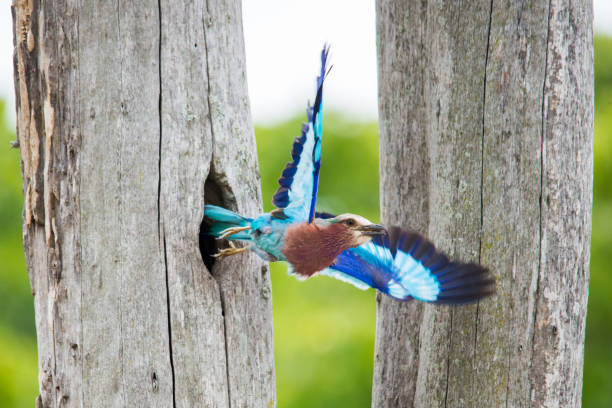
Birdwatchers may encounter colorful bee-eaters, hornbills, kingfishers, rollers, starlings, and different species of eagles and vultures.
Waterbirds can sometimes be seen around the river and seasonal wetlands, while woodland birds occupy the trees and shrubs throughout the park.
The dry season can be especially productive for observing birds gathered around water sources. However, the wetter months also offer excellent opportunities to see active birdlife and seasonal visitors.
Whether you are an experienced birder or simply enjoy watching colorful birds, Tarangire adds another dimension to the safari experience.
The river is one of the park’s main attractions, particularly during the dry season. It attracts elephants, antelopes, zebras, buffaloes, and other wildlife seeking water.
Game drives along suitable river areas can provide excellent opportunities for observing animals in their natural surroundings.
The park’s iconic baobabs create beautiful scenery throughout the landscape. Some stand alone in open grasslands, while others rise above woodland and rocky areas.
These trees are particularly impressive at sunrise and sunset, when changing light creates dramatic contrasts across the landscape.
Tarangire’s grasslands provide habitat for grazing animals and offer relatively open views of the surrounding landscape.
Visitors may see zebras and wildebeest feeding, giraffes moving between trees, or predators searching for prey.
The park also contains woodland areas, scattered rocky outcrops, and varied vegetation. These habitats support different wildlife species and make the scenery more diverse.
Exploring different parts of the park allows visitors to experience more than just river views and open plains.
Game drives are the main activity in Tarangire. Visitors travel through the park in a safari vehicle with a guide who helps locate animals and explains their behavior.
Morning drives can be rewarding because temperatures are cooler and many animals are active. Afternoon drives offer another chance to explore different habitats and watch wildlife as the light changes.
A full-day safari allows more time to explore, take photographs, and enjoy the landscape without rushing between sightings.
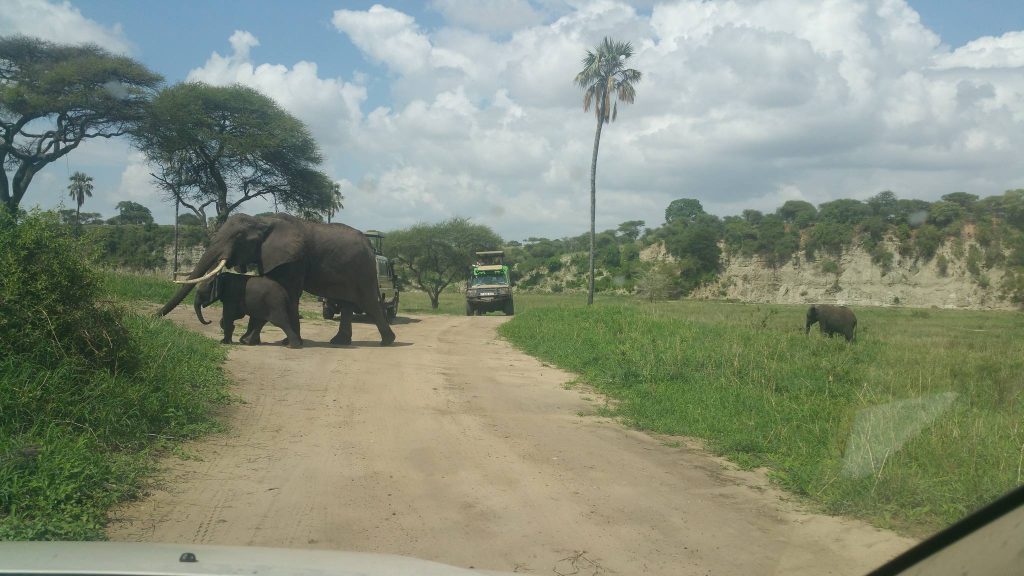
Tarangire is a wonderful destination for photography. Elephants, baobabs, colorful birds, and dramatic landscapes provide a wide range of subjects.
For the best results, carry a camera with a suitable zoom lens, protect your equipment from dust, and take advantage of the softer light early in the morning and late in the afternoon.
Always follow your guide’s instructions when photographing animals.
Birdwatching can be enjoyed during game drives or from suitable lodge areas. A pair of binoculars and a bird guide can help you identify species that might otherwise be difficult to recognize.
Even visitors who are not dedicated birdwatchers may enjoy seeing brightly colored birds, large raptors, and waterbirds.
Spending more than one day in Tarangire allows visitors to explore different sections of the park and enjoy a more relaxed pace.
An overnight stay can also provide opportunities to experience the surrounding wilderness in the evening and return for another game drive the following morning.
Tarangire is not only about spotting animals. Its baobab trees, changing vegetation, open horizons, and seasonal colors make the journey itself part of the experience.
Travelers who enjoy nature photography, landscapes, and peaceful surroundings will find plenty to appreciate between wildlife sightings.
Tarangire can be visited throughout the year, but the best time depends on your interests.
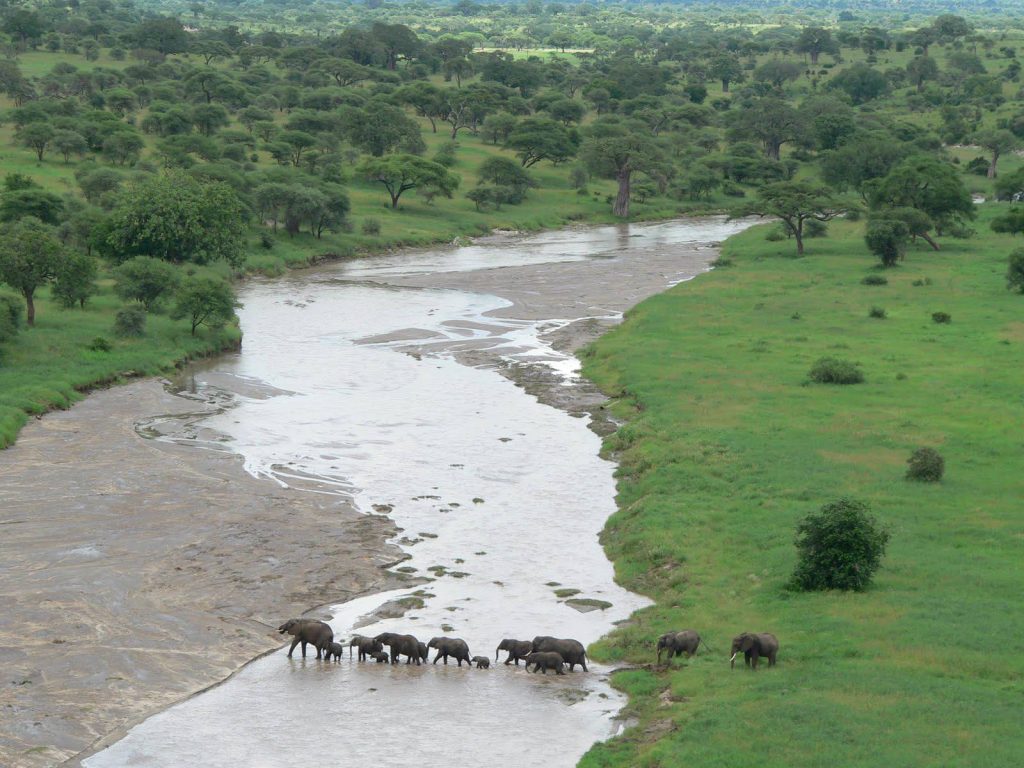
The dry season is generally considered one of the best periods for wildlife viewing.
As water becomes scarce outside the park, many animals gather around the Tarangire River and other remaining water sources. Vegetation may also become thinner, making animals easier to spot.
This period is especially attractive to travelers who want to see large elephant herds and a high concentration of wildlife.
However, popular travel months can be busier, so booking accommodation and safari services in advance is advisable.
The green season brings changing landscapes, fresh vegetation, and periods of rainfall. The scenery becomes greener, and the park can be particularly beautiful for photography.
Birdwatching is also rewarding during this period, including when seasonal migratory birds are present.
Wildlife may be more dispersed because water and vegetation are available across a wider area. Some roads can become difficult after heavy rain, so local advice is important when planning travel.
Choose the dry season if your main priority is concentrated wildlife viewing, especially around the river.
Choose the green season if you prefer lush scenery, birdwatching, and a different perspective on the park’s ecosystem.
Both seasons have their advantages, and a skilled guide can help you make the most of your visit.
Most visitors travel to Tarangire from Arusha by safari vehicle. The drive usually takes around two to three hours, depending on the route, road conditions, and destination within the park.
Road travel is the most common option for visitors exploring Tanzania’s northern safari circuit.
Travelers arranging a fly-in safari may be able to use regional air services and nearby airstrips, depending on the operator and itinerary.
Flight availability, schedules, luggage restrictions, and transfer arrangements should be confirmed before booking.
Tarangire works particularly well as part of a northern Tanzania safari.
A multi-day itinerary can combine the park with Lake Manyara National Park, Ngorongoro Conservation Area, and Serengeti National Park. The exact route depends on the length of the trip, travel dates, accommodation choices, and wildlife interests.
Combining destinations allows visitors to experience different landscapes and wildlife habitats during one holiday.
Visitors can choose from several types of accommodation, depending on their budget and preferred travel style.
Luxury accommodation may offer spacious rooms or tents, private bathrooms, restaurants, and personalized service.
Many properties are designed to blend into the surrounding landscape, allowing guests to enjoy the wilderness in comfort.
Mid-range properties offer a balance between comfort and cost. They may include comfortable rooms or tents, meals, guided activities, and safari arrangements.
These options are suitable for travelers who want a comfortable experience without choosing the most expensive accommodation.
Budget-conscious travelers may consider campsites or simpler accommodation options where available.
Facilities vary, so it is important to check what is included, whether meals are provided, and how transportation to the park will be arranged.
Staying inside or close to the park can reduce travel time and make early game drives easier. Accommodation farther away may suit visitors who are combining Tarangire with other destinations.
Choose a property based on your budget, preferred comfort level, itinerary, and the locations you plan to explore.
The cost of visiting Tarangire depends on several factors, including:
Luxury safaris generally cost more because they use higher-end accommodation and personalized services. Mid-range and budget options can make the experience more affordable.
Before booking, request a detailed quotation that explains which fees, meals, transfers, accommodation, and activities are included. Park fees and other charges may change, so confirm current rates with your safari operator or the relevant park authority.
Depart from Arusha in the morning and travel toward Tarangire National Park.
After entering the park, begin a game drive through selected wildlife areas. Look for elephants, giraffes, zebras, antelopes, and other animals while enjoying views of the baobab trees and open landscapes.
Depending on your schedule and the location of your accommodation, you may enjoy a picnic lunch during the day.
Continue exploring the park in the afternoon before heading to your lodge or camp for dinner and an overnight stay.
Start the day with an early breakfast or an early morning departure, depending on your accommodation arrangements.
Enjoy another game drive while temperatures are cooler and wildlife may be active. Your guide can help you explore different areas from those visited on the first day.
After the game drive, leave the park and continue to Arusha or another destination on your itinerary.
This two-day arrangement provides more time for wildlife viewing than a short visit, although sightings will always depend on natural conditions.

Tarangire is ideal for travelers who want to see elephants and a variety of other African animals in their natural habitat.
The combination of wildlife, baobab trees, and changing light makes the park attractive for photography enthusiasts.
Families can enjoy a safari together, provided the itinerary, accommodation, vehicle arrangements, and activities suit the ages and needs of the children.
Parents should check age restrictions for particular activities and follow all wildlife safety guidance.
The scenic wilderness and secluded lodge options can make Tarangire an appealing destination for couples seeking a nature-focused holiday.
The park’s varied habitats and birdlife make it a worthwhile stop for travelers who enjoy observing and identifying birds.
Because Tarangire can be reached from Arusha by road, it may fit into a short safari itinerary. Visitors with more time can combine it with other northern Tanzania destinations for a broader experience.
Tarangire’s wildlife and landscapes depend on effective conservation and responsible tourism.
Visitors can help protect the park by following their guide’s instructions, remaining inside designated areas, and avoiding any actions that disturb animals.
Keep a safe distance from wildlife, never feed wild animals, and take rubbish away or dispose of it only in designated places.
Choose responsible safari operators that follow park regulations and encourage respectful wildlife viewing. Supporting conservation-minded tourism helps protect natural habitats and maintain the park for future generations.
Tarangire is especially famous for its large elephant herds, ancient baobab trees, and excellent dry-season wildlife viewing around the Tarangire River.
Yes. It is an excellent destination for wildlife viewing, photography, birdwatching, and experiencing the natural landscapes of northern Tanzania.
One day can provide a rewarding introduction to the park. However, two days or more allow you to explore additional areas and enjoy a more relaxed safari.
Elephants are among the park’s best-known animals, and sightings are common. However, wildlife movements are natural, so no sighting can be guaranteed.
Visitors may see lions, leopards, giraffes, zebras, wildebeest, buffaloes, antelopes, baboons, and many bird species. The animals encountered vary with season and location.
Yes. Families can enjoy the park together, but the itinerary and accommodation should be chosen to suit the children’s ages and needs. Follow the guide’s safety instructions at all times.
Yes. Tarangire is commonly included in multi-day northern Tanzania safari itineraries that also visit Serengeti National Park and Ngorongoro Conservation Area.
Bring comfortable neutral-colored clothing, a hat, sunscreen, sunglasses, insect repellent, binoculars, a camera, and suitable walking shoes. A light jacket can be useful during cool early mornings. Pack according to the season and your operator’s advice.
Tarangire National Park is one of Tanzania’s most rewarding safari destinations. Its large elephant herds, iconic baobab trees, rich birdlife, and seasonal wildlife concentrations create an experience that is both exciting and memorable.
The park is suitable for short visits as well as longer safari holidays. Travelers can enjoy guided game drives, photograph spectacular landscapes, observe wildlife, and experience the beauty of Tanzania’s natural environment.
For the best experience, choose your travel season carefully, arrange suitable accommodation, and allow enough time to explore at a comfortable pace.