
Discover the Ultimate African Wildlife Adventure
Best Safari in Tanzania: Discover the Ultimate African Wildlife Adventure. Tanzania is one of the best destinations in Africa for an unforgettable safari. The country is famous for its spectacular wildlife, beautiful national parks, breathtaking landscapes, and unique opportunities to experience nature in its purest form. From watching lions roam across the Serengeti plains to observing elephants beneath towering baobab trees, a Tanzania safari offers memories that last a lifetime.
Whether you are planning your first African safari, a romantic holiday, a family adventure, or a luxury wildlife experience, Tanzania has something for everyone. Its remarkable national parks provide opportunities to see elephants, lions, leopards, giraffes, zebras, buffaloes, and many other animals in their natural habitats.
One of the biggest attractions is the Great Wildebeest Migration, when enormous herds of wildebeest and zebras move across the Serengeti ecosystem in search of fresh grass and water. Other highlights include the spectacular Ngorongoro Crater, the elephant-rich landscapes of Tarangire National Park, and the beautiful wilderness of southern Tanzania.
With a variety of safari packages, accommodation options, and exciting activities, you can create a safari that matches your interests, travel dates, and budget.
In this guide, we explore the best safari experiences in Tanzania, the top national parks to visit, the best time to travel, popular safari packages, and practical tips for planning your African adventure.
Why Choose Tanzania for Your Safari?
Tanzania is a remarkable safari destination because it combines abundant wildlife, diverse landscapes, and unforgettable outdoor experiences.
Here are some of the main reasons to choose Tanzania for your next African safari.
1. Witness the Great Wildebeest Migration
The Great Wildebeest Migration is one of the world’s most extraordinary wildlife spectacles. Every year, huge herds of wildebeest and zebras travel across the Serengeti ecosystem in search of fresh grazing and water.
Depending on the season, visitors may witness thousands of animals moving across the plains, newborn wildebeest during the calving season, or dramatic river crossings in the northern Serengeti.
The migration is a natural process, so the location of the herds changes according to rainfall and grazing conditions. Choosing the right safari location for your travel dates is essential if you want to follow this remarkable journey.
A migration safari is especially rewarding for wildlife enthusiasts, nature lovers, and photographers.
2. Search for Africa’s Big Five
Tanzania is one of the best places to search for Africa’s famous Big Five: lions, leopards, elephants, buffaloes, and rhinoceroses.
Each national park offers different wildlife-viewing opportunities. The Serengeti is known for its large predator populations, Tarangire is famous for its elephants, and Ngorongoro Crater provides opportunities to see many animals within a relatively compact area.
With an experienced safari guide, you can explore productive wildlife areas and learn about animal behavior, habitats, and conservation.
Although seeing all five animals is possible, sightings are never guaranteed because wildlife moves freely in its natural environment.
3. Explore Tanzania’s Beautiful Landscapes
Tanzania offers much more than wildlife. Its landscapes include vast grasslands, volcanic craters, woodland, lakes, mountains, and remote wilderness areas.
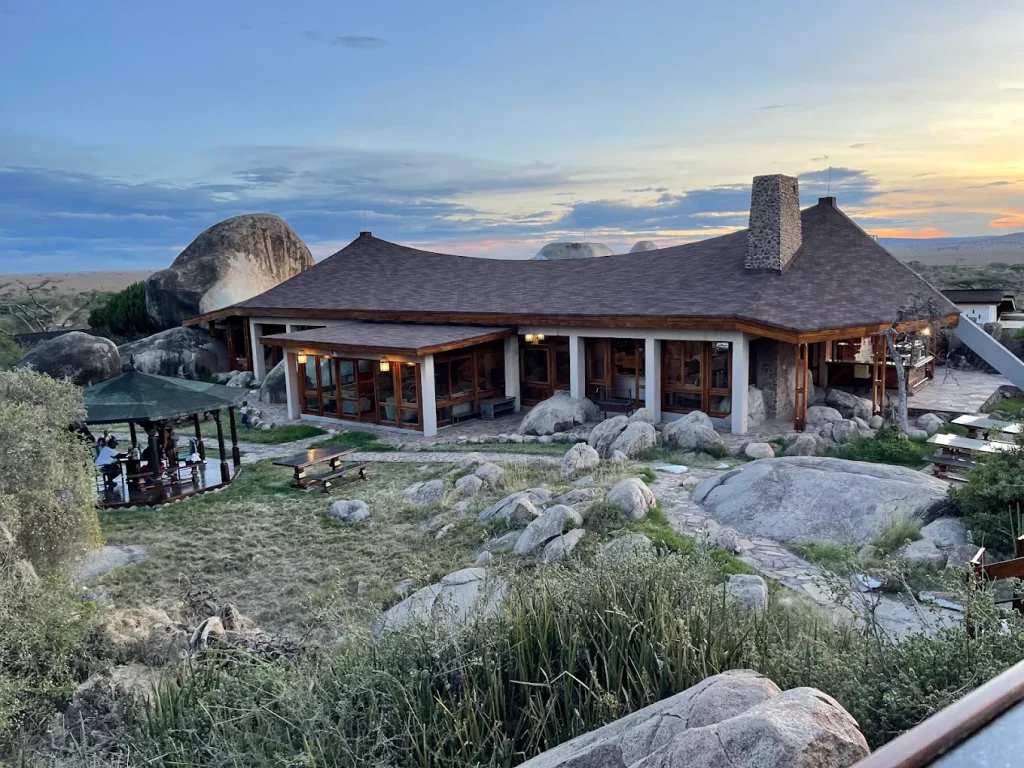
The Serengeti is famous for its endless plains, while Tarangire features ancient baobab trees and seasonal rivers. Ngorongoro Crater offers spectacular views, and Lake Manyara combines forests, open grassland, and lake scenery.
These changing environments make every safari unique and provide excellent opportunities for photography, birdwatching, and nature exploration.
4. Enjoy Authentic African Experiences
A Tanzania safari can also introduce you to local cultures and traditions. Depending on your itinerary, you may visit Maasai communities, explore local markets, or learn about the history and lifestyles of people living near wildlife areas.
Cultural visits should be arranged respectfully, with consideration for local customs and community preferences.
You can also enjoy guided nature walks, birdwatching, and other activities where permitted and available.
Best National Parks for a Safari in Tanzania
Choosing the right national parks is one of the most important steps when planning your safari. Each destination has its own wildlife, scenery, and attractions.
1. Serengeti National Park
“Serengeti National Park Tanzania safari lions wildebeest golden grassland”
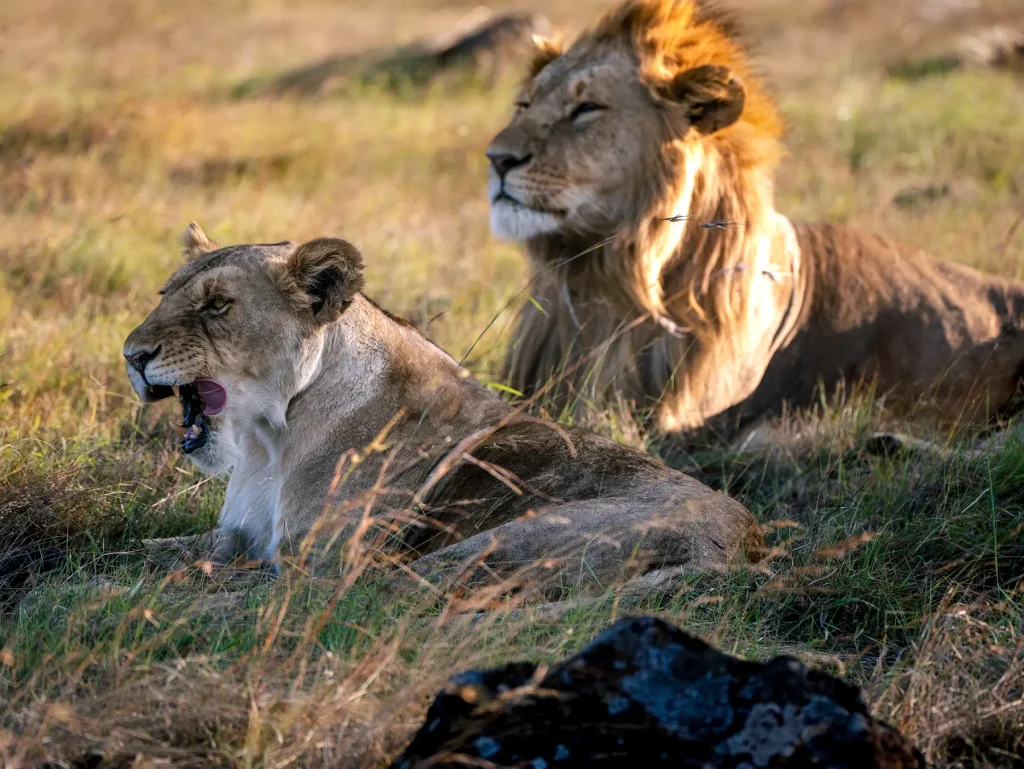
Serengeti National Park is one of Africa’s most famous wildlife destinations. Its vast plains, rocky outcrops, and river systems support a remarkable variety of animals.
Visitors can look for lions, leopards, cheetahs, elephants, giraffes, zebras, wildebeest, and hyenas. The park is also central to the Great Wildebeest Migration, making it a favorite destination for travelers who want to witness large herds moving across the African plains.
Game drives provide opportunities to observe wildlife, photograph beautiful landscapes, and learn about the Serengeti ecosystem.
For the best experience, consider spending several nights in the park. This allows more time to explore different areas and increases your opportunities to encounter wildlife.
Best for: The Great Migration, predator sightings, wildlife photography, and classic African safari experiences.
Recommended stay: Two to four nights or longer.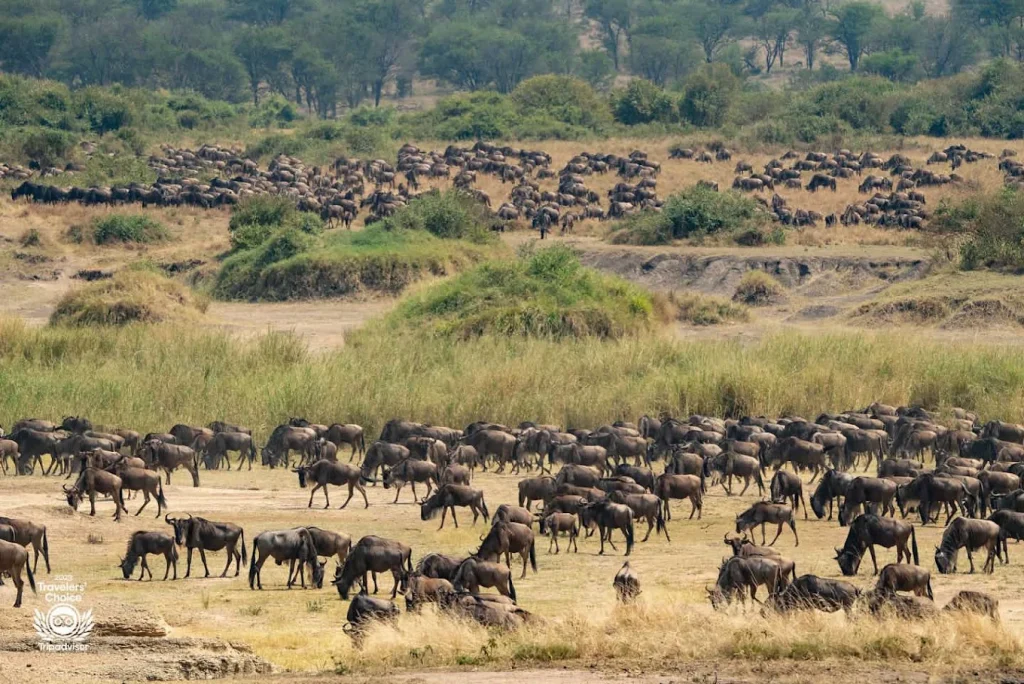
2. Ngorongoro Crater
Ngorongoro Crater Tanzania green crater floor wildlife elephants buffalo safari
Ngorongoro Crater is one of Tanzania’s most spectacular natural attractions. This enormous volcanic caldera is home to a rich variety of wildlife and offers breathtaking scenery.
During a guided game drive, you may see lions, elephants, buffaloes, zebras, wildebeest, hippos, and other animals. The crater is also an important habitat for endangered black rhinoceroses.
Its relatively compact landscape makes it possible to encounter a wide range of wildlife during a single visit, although sightings depend on natural conditions.
Ngorongoro is an excellent destination for first-time safari travelers and is commonly combined with the Serengeti and Tarangire.
Best for: Diverse wildlife, scenic views, and opportunities to search for the Big Five.
Recommended stay: One night in the surrounding area is often sufficient for a planned crater visit.
3. Tarangire National Park
“Tarangire National Park Tanzania elephant family beneath giant baobab trees”
Tarangire National Park is famous for its large elephant populations, impressive baobab trees, and beautiful savannah landscapes.
During the dry season, many animals gather around the Tarangire River and other remaining water sources. This can create excellent opportunities to observe elephants, zebras, giraffes, buffaloes, antelopes, and predators.
The park is also a rewarding destination for birdwatching and wildlife photography.
Because of its location in northern Tanzania, Tarangire is easy to combine with Ngorongoro Crater, Lake Manyara, and Serengeti National Park on a multi-day safari.
Best for: Elephants, baobab trees, birdwatching, and short safari adventures.
Recommended stay: One to two nights.
4. Lake Manyara National Park
“Lake Manyara National Park Tanzania forest lake flamingos safari landscape”
Lake Manyara National Park offers a different safari experience, with groundwater forests, open woodland, grasslands, and an alkaline lake.
The park supports elephants, baboons, giraffes, buffaloes, and many bird species. Flamingos and other waterbirds may be present depending on the season and water conditions.
Lake Manyara is also known for tree-climbing lions, although spotting them is not guaranteed.
Its varied scenery makes the park a good addition to a northern Tanzania safari, especially for travelers interested in birdlife and diverse habitats.
Best for: Birdwatching, forest wildlife, and scenic variety.
Recommended stay: A day visit or one night.
5. Nyerere National Park
Nyerere National Park Tanzania Rufiji River hippos boat safari wilderness”
Nyerere National Park is a vast wilderness destination in southern Tanzania. It is known for its river systems, open plains, woodland, and diverse wildlife.
Depending on the itinerary and available activities, visitors can enjoy game drives, boat safaris, and guided walking safaris in designated areas.
Boat safaris offer a different perspective on the wilderness, with opportunities to observe hippos, crocodiles, and waterbirds. The wider park also supports elephants, giraffes, buffaloes, and predators.
Nyerere is an excellent choice for travelers who want to explore southern Tanzania and experience a different safari environment from the northern circuit.
Best for: River safaris, wilderness experiences, and southern Tanzania adventures.
Recommended stay: Two to three nights or longer.
6. Ruaha National Park
Ruaha National Park Tanzania elephants baobab trees dry river wilderness”
Ruaha National Park is known for its rugged scenery, large baobab trees, elephants, and predators. Its remote setting appeals to travelers seeking a quieter and more adventurous safari.
The park’s wildlife is influenced by seasonal changes, particularly the availability of water. Game drives may reveal elephants, lions, giraffes, antelopes, and many other species.
Ruaha is particularly suitable for experienced safari travelers, photographers, and visitors who want to explore less-visited parts of Tanzania.
Because of its remote location, it is important to plan transport and accommodation carefully.
Best for: Remote wilderness, elephants, predators, and extended safari adventures.
Recommended stay: Three nights or longer.
Which Is the Best Safari Route in Tanzania?
For many first-time visitors, the northern safari circuit is the best place to begin. It connects several well-known wildlife destinations and offers a variety of landscapes within one itinerary.
A northern circuit safari commonly includes:
- Tarangire National Park for elephants and baobab trees.
- Serengeti National Park for predators, large herds, and the Great Migration.
- Ngorongoro Crater for concentrated wildlife viewing.
- Lake Manyara National Park for birdlife and varied scenery.
If you have more time, consider exploring southern Tanzania, particularly Nyerere and Ruaha national parks.
The best route depends on your budget, the length of your holiday, your travel season, and the animals or experiences you most want to see.
Best Tanzania Safari Packages
Tanzania offers safari packages for different budgets and travel styles.
Budget Tanzania Safari
Budget safaris are suitable for travelers who want to experience Tanzania’s wildlife without spending too much on accommodation.
These packages may include camping, basic lodges, or shared group tours. They can offer excellent wildlife experiences while keeping costs manageable.
Before booking, confirm the accommodation standard, group size, meals, park fees, and transport arrangements.
Mid-Range Tanzania Safari
Mid-range safaris offer a balance between comfort and affordability. Accommodation may include comfortable lodges, safari tents, and hotels with private facilities.
These packages are popular with couples, families, and first-time visitors who want guided game drives and comfortable overnight stays.
Luxury Tanzania Safari
Luxury safaris provide premium accommodation, personalized service, and carefully planned wildlife experiences.
Travelers may stay in luxury tented camps or high-end lodges, enjoy private game drives, and use domestic flights to reach selected destinations.
These packages are ideal for honeymooners, special celebrations, and travelers seeking a more exclusive adventure.
Private Tanzania Safari
A private safari gives you greater flexibility to explore with your own guide and vehicle, subject to the operator’s arrangements.
You can often adjust the pace of your game drives and choose accommodation that matches your preferences. Private safaris are particularly suitable for families, couples, photographers, and small groups.
Tanzania Camping Safari
Camping safaris allow travelers to experience the African wilderness more closely. Depending on the package, accommodation may include public campsites, designated special campsites, or mobile tented camps.
Camping is often more affordable than staying in luxury lodges, although facilities and comfort levels vary.
Sample Itineraries for the Best Safari in Tanzania
Your ideal itinerary depends on the amount of time you have available and the destinations you want to explore.
3-Day Tanzania Safari
A three-day safari is a good option for travelers with limited time.
Day 1: Tarangire National Park
Travel from Arusha to Tarangire for a game drive. Look for elephants, giraffes, zebras, and other wildlife before spending the night at a lodge or camp.
Day 2: Ngorongoro Conservation Area
Travel toward the Ngorongoro area, enjoying the changing landscapes along the way.
Day 3: Ngorongoro Crater
Enjoy a guided game drive in the crater before returning to Arusha, depending on the schedule.
This itinerary provides an introduction to the northern circuit but does not include the Serengeti.
5-Day Tanzania Safari
A five-day safari provides more time for wildlife viewing and may include the Serengeti.
- Day 1: Explore Tarangire National Park.
- Day 2: Travel to Serengeti National Park.
- Day 3: Enjoy a full day of game drives in the Serengeti.
- Day 4: Travel toward the Ngorongoro area.
- Day 5: Visit Ngorongoro Crater before returning to Arusha, if timing allows.
This itinerary combines several of Tanzania’s best-known wildlife destinations.
7-Day Tanzania Safari
A seven-day safari allows you to explore the northern circuit at a more relaxed pace.
- Day 1: Arrive in Arusha and prepare for your safari.
- Day 2: Visit Tarangire National Park.
- Day 3: Travel to Serengeti National Park.
- Day 4: Spend a full day exploring the Serengeti.
- Day 5: Explore another Serengeti region or follow a migration-focused route.
- Day 6: Visit Ngorongoro Crater.
- Day 7: Return to Arusha or continue to your next destination.
If the Great Migration is your main interest, your operator should select the Serengeti region based on the expected location of the herds during your visit.
Best Time to Go on Safari in Tanzania
Tanzania offers wildlife viewing throughout the year, but different seasons provide different experiences.
June to October: The Dry Season
The dry season is one of the most popular periods for a Tanzania safari. Vegetation is often thinner, and animals may gather around available water sources.
This season is excellent for exploring many northern circuit destinations, including Tarangire, Serengeti, and Ngorongoro. Because it is a popular travel period, booking accommodation early is recommended.
January to March: The Calving Season
The southern Serengeti and Ndutu region are important calving areas for wildebeest during this period.
Visitors may see newborn animals and observe predators in the surrounding ecosystem. The exact timing depends on rainfall and grazing conditions, so migration locations can vary.
April to May: The Green Season
The long rains usually occur during these months. Landscapes become greener, birdlife can be excellent, and some accommodation providers offer lower rates.
However, rain can affect road conditions and travel schedules. Check which camps and routes are operating before booking.
November to December: The Short Rains
The short rains often bring fresh vegetation and changing wildlife movements. Parts of the Serengeti may offer attractive scenery and rewarding game drives.
The exact conditions vary from year to year, so it is important to plan according to your interests and current seasonal information.
How Much Does a Tanzania Safari Cost?
The cost of a Tanzania safari depends on several factors, including the number of days, accommodation type, travel season, number of travelers, and destinations visited.
Budget camping safaris generally cost less than mid-range lodge safaris, while luxury packages can be significantly more expensive.
Other factors affecting the price include:
- Park and conservation fees.
- Private or shared safari transportation.
- The number of nights spent in the Serengeti.
- Domestic flights and transfers.
- Meals, drinks, and optional activities.
- The number of travelers sharing a vehicle.
When comparing safari packages, check whether accommodation, meals, transport, park fees, and taxes are included. The lowest advertised price may not cover every essential expense.
The best safari is not necessarily the most expensive. It is the one that gives you the wildlife experiences, comfort, and service you want within your budget.
Where to Stay During a Tanzania Safari
Tanzania offers a wide selection of accommodation to suit different preferences.
Budget campsites and lodges: Ideal for travelers who want to keep costs down.
Mid-range lodges and tented camps: Suitable for travelers who want comfort at a reasonable price.
Luxury lodges and tented camps: Best for visitors seeking premium facilities and personalized service.
Mobile tented camps: Useful for some migration-focused safaris because they can be positioned in seasonal wildlife areas.
When choosing accommodation, consider its location as well as its comfort level. Staying near your preferred wildlife-viewing areas can reduce driving time and allow more time for game drives.
What to Pack for a Tanzania Safari
Packing the right items will help you stay comfortable throughout your journey.
Consider bringing:
- Lightweight, neutral-colored clothing.
- A warm jacket for cool mornings and evenings.
- Comfortable walking shoes.
- A hat, sunglasses, and sunscreen.
- Insect repellent.
- Binoculars for observing distant animals.
- A camera and spare batteries.
- Personal medication and toiletries.
- A small daypack.
- A reusable water bottle where appropriate.
If your safari includes domestic flights, check luggage limits and bag-size restrictions in advance.
Tips for Planning the Best Safari in Tanzania
Good planning helps you get the most from your safari.
Choose the right season. Consider weather conditions and seasonal wildlife movements before deciding on your route.
Allow enough time. Avoid rushing between too many national parks. Spending longer in selected destinations can provide a more rewarding experience.
Choose an experienced guide. A knowledgeable guide can help you identify animals, understand wildlife behavior, and explore the parks responsibly.
Book accommodation early. Popular camps and lodges can fill up during busy travel periods.
Compare safari packages. Check the itinerary, vehicle, group size, accommodation, meals, park fees, and cancellation terms.
Travel responsibly. Follow park rules, respect wildlife, and avoid disturbing animals for photographs.
Arrange suitable travel insurance. Make sure your insurance covers your planned travel and activities.
Combine Your Tanzania Safari With a Zanzibar Beach Holiday
“Zanzibar white sand beach turquoise Indian Ocean Tanzania” “Stone Town Zanzibar historic architecture narrow streets “Zanzibar traditional dhow boat sunset beach
A Tanzania safari can be combined with a relaxing beach holiday in Zanzibar.
After exploring the national parks, travel to Zanzibar to enjoy white-sand beaches, turquoise waters, historic Stone Town, and optional snorkeling or other marine activities.
A combined safari and beach holiday may include five to seven days of wildlife viewing followed by several nights on the coast.
This combination is especially popular with honeymooners, couples, families, and travelers celebrating special occasions.
Responsible Tourism During Your Tanzania Safari
Tanzania’s wildlife and natural landscapes deserve protection. Responsible tourism helps support conservation and local communities.
During your safari, follow your guide’s instructions, remain in designated areas, and keep a respectful distance from animals. Never feed wildlife or encourage drivers to disturb animals for photographs.
Choose operators that respect park regulations, support local employment, and work with responsible accommodation providers.
When visiting local communities, respect cultural traditions and ask permission before taking photographs.
Responsible travel helps preserve Tanzania’s natural heritage for future generations.
Frequently Asked Questions About the Best Safari in Tanzania
1. What is the best safari in Tanzania for first-time visitors?
The northern circuit is an excellent choice for first-time visitors. A safari combining Serengeti National Park, Ngorongoro Crater, and Tarangire National Park offers varied landscapes and excellent opportunities to observe wildlife.
2. How many days are enough for a Tanzania safari?
Three days can provide a short introduction to the northern circuit. Five to seven days allow more time to explore the Serengeti and Ngorongoro, while longer trips are suitable for migration-focused safaris or remote southern parks.
3. Which national park is best for wildlife viewing?
Serengeti National Park is famous for its large wildlife populations and the Great Migration. Ngorongoro Crater offers concentrated wildlife viewing, while Tarangire is particularly known for elephants. The best destination depends on your interests and travel season.
4. Can I see the Big Five in Tanzania?
Yes. Tanzania offers opportunities to see lions, leopards, elephants, buffaloes, and rhinoceroses. However, no safari operator can guarantee every sighting.
5. When is the best time to see the Great Wildebeest Migration?
The best location depends on the time of year and rainfall. The southern Serengeti is important during the calving season, while other regions host the herds at different times. River crossings are unpredictable and cannot be guaranteed.
6. Is Tanzania suitable for a luxury safari?
Yes. Tanzania offers luxury lodges, high-end tented camps, private safari vehicles, and fly-in itineraries. These options are ideal for travelers seeking comfort and personalized service.
7. Is a Tanzania safari suitable for families?
Yes. Many operators offer family-friendly accommodation and itineraries. Families should confirm age restrictions, activity requirements, vehicle arrangements, and daily driving times before booking.
8. Can I combine a Tanzania safari with Zanzibar?
Yes. Zanzibar is a popular extension to a Tanzania safari, offering beaches, cultural attractions, and opportunities for water-based activities.
Book the Best Safari in Tanzania With Best Safari Holidays
Tanzania is an extraordinary destination for travelers who want to experience Africa’s wildlife, explore spectacular landscapes, and enjoy unforgettable adventures.
From the vast plains of Serengeti National Park to the elephant-rich landscapes of Tarangire and the wildlife-filled Ngorongoro Crater, every destination offers something different.
Whether you prefer an affordable camping safari, a private wildlife adventure, a luxury lodge experience, or a journey focused on the Great Wildebeest Migration, the right itinerary can help you make the most of your visit.
Best Safari Holidays can help you plan a safari around your travel dates, preferred destinations, accommodation style, and budget.
Start planning your Tanzania safari today and prepare to discover incredible wildlife, beautiful scenery, and the magic of the African wilderness.
Your unforgettable African safari adventures