

Discovering the Beauty of the Natural World
Connection with Nature: Discovering the Beauty of the Natural World. Nature is one of the greatest treasures of our planet. From beautiful forests and magnificent mountains to flowing rivers, freshwater lakes, open savannahs, and tropical coastlines, the natural world offers endless opportunities for exploration, relaxation, and discovery.
Connecting with nature is more than simply visiting beautiful places. It is about taking time to appreciate the environment, observing wildlife, enjoying fresh air, listening to the sounds of the natural world, and understanding the importance of protecting our planet.
For travelers, nature provides some of the most rewarding experiences. Whether exploring the African wilderness, trekking through tropical rainforests, watching wildlife in national parks, or relaxing beside a peaceful lake, every experience creates an opportunity to reconnect with the natural environment.
Africa, in particular, offers extraordinary opportunities to experience nature. Its diverse landscapes, rich wildlife, and beautiful ecosystems make it an ideal destination for travelers seeking meaningful outdoor adventures.


Best Safari Holidays – Connection With Nature
Understanding the Connection Between People and Nature – Connection with Nature
Human beings have always depended on nature for survival, inspiration, and well-being. The natural environment provides essential resources such as clean air, water, food, and shelter.
Beyond these necessities, nature also contributes to our emotional and physical well-being. Spending time outdoors can help reduce everyday stress, encourage physical activity, and provide a sense of peace.
A walk through a forest, a quiet moment beside a river, or watching the sunrise over a mountain can create a refreshing feeling that is difficult to experience in busy urban environments.
Connecting with nature also helps people understand how important the environment is to life on Earth. It encourages greater respect for wildlife, natural habitats, and the ecosystems that support different species.


Why Connecting with Nature Is Important
Modern lifestyles often keep people occupied with work, technology, and daily responsibilities. As a result, many people spend less time enjoying natural surroundings.
Taking time to reconnect with nature offers several benefits.
1. Improving Physical Well-Being – Connection with Nature
Outdoor activities encourage people to remain active while enjoying beautiful natural surroundings.
Walking, hiking, cycling, swimming, kayaking, and mountain climbing are excellent ways to combine physical exercise with nature exploration.
These activities can improve fitness, build endurance, and encourage a healthier lifestyle.
2. Supporting Mental Well-Being
Natural environments can provide a peaceful escape from the pressures of everyday life.
The sound of flowing water, fresh air, green vegetation, and beautiful landscapes can create a relaxing atmosphere.
Spending time outdoors may help reduce stress, improve mood, and encourage mental relaxation.
3. Developing Appreciation for the Environment – Connection with Nature
Experiencing nature firsthand helps people understand why environmental protection matters.
Observing wildlife in its natural habitat, exploring forests, or visiting conservation areas can increase awareness of environmental challenges such as deforestation, habitat destruction, and climate change.
This understanding encourages more responsible choices and greater support for conservation efforts.


4. Creating Meaningful Experiences
Nature offers experiences that cannot easily be recreated elsewhere.
Watching elephants cross the African savannah, listening to birds in a tropical forest, witnessing a beautiful sunset over a lake, or reaching the summit of a mountain can create unforgettable memories.
These experiences encourage curiosity and deepen our appreciation of the natural world.
Discovering Africa Through Its Natural Beauty – Connection with Nature
Africa is one of the world’s most remarkable destinations for people who want to experience a deeper connection with nature.
The continent is home to diverse ecosystems, including tropical rainforests, grasslands, wetlands, deserts, mountains, lakes, and coastal environments.
Each ecosystem supports different plants, animals, and natural processes.
Travelers can explore vast savannah plains, discover rare wildlife, enjoy beautiful waterfalls, trek through ancient forests, and experience the peaceful atmosphere of remote natural landscapes.
East Africa is especially rewarding for nature lovers, with Uganda, Tanzania, Rwanda, and Kenya offering outstanding opportunities for wildlife viewing and outdoor exploration.
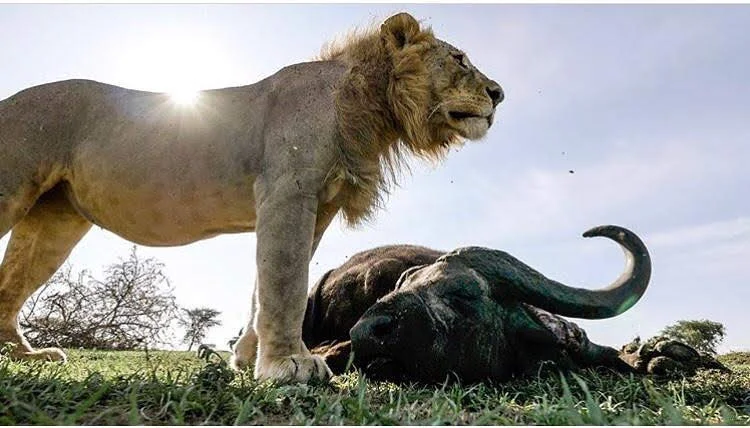

Connecting with Nature Through African Wildlife Safaris
An African wildlife safari provides an unforgettable opportunity to experience nature in its natural environment.
Unlike visiting animals in controlled settings, a safari allows travelers to observe wildlife moving freely through protected habitats.
Imagine driving across the open plains as the morning sun rises above the horizon. In the distance, giraffes feed on acacia trees while zebras and antelopes graze across the grasslands.
Further along the journey, you may encounter elephants gathering near water sources, lions resting beneath trees, or buffalo moving in large herds.
These experiences reveal the beauty and complexity of natural ecosystems.
Some of Africa’s most rewarding wildlife destinations include:
- Serengeti National Park, Tanzania: Famous for its vast savannah landscapes, diverse wildlife, and the Great Wildebeest Migration.
- Ngorongoro Conservation Area, Tanzania: Known for its spectacular crater scenery and remarkable wildlife populations.
- Queen Elizabeth National Park, Uganda: Offers diverse habitats, wildlife safaris, and boat cruises along the Kazinga Channel.
- Murchison Falls National Park, Uganda: Combines spectacular waterfalls, river ecosystems, and exciting wildlife encounters.
- Bwindi Impenetrable National Park, Uganda: Famous for its mountain gorillas and extraordinary tropical rainforest.
- Akagera National Park, Rwanda: Features beautiful savannah landscapes, lakes, wetlands, and diverse wildlife.
Exploring these destinations allows visitors to appreciate the importance of protecting natural habitats and the animals that depend on them.


Discovering the Beauty of Tropical Rainforests – Connection with Nature
Tropical rainforests are among the most fascinating natural environments on Earth.
These forests contain extraordinary biodiversity, including different tree species, birds, insects, mammals, and other forms of wildlife.
Walking through a tropical rainforest is a special experience. Tall trees create a green canopy overhead, while sunlight filters through the vegetation. The sounds of birds, insects, and moving leaves create a natural atmosphere that makes every step exciting.
Uganda’s Bwindi Impenetrable National Park is an excellent example of this natural beauty.
The forest is internationally recognized for its mountain gorilla population and offers visitors opportunities to experience guided forest walks and gorilla trekking.
Kibale National Park is another remarkable destination, particularly for chimpanzee tracking and primate experiences.
These forest adventures provide opportunities to understand the importance of biodiversity and rainforest conservation.


Finding Peace in Mountains and Beautiful Landscapes
Mountains offer some of the most inspiring opportunities to connect with nature.
Their dramatic landscapes, fresh air, changing vegetation, and spectacular viewpoints attract travelers seeking adventure and peaceful outdoor experiences.
Mountain hiking allows visitors to explore different natural environments while enjoying the physical and mental benefits of outdoor activity.
In East Africa, some remarkable mountain destinations include Mount Kilimanjaro in Tanzania, the Rwenzori Mountains in Uganda, and Mount Elgon along the Uganda-Kenya border.
Each destination offers unique scenery and trekking opportunities.
As travelers climb higher, they encounter changing vegetation, beautiful valleys, mountain streams, and impressive views across surrounding landscapes.
Reaching a mountain viewpoint after a challenging hike can be an incredibly rewarding experience.

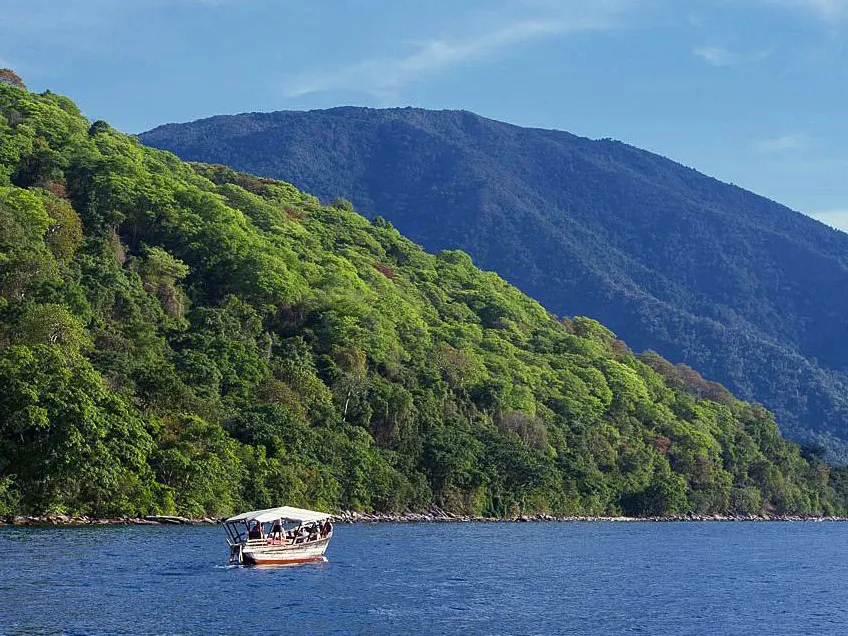
Connecting with Nature Through Lakes and Rivers – Connection with Nature
Water is an essential part of the natural environment, supporting wildlife, vegetation, and human communities.
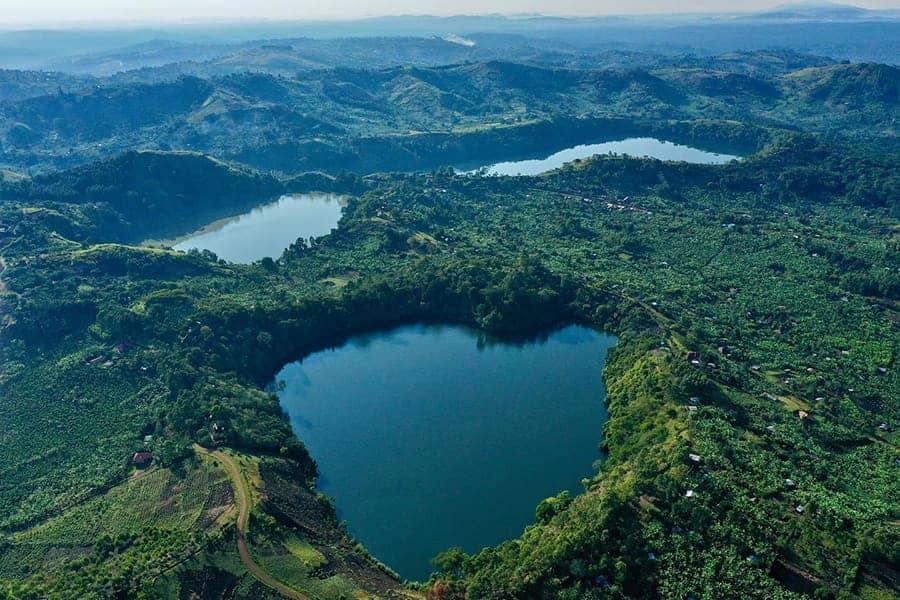
Africa is home to numerous beautiful lakes and rivers that provide excellent opportunities for nature exploration.
Travelers can enjoy boat cruises, canoeing, fishing experiences, birdwatching, and peaceful moments beside the water.
Lake Victoria, Lake Bunyonyi, Lake Tanganyika, and Lake Manyara are among the region’s fascinating water destinations.
Rivers such as the Nile also offer extraordinary natural experiences, from boat excursions to spectacular waterfalls and wildlife viewing.
In Uganda, a boat cruise along the Kazinga Channel in Queen Elizabeth National Park provides opportunities to observe hippos, elephants, buffaloes, and numerous bird species along the water.
These experiences help visitors appreciate the important relationship between aquatic ecosystems and surrounding wildlife habitats.

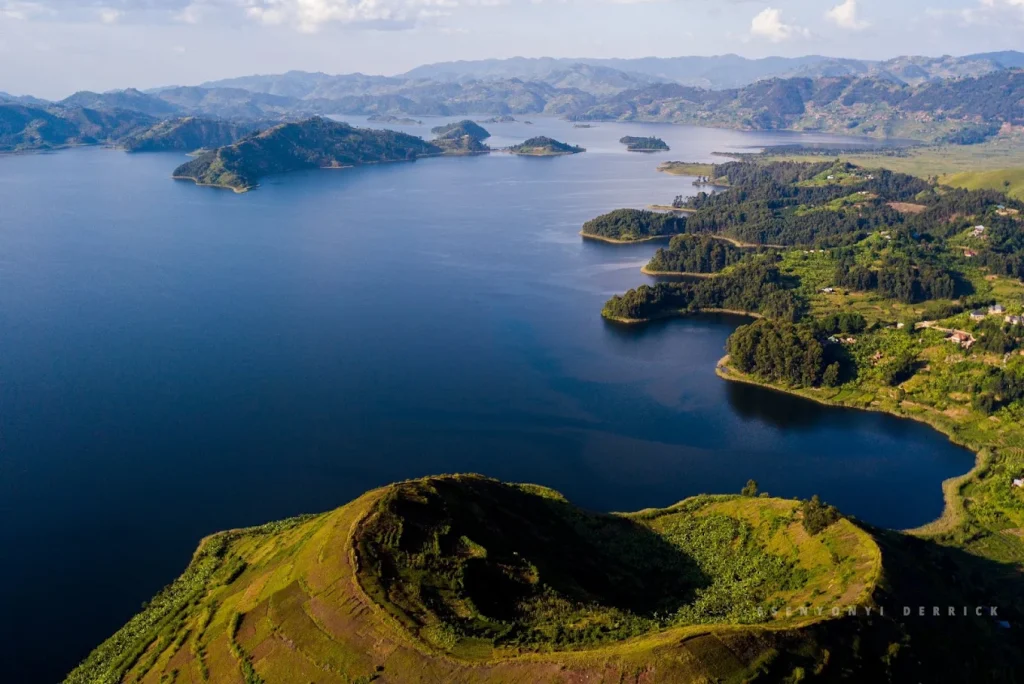
Discovering Birds and the Beauty of Biodiversity
Birdwatching is another rewarding way to connect with nature.
Birds are found in almost every ecosystem, from forests and wetlands to grasslands and mountain environments.
Their different colours, calls, behaviours, and feeding patterns make birdwatching an exciting activity for nature lovers.
East Africa is particularly rich in birdlife, attracting visitors interested in observing different species in their natural habitats.
Uganda is widely recognized as an outstanding birdwatching destination, with opportunities to encounter a remarkable variety of bird species.
Popular birdwatching locations include Mabamba Swamp, Queen Elizabeth National Park, Bwindi Impenetrable National Park, and Murchison Falls National Park.
Observing birds encourages patience, attention to detail, and a deeper appreciation of biodiversity.

The Role of Nature in Cultural Experiences – Connection with Nature
Nature and culture are closely connected. Many communities around the world have developed traditions and lifestyles that depend on their surrounding natural environments.
In Africa, local communities have long-standing relationships with forests, rivers, mountains, wildlife, and agricultural landscapes.
Exploring cultural destinations allows travelers to learn how people interact with their environment and use natural resources in their everyday lives.
Visitors can discover traditional farming practices, local food preparation, natural crafts, and cultural traditions.
Community visits can also provide valuable insights into the importance of conserving natural resources while supporting local livelihoods.
Responsible cultural tourism creates opportunities for meaningful exchanges between visitors and local communities.
River Nile – Uganda
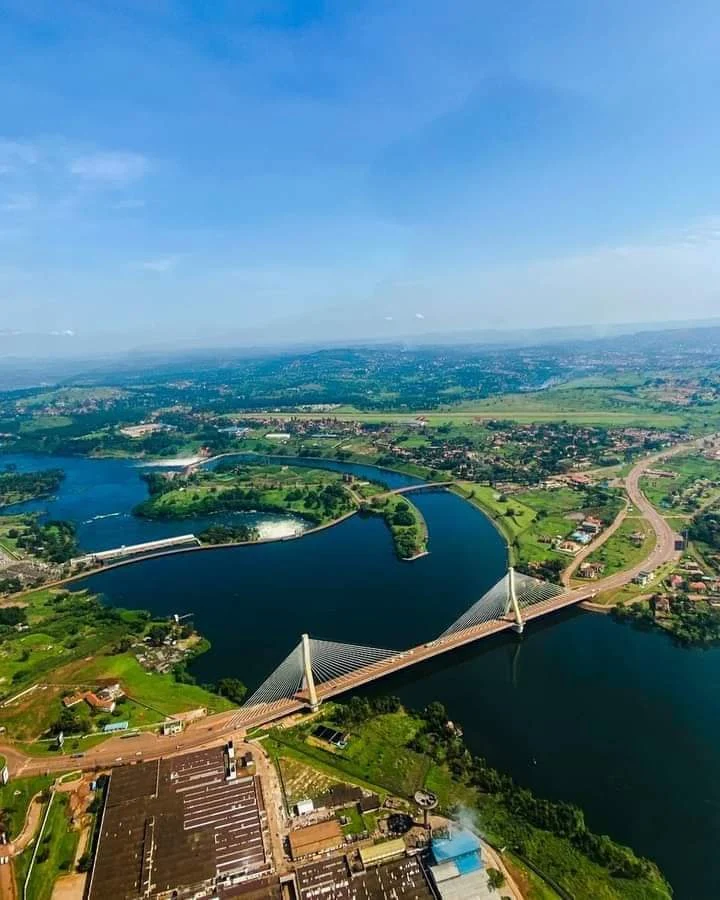
Responsible Tourism and Protecting Nature
Enjoying nature comes with an important responsibility: protecting the environment for future generations.
Tourism can support conservation by creating employment opportunities, funding protected areas, and encouraging communities to participate in environmental protection.
However, tourism activities must be managed responsibly to avoid damaging natural habitats.
Travelers can contribute to conservation through simple actions:
- Avoid littering in national parks, forests, and natural attractions.
- Respect wildlife by maintaining safe distances and following guide instructions.
- Choose responsible tour operators that support conservation.
- Avoid purchasing products made from endangered wildlife.
- Support local communities and environmentally responsible businesses.
- Follow designated trails when hiking and exploring forests.
- Reduce unnecessary plastic use during travel.
- Respect protected areas and their conservation regulations.
Responsible tourism ensures that natural attractions remain protected while allowing visitors to enjoy their beauty.
How to Build a Stronger Connection with Nature – Connection with Nature
You do not need to travel to a distant national park to appreciate the natural world. There are many simple ways to develop a stronger relationship with nature.
Spend more time outdoors: Take regular walks, visit gardens, explore nearby forests, or spend time beside lakes and rivers.
Observe your surroundings: Pay attention to birds, trees, flowers, insects, and other elements of the natural environment.
Try outdoor activities: Hiking, camping, cycling, swimming, and birdwatching provide opportunities to experience nature more closely.
Visit protected areas: Explore national parks, wildlife reserves, botanical gardens, and conservation areas.
Learn about biodiversity: Understanding different species and ecosystems makes nature exploration more meaningful.
Practice responsible habits: Protect the environment through everyday decisions and responsible travel choices.
Small experiences can gradually create a deeper appreciation of the natural world.

#source of the nile
Nature Photography and the Art of Observation
Photography is an excellent way to capture and appreciate the beauty of nature.
From wildlife encounters and dramatic landscapes to colourful flowers and beautiful sunsets, the natural world provides endless photographic opportunities.
Nature photography encourages travelers to slow down and observe their surroundings carefully.
A wildlife photographer may spend hours waiting for the perfect moment to capture an elephant interacting with its young or a bird taking flight.
Landscape photography, meanwhile, captures the changing beauty of mountains, forests, lakes, and open plains.
Beyond creating beautiful photographs, the experience encourages patience, creativity, and respect for nature.
Photographers should always prioritize wildlife welfare and avoid disturbing animals for pictures.

The Lasting Benefits of Spending Time in Nature – Connection with Nature
Connecting with nature can have a positive influence on how people experience everyday life.
Time spent outdoors can encourage healthier habits, improve appreciation for the environment, and provide opportunities to relax and recharge.
Nature also reminds us of the importance of balance. Forests, rivers, wildlife, and other ecosystems depend on natural processes that must remain protected.
When people experience these environments firsthand, they often develop a stronger interest in environmental conservation.
The memories created through nature exploration can inspire travelers to continue discovering new destinations and supporting efforts to protect the planet.

Conclusion: Rediscover the Beauty of Nature
Connecting with nature is one of the most rewarding experiences in life. It allows us to step away from busy routines, explore beautiful environments, appreciate wildlife, and develop a deeper understanding of the natural world.
From the magnificent savannahs of Tanzania to the tropical rainforests of Uganda, from beautiful African lakes to towering mountain ranges, the continent offers countless opportunities for unforgettable outdoor experiences.
Whether you are enjoying a wildlife safari, trekking through a rainforest, watching birds, hiking a mountain, or relaxing beside a peaceful lake, every experience brings you closer to nature.
More importantly, connecting with nature reminds us that the environment is a precious resource that deserves our care and protection.
The natural world has so much to offer. Take time to explore it, appreciate its beauty, respect its wildlife, and support its conservation.


Discover nature, embrace the outdoors, and experience the extraordinary beauty of our planet.