The Ultimate Guide to an Unforgettable African Adventure
Gorilla and Wildlife Safaris in Uganda :The Ultimate Guide to an Unforgettable African Adventure. Uganda is one of Africa’s most rewarding safari destinations, offering a remarkable combination of mountain gorilla trekking, exciting wildlife encounters, beautiful landscapes, and rich cultural experiences. Often called the Pearl of Africa, Uganda is a country where tropical rainforests, open savannahs, freshwater lakes, and snow-capped mountains create an extraordinary setting for adventure.
Gorilla and wildlife safaris in Uganda are particularly special because visitors can experience two different sides of African nature in one journey. In the misty forests of Bwindi Impenetrable National Park, travellers can come face-to-face with endangered mountain gorillas. In the country’s savannah parks, they can search for elephants, lions, giraffes, buffaloes, hippos, and numerous other wildlife species.
Whether you are planning your first African safari, travelling as a couple, organising a family holiday, or seeking a photography adventure, Uganda offers experiences that can be tailored to different interests, travel styles, and budgets.
This guide explores the best destinations, activities, wildlife encounters, travel seasons, and practical tips for planning a memorable gorilla and wildlife safari in Uganda.
Why Choose Uganda for Gorilla and Wildlife Safaris? – Gorilla and Wildlife Safaris in Uganda
Uganda stands out because it combines primate encounters with traditional African game drives, birdwatching, scenic adventures, and cultural tourism.
1. Mountain Gorilla Trekking
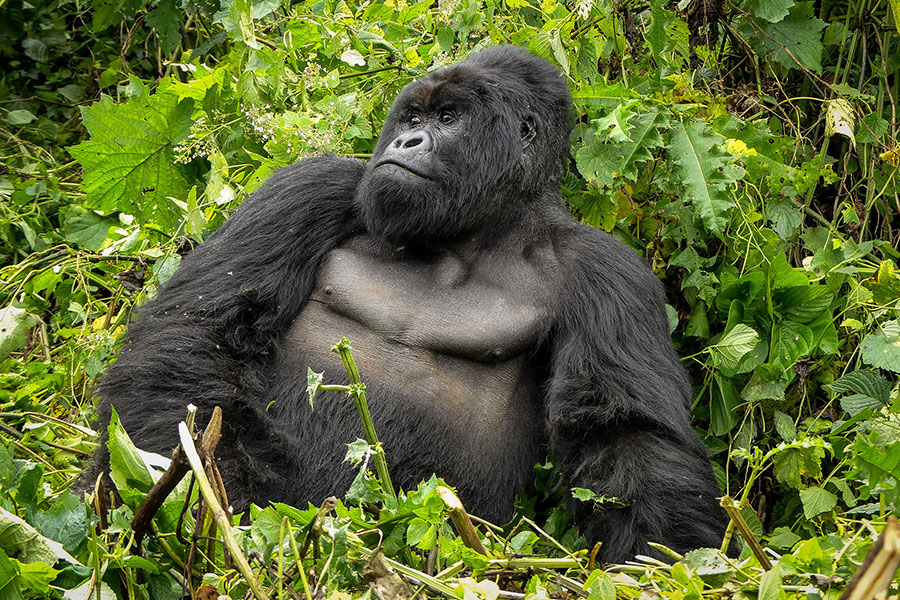
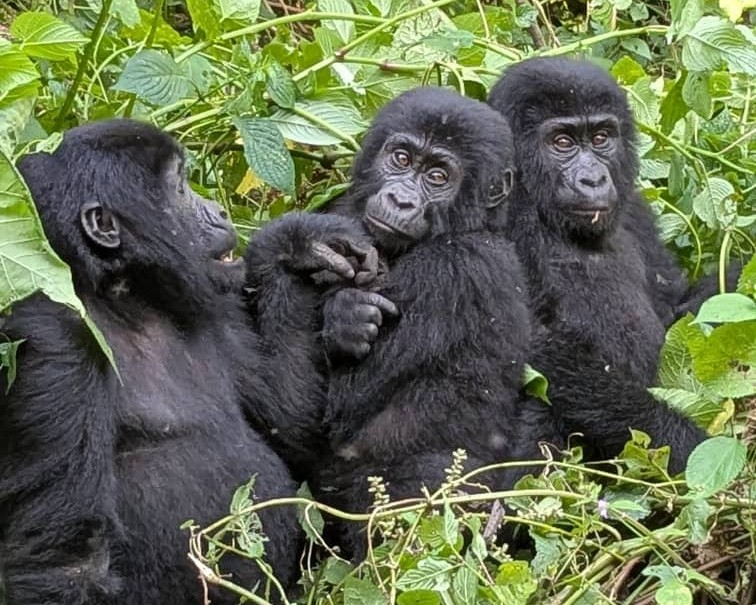
Mountain gorilla trekking is one of Uganda’s most famous tourism experiences. Bwindi Impenetrable National Park and Mgahinga Gorilla National Park protect mountain gorillas in their natural forest habitats.
Visitors join experienced guides and trackers to search for a habituated gorilla family. Once the gorillas are located, the permitted viewing time is generally one hour for standard trekking experiences.
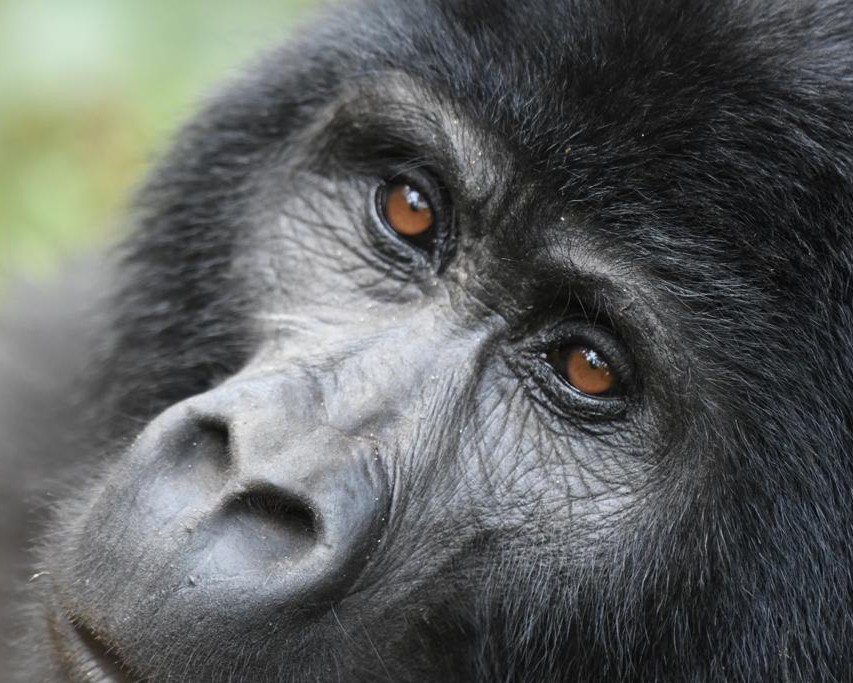
Observing these gentle giants as they feed, groom one another, play, and care for their young is an unforgettable experience. It also provides an opportunity to appreciate the importance of protecting endangered wildlife and the forests on which it depends.
2. Incredible Wildlife Diversity – Gorilla and Wildlife Safaris in Uganda
Uganda is home to a wide range of mammals, birds, reptiles, and other wildlife. Its different habitats support a variety of species, making it an excellent destination for travellers who want more than a single type of safari.
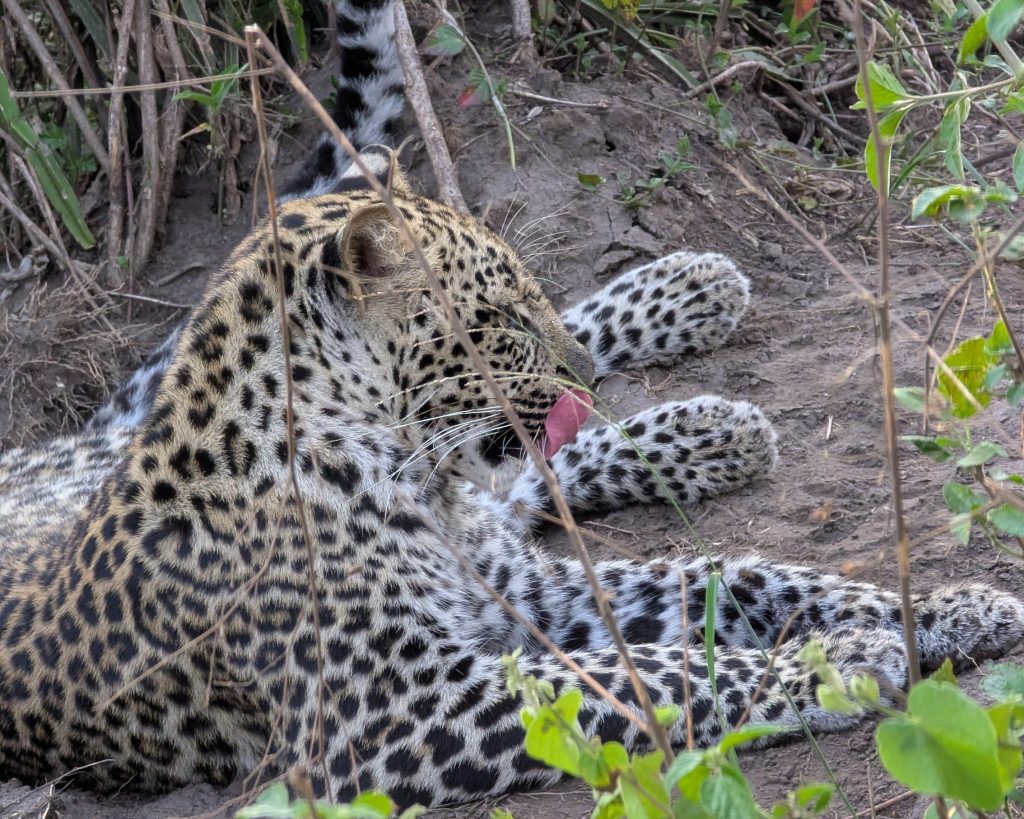
Depending on the destination, visitors may see elephants, lions, leopards, buffaloes, giraffes, zebras, antelopes, hippos, crocodiles, and chimpanzees.
The country is also famous for its primates, including mountain gorillas, chimpanzees, golden monkeys, and several species of monkeys.
3. Beautiful Natural Landscapes
Uganda’s scenery adds another dimension to every safari. Travellers can explore dense rainforests, rolling savannahs, crater lakes, dramatic waterfalls, mountain ranges, and the shores of Lake Victoria.
These landscapes provide excellent opportunities for nature photography, hiking, birdwatching, and relaxing between safari activities.
4. A Variety of Safari Experiences – Gorilla and Wildlife Safaris in Uganda
Uganda offers more than traditional game drives. Visitors can combine gorilla trekking with chimpanzee tracking, boat cruises, guided nature walks, mountain hiking, and cultural visits.
This variety makes it possible to create a safari that suits different interests, from adventurous travellers to visitors who prefer a more relaxed holiday.
Best Destinations for Gorilla and Wildlife Safaris in Uganda
1. Bwindi Impenetrable National Park
Bwindi Impenetrable National Park is the leading destination for mountain gorilla trekking in Uganda. Located in southwestern Uganda, the park is recognised for its ancient rainforest, rich biodiversity, and exceptional conservation value.
The forest is home to a significant population of endangered mountain gorillas, along with chimpanzees, monkeys, forest elephants, and hundreds of bird species.
Gorilla trekking involves walking through forest trails with trained guides and trackers. The duration and difficulty of the trek depend on the location of the gorilla family, the terrain, and the weather. Some treks take a few hours, while others require a longer and more demanding walk.
Bwindi is divided into four main gorilla trekking sectors: Buhoma, Ruhija, Rushaga, and Nkuringo. Each offers access to different habituated gorilla families.
Visitors should select accommodation and transport arrangements according to the sector where their trekking permit is booked.
Beyond gorilla trekking, travellers can enjoy guided forest walks, birdwatching, and community-based cultural experiences.
Best for: Mountain gorilla trekking, rainforest exploration, birdwatching, and conservation-focused travel.
2. Mgahinga Gorilla National Park – Gorilla and Wildlife Safaris in Uganda
Mgahinga Gorilla National Park lies in southwestern Uganda, within the Virunga volcanic mountain range. Although smaller than Bwindi, it offers a spectacular combination of mountain scenery, forest wildlife, and primate encounters.
The park protects mountain gorillas and golden monkeys. Visitors can take part in gorilla trekking, golden monkey tracking, and guided hikes on the volcanic slopes.
The dramatic Virunga Mountains provide a beautiful backdrop for photography and nature walks. Travellers interested in hiking can also explore routes associated with Mount Gahinga, Mount Muhabura, and Mount Sabyinyo, subject to the applicable guiding arrangements and park regulations.
Mgahinga is an excellent choice for visitors who want to combine primate experiences with mountain scenery.
Best for: Gorilla trekking, golden monkey tracking, volcanic landscapes, and hiking.
3. Queen Elizabeth National Park
Queen Elizabeth National Park is one of Uganda’s best-known wildlife destinations. Located in western Uganda, the park features open savannahs, wetlands, crater lakes, and forested areas that support a wide range of animals.
Game drives offer opportunities to see elephants, buffaloes, Uganda kob, warthogs, and other antelope species. Lions and leopards may also be encountered, although sightings are never guaranteed.
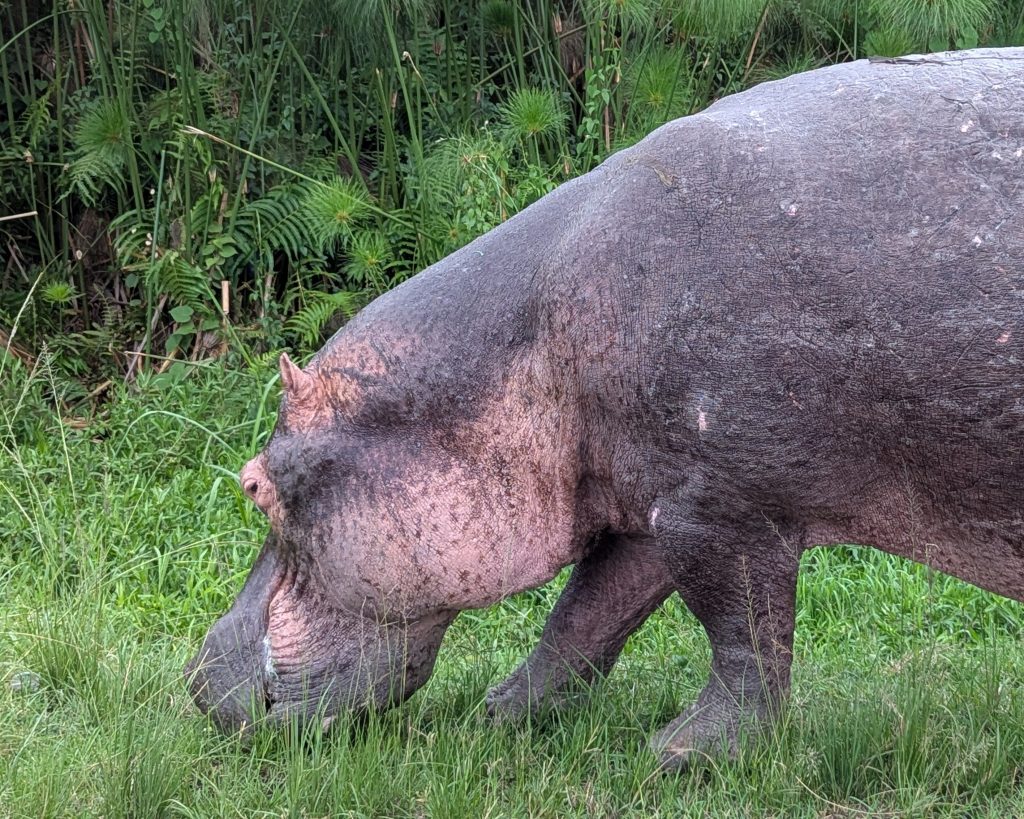
One of the park’s most popular activities is a boat cruise along the Kazinga Channel, which connects Lake Edward and Lake George. The channel attracts large numbers of hippos, buffaloes, elephants, and waterbirds, making it a wonderful location for wildlife photography.
The Ishasha sector in the southern part of the park is famous for its tree-climbing lions, although seeing them requires patience and luck.
Queen Elizabeth National Park combines well with Bwindi for travellers who want to experience both savannah wildlife and mountain gorillas during one trip.
Best for: Game drives, boat safaris, birdwatching, and diverse wildlife encounters.
4. Murchison Falls National Park – Gorilla and Wildlife Safaris in Uganda
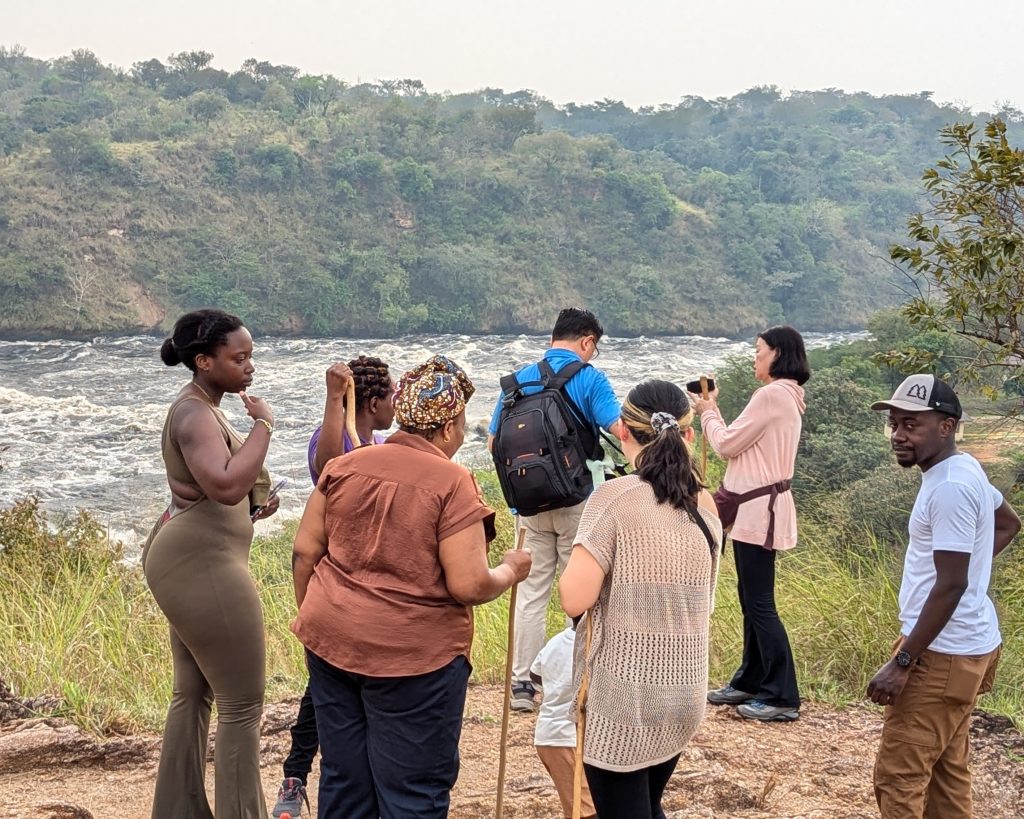
Murchison Falls National Park is Uganda’s largest national park and one of its most rewarding destinations for traditional wildlife safaris.
The Victoria Nile flows through the park before forcing its way through a narrow gorge at Murchison Falls. The resulting waterfall creates one of the country’s most dramatic natural spectacles.
Wildlife viewing is a major attraction. Depending on the area and season, visitors may see elephants, giraffes, buffaloes, lions, leopards, Uganda kob, hartebeest, and other species.
A boat cruise towards the base of the falls offers excellent views of hippos, crocodiles, elephants near the riverbanks, and numerous waterbirds. Game drives across the northern savannah provide further opportunities to observe wildlife in its natural environment.
Travellers can also visit viewpoints overlooking the falls and enjoy guided nature activities where available.
Best for: Classic African safaris, large mammals, river cruises, and spectacular waterfalls.
5. Kibale National Park
Kibale National Park is one of Uganda’s most important destinations for chimpanzee tracking. Its tropical forest supports a remarkable diversity of primates and other wildlife.
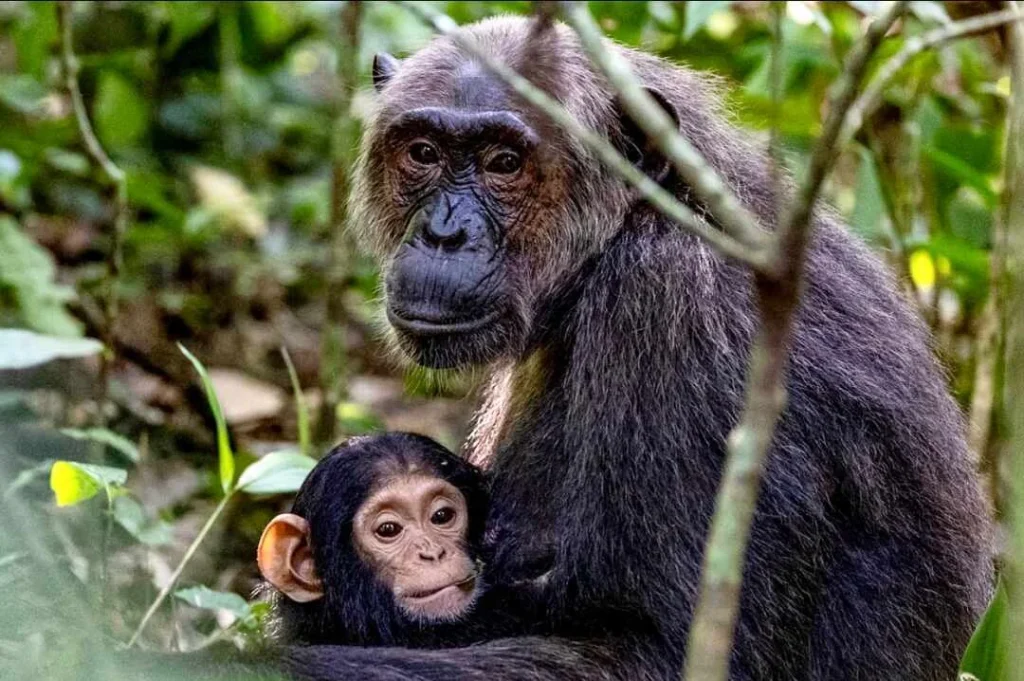
Chimpanzee tracking allows visitors to enter the forest with trained guides and search for chimpanzee communities. Observing these intelligent primates as they communicate, feed, groom, and move through the trees is an exciting wildlife experience.
Kibale is also home to red colobus monkeys, L’Hoest’s monkeys, olive baboons, and other primate species. Birdwatchers can enjoy the park’s rich forest birdlife.
Kibale is often combined with Queen Elizabeth National Park and Bwindi to create a safari that includes chimpanzees, savannah animals, and mountain gorillas.
Best for: Chimpanzee tracking, primate watching, rainforest walks, and birdwatching.
6. Lake Mburo National Park – Gorilla and Wildlife Safaris in Uganda
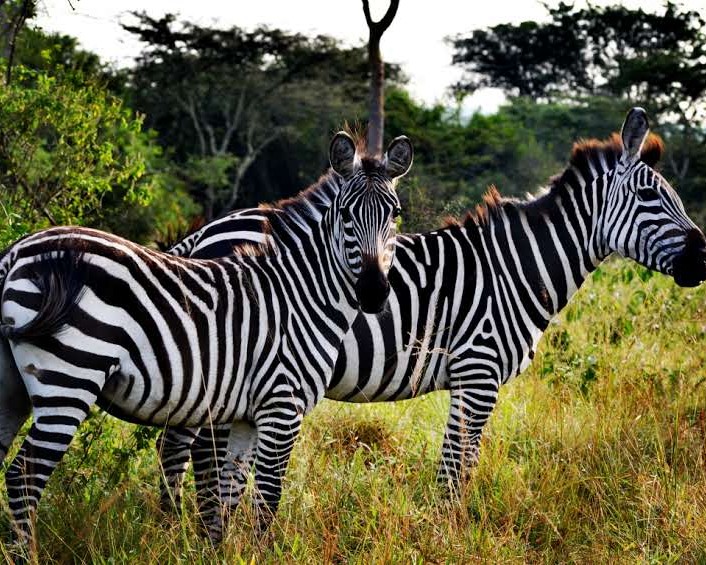
Lake Mburo National Park is a convenient destination for visitors travelling between Kampala and southwestern Uganda. It is known for its rolling hills, acacia woodland, wetlands, lakes, and open grasslands.
The park supports zebras, impalas, elands, buffaloes, giraffes, warthogs, and several other wildlife species. Leopards may also be present but are not always easy to spot.
Visitors can explore the park through guided game drives, boat trips, and selected guided walking or cycling activities arranged under park regulations.
Lake Mburo offers a different atmosphere from the larger savannah parks and is an excellent addition to a gorilla safari.
Best for: Zebras, giraffes, antelopes, nature walks, and shorter wildlife excursions.
7. Semuliki National Park
Semuliki National Park, in western Uganda, protects lowland tropical rainforest and forms part of the biologically rich Albertine Rift region.
The park is known for its forest birdlife, primates, and the Sempaya hot springs. Visitors can explore the forest with a guide and learn about the area’s ecology and distinctive natural features.
Semuliki is especially appealing to travellers interested in birdwatching and less-visited destinations. Wildlife sightings differ from those in open savannah parks because many animals live within dense vegetation.
Best for: Forest birdwatching, guided nature walks, hot springs, and off-the-beaten-path experiences.
Top Activities on a Gorilla and Wildlife Safari in Uganda
Mountain Gorilla Trekking
Gorilla trekking is the highlight of many Uganda safaris. The adventure begins with a briefing from park staff, followed by a guided walk into the forest.
Once the gorillas are located, visitors observe them from a safe, regulated distance while following the instructions of their guides. The experience offers remarkable insight into gorilla behaviour and family life.
Because gorilla permits are limited, travellers should arrange their permits well in advance, particularly during busy travel periods.
Chimpanzee Tracking – Gorilla and Wildlife Safaris in Uganda
Chimpanzee tracking provides another exciting opportunity to observe wild primates. Kibale National Park is the main destination, although chimpanzee experiences are also available in selected other locations.
The forest walk may involve uneven ground, muddy trails, and changes in elevation. Visitors should wear suitable footwear and follow the guide’s instructions throughout the activity.
Game Drives
Game drives allow visitors to explore Uganda’s savannah landscapes in a safari vehicle. Morning and late-afternoon drives are often productive because many animals are active during cooler parts of the day.
Popular parks for game drives include Queen Elizabeth National Park, Murchison Falls National Park, and Lake Mburo National Park.
An experienced guide can help visitors identify animals, interpret their behaviour, and understand the ecosystems in which they live.
Boat Safaris – Gorilla and Wildlife Safaris in Uganda
Boat safaris offer a different perspective on wildlife. The Kazinga Channel in Queen Elizabeth National Park and the Nile in Murchison Falls National Park are particularly popular.
Travellers may see hippos, crocodiles, elephants, buffaloes, and a wide variety of birds along the water’s edge.
Boat trips are also ideal for photography because they provide opportunities to observe wildlife without the movement and noise associated with some vehicle-based encounters.
Birdwatching
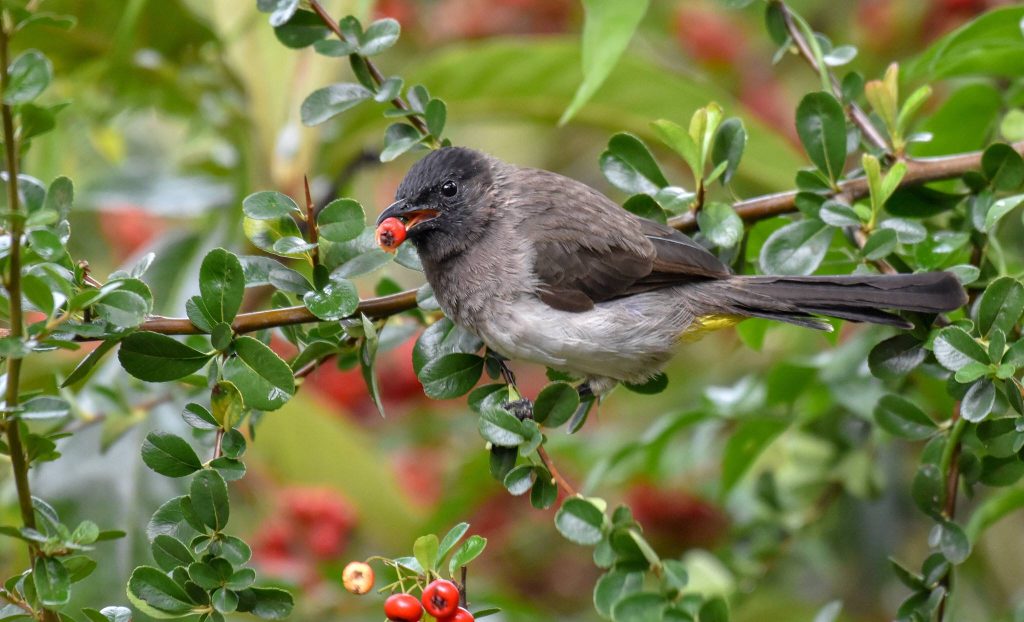
Uganda is an outstanding birdwatching destination, with more than 1,000 recorded bird species. Its varied habitats support forest specialists, wetland birds, savannah species, and birds associated with the Albertine Rift.
Important birdwatching destinations include Bwindi, Kibale, Queen Elizabeth, Murchison Falls, and Semuliki national parks.
Visitors with a particular interest in birds should consider hiring a specialist guide and allowing extra time for forest walks and wetland excursions.
Cultural Experiences – Gorilla and Wildlife Safaris in Uganda
A safari in Uganda can also include meaningful encounters with local communities. Depending on the destination, travellers may visit community projects, learn about traditional crafts, enjoy local food, or participate in guided cultural activities.
Around Bwindi and Mgahinga, visitors can arrange respectful, community-led experiences that help them learn about local traditions and conservation initiatives.
Travellers should choose activities that respect community preferences, cultural practices, and the rights of local residents.
The Best Time for Gorilla and Wildlife Safaris in Uganda
Uganda can be visited throughout the year, but weather conditions influence trekking comfort, road travel, and wildlife viewing.
Dry Seasons
The relatively drier periods are generally from June to August and December to February.
These months are popular for gorilla trekking because forest trails may be less muddy, although rain can occur at any time. Dry-season conditions can also make wildlife viewing in savannah parks more convenient.
Since these periods attract many visitors, it is advisable to book accommodation, permits, and transport early.
Rainy Seasons
The main rainy periods generally occur from March to May and around September to November, although conditions vary by region and year.
Rain can make forest trails slippery and increase the difficulty of gorilla trekking. Some roads may also become challenging, especially in remote areas.
However, the rainy seasons can offer lush landscapes, beautiful scenery, and excellent birdwatching opportunities. Some travellers may also find fewer visitors at certain destinations.
Important: Gorilla trekking is available year-round, subject to permit availability and park conditions. The best time depends on your priorities, flexibility, and preferred travel experience.
Sample 7-Day Gorilla and Wildlife Safari Itinerary
A seven-day safari can combine chimpanzee tracking, savannah wildlife, and mountain gorilla trekking. The exact route should be adjusted to your arrival airport, road conditions, permit availability, and accommodation preferences.
Day 1: Arrival in Uganda
Arrive at Entebbe International Airport and transfer to your hotel. Depending on your arrival time, you may relax, explore nearby attractions, or prepare for the safari.
Day 2: Travel to Kibale National Park
Travel towards western Uganda through scenic countryside and local communities. Arrive near Kibale National Park, settle into your accommodation, and prepare for chimpanzee tracking.
Day 3: Chimpanzee Tracking and Transfer Towards Queen Elizabeth National Park
Take part in a guided chimpanzee tracking experience in Kibale. After the activity, travel towards Queen Elizabeth National Park and enjoy the scenery along the way.
Depending on timing and arrangements, you may have time for an additional nature activity.
Day 4: Queen Elizabeth National Park Safari
Enjoy a morning game drive in search of elephants, buffaloes, antelopes, and other wildlife. Later, take a boat cruise along the Kazinga Channel to observe hippos, crocodiles, and waterbirds.
Day 5: Travel to Bwindi Impenetrable National Park
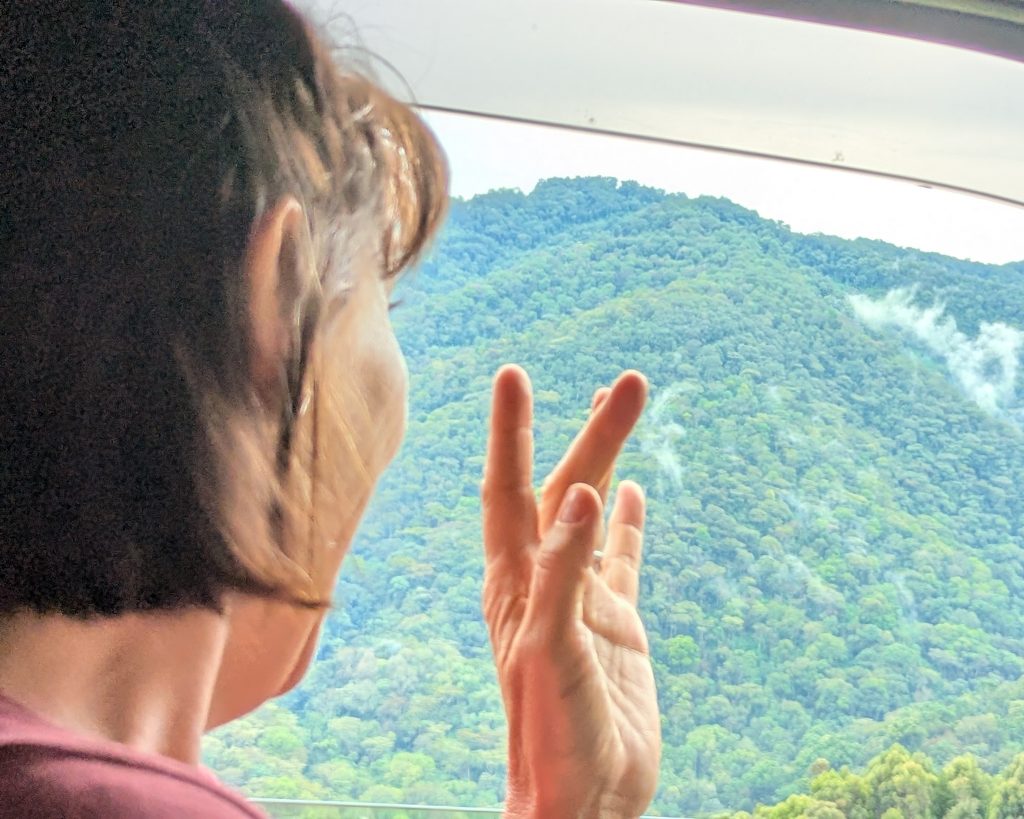
Travel to Bwindi through the beautiful landscapes of southwestern Uganda. Depending on your route, you may pass through highlands, rural settlements, and scenic countryside.
Spend the evening resting before the gorilla trek.
Day 6: Mountain Gorilla Trekking
After an early breakfast, report for the gorilla trekking briefing and enter the forest with trained guides and trackers.
The trek may take several hours depending on the gorilla family’s location. Once the gorillas are found, enjoy the permitted viewing period and follow all conservation guidelines.
Return to your lodge for relaxation and an opportunity to reflect on the experience.
Day 7: Return to Entebbe or Continue Your Journey
After breakfast, begin the return journey or connect with a pre-arranged domestic flight, depending on your schedule and departure plans.
Planning note: This itinerary involves substantial road travel. If you prefer a more relaxed safari, consider eight to ten days or longer. The route and overnight stops should also be designed around your confirmed gorilla permit sector.
What Does a Gorilla and Wildlife Safari in Uganda Cost?
The total cost of a Uganda safari varies according to the number of travellers, length of stay, accommodation category, transport arrangements, activities, and time of year.
The main expenses include:
- Gorilla trekking permits: A major cost that should be confirmed with the Uganda Wildlife Authority or an authorised booking provider.
- Chimpanzee tracking permits: Prices depend on the destination and the type of experience selected.
- Accommodation: Options range from budget guesthouses and camps to comfortable lodges and luxury safari properties.
- Transport: Private 4×4 vehicles, fuel, driver-guide services, and optional domestic flights can influence the overall budget.
- Park fees and activities: Game drives, boat cruises, guided walks, and other experiences may involve additional charges.
- Meals and drinks: Check whether these are included in the accommodation or safari package.
- International flights and insurance: These are often separate from the quoted ground safari price.
-
#uganda safari
#Tanzania safari
#Rwanda safari
#Kenya safari
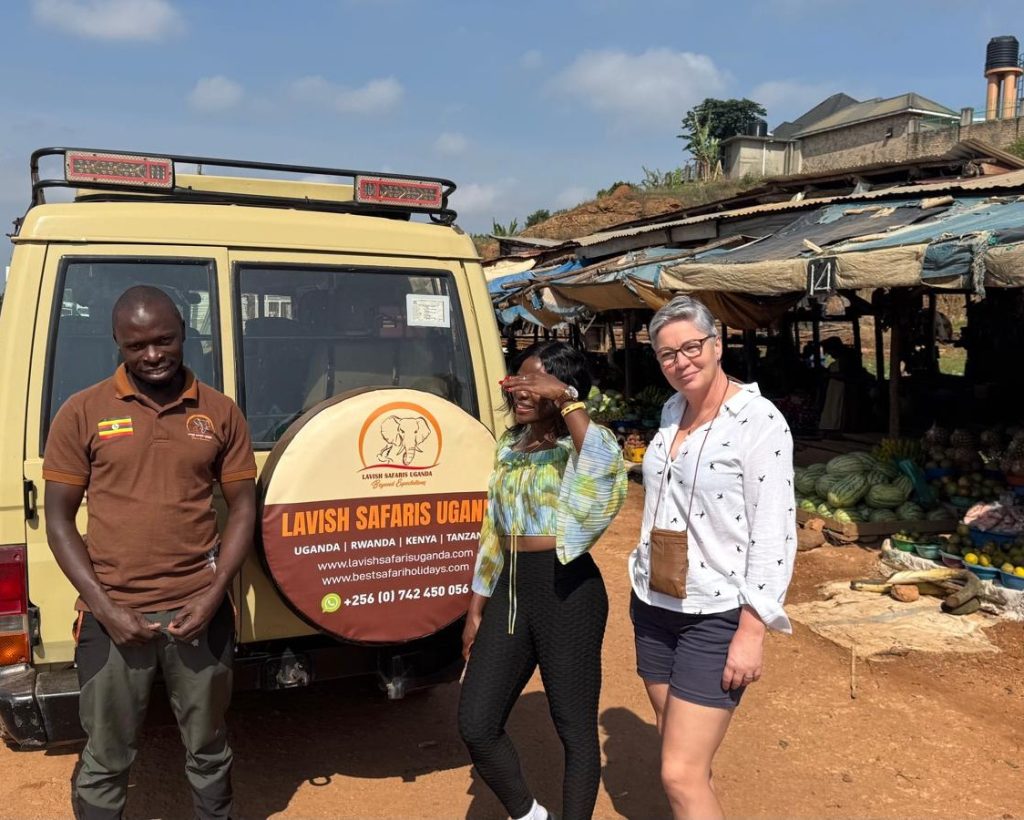
When comparing safari packages, check what is included rather than choosing solely on the lowest advertised price. A reliable operator should clearly explain permit arrangements, accommodation, transport, meals, and any additional expenses.
How to Choose a Reliable Uganda Safari Company
Choosing the right safari company can make a significant difference to your experience. A well-organised operator helps coordinate permits, accommodation, transport, park activities, and communication throughout the trip.
Before booking, consider the following factors:
1. Experience and local knowledge
Look for a company with practical experience organising gorilla trekking and wildlife safaris in Uganda. Knowledge of park access points, road conditions, and seasonal travel patterns is especially useful.
2. Clear pricing
Ask for a written itinerary and an itemised quotation. Confirm whether gorilla permits, park fees, accommodation, meals, transport, and guiding services are included.
3. Professional guides
Experienced guides can help you understand wildlife behaviour, navigate destinations, and enjoy a more informative safari.
4. Genuine reviews and reputation
Read recent reviews across independent platforms and look for consistent feedback about communication, reliability, vehicle condition, and the quality of the overall experience.
5. Responsible tourism
Choose operators who follow wildlife regulations, respect local communities, support conservation, and explain appropriate behaviour around wild animals.
6. Appropriate vehicles and accommodation
Confirm that the vehicle is suitable for the planned route and that accommodation is conveniently located for your activities, particularly your gorilla trekking sector.
7. Permit confirmation
Ask how permits will be secured and request clear confirmation of the relevant dates and arrangements. Do not assume that a safari package automatically guarantees a permit unless this is explicitly confirmed.
What to Pack for a Uganda Gorilla and Wildlife Safari
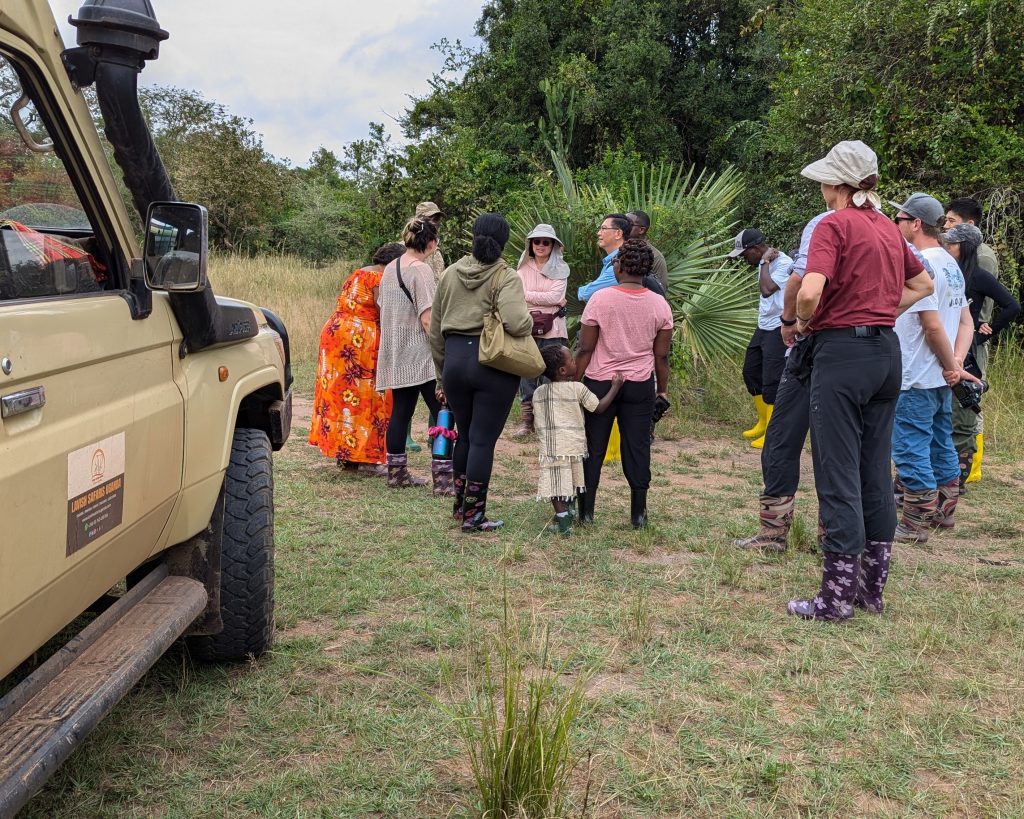
Packing appropriately helps make your safari more comfortable, especially when moving between rainforests and open savannahs.
Useful items include:
- Lightweight, breathable clothing in neutral colours.
- Long trousers and long-sleeved shirts for forest trekking.
- Waterproof hiking boots with good grip.
- A lightweight rain jacket or poncho.
- Gardening-style gloves for gripping vegetation during gorilla trekking.
- A hat, sunglasses, and sunscreen.
- Insect repellent.
- Binoculars for wildlife viewing and birdwatching.
- A camera with spare batteries and memory cards.
- A small backpack, reusable water bottle, and personal medication.
- A headlamp or torch for camps and lodges where needed.
Check your tour operator’s packing advice before departure. For gorilla trekking, wear clothing that protects your skin from stinging vegetation and insects, and follow guidance on appropriate footwear.
Gorilla Trekking Rules and Responsible Wildlife Tourism
Mountain gorillas are endangered, and protecting them is essential to the future of Uganda’s wildlife tourism.
Visitors must follow the instructions of park rangers and guides throughout the trek. Anyone who feels unwell should inform the park staff before joining, as human illnesses can pose a risk to gorillas.
Important practices include maintaining the required distance, avoiding sudden movements, keeping noise low, never feeding wildlife, and following all instructions about photography and flash use.
Travellers should also avoid littering, remain on designated routes where instructed, and respect the forest environment.
Responsible tourism supports conservation efforts and helps local communities benefit from protecting the natural resources that make Uganda special.
Tips for Planning a Successful Uganda Safari
A little preparation can help you make the most of your trip.
- Book gorilla permits early: Availability is limited, so organise permits before finalising non-refundable travel arrangements.
- Choose the right trekking sector: Match your permit location with accommodation and transport plans.
- Allow enough time: Long journeys between parks can make a tightly scheduled itinerary tiring.
- Carry some cash: Small purchases and tips may be easier with local currency, although payment options vary.
- Prepare for changing weather: Uganda’s climate differs between regions, and rain is possible even during the drier months.
- Follow health advice: Consult a qualified travel-health professional well before departure about vaccinations, malaria prevention, and any entry-related health requirements.
- Travel with flexibility: Wildlife sightings, trekking duration, and road conditions can change.
- Respect local communities: Ask permission before photographing people and follow guidance during cultural visits.
Frequently Asked Questions About Gorilla and Wildlife Safaris in Uganda
Is Uganda a good destination for gorilla trekking?
Yes. Uganda is one of the leading mountain gorilla trekking destinations in the world, with experiences available in Bwindi Impenetrable National Park and Mgahinga Gorilla National Park.
Can I see gorillas and the Big Five in Uganda?
Uganda offers mountain gorilla trekking and opportunities to see lions, leopards, elephants, and buffaloes. Rhinos can be visited at Ziwa Rhino Sanctuary, subject to current visitor arrangements. However, the Big Five are not all encountered together in every national park, so the itinerary must be planned accordingly.
How many days do I need for a Uganda safari?
Five to seven days can provide a rewarding introduction, but eight to ten days or more is preferable if you want to combine gorilla trekking, chimpanzee tracking, and multiple wildlife parks without rushing.
Is gorilla trekking difficult?
The difficulty varies. Some treks are relatively short, while others involve steep slopes, thick vegetation, muddy paths, and several hours of walking. A reasonable level of fitness and suitable equipment are helpful.
Can families go on a gorilla safari?
Families can enjoy Uganda’s wildlife parks, but age restrictions apply to gorilla trekking. The standard minimum age is 15 years, subject to the relevant park rules. Families should confirm current requirements when booking.
What is the best combination for a gorilla and wildlife safari?
Bwindi or Mgahinga can be combined with Queen Elizabeth National Park for gorilla trekking and savannah wildlife. Adding Kibale National Park is an excellent option for travellers who also want to track chimpanzees.
Conclusion
Gorilla and wildlife safaris in Uganda offer an extraordinary way to discover the country’s natural beauty and biodiversity. From observing endangered mountain gorillas in mist-covered rainforests to watching elephants, lions, buffaloes, and hippos in spectacular national parks, every destination provides a different perspective on Africa’s wildlife.
The combination of gorilla trekking, chimpanzee tracking, game drives, boat cruises, birdwatching, and cultural encounters makes Uganda a destination with something for many kinds of travelers.
With careful planning, confirmed permits, a reliable safari operator, and respect for wildlife and local communities, you can enjoy a memorable and rewarding journey through the Pearl of Africa.