
A Complete Guide to Planning Your Budget
Kilimanjaro Climbing Cost: A Complete Guide to Planning Your Budget. Climbing Mount Kilimanjaro is one of the most rewarding adventures in Africa, but understanding the Kilimanjaro climbing cost is an important part of planning your trip. The total price depends on several factors, including the route you choose, the number of days on the mountain, the size of your group, the type of accommodation, the services included in your package, and the season of travel.
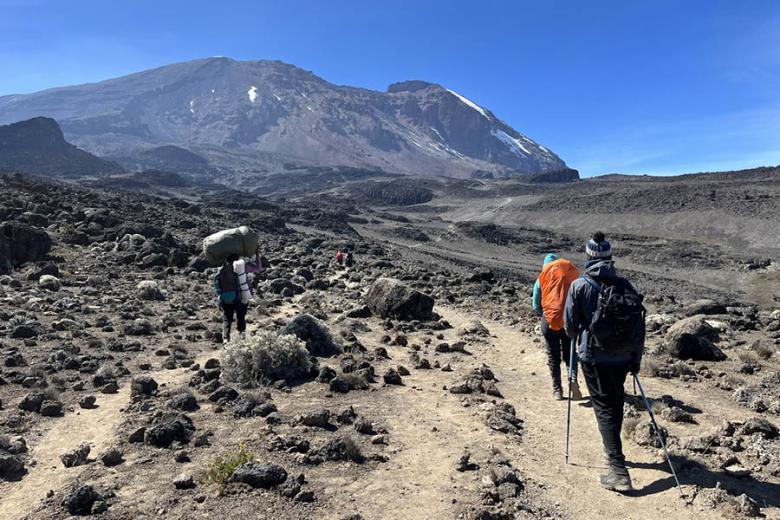
Mount Kilimanjaro rises to 5,895 metres (19,341 feet) and is Africa’s highest mountain. Tanzania National Parks Authority (TANAPA) notes that climbs generally take between 5 and 8 days, depending on the route, although longer itineraries are also available.
For 2026, published market prices show that many standard Kilimanjaro climbs fall roughly within the US$2,000–US$3,500 per person range, although budget and luxury options can fall outside this range. Recent market data puts the median price of a 7-day Machame climb at about US$2,795, while an 8-day Lemosho climb has a median of about US$3,190.
Understanding what you are paying for can help you choose a package that offers good value without compromising safety, acclimatization, or responsible mountain practices.
How Much Does It Cost to Climb Kilimanjaro? – Kilimanjaro Climbing Cost
There is no single fixed price for climbing Kilimanjaro.
As a general 2026 planning guide, you may encounter prices such as:
| Kilimanjaro climb | Approximate cost per person |
|---|---|
| 5-day Marangu | US$2,000–US$2,500 |
| 6-day Machame | US$2,300–US$3,000 |
| 6-day Marangu | US$2,300–US$2,900 |
| 7-day Machame | US$2,400–US$3,200 |
| 7-day Lemosho | US$2,600–US$3,500 |
| 8-day Lemosho | US$2,900–US$3,800 |
| 9-day Northern Circuit | US$3,000–US$4,000+ |
These are planning ranges rather than official fixed prices. Actual quotations vary between operators, group sizes, accommodation standards, inclusions, and travel dates. Current published operator and market data show considerable variation between packages.
What Makes Kilimanjaro Climbing Expensive?
A Kilimanjaro climb involves much more than paying for a guide to walk with you up the mountain.
Your package may cover:
- National park fees
- Camping or hut fees
- Rescue fees
- Professional mountain guides
- Porters
- Cooks
- Mountain meals
- Tents and camping equipment
- Transportation
- Hotel accommodation
- Airport transfers
- Government taxes
- Safety equipment
- Pre- and post-climb support
The mountain crew is a particularly important part of the cost. A responsible climbing company must provide guides, porters, cooks, food, equipment, and logistical support for several days.
Kilimanjaro National Park Fees – Kilimanjaro Climbing Cost
One of the largest parts of the climbing cost is the collection of official park fees.
TANAPA publishes tariffs for Kilimanjaro National Park, and its tariff information notes that applicable fees include VAT.
Published 2026/27 calculations based on the current tariff structure show that a non-resident climber’s park-related costs can amount to approximately:
- US$720 for a 5-day Marangu climb
- US$814 for a 6-day camping climb
- US$873 for a 6-day Marangu climb
- US$956 for a 7-day camping climb
- US$1,097 for an 8-day Lemosho climb
These figures cover the relevant conservation, accommodation, and rescue charges but do not represent the entire climbing package because guide and porter costs, food, transportation, accommodation, and other services still need to be added.
Because park fees are a significant part of the final price, a quotation that appears dramatically cheaper than other reputable operators should be examined carefully.

Cost of a 5-Day Kilimanjaro Climb
A 5-day climb is one of the shortest Kilimanjaro itineraries and is commonly associated with the Marangu Route.
Published 2026 market prices for 5-day Marangu climbs vary considerably, with some standard packages around the low-to-mid US$2,000 range.
Although the shorter itinerary can reduce accommodation, food, crew, and park-related costs, it also provides less time for acclimatization.
For travelers who have enough time, a longer itinerary may provide a better overall experience.
Cost of a 6-Day Kilimanjaro Climb – Kilimanjaro Climbing Cost
A 6-day Kilimanjaro climb can be organized on routes such as Machame, Marangu, Rongai, and Umbwe.
Current published prices commonly fall around US$2,300–US$3,000, depending on the route and package inclusions.
A 6-day climb can offer a good balance between cost and duration, but the suitability of the itinerary depends on the route and the individual’s ability to acclimatize.
Cost of a 7-Day Kilimanjaro Climb
A 7-day trek is one of the most popular options.
For example, current market data places the median price of a 7-day Machame climb at approximately US$2,795, while other published listings show lower and higher prices depending on the operator and services included.
A 7-day itinerary can be particularly attractive because it provides more time to adjust to increasing altitude compared with shorter climbs.
Cost of an 8-Day Kilimanjaro Climb – Kilimanjaro Climbing Cost
An 8-day Lemosho climb generally costs more than a shorter trek because of the additional day on the mountain.
Current market data puts the median price for an 8-day Lemosho climb at approximately US$3,190, with published prices varying considerably between operators.
The additional cost covers extra park fees, food, crew services, accommodation, and logistics. More importantly, the additional time can contribute to a more gradual trekking experience.
Cost of a 9-Day Northern Circuit Climb
The Northern Circuit is one of the longest routes on Kilimanjaro.
Because it requires more days, the package usually costs more than shorter routes. Current published market data places the median price of Northern Circuit climbs around US$3,399 for a 9-day itinerary.
For travelers who prioritize acclimatization, scenery, and a longer mountain experience, the additional cost may be worthwhile.
Main Factors That Affect Kilimanjaro Climbing Cost – Kilimanjaro Climbing Cost
1. Number of Days
The number of days on the mountain is one of the biggest factors affecting price.
Every additional day can mean:
- Additional park fees
- Additional food
- Additional crew wages
- Additional accommodation
- Additional camping costs
- Additional logistics
Longer climbs therefore cost more, but they can also provide valuable acclimatization time.
2. Route
Different routes have different durations and logistical requirements.
For example, a 5-day Marangu trek will normally cost less than an 8-day Lemosho or 9-day Northern Circuit trek.
The longer route may cost more, but price should not be the only consideration. Choosing the right route can have a major impact on your overall experience.
3. Group Size – Kilimanjaro Climbing Cost
Group size can significantly influence the price per person.
When several travelers share guides, cooks, transportation, and other resources, the cost per person can decrease.
Current published operator pricing demonstrates that per-person prices generally fall as group size increases.
4. Private vs. Group Climb
A private Kilimanjaro climb generally costs more than joining a larger group, especially when only one or two people are traveling.
However, private climbs offer greater flexibility with:
- Travel dates
- Pace
- Rest stops
- Route planning
- Accommodation
- Pre- and post-climb arrangements
For couples, families, and groups of friends, private climbing can provide a more personalized experience.
5. Accommodation – Kilimanjaro Climbing Cost
Marangu uses mountain huts, while most other major routes use tents.
Your package may also include hotel accommodation in Moshi before and after the trek.
The standard of the hotel, room type, number of nights, and meal plan can all influence the final price.
6. Season
The time of year can affect the price of your complete Tanzania trip.
Peak travel periods can be busier, while quieter periods may provide different pricing and availability.
Weather should also be considered because the best price is not necessarily the best value if conditions make the trek significantly more difficult.
What Is Usually Included in the Kilimanjaro Climbing Cost?
Before booking, ask your tour operator for a detailed list of inclusions.
A comprehensive package may include:
Park Fees
These include the official charges associated with entering and staying within Kilimanjaro National Park.
Mountain Guides – Kilimanjaro Climbing Cost
Professional guides lead the trek, monitor the group’s progress, and provide assistance throughout the climb.
Porters
Porters carry equipment, food, tents, and other group supplies.
Cooks
On camping routes, cooks prepare meals for the trekking team.
Meals
Most packages provide breakfast, lunch, and dinner during the mountain trek.
Camping Equipment – Kilimanjaro Climbing Cost
Camping routes generally require tents, sleeping arrangements, cooking equipment, and other mountain supplies.
Transportation
Packages often include transfers between the hotel and the mountain gate.
Hotel Accommodation
Many packages include one or two nights in Moshi before or after the climb.
What Is Usually Not Included? – Kilimanjaro Climbing Cost
A low advertised price can sometimes exclude important expenses.
Common exclusions may include:
- International flights
- Tanzania visa
- Travel insurance
- Personal hiking equipment
- Sleeping bag rental
- Alcoholic drinks
- Personal laundry
- Tips for guides and porters
- Extra hotel nights
- Personal expenses
- Medical expenses
- Emergency evacuation beyond the services provided by the park
- Safari or Zanzibar extensions
Always ask the operator for a complete quotation before comparing prices.
Kilimanjaro Climbing Tips and Crew Costs
Tipping is an important part of budgeting for a Kilimanjaro climb.
A mountain crew can include several guides, porters, cooks, and other support staff. Travelers should ask their operator about the recommended tipping system before the trek.
The amount should reflect the size of your group, length of the climb, quality of service, and your own budget.
It is useful to keep tipping money separate from your main travel budget so you are prepared at the end of the trek.
Equipment Rental and Extra Costs – Kilimanjaro Climbing Cost
You do not necessarily have to purchase every piece of equipment before your trip.
Many Kilimanjaro operators provide or rent equipment such as:
- Sleeping bags
- Trekking poles
- Warm jackets
- Waterproof clothing
- Backpacks
- Walking sticks
- Headlamps
Renting equipment can reduce the cost of preparing for the trek, especially if you do not regularly go hiking.

However, footwear and personal clothing should ideally be comfortable and tested before the climb.
How Much Money Should You Budget for the Whole Kilimanjaro Trip?
The climbing package is only one part of your overall Tanzania travel budget.
A complete trip may include:
Kilimanjaro climbing package + international flights + visa + insurance + equipment + tips + hotel extras + airport transfers + optional safari or Zanzibar holiday.
For example, a traveler choosing a 7-day climb may spend around US$2,400–US$3,200 for the mountain package, then add flights, insurance, tips, personal expenses, and optional activities.
A traveler combining Kilimanjaro with a Tanzania safari will naturally require a larger budget.
How to Save Money on Kilimanjaro Climbing – Kilimanjaro Climbing Cost
You can reduce costs without compromising the quality of your experience.
Travel as a Group
Joining friends or family members can reduce the per-person cost because some expenses are shared.
Choose a Suitable Route
A shorter route may be cheaper, but do not sacrifice necessary acclimatization simply to save money.
Compare Several Operators – Kilimanjaro Climbing Cost
Request detailed quotations from several reputable companies and compare what each package includes.
Rent Equipment
If you do not plan to hike regularly, renting specialized equipment can be more economical than buying everything.
Avoid Extremely Cheap Packages
A very low price may indicate that important services have been excluded or that the company is cutting costs in areas that matter, such as crew welfare, food, equipment, or safety.
Why You Should Not Choose Kilimanjaro Based Only on Price – Kilimanjaro Climbing Cost
The cheapest Kilimanjaro package is not always the best deal.
A successful climb depends on more than the price. You need:
- Experienced guides
- Reliable equipment
- Proper food
- Adequate acclimatization
- Responsible porter treatment
- Emergency procedures
- Good logistical planning
A reputable operator should clearly explain its pricing and inclusions.
If one company offers a price dramatically below the market range, ask why. Make sure park fees, crew wages, meals, accommodation, transportation, and safety services are genuinely included.

Best Value Kilimanjaro Climbing Option
For many travelers, a 7-day Machame or 7-day Lemosho climb can provide an excellent balance between price, scenery, duration, and acclimatization.
Travelers with more time may prefer an 8-day Lemosho or 9-day Northern Circuit itinerary.
Those with limited time may consider a shorter Marangu or Machame itinerary, but should understand the trade-off between lower cost and less acclimatization time.
TANAPA itself emphasizes that the longer the climb, the greater the possibility of successfully reaching the summit.
Frequently Asked Questions About Kilimanjaro Climbing Cost
Is Kilimanjaro expensive to climb? – Kilimanjaro Climbing Cost
Compared with many other hiking destinations, Kilimanjaro can be relatively expensive because of national park fees, professional crews, accommodation, food, permits, transportation, and mountain logistics.
However, the cost covers a complete guided expedition rather than simply access to a trail.
What is the cheapest way to climb Kilimanjaro?
Joining a group, choosing a shorter route, traveling during less busy periods, and renting equipment can reduce costs. However, safety and adequate acclimatization should always come before price.
How much does a 7-day Kilimanjaro climb cost? – Kilimanjaro Climbing Cost
A realistic 2026 planning range is approximately US$2,400–US$3,200 per person for many standard packages, although actual prices can be lower or considerably higher depending on the operator and inclusions. Current market data shows a median around US$2,795 for a 7-day Machame climb.
Does the Kilimanjaro climbing price include park fees?
Many reputable packages include park fees in the advertised price, but this should always be confirmed in writing.
Are tips included?
Tips are commonly separate from the advertised package price. Ask your operator for its recommended tipping guidelines before the trek.
Does the price include flights? – Kilimanjaro Climbing Cost
Usually not. International flights are generally booked separately.
Can I combine Kilimanjaro with a safari?
Yes. Kilimanjaro can be combined with a Tanzania wildlife safari to destinations such as Serengeti, Ngorongoro, Tarangire, and Lake Manyara.
Final Thoughts
Understanding the Kilimanjaro climbing cost helps you plan your adventure realistically and avoid unexpected expenses. In 2026, many standard climbs fall within approximately US$2,000–US$3,500 per person, while longer, private, or premium packages can cost more. Current market research shows substantial variation between routes and operators, making it important to compare packages based on their full inclusions rather than headline prices alone.
The number of days, route, group size, park fees, accommodation, crew services, and equipment all contribute to the final price. More importantly, a longer itinerary can provide additional acclimatization time, which is an important consideration when planning your summit attempt.
When choosing a Kilimanjaro climbing package, look for a reputable operator with experienced guides, transparent pricing, responsible crew practices, good equipment, and clear safety procedures.
The goal should not simply be to find the cheapest Kilimanjaro climb. The goal is to find a well-organized, safe, responsible, and memorable journey to the Roof of Africa.