
A Complete Guide to Climbing Africa’s Highest Mountain
Kilimanjaro Trekking Tours: A Complete Guide to Climbing Africa’s Highest Mountain. Kilimanjaro trekking tours offer an incredible opportunity to explore one of Africa’s most famous natural landmarks and stand on the highest point on the continent. Rising to 5,895 metres (19,341 feet) above sea level, Mount Kilimanjaro attracts adventurers from around the world who want to experience its spectacular landscapes, challenging trails, and unforgettable summit views.

What makes Kilimanjaro especially appealing is that you do not need advanced technical climbing skills to reach the summit. However, the trek is physically demanding, particularly because of the high altitude. Success depends on proper preparation, choosing an appropriate route, allowing enough time for acclimatization, and trekking with an experienced mountain crew.
Whether you are a first-time trekker, an experienced hiker, a couple seeking an adventure, or a group of friends looking for a memorable African experience, there is a Kilimanjaro trekking tour to suit your interests.
Why Choose a Kilimanjaro Trekking Tour? – Kilimanjaro Trekking Tours
A Kilimanjaro trek is much more than simply walking up a mountain. It is a journey through several distinct ecological zones, each offering a different landscape and atmosphere.
As you climb, you may pass through:
- Cultivated farmland
- Tropical rainforest
- Moorland
- Alpine desert
- High-altitude volcanic terrain
- The summit zone
The changing scenery is one of the highlights of the adventure. You begin the journey surrounded by lush vegetation and gradually enter a colder, more rugged environment before reaching the snow, ice, and volcanic landscapes near Uhuru Peak.
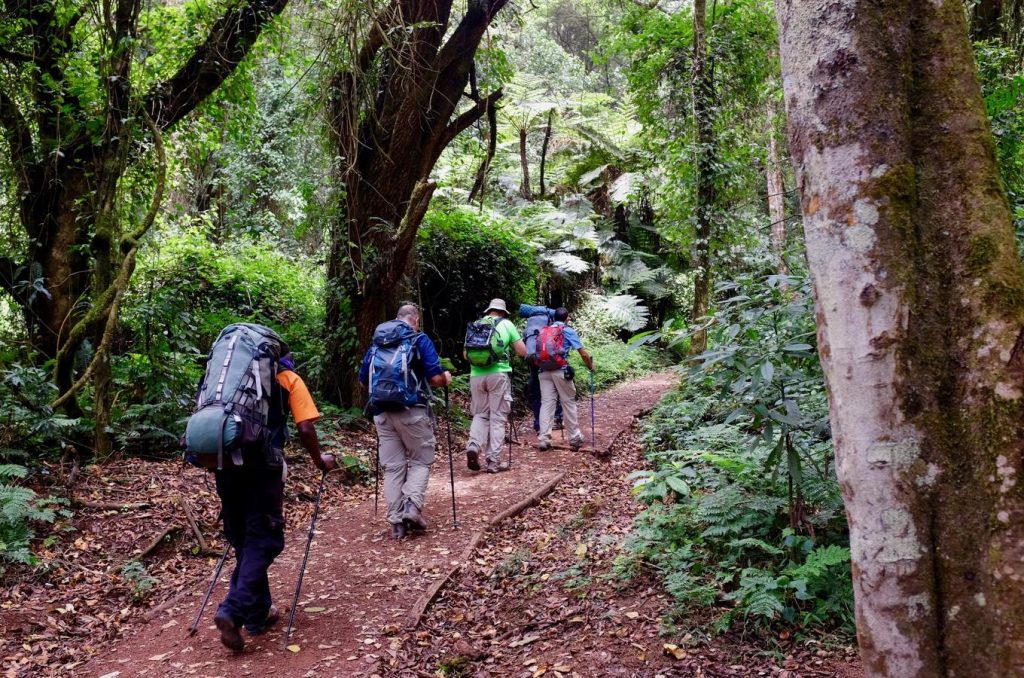
A professionally organized trekking tour also makes the experience easier because the operator normally takes care of permits, guides, porters, meals, accommodation, transportation, and other mountain logistics.
Popular Kilimanjaro Trekking Routes
Choosing the right route is one of the most important decisions when planning your Kilimanjaro trekking tour. Each route has its own scenery, difficulty, duration, and style of accommodation.
Machame Route – Kilimanjaro Trekking Tours
The Machame Route is one of the most popular trekking routes on Kilimanjaro. It is famous for its beautiful scenery and challenging but rewarding trail.
The route passes through rainforest before climbing into the moorland and alpine zones. Trekkers encounter dramatic landscapes as they approach the summit.
Machame is commonly offered as a 6- or 7-day trek, although longer itineraries can also be arranged.
Best for: Adventurous hikers who want spectacular scenery and a classic camping experience.
Lemosho Route
The Lemosho Route is known for its scenic beauty and gradual approach to the mountain. It begins on the western side of Kilimanjaro and crosses through remote landscapes before joining the southern routes.
Lemosho is particularly attractive to trekkers who have enough time for a longer itinerary. The gradual ascent can also provide valuable acclimatization time.
Best for: First-time trekkers, photographers, nature lovers, and travelers who prefer a longer and more gradual climb.
Marangu Route – Kilimanjaro Trekking Tours
The Marangu Route is one of the oldest and most established routes on Kilimanjaro. It is sometimes called the “Coca-Cola Route.”
Unlike routes that use tents, Marangu provides accommodation in mountain huts. The route follows a relatively direct trail toward the summit.
Although it is often considered one of the easier routes in terms of terrain, its shorter itineraries can provide less time for acclimatization. Choosing an itinerary with an additional acclimatization day can therefore be beneficial.
Best for: Trekkers who prefer hut accommodation and a more straightforward route.
Rongai Route
The Rongai Route approaches Kilimanjaro from the northern side. It is known for its quieter trails and remote atmosphere.
The route offers a different perspective of the mountain and may be particularly attractive to travelers who want to avoid some of the busier trekking paths.
Best for: Trekkers seeking a quieter experience and those interested in approaching Kilimanjaro from the northern side.
Northern Circuit Route – Kilimanjaro Trekking Tours
The Northern Circuit is the longest major route on Kilimanjaro. It takes trekkers around the northern slopes before approaching the summit.
Because it takes more time, the route allows for a gradual ascent and extensive acclimatization. It also provides opportunities to experience less crowded sections of the mountain.
Best for: Travelers with plenty of time who prioritize acclimatization, scenery, and a quieter trekking experience.
Umbwe Route
The Umbwe Route is a steep and challenging route. It is generally better suited to experienced hikers who are comfortable with demanding terrain and rapid elevation gain.
It offers an adventurous experience but is not usually the first choice for beginners seeking the easiest acclimatization profile.
Best for: Experienced trekkers looking for a challenging mountain adventure.
Kilimanjaro Trekking Tour Durations – Kilimanjaro Trekking Tours
Kilimanjaro trekking tours can range from approximately five days to more than a week, depending on the route and itinerary.
5-Day Kilimanjaro Trek
A five-day itinerary is relatively short and requires a strong commitment from the trekker. Because acclimatization time is limited, it is generally not the preferred option for travelers who have the flexibility to choose a longer climb.
6-Day Kilimanjaro Trek
A six-day trek offers a balance between duration and cost. It may be available on routes such as Machame or Marangu.
7-Day Kilimanjaro Trek – Kilimanjaro Trekking Tours
A seven-day trek is a popular choice because it allows more time for gradual altitude gain and provides a more relaxed experience than very short itineraries.
8-Day Kilimanjaro Trek
An eight-day itinerary provides additional time for acclimatization and is suitable for travelers who want to reduce the pressure of a fast ascent.
9-Day Kilimanjaro Trek
A nine-day trek is particularly suitable for travelers who prioritize acclimatization and want to explore the mountain at a slower pace. Longer routes such as the Northern Circuit can be excellent options.
What to Expect During a Kilimanjaro Trek – Kilimanjaro Trekking Tours
Every day on the mountain is different. Trekking normally begins in the morning after breakfast, followed by several hours of walking toward the next camp.
Your guide will usually set a comfortable pace, often described by the Swahili phrase “pole pole,” meaning slowly, slowly.
Walking slowly is important because altitude can affect the body even when the trail itself does not appear extremely difficult.
A typical trekking day may include:
- Breakfast at camp
- Morning briefing with the guide
- Several hours of hiking
- Lunch, either at camp or along the trail
- Continued trekking
- Arrival at the next camp
- Rest and hydration
- Dinner and preparation for the following day
The daily distances and elevation changes depend on the route and itinerary.
Kilimanjaro Summit Day – Kilimanjaro Trekking Tours
The summit attempt is the most demanding part of the trek.
Trekkers usually leave their camp during the night or very early in the morning. The climb is slow because of the steep terrain, cold temperatures, darkness, and high altitude.
The goal is to reach Uhuru Peak, the highest point of Mount Kilimanjaro.
Standing at the summit at sunrise can be an emotional and unforgettable moment. After taking photographs and celebrating the achievement, trekkers begin the descent toward a lower camp.

The descent is physically demanding in its own way, but reaching lower elevations usually provides welcome relief from the effects of altitude.
Kilimanjaro Trekking and Altitude Acclimatization
Altitude is one of the biggest challenges on Kilimanjaro.
At high elevations, the air contains less available oxygen than at lower altitudes. Even fit trekkers can experience symptoms of altitude illness.
For this reason, choosing a longer trekking itinerary is often one of the most important decisions you can make.
Good acclimatization practices include:
- Walking slowly
- Staying properly hydrated
- Eating enough food
- Getting adequate rest
- Following the guide’s instructions
- Allowing enough days for gradual ascent
- Reporting unusual or severe symptoms immediately
Never ignore serious altitude-related symptoms. The mountain crew should be prepared to assess trekkers and make appropriate safety decisions.
Best Time for Kilimanjaro Trekking Tours – Kilimanjaro Trekking Tours
Kilimanjaro can be climbed during much of the year, but weather conditions influence the experience.
The commonly preferred trekking periods include:
- January to March
- June to October
These periods generally offer more favorable conditions for trekking.
June to October is particularly popular because it coincides with a relatively dry period in Tanzania. January through March can also offer good conditions, although temperatures and weather can vary with altitude.
The rainy periods can make trails wetter and more challenging, particularly on forested sections.
If your schedule is flexible, discuss seasonal conditions with your trekking operator before choosing your travel dates.
What Is Included in a Kilimanjaro Trekking Tour?
A well-organized trekking package usually includes most of the essential mountain logistics.
Depending on the operator and package, inclusions may consist of:
- Kilimanjaro National Park fees
- Trekking permits
- Professional mountain guides
- Porters
- Camping equipment
- Mountain meals
- Drinking water during the trek
- Accommodation before and after the trek
- Airport transfers
- Transportation to and from the mountain
- Emergency and safety support
Always request a detailed itinerary and quotation so you know exactly what is included before making a booking.
Kilimanjaro Trekking Tour Prices – Kilimanjaro Trekking Tours
The cost of a Kilimanjaro trekking tour varies depending on several factors.
The main factors include:
- Trekking route
- Number of days
- Group size
- Private or group trek
- Park fees
- Number of guides and porters
- Accommodation
- Airport transfers
- Equipment rental
- Season
- Additional safari or beach activities
Longer treks generally cost more because they require additional accommodation, meals, park fees, staff support, and logistics.
When comparing prices, do not automatically choose the cheapest package. A responsible operator should clearly explain the services included in the price and maintain appropriate standards for guides and porters.
Preparing for Your Kilimanjaro Trek
Physical preparation is important, even though Kilimanjaro does not normally require technical mountaineering skills.
Build Your Endurance
Start training several weeks or months before your trek. Useful activities include:
- Long-distance walking
- Hiking
- Stair climbing
- Uphill walking
- Cycling
- Running
- Strength training
If possible, include regular hikes with a backpack to help your body adapt to long days on the trail.
Practice Walking Slowly – Kilimanjaro Trekking Tours
Kilimanjaro is not a race. A slow and consistent pace is often more useful than trying to walk quickly.
During training, practice maintaining a comfortable pace for several hours.
Prepare for Different Temperatures
Kilimanjaro’s climate changes dramatically with elevation. You may begin the trek in warm conditions and finish in freezing temperatures.
Layering is therefore essential.
What to Pack for a Kilimanjaro Trek – Kilimanjaro Trekking Tours
A good packing list should include equipment for both warm and extremely cold conditions.
Essential items may include:
- Waterproof hiking boots
- Hiking socks
- Thermal underwear
- Fleece jacket
- Warm insulated jacket
- Waterproof jacket
- Waterproof trousers
- Hiking trousers
- Warm gloves
- Hat and beanie
- Sun hat
- Sunglasses
- Sunscreen
- Headlamp
- Water bottles
- Trekking poles
- Sleeping bag
- Backpack
- Duffel bag for porter transport
- Personal toiletries
- Personal medication
- Camera and spare batteries
Your trekking company should provide a detailed packing list before departure.
Private and Group Kilimanjaro Trekking Tours
Kilimanjaro trekking tours can be organized as private or group adventures.
Private Kilimanjaro Trekking
A private trek provides greater flexibility. You can choose your preferred travel dates and travel with your own group of family or friends.
Benefits may include:
- Flexible dates
- Personalized pace
- Private guide and crew
- More flexibility during the trek
- Customized accommodation
- Easier combination with a safari
Private tours are particularly popular with couples, families, and groups of friends.
Group Kilimanjaro Trekking – Kilimanjaro Trekking Tours
Group trekking can be more affordable and provides the opportunity to meet other travelers.
It can also create a strong sense of teamwork because everyone shares the same goal of reaching Uhuru Peak.
Combining Kilimanjaro Trekking With a Tanzania Safari
One of the best ways to extend a Kilimanjaro trekking tour is to combine it with a Tanzania wildlife safari.
After completing your mountain trek, you can visit some of Tanzania’s most famous wildlife destinations, including:
- Serengeti National Park
- Ngorongoro Conservation Area
- Tarangire National Park
- Lake Manyara National Park
A combined mountain and safari itinerary allows you to experience two very different sides of Tanzania: the dramatic landscapes of Kilimanjaro and the incredible wildlife of the country’s national parks.
You can also add a relaxing beach holiday in Zanzibar after the trek.
Responsible Kilimanjaro Trekking – Kilimanjaro Trekking Tours
Responsible tourism is an important part of a successful Kilimanjaro adventure.
Choose an operator that treats guides and porters fairly, follows park regulations, and promotes responsible trekking practices.
Trekkers should also help protect the mountain by:
- Avoiding littering
- Using designated trails
- Respecting wildlife
- Following park regulations
- Minimizing plastic waste
- Respecting local communities
- Listening to guides and park officials
Keeping Kilimanjaro clean helps preserve the mountain for future generations.
How to Choose the Best Kilimanjaro Trekking Tour
Before booking your trek, consider the following:
1. Choose the Right Route
Select a route that matches your fitness, available time, and preference for scenery or solitude.
2. Choose Enough Days – Kilimanjaro Trekking Tours
Do not choose a very short itinerary simply to save money. Additional time can provide a more gradual ascent and better acclimatization opportunities.
3. Research the Operator
Look for a company with experienced mountain guides, transparent pricing, proper safety procedures, and responsible porter practices.
4. Understand the Inclusions
Make sure you know whether park fees, accommodation, meals, transfers, equipment, and guide services are included.
5. Ask About Safety
A good trekking company should have clear procedures for handling altitude illness, emergencies, bad weather, and evacuation when necessary.
Why Kilimanjaro Trekking Is a Life-Changing Experience – Kilimanjaro Trekking Tours
A Kilimanjaro trek challenges you physically and mentally. There are moments when the trail feels difficult, the weather changes unexpectedly, and the summit appears far away.
But the experience also offers incredible rewards.
You walk through several ecosystems, meet experienced mountain crews, watch the landscape change with altitude, and share unforgettable moments with fellow trekkers.
Finally, after days of walking, you reach Uhuru Peak and look across the African landscape from the highest point on the continent.
That achievement is what makes Kilimanjaro trekking such a memorable adventure.
Conclusion
Kilimanjaro trekking tours provide an extraordinary way to experience Tanzania’s natural beauty and challenge yourself on Africa’s highest mountain. From the lush rainforest to the barren alpine desert and the spectacular summit of Uhuru Peak, every stage of the journey offers something different.
Choosing the right route and number of days is essential. Longer itineraries can provide more time for acclimatization, while routes such as Machame, Lemosho, Marangu, Rongai, Northern Circuit, and Umbwe each offer a unique experience.
With proper physical preparation, suitable equipment, a reliable trekking operator, and an experienced mountain crew, your journey to the summit can become one of the greatest adventures of your life.
Kilimanjaro is more than a mountain to climb—it is a journey to experience, a challenge to overcome, and a memory to carry for a lifetime.