Discover the Great Wildlife Migration in Africa
Migration Safari: Discover the Great Wildlife Migration in Africa. A migration safari is one of the most exciting wildlife experiences in Africa. It offers travelers the opportunity to witness thousands of animals moving across vast landscapes in search of fresh grass, water, and suitable breeding grounds. From enormous herds of wildebeest crossing the open plains to zebras traveling alongside gazelles, migration safaris reveal the remarkable beauty and survival instincts of African wildlife.
Tanzania and Kenya are among the best destinations for experiencing the Great Wildebeest Migration, one of the world’s most spectacular natural events. Every year, millions of wildebeest, accompanied by hundreds of thousands of zebras and gazelles, move through the Serengeti ecosystem and Kenya’s Maasai Mara in a continuous search for food and water.
Whether you are a first-time safari traveler, a wildlife photographer, a couple seeking an unforgettable adventure, or a family exploring Africa, a migration safari offers incredible opportunities to experience nature in its most dramatic form.

What Is a Migration Safari?
A migration safari is a wildlife adventure designed around the seasonal movement of animals from one area to another. These movements are mainly influenced by rainfall, the availability of fresh grass, and access to water.
In East Africa, the Great Wildebeest Migration is the most famous example. The animals follow seasonal rainfall patterns across the Serengeti National Park in Tanzania and the Maasai Mara National Reserve in Kenya.
During the journey, visitors can observe large herds grazing across the plains, young animals being born, predators hunting, and herds gathering near rivers before making dangerous crossings.
The migration is not a single event that happens on one particular day. It is a year-round cycle, with different stages taking place in different locations. This means travelers can enjoy a migration safari at various times of the year, provided they choose the right destination for the season.
The Great Wildebeest Migration in Tanzania and Kenya
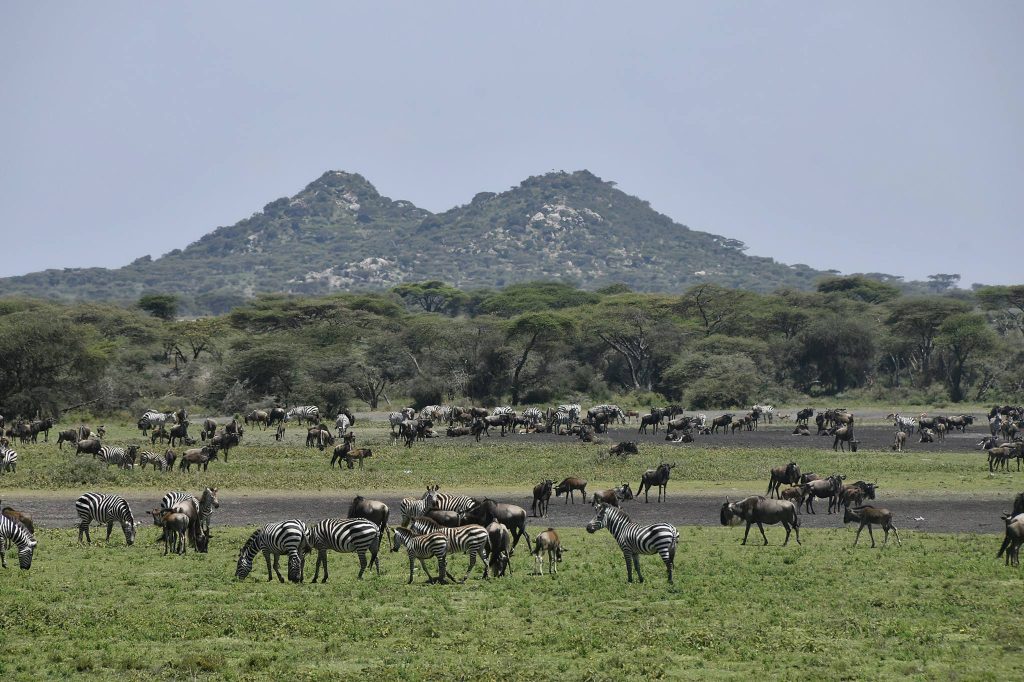
The Great Wildebeest Migration is one of Africa’s most remarkable wildlife spectacles. It involves approximately 1.5 million wildebeest, along with large numbers of zebras and gazelles, moving through the Serengeti-Mara ecosystem.
The journey covers hundreds of kilometers and exposes the animals to numerous challenges, including predators, changing weather conditions, and dangerous river crossings.
Lions, leopards, cheetahs, hyenas, and crocodiles take advantage of the enormous concentration of prey. This interaction between predators and migrating herds makes the migration particularly fascinating for wildlife enthusiasts.

Migration Safari in Tanzania
Tanzania is an excellent destination for witnessing the Great Migration because a large part of the journey takes place within the Serengeti ecosystem.
The country’s varied landscapes include open grasslands, rocky outcrops, woodlands, river valleys, and seasonal wetlands. These habitats support a remarkable diversity of wildlife throughout the year.
The main destinations for a migration safari in Tanzania include:
1. Serengeti National Park
Serengeti National Park is the heart of the Great Migration. Its expansive plains provide essential grazing areas for wildebeest and zebras, while its rivers and woodlands support numerous predators.
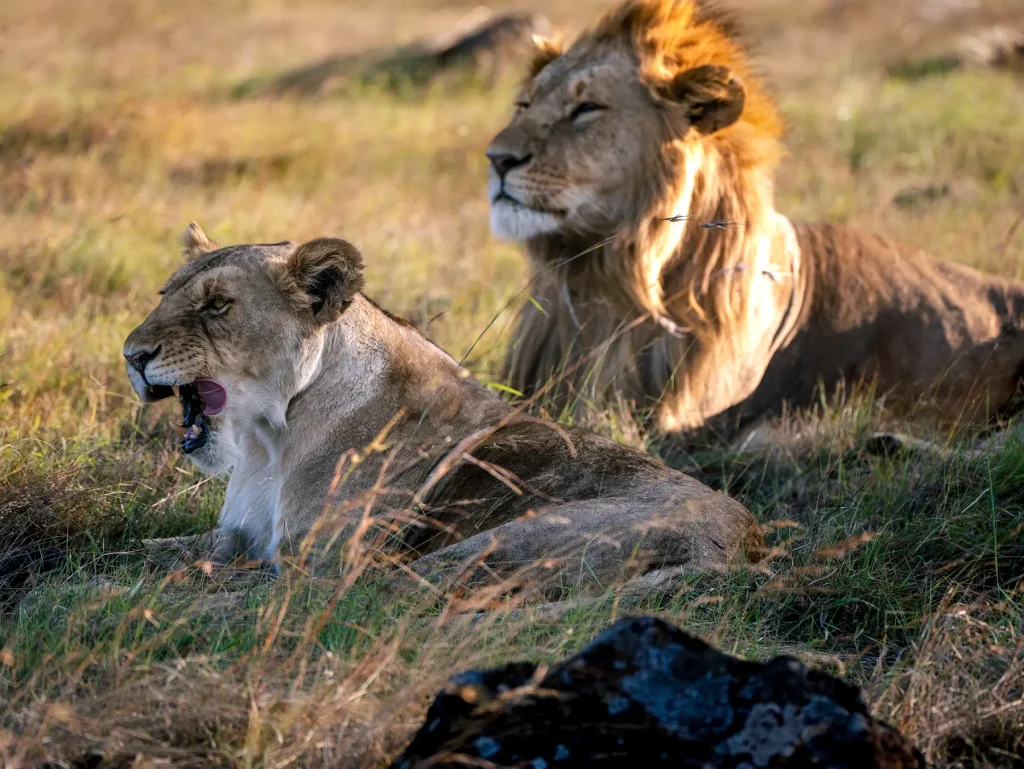
Visitors can enjoy game drives to observe migrating herds, lions resting in the grass, cheetahs hunting in open terrain, and elephants moving through wooded areas.
The Serengeti offers excellent wildlife viewing throughout the year, although the best area to visit depends on the migration’s seasonal movements.
2. Ndutu Region
The Ndutu region, located in the southern Serengeti ecosystem near the Ngorongoro Conservation Area, is particularly famous for the wildebeest calving season.
During approximately January to March, large numbers of wildebeest gather on nutrient-rich grasslands to give birth. Thousands of calves may be born on a busy day during the peak calving period.
This season attracts predators such as lions, cheetahs, leopards, and hyenas. It is an excellent time for visitors interested in wildlife photography, predator-prey interactions, and observing newborn animals.
3. Northern Serengeti
The northern Serengeti is famous for its seasonal migration herds and the dramatic Mara River crossings.
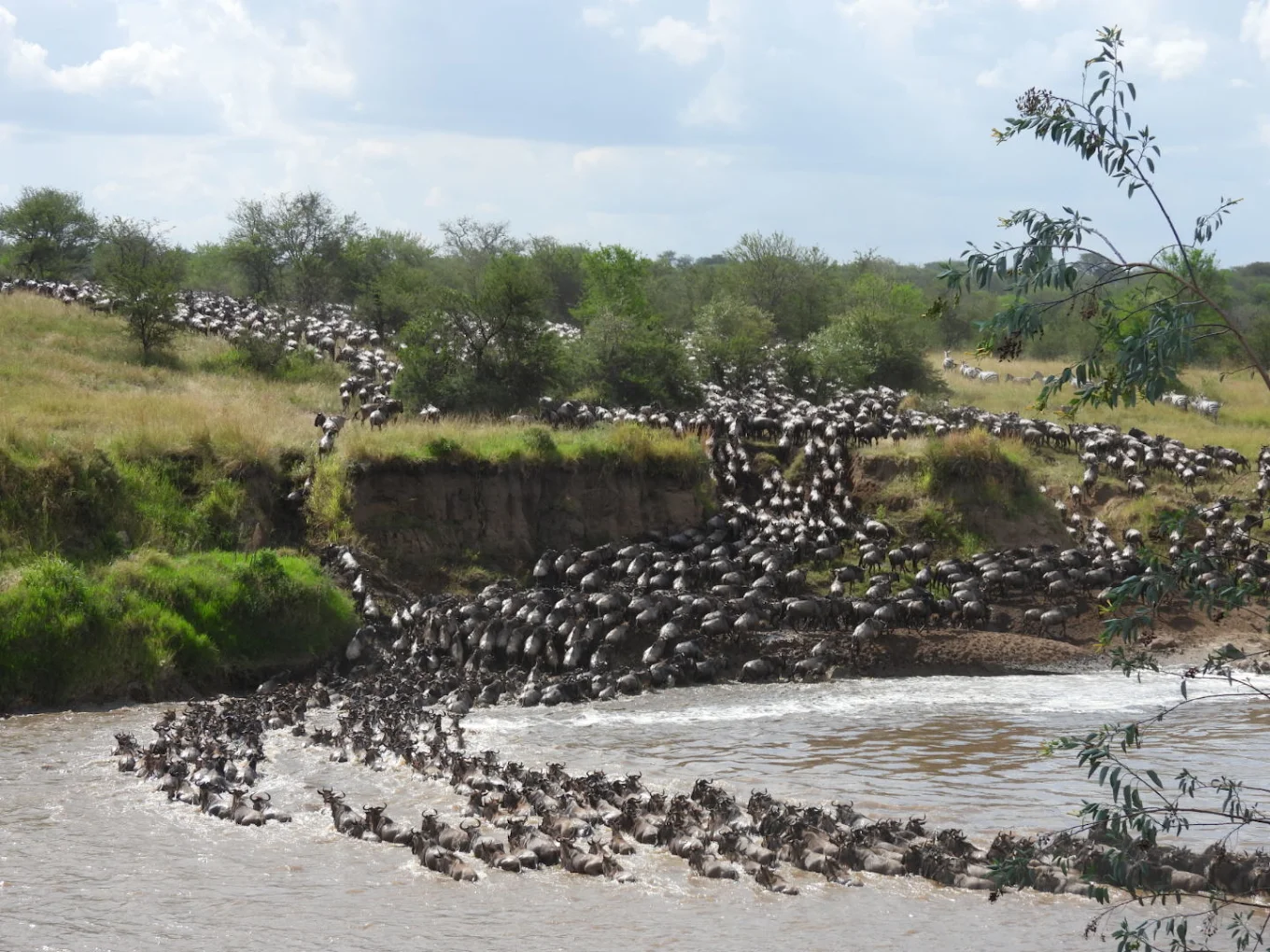
From around July to October, depending on rainfall and herd movements, large groups of wildebeest may gather near the river before attempting to cross into new grazing areas.
River crossings can be spectacular, but they are unpredictable. Animals may cross several times, wait for hours, or change direction entirely. Visitors should avoid expecting a guaranteed crossing on a specific day.
4. Central Serengeti
The central Serengeti is one of the park’s most productive wildlife-viewing areas. It supports resident populations of lions, leopards, elephants, giraffes, buffaloes, and many other species.
Although the migration moves between different regions, the central Serengeti can offer rewarding game drives throughout the year.
It is also a useful location for travelers who want to combine migration viewing with general wildlife experiences.
Migration Safari in Kenya
Kenya’s Maasai Mara National Reserve is another outstanding destination for experiencing the Great Migration.
During the migration season, large numbers of wildebeest and zebras move into the reserve from Tanzania in search of fresh grazing. The Mara’s open grasslands provide excellent opportunities to observe wildlife and photograph large herds.
The reserve is also known for its resident predators, including lions, cheetahs, leopards, and hyenas.
A migration safari in Kenya can include guided game drives, scenic views of the savannah, cultural visits to local Maasai communities, and stays in tented safari camps or comfortable lodges.
The best time to see the migration in the Maasai Mara is generally between July and October, although exact arrival and departure dates vary with rainfall and grazing conditions.
Best Time to Go on a Migration Safari
Choosing the right season is one of the most important parts of planning a migration safari. The ideal time depends on which stage of the migration you want to experience.
| Period | Best destination | What to experience |
|---|---|---|
| January–March | Ndutu and southern Serengeti | Calving season, newborn wildebeest, predator activity |
| April–May | Central and western Serengeti | Moving herds, green landscapes, seasonal rainfall |
| June–July | Western and northern Serengeti | Herd movements and possible Grumeti River crossings |
| July–October | Northern Serengeti and Maasai Mara | Large herds and possible Mara River crossings |
| November–December | Eastern and southern Serengeti | Returning herds and the beginning of the calving-season cycle |
These periods are approximate rather than fixed. Rainfall patterns vary from year to year, and the animals may arrive earlier or later than expected.
For the best experience, travelers should choose their safari dates according to the stage of the migration they hope to see and remain flexible when possible.
Top Experiences on a Migration Safari
A migration safari offers far more than watching animals move across the plains. It provides opportunities to explore African wilderness, observe animal behavior, and enjoy the natural beauty of the savannah.
1. Witnessing the Mara River Crossings
River crossings are among the most famous highlights of the Great Migration. Large herds may gather along the banks of the Mara River before moving through the water toward fresh grazing areas.
The crossings can be dramatic because the animals must navigate strong currents, steep riverbanks, and crocodile-filled waters.
However, these events are unpredictable. Spending several days in the northern Serengeti or Maasai Mara can improve your chances of witnessing a crossing, but no responsible safari operator can guarantee one.

2. Experiencing the Wildebeest Calving Season
The calving season is a wonderful time to visit the southern Serengeti and Ndutu region.
During this period, large numbers of wildebeest give birth within a relatively short time. The presence of newborn calves creates excellent opportunities for observing animal behavior and predator activity.
The green grasslands, dramatic skies, and abundant wildlife also make this season especially rewarding for photographers.
3. Photographing African Wildlife
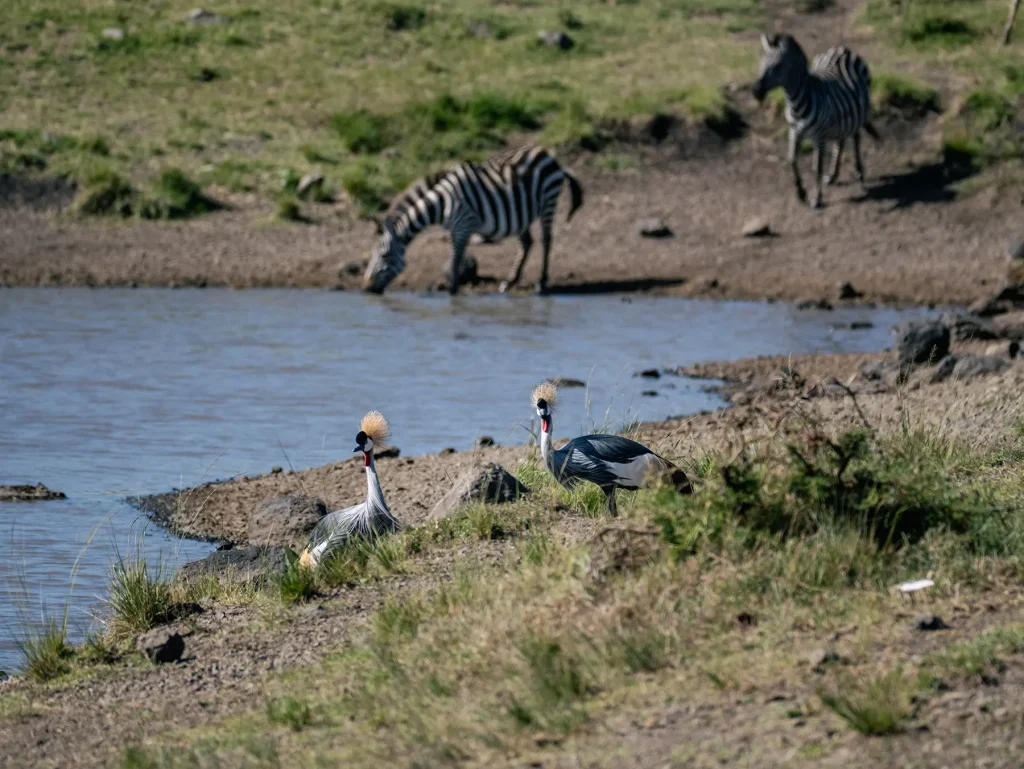
Migration safaris provide remarkable photographic opportunities. Visitors may capture vast herds stretching across the horizon, predators moving through tall grass, elephants silhouetted against the sunset, and zebras gathering near water sources.
For the best results, bring a camera with a suitable telephoto lens, extra batteries, and enough memory cards. Early mornings and late afternoons often provide attractive natural light and active wildlife.
Always follow your guide’s instructions and maintain a safe distance from animals.
4. Enjoying Sunrise and Sunset Game Drives
Early-morning and late-afternoon game drives are among the most enjoyable parts of an African safari.
At sunrise, the plains gradually come to life as animals begin feeding and predators return from their nighttime activities. In the evening, the changing colors of the sky create beautiful scenery across the savannah.
These drives also provide opportunities to see elephants, giraffes, buffaloes, antelopes, and many bird species.
5. Taking a Hot-Air Balloon Safari
A hot-air balloon safari offers a different perspective on the African wilderness. Floating above the plains at sunrise allows visitors to appreciate the scale of the landscape and, when conditions permit, observe wildlife from the air.
Balloon safaris are available in selected areas of the Serengeti and Maasai Mara. They usually require advance reservations and involve an additional cost.
Wildlife You Can See During a Migration Safari
The Great Migration is centered on wildebeest, but the surrounding ecosystem supports many other animals.
Wildebeest: These are the main animals involved in the migration. Their seasonal movements shape much of the wildlife activity across the Serengeti-Mara ecosystem.
Zebras: Zebras often travel alongside wildebeest, feeding on different grasses and contributing to the diversity of the migrating herds.
Gazelles: Thomson’s and Grant’s gazelles are commonly seen across the grasslands, although their movements do not always follow exactly the same routes as wildebeest.
Lions: Lions are among the most sought-after animals on safari. They often hunt in areas where prey is abundant.
Cheetahs: The open plains of the Serengeti and Maasai Mara provide suitable hunting grounds for cheetahs, which rely on speed to catch their prey.
Leopards: These elusive cats may be seen resting in trees or moving through riverine vegetation and woodland habitats.
Hyenas: Spotted hyenas are important predators and scavengers. They are frequently active around areas where migrating herds gather.
Elephants and giraffes: Although they are not the main migrating animals, elephants and giraffes are commonly encountered in suitable habitats throughout the ecosystem.
Birdlife is also abundant, with eagles, vultures, storks, ostriches, and many other species adding to the safari experience.
Where to Stay During a Migration Safari
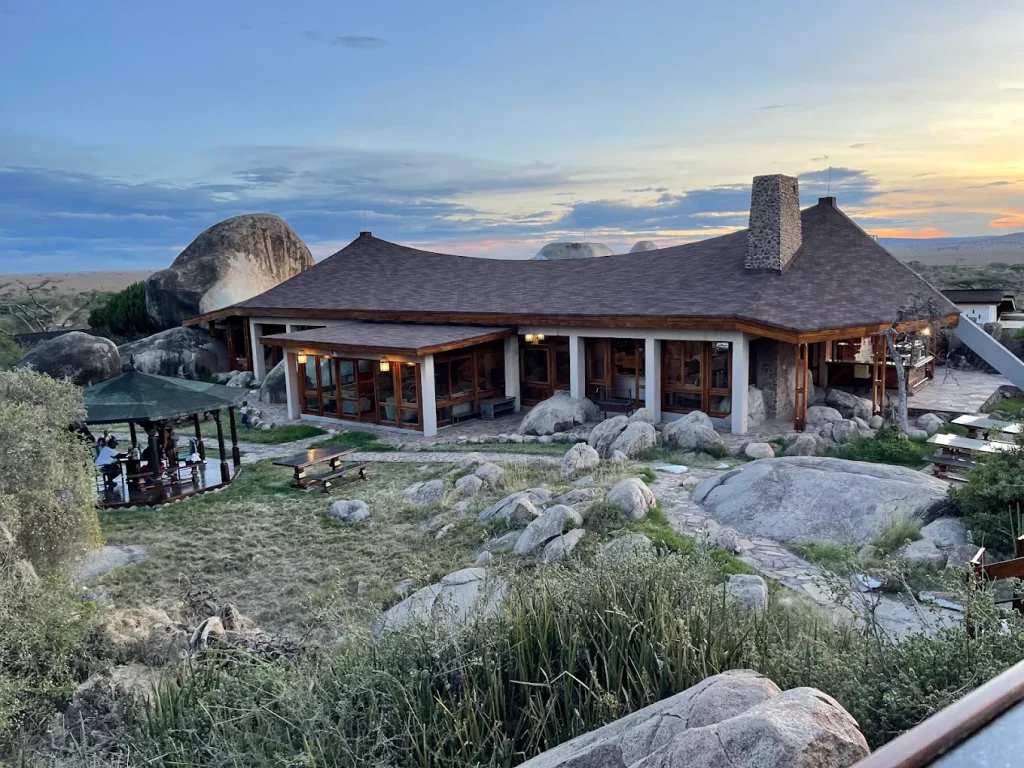
Choosing the right accommodation can make a significant difference to your migration safari.
Options range from simple campsites to luxury lodges and mobile tented camps. Your choice should depend on your budget, preferred comfort level, travel dates, and the location of the migrating herds.
Mobile Tented Camps
Mobile camps are designed to operate in different locations according to seasonal wildlife movements. They can be an excellent choice for travelers who want to stay close to the migration.
Some camps relocate during the year, while others operate from fixed seasonal sites. Availability and exact locations vary, so confirm the camp’s position before booking.
Luxury Safari Lodges
Luxury lodges provide comfortable rooms, quality dining, guided game drives, and additional amenities. They are suitable for travelers seeking a more relaxed safari experience.
Some lodges have swimming pools, private decks, and beautiful views of the surrounding landscape.
Midrange Safari Camps
Midrange camps offer a balance between comfort and cost. They commonly provide private tents or rooms, meals, and access to guided wildlife activities.
They are a good option for couples, families, and travelers who want a comfortable experience without choosing the most expensive accommodation.
Budget Camping
Budget camping can be a rewarding way to experience the wilderness at a lower cost. Depending on the itinerary, travelers may stay at designated campsites and use shared facilities.
This option is particularly suitable for adventurous visitors who prioritize wildlife viewing and outdoor experiences.
How to Plan a Successful Migration Safari
A well-planned safari helps you make the most of your time in Africa.
1. Choose the right travel dates. Decide whether you want to experience calving season, the movement through the western Serengeti, or possible Mara River crossings.
2. Select the correct safari region. The migration covers a large area. Staying in the right region for your travel dates is more useful than simply choosing the most famous park.
3. Book accommodation early. Popular camps and lodges can fill up well in advance, particularly during peak migration periods.
4. Choose an experienced safari operator. A knowledgeable operator can help plan routes, arrange accommodation, organize transport, and adjust the itinerary according to seasonal wildlife movements.
5. Allow enough time. A safari of five to seven days can provide a rewarding experience, while a longer trip may offer more flexibility to explore different regions.
6. Consider travel distances. Some destinations are far apart, and road transfers can take several hours. Domestic flights may save time, although they generally increase the overall cost.
7. Prepare for changing weather. Temperatures can vary between early mornings, afternoons, and evenings. Bring layered clothing, comfortable walking shoes for camp use, sun protection, and a light rain jacket when appropriate.
8. Follow wildlife safety rules. Remain inside the vehicle during game drives unless your guide indicates that it is safe to leave. Never approach, feed, or disturb wild animals.
Sample Seven-Day Tanzania Migration Safari Itinerary
A seven-day itinerary can combine the main migration areas with excellent general wildlife viewing. The best route depends on the month of travel.
Day 1: Arrival in Arusha
Arrive in Arusha, meet your safari team, and prepare for the journey. Depending on your arrival time, you may have time to relax or explore the town.
Day 2: Travel to the Serengeti
Travel to the Serengeti by road or scheduled flight, depending on your budget and itinerary. Enjoy an afternoon game drive if time allows.
Day 3: Full-Day Game Drive
Explore the relevant Serengeti region with an experienced guide. Search for migrating herds, lions, cheetahs, elephants, and other wildlife.
Day 4: Explore the Migration Area
Spend another day following the seasonal movement of the herds. During the calving season, focus on the southern plains and Ndutu. During the northern migration period, explore the northern Serengeti.
Day 5: Continue Wildlife Viewing
Enjoy a full day of game drives, photography, and wildlife observation. Your guide can adapt the route to recent animal sightings and local conditions.
Day 6: Ngorongoro Conservation Area
Travel toward the Ngorongoro Conservation Area. If your itinerary and timing permit, descend into the Ngorongoro Crater for a game drive to see its rich wildlife.
Day 7: Return to Arusha
Enjoy breakfast and return to Arusha for your onward journey or departure.
This is a sample itinerary rather than a fixed route. For a trip focused on the Mara River crossings, it is usually better to spend more time in the northern Serengeti instead of adding destinations that require long transfers. During the calving season, additional time in Ndutu may be more rewarding.

How Much Does a Migration Safari Cost?
The cost of a migration safari varies according to the travel season, accommodation, group size, transport arrangements, and number of days.
Budget camping trips generally cost less than luxury safaris. Private safaris offer greater flexibility but can be more expensive per person, while shared trips may help reduce costs.
When comparing safari packages, check whether the price includes:
- Park and conservation fees.
- Accommodation and meals.
- A professional driver-guide.
- A suitable safari vehicle.
- Airport transfers and domestic flights, where applicable.
- Drinking water during game drives.
- Government taxes and other applicable charges.
Optional activities, such as hot-air balloon safaris, travel insurance, tips, international flights, and some drinks, may cost extra.
For an accurate quotation, provide your travel dates, number of travelers, preferred accommodation level, and desired migration region. These details help a safari operator prepare a suitable itinerary and budget.
Responsible and Sustainable Migration Tourism
Responsible tourism helps protect wildlife and supports the communities living around protected areas.
Choose safari operators who follow park regulations, respect animal behavior, and prioritize the safety of both visitors and wildlife.
Avoid operators who promise guaranteed predator sightings or river crossings, encourage drivers to crowd animals, or allow visitors to disturb wildlife for photographs.
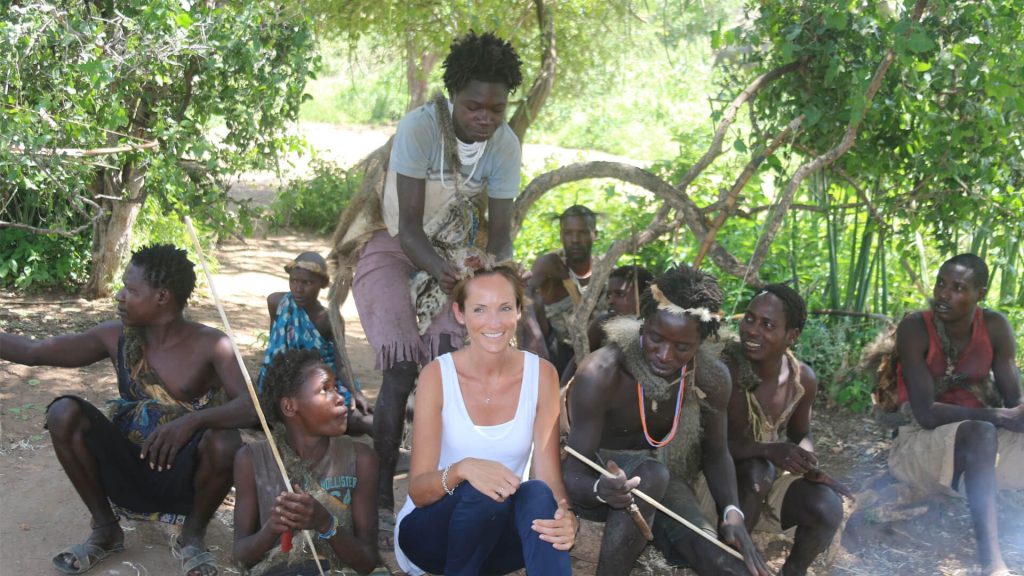
Travelers can also support local communities by choosing responsible accommodation providers, purchasing locally made crafts, and participating in respectful cultural experiences.
Protecting the Serengeti-Mara ecosystem is essential for the future of the migration. Sustainable tourism can help support conservation efforts while providing income and employment for people living in the region.
Why Choose a Migration Safari in East Africa?
East Africa offers an extraordinary combination of wildlife, landscapes, culture, and adventure.
A migration safari provides an opportunity to witness one of nature’s greatest journeys while exploring some of the continent’s most celebrated protected areas.
Tanzania is particularly attractive for travelers who want to experience the Serengeti, the Ndutu calving season, and the northern Serengeti’s seasonal herds. Kenya’s Maasai Mara offers another outstanding setting for wildlife viewing during the migration season.
Combining Tanzania and Kenya in one itinerary can provide a broader experience of the Serengeti-Mara ecosystem, although the additional travel time, border arrangements, and costs should be considered.
Whether you choose a budget camping safari, a comfortable midrange trip, or a luxury wildlife adventure, careful planning will help you enjoy the experience.

Conclusion
A migration safari is much more than a traditional wildlife holiday. It is an opportunity to witness the power of nature, observe remarkable animal behavior, and explore the spectacular landscapes of East Africa.
From the wildebeest calving season in Ndutu to the seasonal river crossings of the northern Serengeti and Maasai Mara, every stage of the migration offers something special.
The key to a successful trip is choosing the right destination for the season, allowing enough time for wildlife viewing, and traveling with an experienced safari operator who understands the region.
If you dream of seeing vast herds crossing the plains, watching predators in their natural habitat, and experiencing unforgettable African sunsets, a migration safari in Tanzania and Kenya is an adventure worth planning.