
The Ultimate Guide to Tanzania Safari Adventures
Introduction to Ngorongoro Crater Tours
Ngorongoro Crater Tours: The Ultimate Guide to Tanzania Safari Adventures. Ngorongoro Crater tours offer one of the most remarkable wildlife experiences in Tanzania. Located in the famous Ngorongoro Conservation Area in northern Tanzania, the crater is renowned for its breathtaking volcanic landscape, abundant wildlife, and excellent opportunities to observe animals in their natural environment.
The Ngorongoro Crater is the world’s largest intact, unfilled volcanic caldera. Its expansive floor contains open grasslands, woodland, wetlands, and a shallow alkaline lake, creating diverse habitats for wildlife. These landscapes make it one of the most rewarding destinations for travellers seeking an unforgettable African safari.
During a Ngorongoro Crater tour, visitors may encounter lions, elephants, buffaloes, zebras, wildebeest, hippos, hyenas, and the endangered black rhinoceros. The crater is also a wonderful destination for birdwatching, landscape photography, and learning about Tanzania’s natural and cultural heritage.
Whether you are planning a one-day excursion, a private luxury safari, a family holiday, or a multi-day wildlife adventure, Ngorongoro Crater tours offer a memorable way to discover the beauty of Tanzania.

Why Choose Ngorongoro Crater Tours?
Ngorongoro Crater is among the most popular destinations on Tanzania’s northern safari circuit. Its combination of spectacular scenery and diverse wildlife makes it suitable for many types of travellers.
1. Exceptional Wildlife Viewing
One of the main reasons travellers choose Ngorongoro Crater tours is the opportunity to see a wide variety of animals within a relatively compact area.
The crater floor supports resident wildlife throughout the year. During a game drive, visitors may see lions resting in the grass, elephants moving through woodland, and large herds of zebras and wildebeest grazing on the plains.
The crater’s different habitats also support buffaloes, gazelles, hyenas, hippos, and numerous bird species. With the help of an experienced safari guide, visitors can learn about animal behaviour and discover the relationships between predators, prey, and their environment.
Although wildlife sightings are never guaranteed, Ngorongoro offers excellent opportunities for a rewarding safari, even when you have limited time.

2. Opportunities to See the Big Five
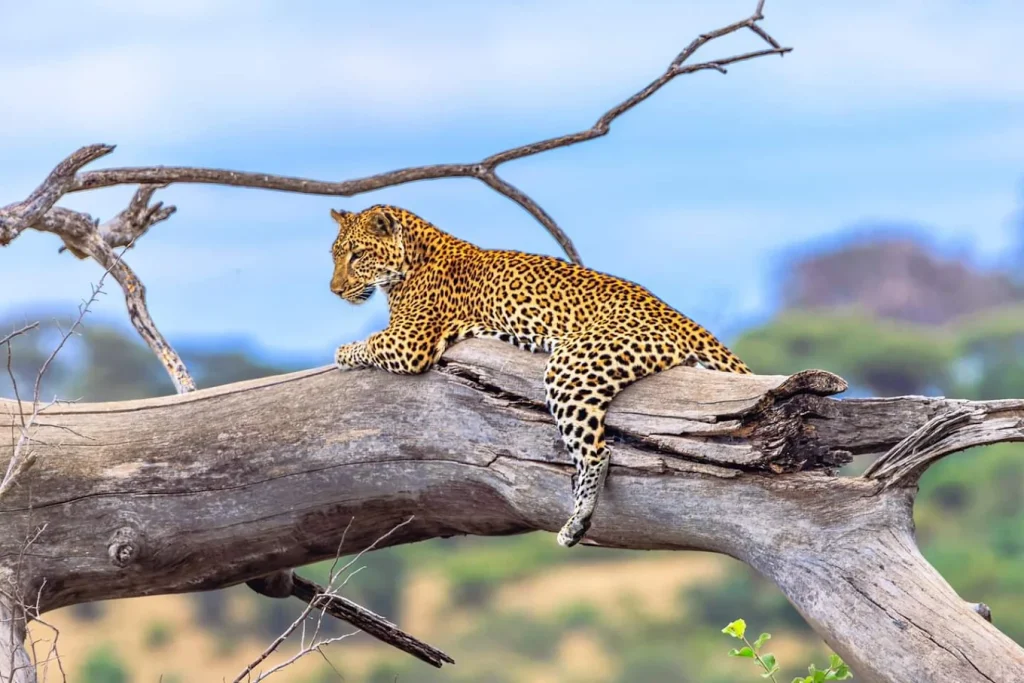
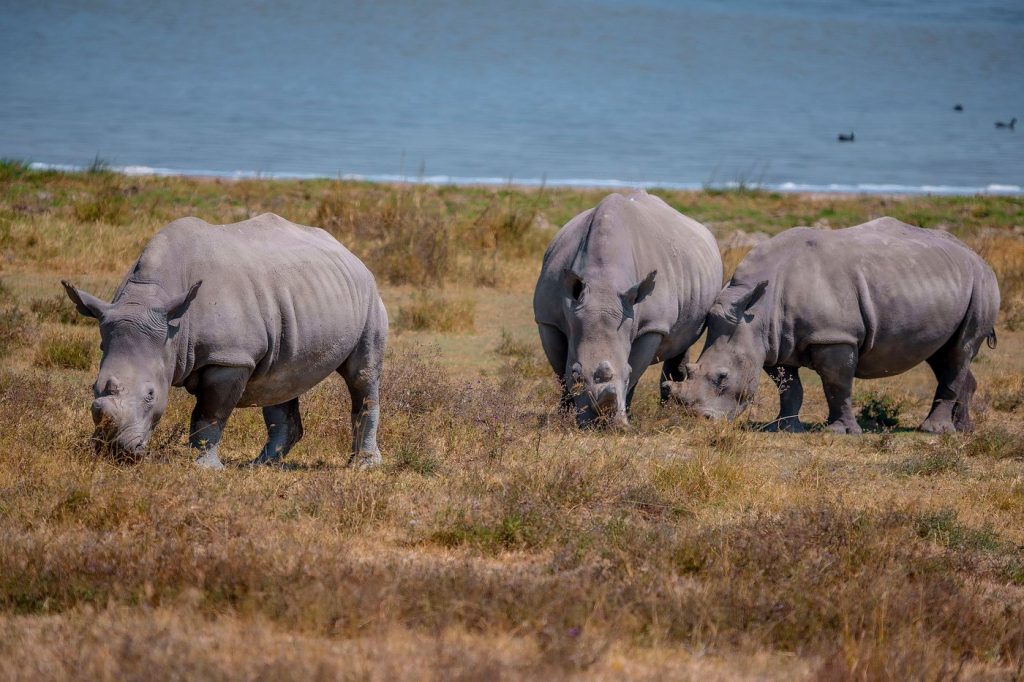
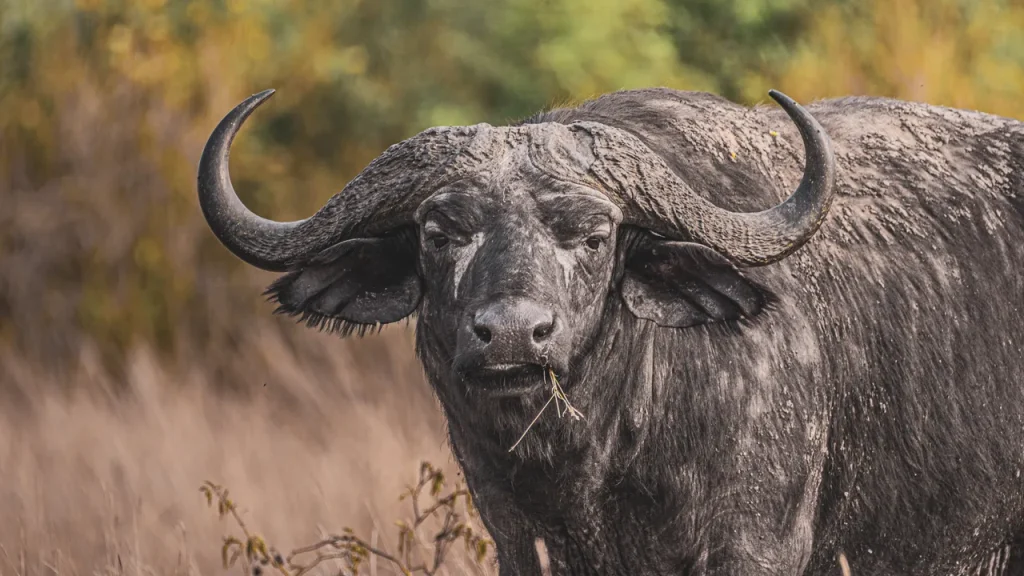
Ngorongoro Crater is a popular destination for travellers hoping to see the African Big Five: lions, leopards, elephants, buffaloes, and rhinoceroses.
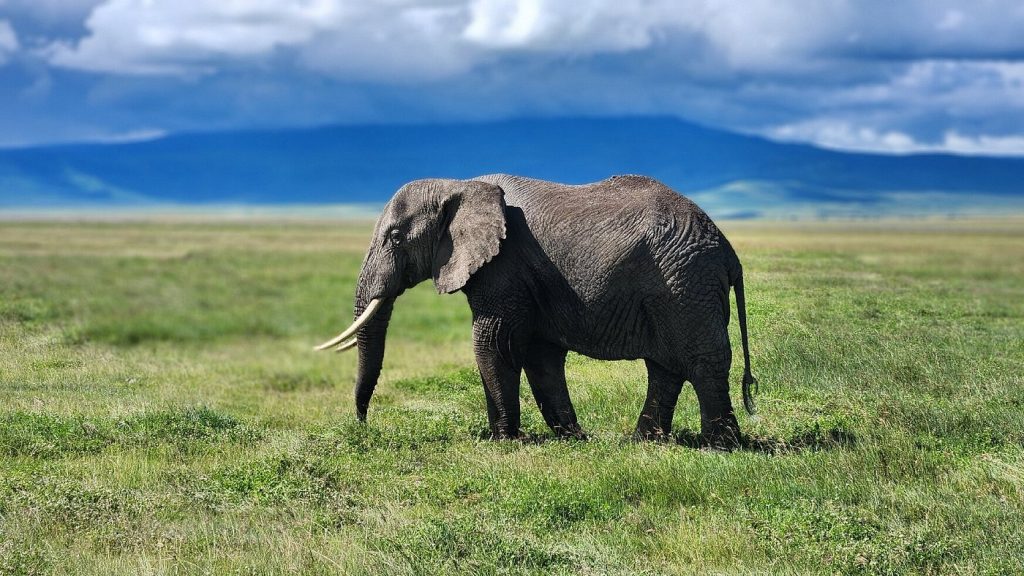
Lions are frequently encountered on the crater floor, while elephants may be seen in wooded areas. Buffaloes often gather in herds, and the endangered black rhinoceros is one of the most exciting animals to search for.
Leopards are more elusive and are not always seen during a game drive.
Seeing all five animals during a single visit is possible but cannot be guaranteed. Nevertheless, the crater’s remarkable wildlife diversity makes every game drive an exciting experience.

3. Beautiful Scenery and Panoramic Views
Ngorongoro Crater is famous for its dramatic landscape, which was formed when a large ancient volcano collapsed inward.
Today, the crater is surrounded by steep walls covered in vegetation, while its floor features open plains, small watercourses, wetlands, and patches of woodland.
Many tours include scenic viewpoints along the crater rim, where visitors can admire the enormous caldera and photograph the surrounding highlands.
The changing scenery creates a wonderful contrast between the misty forests above and the wildlife-rich plains below.
4. A Great Destination for Photography
Ngorongoro Crater tours are ideal for wildlife and landscape photography.
Visitors can photograph lions in the grass, elephants crossing the plains, zebras grazing in herds, and birds gathering around suitable wetland habitats. The crater rim also provides impressive panoramic views, especially when morning mist moves across the highlands.
For the best photographic opportunities, consider an early-morning game drive and bring binoculars, a camera with a zoom lens, and spare batteries.
Popular Types of Ngorongoro Crater Tours
There are several ways to explore Ngorongoro Crater, depending on your budget, available time, and preferred travel style.
1. One-Day Ngorongoro Crater Tour
A one-day Ngorongoro Crater tour is an excellent choice for travellers with limited time who still want to experience Tanzania’s famous wildlife.
The trip usually begins early in the morning, with a drive toward the Ngorongoro Conservation Area. After completing the necessary entry arrangements, visitors descend to the crater floor for a game drive.
During the day, you may encounter lions, elephants, buffaloes, zebras, wildebeest, and other wildlife. The itinerary typically includes a picnic lunch at an authorised location before the afternoon journey back to your accommodation.
A one-day tour is ideal for travellers staying in Karatu or visiting Ngorongoro as part of a northern Tanzania safari.
2. Two-Day Ngorongoro Crater Tour
A two-day tour allows you to explore the crater at a more relaxed pace and potentially enjoy additional attractions in the surrounding conservation area.
Depending on your itinerary, you may spend one day exploring the crater floor and use the additional time for scenic viewpoints, a guided nature walk in an authorised area, or a visit to another nearby attraction.
This option is suitable for couples, families, photographers, and travellers who prefer not to rush their safari experience.
3. Three-Day Ngorongoro Safari Tour
A three-day itinerary can combine Ngorongoro Crater with another destination on Tanzania’s northern safari circuit.
For example, you could visit Tarangire National Park, explore Ngorongoro Crater, and enjoy the landscapes around Lake Manyara National Park. The precise order depends on your arrival point, accommodation, and travel schedule.
This type of tour offers a broader wildlife experience by introducing you to different habitats and animal communities.
4. Ngorongoro and Serengeti Safari Tour
Combining Ngorongoro Crater with Serengeti National Park is an excellent option for travellers seeking a more comprehensive Tanzania safari.
Ngorongoro is known for its dramatic caldera and concentrated wildlife, while the Serengeti offers vast open plains, large predator populations, and the spectacular Great Wildebeest Migration.
A multi-day itinerary allows you to experience both destinations and explore their different landscapes.
If witnessing the migration is a priority, choose your travel dates and Serengeti accommodation according to the expected location of the herds.
5. Private Ngorongoro Crater Tours
Private tours offer a personalised safari experience with a dedicated vehicle and guide.
They are ideal for couples, families, small groups, and photographers who want greater flexibility over their schedule and wildlife-viewing interests.
A private tour can be customised to include specific accommodation, additional destinations, scenic stops, and other activities available in the conservation area.
Although private safaris generally cost more than shared tours, they provide greater control over the itinerary.
6. Luxury Ngorongoro Crater Tours
Luxury Ngorongoro tours combine wildlife viewing with high-quality accommodation, personalised service, and comfortable transport.
Depending on the package, visitors may stay in luxury lodges or tented camps near the crater rim or in the surrounding highlands.
These tours are well suited to honeymooners, couples celebrating special occasions, and travellers seeking a premium safari experience.
Luxury packages may include meals, private transfers, a dedicated guide, and selected additional experiences. Always confirm exactly which services are included before booking.
7. Budget Ngorongoro Crater Tours
Budget tours make the destination accessible to travellers who want to experience the crater without paying for luxury accommodation.
These packages may use shared safari vehicles, simpler lodges, campsites, or accommodation in nearby Karatu.
Joining a group can reduce the cost per person, while choosing practical accommodation can help keep the overall budget manageable.
When comparing budget packages, check whether park and conservation fees, meals, transport, accommodation, and other required charges are included in the advertised price.
Wildlife You Can See on Ngorongoro Crater Tours
The crater supports a diverse range of wildlife, making it a rewarding destination for nature lovers.
Lions
Lions are among the most frequently encountered predators in Ngorongoro Crater. Visitors may see them resting in the grass, moving across the plains, or interacting with other members of their pride.
Your guide can explain their social behaviour and hunting strategies while ensuring that the vehicle maintains a safe and respectful distance.
Elephants
Elephants are another important highlight. Large bulls may be seen feeding in wooded areas or walking across open ground.
Ngorongoro is particularly known for sightings of impressive male elephants with large tusks, although individual encounters depend on where the animals are moving.
Black Rhinoceros
The endangered black rhinoceros is one of the most exciting animals to look for during a crater tour.
Rhinos can be difficult to spot, but Ngorongoro is an important stronghold for this species. Observing one in the wild can be a memorable highlight of your safari.
Zebras and Wildebeest
Zebras and wildebeest are commonly seen grazing across the crater floor. They may form large groups on open plains, often alongside other herbivores.
Their presence also supports predators, creating opportunities to observe the interactions between different species.
Buffaloes and Hyenas
Buffaloes may be seen in large herds, while spotted hyenas can often be found moving through the grasslands or searching for food.
Both species play important roles in the ecosystem and provide interesting opportunities for wildlife observation.
Hippos and Birds
Wetland areas and water sources support hippos and many bird species. Lake Magadi, a shallow alkaline lake within the crater, can attract flamingos when conditions are suitable.
Birdwatchers may also encounter eagles, storks, ostriches, and other species across the wider conservation area.
Best Time to Book Ngorongoro Crater Tours
Ngorongoro Crater can be visited throughout the year, as many resident animals remain in the area in every season.
However, weather conditions, scenery, visitor numbers, and travel costs vary throughout the year.
June to October: Dry Season
June to October is one of the most popular periods for Ngorongoro Crater tours.
Rainfall is generally lower, and shorter grass can make wildlife easier to spot in many areas. These months are excellent for travellers who prefer relatively dry conditions and want to combine Ngorongoro with the Serengeti during the main migration season.
July, August, and September can be particularly busy, so booking accommodation and safari services in advance is recommended.
November to December: Short Rains
The short rains often bring fresh vegetation and greener landscapes to the conservation area.
This period can be attractive for photography and birdwatching, and occasional rain does not necessarily prevent a successful game drive.
January to March: Green Scenery and Wildlife Viewing
January to March can offer beautiful landscapes and rewarding wildlife viewing.
Travellers can also combine a Ngorongoro tour with a visit to the southern Serengeti or Ndutu area to experience the wildebeest calving season, which usually peaks in January and February.
April to May: Long Rains
April and May are generally wetter months. The scenery can be lush, and visitor numbers may be lower in some areas.
However, rain can affect road conditions and travel schedules. Check access conditions and accommodation availability when planning a safari during this period.
Sample Itinerary for a One-Day Ngorongoro Crater Tour
A one-day tour is a popular option for travellers who want to experience the crater in a limited amount of time.
Early Morning: Departure
Begin your journey early from your accommodation in Karatu or another suitable location.
Travel toward the Ngorongoro Conservation Area, enjoying the highland scenery along the way. Your guide will assist with the necessary entry arrangements before the descent.
Morning: Descend into the Crater
Descend toward the crater floor and begin your game drive.
Look for lions, elephants, buffaloes, zebras, wildebeest, and other animals as you explore the different habitats. Your guide will explain the area’s ecology and help identify wildlife along the route.
Midday: Picnic Lunch
Enjoy a picnic lunch at an authorised picnic site.
This is an opportunity to rest, take in the surroundings, and prepare for the afternoon’s wildlife viewing. Follow all site rules and never feed wild animals.
Afternoon: Continue the Game Drive
Continue exploring the crater floor, looking for animals that may not have appeared earlier in the day.
Depending on conditions, you may visit additional grasslands, wetlands, or suitable wildlife-viewing areas.
Late Afternoon: Return to Accommodation
After the game drive, ascend from the crater and return to your accommodation.
The exact timing depends on park regulations, travel distances, road conditions, and the schedule arranged by your safari operator.
Other Attractions to Include in Your Ngorongoro Tour
Ngorongoro Crater is the area’s main attraction, but the wider conservation area offers additional experiences.
Olduvai Gorge
Olduvai Gorge is an important archaeological site associated with discoveries that have contributed to our understanding of early human evolution.
A visit can provide insight into the area’s scientific significance and the history of human origins.
Empakaai Crater
Empakaai Crater is known for its scenic volcanic landscape, forested slopes, and lake. Guided walks offer a different way to explore the conservation area’s highlands.
Activities should be arranged with authorised guides and according to current regulations.
Olmoti Crater
Olmoti Crater offers scenic views, vegetation, and opportunities for guided nature walks. It can be a good addition for travellers who want to experience more than traditional game drives.
Maasai Cultural Experiences
The Ngorongoro Conservation Area is home to Maasai communities with longstanding pastoral traditions.
Where authorised visits are available, travellers can learn about local culture, livestock keeping, crafts, and community life.
Arrange cultural experiences respectfully, follow local guidance, and ask permission before taking photographs.
How to Get to Ngorongoro Crater
Most Ngorongoro Crater tours begin in Arusha, a major hub for northern Tanzania safaris, or in nearby Karatu.
Travellers generally reach the conservation area by road using a safari vehicle. The journey from Arusha takes several hours, depending on the route, traffic, stops, and accommodation location.
Some travellers choose domestic flights to suitable airstrips serving the wider safari region, followed by a road transfer. The best option depends on your itinerary and budget.
A suitable 4×4 safari vehicle is generally used for crater game drives. Booking through an experienced operator helps coordinate transport, guides, accommodation, and park entry arrangements.
Accommodation Options for Ngorongoro Crater Tours
Accommodation ranges from budget lodges and campsites to comfortable tented camps and luxury properties.
Budget Accommodation
Budget lodges and campsites can help reduce the total cost of your trip. Some options are located in Karatu, which serves as a convenient base for exploring the conservation area.
Midrange Accommodation
Midrange lodges and tented camps offer a balance between comfort, service, and price. They are a popular choice for couples, families, and small groups.
Luxury Accommodation
Luxury lodges and tented camps may provide panoramic views, spacious rooms, excellent dining, and personalised service.
Some properties are situated near the crater rim, allowing visitors to enjoy the dramatic highland scenery.
When choosing accommodation, compare the distance to the crater, included meals, transport arrangements, seasonal rates, and the services covered by your safari package.
What to Pack for Ngorongoro Crater Tours
The crater rim can be chilly in the early morning and evening, while conditions on the crater floor may be warmer.
Consider packing:
- Warm clothing and a lightweight jacket.
- Comfortable trousers and walking shoes.
- A hat and sunglasses.
- Sunscreen and insect repellent.
- Binoculars and a camera.
- Spare batteries or a power bank.
- Drinking water and personal medication.
- A waterproof jacket during rainy periods.
Neutral-coloured clothing is practical for safari travel. A small day bag is also useful for keeping your essential items organised during game drives.
How Much Do Ngorongoro Crater Tours Cost?
The cost of Ngorongoro Crater tours depends on several factors, including the length of the safari, group size, accommodation category, transport arrangements, and time of year.
Budget tours generally use shared transport and simpler accommodation, while private and luxury tours provide more personalised services at a higher price.
When comparing safari packages, check whether the following are included:
- Ngorongoro conservation and crater access fees.
- Safari vehicle and professional guide.
- Accommodation and meals.
- Airport or hotel transfers.
- Drinking water during game drives.
- Additional activities and applicable local charges.
Ask for a written quotation that clearly identifies included services and exclusions. This helps you compare different operators fairly and avoid unexpected expenses.
Tips for Choosing the Best Ngorongoro Crater Tour
Choose a reputable safari operator. Look for clear itineraries, transparent pricing, experienced guides, and appropriate vehicle arrangements.
Select the right tour duration. A one-day trip suits travellers with limited time, while longer tours allow you to explore more destinations.
Book accommodation early. Popular properties can become fully booked during peak travel periods.
Start your game drive early. An early departure provides more time for wildlife viewing and helps you make the most of your day.
Compare packages carefully. A low advertised price may exclude important fees, meals, or transfers.
Respect wildlife and local communities. Follow your guide’s instructions, maintain safe distances from animals, and arrange cultural visits through appropriate channels.
Combine destinations strategically. Consider adding the Serengeti, Tarangire, or Lake Manyara to create a broader northern Tanzania safari.
Conclusion: Experience the Best of Tanzania with Ngorongoro Crater Tours
Ngorongoro Crater tours offer an unforgettable combination of wildlife, volcanic scenery, photography opportunities, and cultural experiences. The crater’s remarkable concentration of resident animals makes it one of the most rewarding destinations for travellers exploring northern Tanzania.
Whether you choose a one-day game drive, a private safari, a luxury getaway, or a multi-day adventure combining Ngorongoro with the Serengeti, there are options to suit different interests and budgets.
The best tour is one that matches your travel dates, preferred accommodation, available time, and wildlife interests. With careful planning and an experienced guide, a visit to Ngorongoro Crater can become a highlight of your African safari holiday.