Safari Holidays and Adventure. Winston Churchill called Uganda the “Pearl of Africa,” and one visit shows why. Within a single country you can track mountain gorillas through misty forest, watch lions sleep in fig trees, cruise past hippos and crocodiles, raft the world’s longest river, and hike toward snow-capped peaks on the equator.
Uganda is also less crowded than many better-known safari destinations, so you get more wildlife and fewer minibuses. This guide shares practical insights on where to go, what to do, when to travel and how to plan, so you can build a safari holiday that fits your interests and budget.
Why Choose Uganda for a Safari Holiday?
- Remarkable variety: Savanna, rainforest, wetlands, lakes, volcanoes and mountains all sit within a few days’ drive of each other.
- Primates: Uganda is one of very few places on earth where you can trek mountain gorillas and also track chimpanzees.
- Birdlife: With over a thousand recorded species, it is one of Africa’s top birding countries.
- Adventure: Rafting, kayaking, hiking, cycling and boating are available alongside traditional game drives.
- Warm welcome: Ugandans are known for their hospitality, and community experiences are an easy way to meet local people.
- Fewer crowds: Even in popular parks, sightings often feel private and unhurried.
Uganda’s Top Safari Destinations
Bwindi Impenetrable National Park: Gorilla Trekking
Bwindi is home to roughly half of the world’s remaining mountain gorillas. Treks take you through dense, steep forest with trained trackers and guides, and the reward is up to an hour in the presence of a gorilla family.
What to expect:
- Treks can last from one hour to most of a day, depending on where the gorillas are that morning.
- Terrain is steep and often muddy, so good boots, gloves and long sleeves matter.
- Permits are limited and must be booked in advance through the Uganda Wildlife Authority or a licensed operator. Prices change, so confirm current rates.
- Porters can be hired locally. They help carry your bag and support community livelihoods.
Mgahinga Gorilla National Park
Smaller and quieter than Bwindi, Mgahinga sits among the Virunga volcanoes. Besides gorilla trekking, you can track golden monkeys and hike volcano summits.
Queen Elizabeth National Park
This is Uganda’s classic savanna park, with elephants, buffalo, antelope, hippos and lions.
Highlights:
- Kazinga Channel boat cruise: Hippos, buffalo, elephants and waterbirds gather along the banks.
- Ishasha sector: Famous for tree-climbing lions that rest in fig trees.
- Crater lakes and scenic drives: The surrounding landscape is spectacular.
Murchison Falls National Park
Uganda’s largest park is divided by the Nile, which forces itself through a narrow gorge to create the thundering Murchison Falls.
Highlights:
- Game drives north of the river for giraffes, lions, elephants and buffalo
- A boat trip up the Nile to the base of the falls
- A hike to the top of the falls for dramatic views
- Possible sightings of the rare shoebill stork in nearby wetlands
Kibale Forest National Park: Chimpanzee Tracking
Kibale has one of the highest concentrations of primates in Africa. Chimpanzee tracking is the main draw, but you may also see colobus monkeys, red-tailed monkeys and a wide range of birds. Habituation experiences let you spend longer with the chimpanzees, which suits keen photographers and wildlife enthusiasts.
Kidepo Valley National Park
Remote and wild, Kidepo in the far northeast is often described as one of Africa’s most beautiful parks. Expect wide open savanna, rugged mountains and wildlife such as lions, cheetahs, giraffes and buffalo. It takes more time to reach, but visitors rarely forget it.
Lake Mburo National Park
Close to the Kampala to southwest route, Lake Mburo is an easy stopover. It offers zebras, impalas, elands and giraffes, plus walking safaris, horseback safaris, boat rides and cycling in designated areas.
Rwenzori Mountains National Park
For hikers, the “Mountains of the Moon” offer glaciers, alpine meadows and dramatic scenery. Multi-day treks are demanding, but shorter hikes introduce the area’s unusual giant lobelias and heathers.
Semuliki National Park
A lowland rainforest on the border with the Democratic Republic of the Congo, Semuliki is excellent for birders and offers hot springs and species found nowhere else in Uganda.
Adventure Experiences Beyond the Parks
Jinja: Adventure Capital
At the source of the Nile, Jinja offers white water rafting, kayaking, quad biking, horseback riding, bungee jumping and relaxed sunset cruises. It is easy to reach from Kampala and works well as a first or last stop.
Lake Bunyonyi
Terraced hills and calm waters make Bunyonyi a refreshing break after gorilla trekking. Try canoeing, swimming, birdwatching and village walks.
Cycling and Hiking
From forest tracks around Mabira to the slopes of Mount Elgon and the crater lakes near Fort Portal, Uganda is excellent for active travellers. Guided rides and walks add local insight and keep you on safe routes.
Cultural Experiences
Community visits, craft markets, traditional music and dance, and visits to local farms and homes add depth to a wildlife trip. Choose community-run activities so your spending supports local people directly.
The Best Time to Visit Uganda
Uganda sits on the equator, so temperatures are fairly consistent year-round. Rainfall is what changes.
| Season | Months (approximate) | What to expect |
|---|---|---|
| Main dry season | June to August | Easier trekking, good game viewing, higher demand |
| Short dry season | December to February | Warm, dry, excellent for wildlife and birding |
| Wet seasons | March to May, September to November | Lush scenery, fewer visitors, muddy trails and some road challenges |
Insight: Gorilla trekking is possible all year, but dry periods make the trails easier. Wet-season travel can mean better value, greener landscapes and excellent birding, as long as you pack properly and allow flexibility.
Sample Itineraries
5-Day Highlights Safari
- Day 1: Depart Kampala for Murchison Falls
- Day 2: Morning game drive, afternoon Nile boat cruise
- Day 3: Hike to the top of the falls, then drive toward Kampala or Jinja
- Day 4: Adventure day in Jinja, with rafting or a source-of-the-Nile cruise
- Day 5: Return to Kampala or Entebbe
8-Day Primates and Savanna Safari
- Day 1: Kampala to Kibale Forest
- Day 2: Chimpanzee tracking, then a community or crater lake visit
- Day 3: Travel to Queen Elizabeth National Park
- Day 4: Game drive and Kazinga Channel cruise
- Day 5: Drive through Ishasha for tree-climbing lions, then on to Bwindi
- Day 6: Gorilla trekking
- Day 7: Relax at Lake Bunyonyi
- Day 8: Return to Kampala, stopping at Lake Mburo if time allows
10-Day Ultimate Uganda
Combine the routes above, add Kidepo Valley or the Rwenzori Mountains, and build in rest days. Longer trips reduce time spent driving each day and give you flexibility if weather shifts your plans.
Choosing How to Travel
Guided Safari with a Driver-Guide
Most visitors choose this option. A professional driver-guide handles roads, finds wildlife, explains behaviour and ecology, and manages park entry. It is easy, safe and often better value than it looks.
Self-Drive
Possible for experienced drivers, but distances are long and road conditions vary. Uganda drives on the left, and national park roads can be rough. A 4×4 is strongly recommended.
Group Departures vs Private Tours
Group trips lower the cost per person. Private tours give you control over pace, accommodation and activities, which suits families, couples and photographers.
Choosing a Vehicle
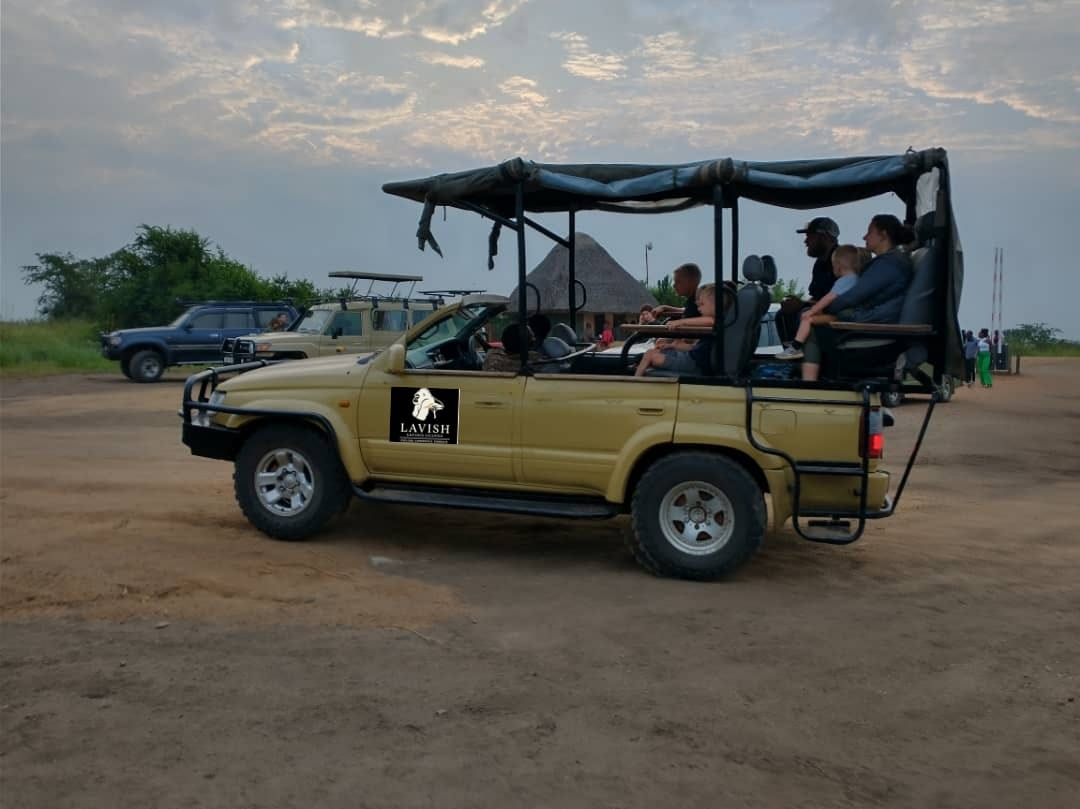
A 4×4 safari vehicle with a pop-up roof is the standard choice for wildlife viewing. Make sure everyone has a window seat, the vehicle has charging points, and there is enough space for luggage and camera gear.
Accommodation Options – Safari Holidays and Adventure
Uganda has something for every budget.
- Luxury lodges: Spectacular views, excellent food and personalised service.
- Mid-range lodges and tented camps: Comfortable and well located, often the best balance of value and experience.
- Budget camps and guesthouses: Clean, simple and friendly, ideal for backpackers and tight budgets.
- Community and eco-lodges: Support conservation and local communities directly.
Tip: Book early for gorilla trekking dates, since lodges near Bwindi fill quickly during peak months.
Practical Information for Visitors – Safari Holidays and Adventure
Health and Vaccinations
- A yellow fever vaccination certificate is commonly required for entry, so confirm current rules before travelling.
- Speak to a travel clinic about malaria prevention and other recommended vaccinations.
- Drink bottled or treated water, and carry insect repellent.
- Take out comprehensive travel insurance that covers medical evacuation and adventure activities.
Visas and Entry
Most visitors need a visa, which can usually be arranged online in advance. Requirements change, so check the official immigration website before you travel.
What to Pack – Safari Holidays and Adventure
- Lightweight, neutral-coloured clothing, plus warm layers for cool mornings and highland evenings
- Waterproof jacket, sturdy hiking boots and gloves for gorilla trekking
- Hat, sunglasses and sunscreen
- Binoculars and a camera with a zoom lens
- Power bank and universal adapter
- Reusable water bottle and small first aid kit
- Small notes in local currency for tips and small purchases
Money and Connectivity
Cash is useful outside towns, and many lodges accept cards. Mobile coverage is good in towns but patchy in remote areas, so download maps and entertainment before you go.
Responsible and Sustainable Travel – Safari Holidays and Adventure
Tourism supports conservation and communities in Uganda, so how you travel matters.
- Keep your distance from wildlife and follow your guide’s instructions.
- Do not litter, and take plastic waste back out of the parks.
- Choose operators and lodges that employ and train local people.
- Buy crafts directly from artisans and community cooperatives.
- Ask before photographing people, and respect local customs.
- Follow gorilla health rules. If you are unwell, say so, as these animals are vulnerable to human illnesses.
Frequently Asked Questions – Safari Holidays and Adventure
Is Uganda safe for tourists?
Uganda is generally welcoming and popular with visitors. As anywhere, use common sense, travel with a reputable operator and check current government travel advice before you go.
How many days do I need for a Uganda safari?
Five days covers one or two highlights, while eight to ten days lets you combine primates, savanna and adventure activities at a comfortable pace.
How fit do I need to be for gorilla trekking?
Moderate fitness helps. Treks can be steep and humid, but porters and slow-paced guides make the experience accessible to many people.
Can I combine a safari with a relaxing break?
Yes. Lake Bunyonyi, Lake Victoria beaches and lodges around Entebbe and Jinja are perfect for unwinding between activities.
Do I need to book in advance?
Yes, especially for gorilla permits, popular lodges and peak seasons.
Is Uganda suitable for families?
Many lodges and activities welcome families, though minimum age limits apply to gorilla and chimpanzee trekking, so confirm with your operator.
Final Thoughts – Safari Holidays and Adventure
Best Safari Holidays. A Uganda safari is more than a wildlife trip. It is a journey through forests, savannas, rivers and mountains, shared with warm people and some of the planet’s most extraordinary animals. Whether you come for gorillas, game drives, rafting or all three, planning ahead, travelling responsibly and choosing a knowledgeable local operator will turn a good holiday into a great one.