A Complete Guide to Tanzania’s Greatest Wildlife Spectacle
Introduction to the Serengeti Great Migration Safari
Serengeti Great Migration Safari: A Complete Guide to Tanzania’s Greatest Wildlife Spectacle. A Serengeti Great Migration safari is one of the most extraordinary wildlife adventures you can experience in Africa. Located in northern Tanzania, Serengeti National Park is famous for its endless savannah plains, abundant wildlife, dramatic predator encounters, and the spectacular movement of millions of animals across the Serengeti–Mara ecosystem.
The Great Wildebeest Migration is a natural cycle in which enormous herds of wildebeest, zebras, and gazelles move across the landscape in search of fresh grass and water. Their journey attracts predators such as lions, leopards, cheetahs, and hyenas, creating remarkable wildlife-viewing opportunities throughout the year.
According to Tanzania National Parks, the migration involves more than 1.5 million wildebeest and zebras moving through this remarkable ecosystem. The spectacle is not limited to one location or month. Instead, it unfolds throughout the year as the herds respond to rainfall, grazing conditions, and water availability.
Whether you want to witness newborn wildebeest calves, photograph enormous herds crossing open plains, or experience the famous Mara River crossings, a well-planned Serengeti Great Migration safari offers an unforgettable journey into the heart of the African wilderness.
What Is the Great Wildebeest Migration?
The Great Wildebeest Migration is the annual movement of large herds of wildebeest, accompanied by zebras and gazelles, across the Serengeti ecosystem in Tanzania and the Maasai Mara in Kenya.
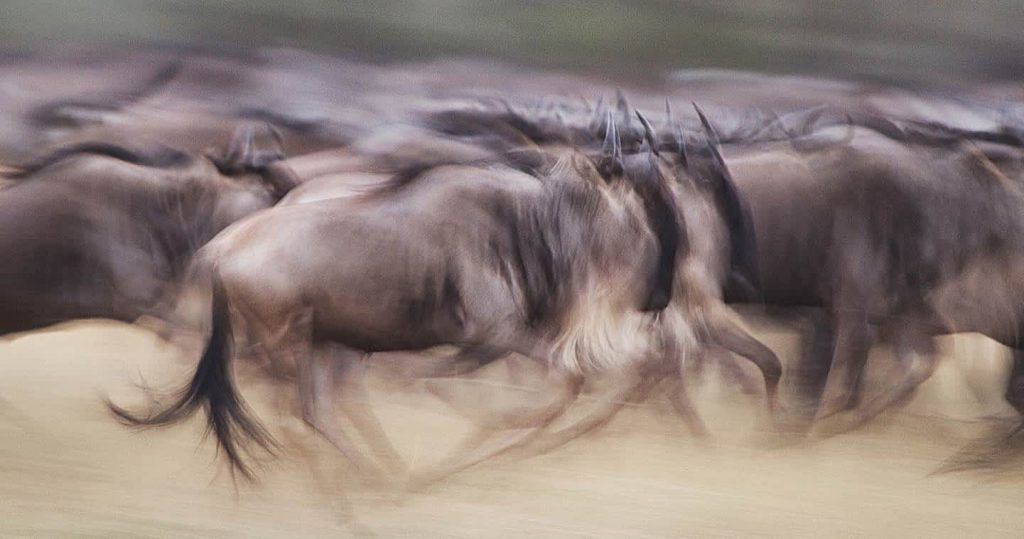
The animals travel in search of fresh grazing and water, following seasonal rainfall patterns. Their journey covers vast distances and involves changing landscapes, challenging river crossings, and encounters with predators.
Although wildebeest are the main animals associated with the migration, zebras and gazelles also play an important role in this natural spectacle. Together, these herbivores form enormous herds that move across grasslands, woodlands, and river valleys.
The migration is especially fascinating because it demonstrates the relationship between wildlife, weather, and the environment. Rainfall determines where fresh grass grows, the herds follow available food, and predators follow the animals.
For travellers, this creates different safari experiences depending on the season and the region visited.
Why Choose a Serengeti Great Migration Safari?
1. Witness Millions of Migrating Animals
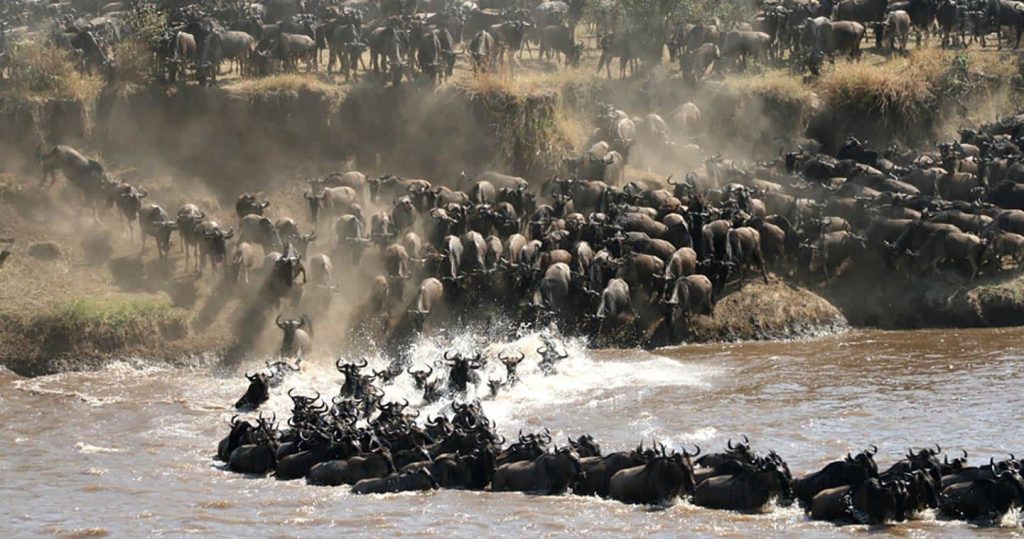
The most remarkable attraction of a Serengeti Great Migration safari is the opportunity to observe vast herds of wildebeest moving across the plains.
During certain periods, the grasslands appear to stretch endlessly with animals grazing, walking, and gathering in large groups. Zebras often travel alongside wildebeest, creating spectacular scenes for wildlife enthusiasts and photographers.
Watching the herds move across the open savannah provides a deeper appreciation of the scale of Africa’s natural ecosystems.
2. Experience the Famous Mara River Crossings
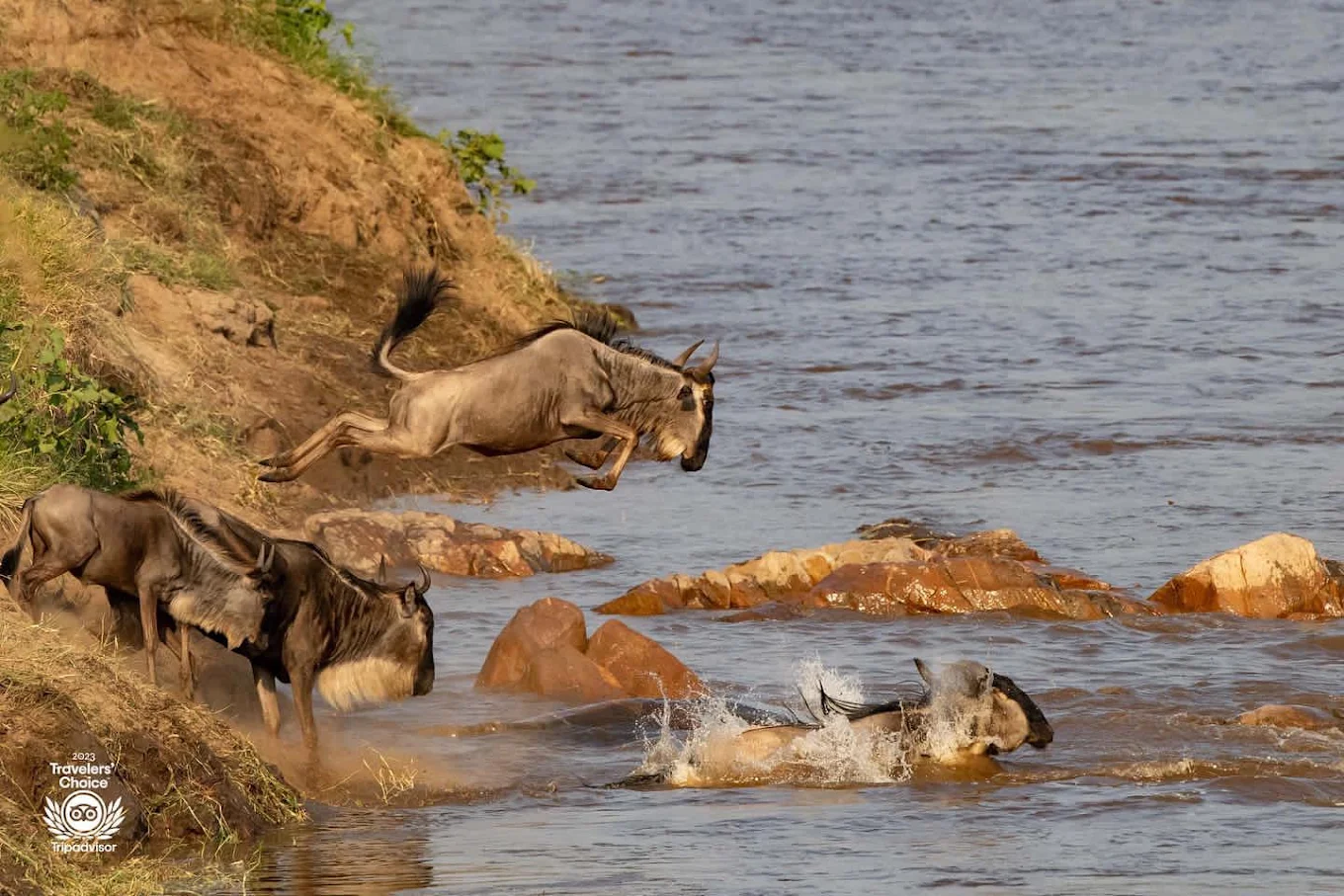
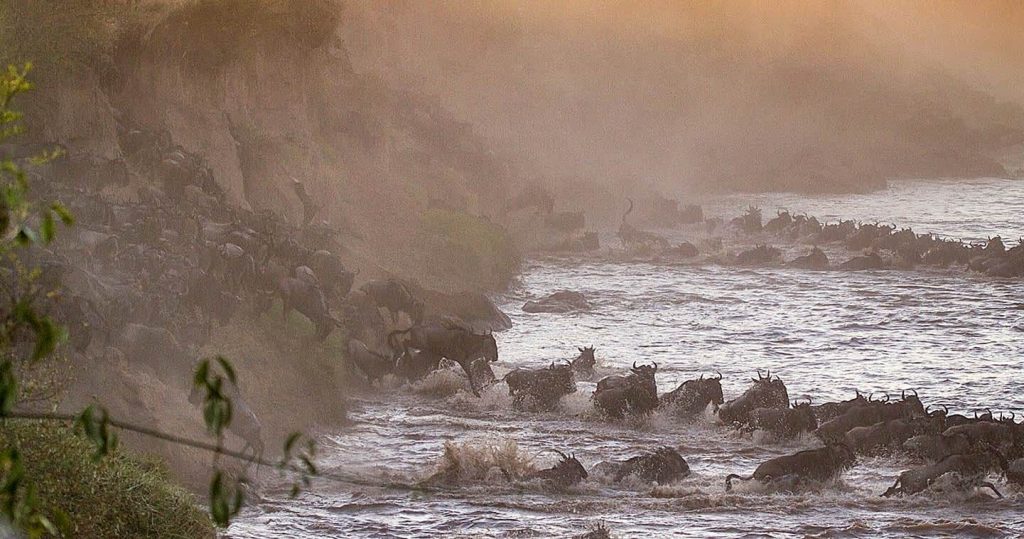
The Mara River crossings are among the most anticipated events of the Great Migration. They usually occur during the northern migration period, when herds gather near the river as they move between Tanzania’s Serengeti and Kenya’s Maasai Mara.
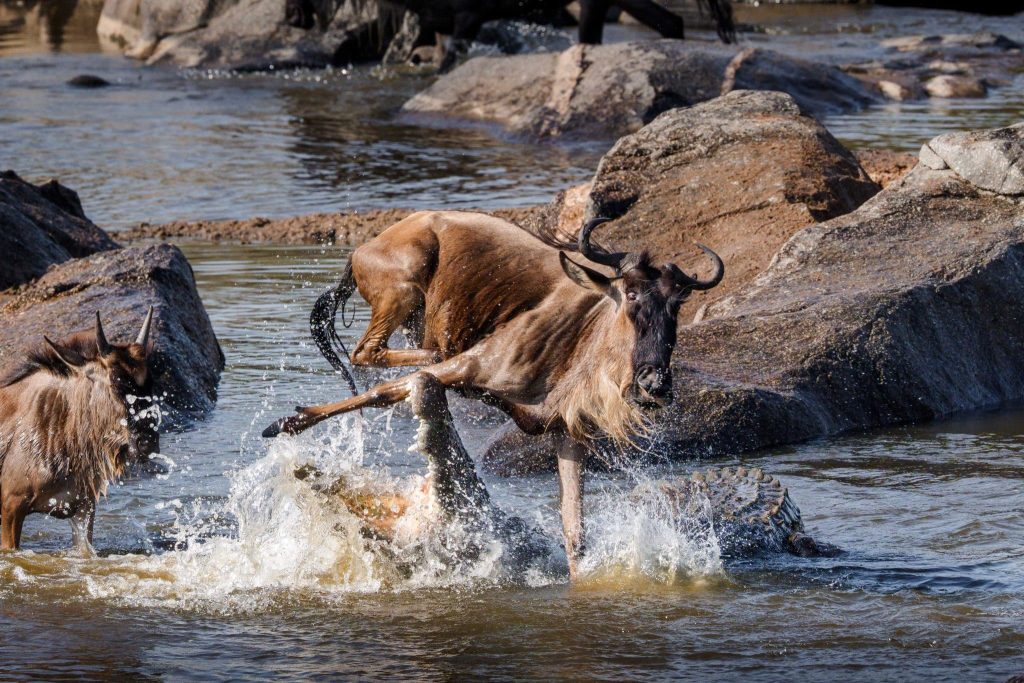
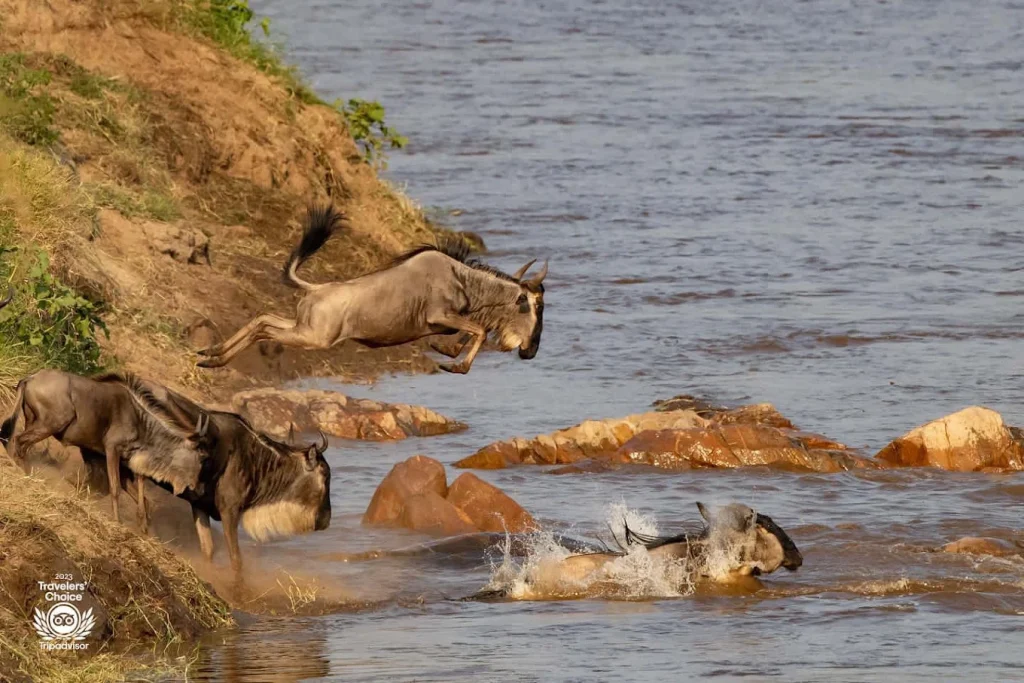
The crossings can be dramatic. Wildebeest may gather along the riverbanks before entering the water, where strong currents and crocodiles present serious dangers.
However, these events are unpredictable. Herds may wait for hours or days, change direction, or cross at another location. A safari focused on river crossings therefore requires patience, sufficient time, and an experienced guide.
Even when a crossing does not occur during your visit, the northern Serengeti offers excellent opportunities to see wildlife and appreciate its remote, beautiful landscapes.
3. Observe Predators in Their Natural Habitat
The migration attracts many predators, making it an exciting destination for wildlife lovers.
Lions often rest near areas where migrating herds gather, while cheetahs use the open plains to search for prey. Leopards may be seen around rocky outcrops or trees, and hyenas frequently follow the movement of herbivores.
Predator activity can be particularly interesting during the calving season, when large numbers of newborn wildebeest create opportunities for hunters.
These encounters are part of the natural ecosystem. Although sightings are never guaranteed, spending several days in the right area increases your opportunities to observe wildlife behaviour.
4. Enjoy Exceptional Wildlife Photography
The Serengeti is a dream destination for photographers because it offers dramatic landscapes, large animal herds, and changing light throughout the day.
You may photograph wildebeest moving through golden grass, zebras gathering near water, lions resting in the shade, or herds silhouetted against the sunrise.
River crossings can provide spectacular photographic opportunities, while calving season offers memorable images of newborn animals and their mothers.
A private safari vehicle can be particularly useful for photographers who want more flexibility to spend time at selected sightings.
5. Discover the Beauty of the African Wilderness
Beyond the migration itself, the Serengeti is famous for its open grasslands, rocky kopjes, seasonal rivers, and diverse habitats.
Early mornings bring cool air and soft light across the plains, while evenings create beautiful golden sunsets. After a day of wildlife viewing, visitors can relax at their safari camp or lodge and enjoy the peaceful atmosphere of the wilderness.
The combination of wildlife, scenery, and comfortable safari accommodation makes the Serengeti an excellent destination for couples, families, solo travellers, and adventure enthusiasts.
Best Time to Visit for a Serengeti Great Migration Safari
The best time to visit depends on which stage of the migration you want to experience. Since the herds move throughout the year, choosing the correct region for your travel dates is more important than selecting a single month alone.
January to March: Wildebeest Calving Season
Best for: Newborn calves, predator activity, large herds, and wildlife photography.
The southern Serengeti and Ndutu plains are popular destinations during the calving season. Fresh grass provides nourishment for pregnant wildebeest, and thousands of calves may be born over a relatively short period.
This is one of the most rewarding times to visit if you want to see young animals taking their first steps and mothers protecting their calves.
The concentration of wildlife also attracts predators, creating opportunities to observe natural hunting behaviour. The landscape is often green and attractive, making this period particularly appealing to photographers.
February is commonly associated with peak calving activity, although the exact timing depends on rainfall and grazing conditions.
April to May: The Green Season
Best for: Green landscapes, fewer visitors in many areas, and a quieter safari atmosphere.
During April and May, the main rains often transform the Serengeti into a lush landscape. As grazing conditions change, migrating herds begin moving away from the southern plains towards other parts of the ecosystem.
Wildlife viewing remains rewarding, although rain can affect road conditions and travel schedules. Some camps may close seasonally, so it is important to check accommodation availability before booking.
This period can suit travellers who value beautiful scenery and a less crowded experience.
June to July: Western Serengeti and Grumeti River
Best for: Moving herds, rutting behaviour, and possible Grumeti River crossings
As the dry season develops, many wildebeest move through central and western parts of the Serengeti. Large groups may travel across the plains towards the Grumeti River.
During the rutting period, male wildebeest compete for females, creating interesting wildlife behaviour to observe.
Some herds cross the Grumeti River during this period, although timing varies. Travellers interested in this phase should consider staying in or near the Western Corridor when seasonal conditions favour the herds’ movement.
July to October: Northern Serengeti and Mara River
Best for: Mara River crossing opportunities and dry-season wildlife viewing
The northern Serengeti is a popular destination during the dry-season migration. Areas around Kogatende and Lamai can provide opportunities to follow herds moving towards or across the Mara River.
This period attracts many visitors because the crossings can be dramatic and unpredictable. Travellers should book accommodation well in advance, particularly for camps close to the northern migration routes.
August and September are often popular months for river-crossing safaris, but the herds may already have crossed, remain on one side of the river, or move elsewhere.
For the best experience, plan several days in the northern Serengeti rather than relying on a single day to witness a crossing.
November to December: The Herds Return South
Best for: Changing migration patterns, green scenery, and preparation for the next calving season.
Short rains often encourage migrating herds to move towards the eastern and southern Serengeti in search of fresh grazing.
During this period, the animals gradually return towards the southern plains, where the next calving season will take place.
The migration’s exact route depends on rainfall and the availability of grass. Travellers can enjoy a combination of resident wildlife, moving herds, and attractive seasonal scenery.
Important: The Great Migration follows natural conditions rather than fixed dates. Choose your safari region according to the expected seasonal movement, and avoid operators who guarantee a particular river crossing or wildlife sighting.
Popular Serengeti Great Migration Safari Packages
Choosing the right safari package depends on your available time, preferred accommodation, and the migration experience you want to enjoy.
3-Day Serengeti Migration Safari
A three-day safari is suitable for travellers with limited time who want to experience the Serengeti’s wildlife and landscapes.
The itinerary can include travel to the park, afternoon game viewing, an overnight stay, and a full or partial day of additional game drives. For migration-focused travel, flying directly into the appropriate region may help maximise time in the park.
This option is best for travellers who already know which migration region they want to visit.
5-Day Serengeti Great Migration Safari
A five-day safari provides more time to explore the park and search for migrating herds.
Depending on the season, the itinerary may focus on the southern plains during calving season or the northern Serengeti during the river-crossing period. Travellers can also enjoy game drives to search for lions, elephants, giraffes, zebras, and other wildlife.
This package is a good choice for visitors seeking a balance between wildlife viewing, travel time, and cost.
7-Day Serengeti Migration Safari
A seven-day safari offers a more immersive experience and greater flexibility.
Travellers can spend several days exploring the relevant migration region, allowing more time to follow recent wildlife movements and enjoy different habitats.
A northern Serengeti itinerary may focus on Kogatende, Lamai, and the Mara River area. A calving-season itinerary may concentrate on Ndutu and the southern plains.
The additional time is particularly useful when river crossings are the main objective because the herds may not cross immediately.
10-Day Tanzania Great Migration Safari
A ten-day itinerary is ideal for travellers who want a comprehensive wildlife adventure.
Depending on the season, the trip can combine the Serengeti with Tarangire National Park, the Ngorongoro Conservation Area, and other destinations in northern Tanzania.
The extra days allow travellers to explore more than one ecosystem, enjoy several game drives, and experience a broader range of landscapes.
Sample Serengeti Great Migration Safari Itineraries
5-Day Calving Season Safari
Recommended period: January to March.
- Day 1: Arrive in Tanzania and travel to Ndutu or the southern Serengeti, depending on your arrival arrangements.
- Day 2: Enjoy a full-day game drive across the southern plains, searching for wildebeest herds, newborn calves, and predators.
- Day 3: Explore different wildlife-viewing areas around Ndutu, following local reports of migration activity.
- Day 4: Enjoy another game drive, with opportunities for wildlife photography and birdwatching.
- Day 5: Take a final morning game drive if time permits, then return to Arusha or transfer to your departure airport.
This itinerary is particularly suitable for travellers interested in calving season and predator behaviour.
7-Day Northern Serengeti River-Crossing Safari
Recommended period: July to October, depending on herd movements.
- Day 1: Arrive in Arusha and prepare for your safari, or connect to a scheduled flight into the Serengeti.
- Day 2: Travel to the northern Serengeti, enjoying wildlife viewing along the way.
- Day 3: Explore the Kogatende region and search for migrating herds near the Mara River.
- Day 4: Spend a full day following migration activity, with patience for possible river crossings.
- Day 5: Explore additional northern Serengeti areas, looking for wildlife and herds moving through the landscape.
- Day 6: Enjoy another game drive and take advantage of any new migration sightings.
- Day 7: Depart by air or continue to another destination, depending on your itinerary.
This itinerary gives travellers several opportunities to search for river crossings without assuming that a crossing will happen on a particular day.
Where to Stay During a Great Migration Safari
Accommodation selection can significantly influence the quality of your migration experience. Staying in the right region reduces unnecessary travel and gives you more time for game drives.
Luxury Safari Lodges and Tented Camps
Luxury lodges and tented camps offer comfortable accommodation, excellent dining, personalised service, and convenient access to wildlife-viewing areas.
Some properties are located close to seasonal migration routes, allowing guests to spend more time exploring the surrounding wilderness.
These accommodations are suitable for honeymooners, luxury travellers, and visitors seeking a high level of comfort.
Mid-Range Tented Camps
Mid-range camps provide a balance between comfort and affordability. Many offer comfortable tents or rooms, private bathrooms, meals, and organised game drives.
They are a popular option for couples, families, and small groups looking for a quality safari without the highest luxury rates.
Budget Campsites and Lodges
Budget safaris may use public campsites, basic lodges, or more affordable tented accommodation.
These options can provide an excellent wildlife experience while helping travellers manage their overall costs. Facilities and distances from migration areas vary, so it is important to confirm the accommodation location before booking.
For all accommodation categories, choose your base according to the expected migration location rather than price alone.
How Much Does a Serengeti Great Migration Safari Cost?
The price of a Great Migration safari varies according to the number of days, accommodation level, travel season, group size, transport arrangements, and activities.
Budget options may use shared vehicles and simpler accommodation where available. Mid-range packages provide additional comfort, while luxury safaris may include premium camps, private vehicles, and domestic flights.
Migration safaris during popular river-crossing periods can be more expensive because accommodation in the northern Serengeti is in high demand.
When comparing quotations, check whether the following are included:
- Serengeti National Park and applicable conservation fees.
- Safari vehicle and professional guide.
- Accommodation and meals.
- Transfers and domestic flights, where specified.
- Drinking water during game drives, where provided.
- Taxes and any additional charges.
International flights, visas, travel insurance, tips, optional balloon safaris, and certain drinks may be excluded.
Ask for a detailed quotation showing the full cost per person and the accommodation planned for each night.
What to Pack for Your Serengeti Migration Safari
Packing suitable clothing and equipment will help you enjoy your safari comfortably.
Consider bringing:
- Lightweight, neutral-coloured clothing.
- A warm jacket or fleece for early-morning game drives.
- Comfortable shoes.
- A wide-brimmed hat and sunglasses.
- Sunscreen and insect repellent.
- Binoculars for observing animals at a distance.
- A camera with spare batteries and memory cards.
- A waterproof jacket during rainy periods.
- Personal medication and toiletries.
- A small daypack for essential items.
If wildlife photography is your priority, a telephoto lens can help you capture animals from a suitable distance without disturbing them.
Tips for Planning a Successful Great Migration Safari
Choose Your Travel Dates Carefully
Decide whether you want to see calving, follow moving herds, or search for Mara River crossings. Your preferred experience should determine your travel dates and safari region.
Book Accommodation Early
Migration-focused camps can fill up quickly during popular travel periods. Booking early gives you more choice and helps secure accommodation in a suitable location.
Allow Enough Time for Wildlife Viewing
Spending several days in the relevant region gives you more opportunities to encounter migrating herds. This is particularly important when river crossings are your main interest.
Choose an Experienced Safari Operator
A knowledgeable operator can plan a route around seasonal migration patterns, recent wildlife reports, road conditions, and suitable accommodation.
Ask how the company monitors herd movements and whether the itinerary can be adjusted when conditions change.
Consider Flying Safaris
Domestic flights between safari destinations can reduce long road transfers and provide additional time for game viewing.
Flying can be particularly useful when travelling from Arusha to a remote migration region in the Serengeti. However, flight availability, baggage limits, and costs should be checked before booking.
Follow Responsible Wildlife Practices
Respect park regulations, remain inside your vehicle unless it is safe and permitted to leave, maintain suitable distances from animals, and avoid disturbing wildlife for photographs.
At Mara River crossing points, follow designated viewing arrangements and your guide’s instructions. Responsible behaviour protects both visitors and the natural environment.
Combining the Great Migration With Other Tanzania Destinations
A Serengeti Great Migration safari can be combined with other attractions in Tanzania to create a more varied holiday.
Ngorongoro Conservation Area: Explore the spectacular crater landscape and enjoy opportunities to see a variety of wildlife.
Tarangire National Park: Discover large elephant herds, ancient baobab trees, and seasonal wildlife concentrations.
Lake Manyara National Park: Experience varied habitats, birdlife, and forest scenery.
Mount Kilimanjaro: Combine a wildlife safari with a mountain trekking adventure if you have enough time.
Zanzibar: Finish your safari with a relaxing beach holiday, turquoise waters, and opportunities to explore the island’s cultural heritage.
The ideal combination depends on your budget, arrival and departure arrangements, and how much time you want to spend in the Serengeti.
Frequently Asked Questions About the Serengeti Great Migration Safari
When is the best time to see the Great Migration?
January to March is popular for calving season in the southern Serengeti and Ndutu area. July to October is popular for northern Serengeti migration safaris and possible Mara River crossings. The best period depends on your preferred experience and the location of the herds.
Are Mara River crossings guaranteed?
No. River crossings are unpredictable natural events. Herds may gather at the river without crossing, change direction, or cross at another location. Staying several days in the northern Serengeti can improve your opportunities, but no sighting can be guaranteed.
How many days do I need for a migration safari?
Five to seven days is a useful starting point for a migration-focused safari. A shorter trip can work if you fly directly to the right region, while a longer itinerary provides more flexibility to explore different areas.
Can I see the Great Migration throughout the year?
Yes. The migration is a continuous annual cycle. The animals move between different parts of the Serengeti–Mara ecosystem as rainfall and grazing conditions change, so the experience varies by season.
Is the Great Migration suitable for families?
Yes. Families can enjoy wildlife viewing, beautiful scenery, and educational experiences. The best itinerary depends on children’s ages, accommodation requirements, driving times, and the operator’s family-friendly facilities.
Is a private Great Migration safari worth it?
A private safari offers greater flexibility over driving schedules, wildlife-viewing stops, and photography. It can be particularly valuable for families, couples, and travellers with specific migration interests. A shared safari may be more affordable for travellers who are comfortable following a group itinerary.
Conclusion: Experience the Magic of the Serengeti Great Migration
A Serengeti Great Migration safari is an extraordinary opportunity to witness one of nature’s most remarkable wildlife spectacles. From the birth of wildebeest calves on the southern plains to the movement of enormous herds across the western corridor and the dramatic possibilities of Mara River crossings, every season offers a different experience.
The secret to planning a successful migration safari is to match your travel dates with the right region, allow enough time for wildlife viewing, and remain flexible as the herds respond to nature.
Whether you choose a five-day calving safari, a seven-day northern Serengeti adventure, or a longer Tanzania wildlife holiday, careful planning can help you make the most of your journey.
Start planning your Serengeti Great Migration safari and discover Tanzania’s incredible wildlife, breathtaking landscapes, and unforgettable African wilderness.