
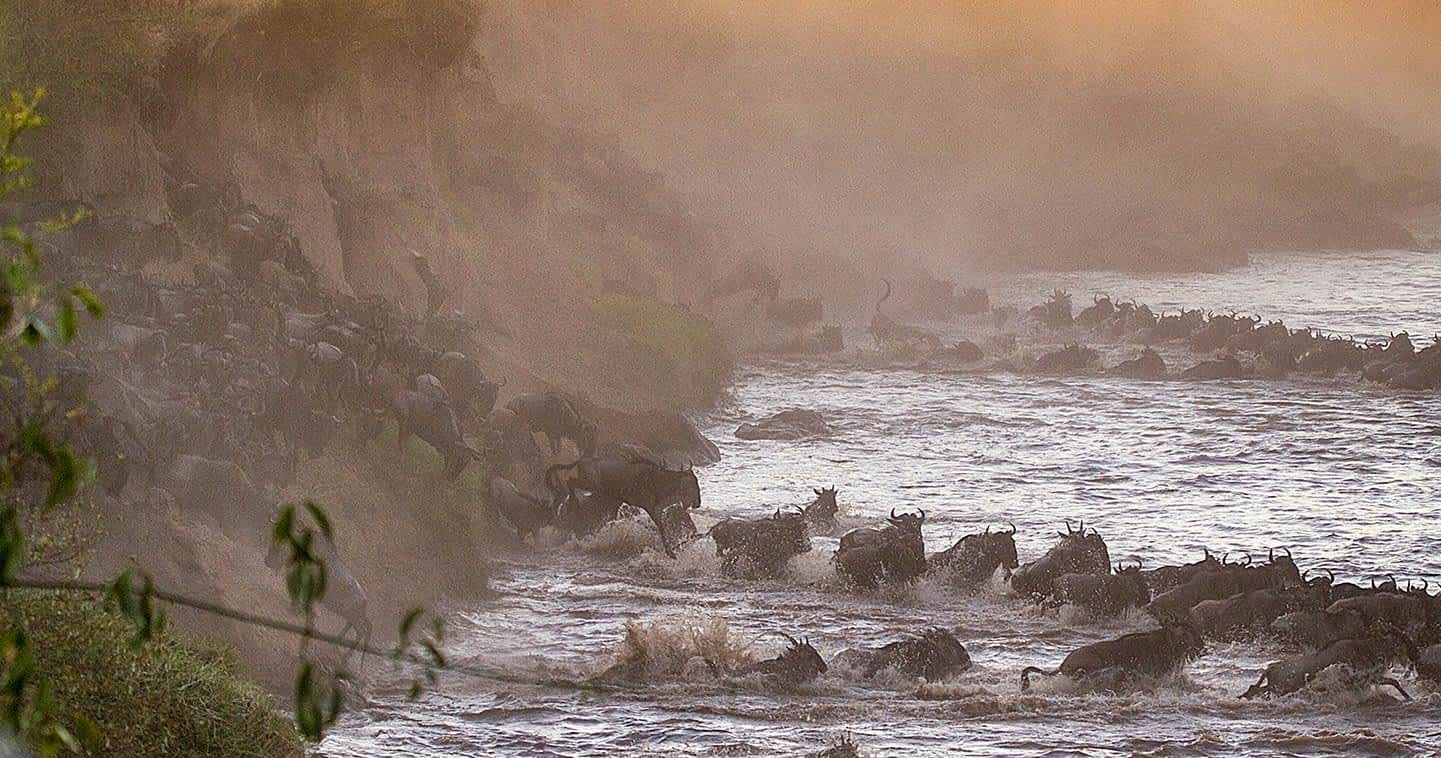
An Unforgettable African Wildlife Safari Experience
Tanzania Game Drive: An Unforgettable African Wildlife Safari Experience. A Tanzania game drive is one of the most exciting ways to explore Africa’s wilderness and experience wildlife in its natural habitat. From the endless golden plains of Serengeti National Park to the elephant-rich landscapes of Tarangire National Park and the spectacular Ngorongoro Crater, Tanzania offers some of the finest wildlife-viewing opportunities in Africa.
A game drive allows travellers to explore national parks and conservation areas in a specially designed safari vehicle accompanied by an experienced guide. Along the way, visitors can encounter lions resting in the grass, elephants walking across the plains, giraffes feeding on acacia trees, and zebras grazing in large herds.
Whether you are planning a luxury safari, a budget camping adventure, a family holiday, or a private wildlife expedition, Tanzania game drives offer memorable experiences for different types of travellers.
With its rich biodiversity, beautiful scenery, and world-famous wildlife destinations, Tanzania is an excellent choice for anyone looking to discover the magic of an African safari.
What Is a Tanzania Game Drive?
A Tanzania game drive is a guided wildlife-viewing activity that takes place inside a national park, wildlife reserve, or designated conservation area. Travellers explore the landscape in a safari vehicle while searching for animals, observing their behaviour, and learning about the surrounding environment.
Most game drives use four-wheel-drive vehicles designed to handle rough roads and uneven terrain. Depending on the safari operator, vehicles may have pop-up roofs or other viewing features that allow visitors to observe animals and take photographs comfortably.
An experienced safari guide plays an important role throughout the journey. Guides use their knowledge of animal behaviour, tracks, habitats, and seasonal movements to help visitors find wildlife and understand what they see.
A game drive is not simply about spotting animals. It is also an opportunity to learn about ecosystems, predator-prey relationships, conservation, and the natural processes that sustain Tanzania’s remarkable wilderness.
Best National Parks for Tanzania Game Drives
Tanzania has several outstanding destinations for game drives. Each park offers a unique combination of wildlife, scenery, and safari experiences.
1. Serengeti National Park
Serengeti National Park is one of Africa’s most famous wildlife destinations and a highlight of many Tanzania game drive safaris.
The park is known for its vast open plains, large populations of grazing animals, and the spectacular Great Wildebeest Migration. Visitors may encounter lions, leopards, cheetahs, elephants, giraffes, zebras, buffaloes, and many other species.
Game drives in the Serengeti offer opportunities to observe predators hunting, herds moving across the grasslands, and animals gathering around water sources. The park’s varied habitats also support numerous bird species.
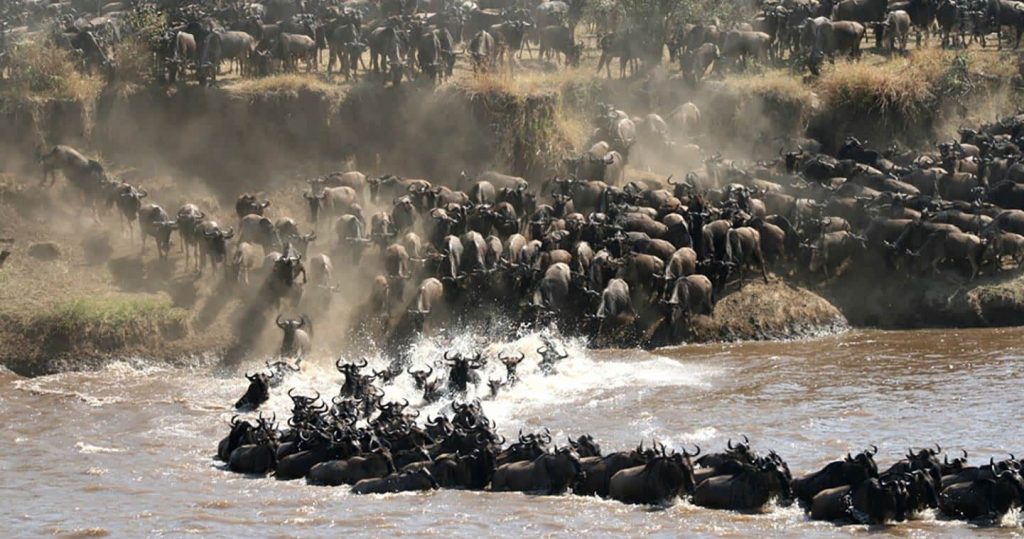
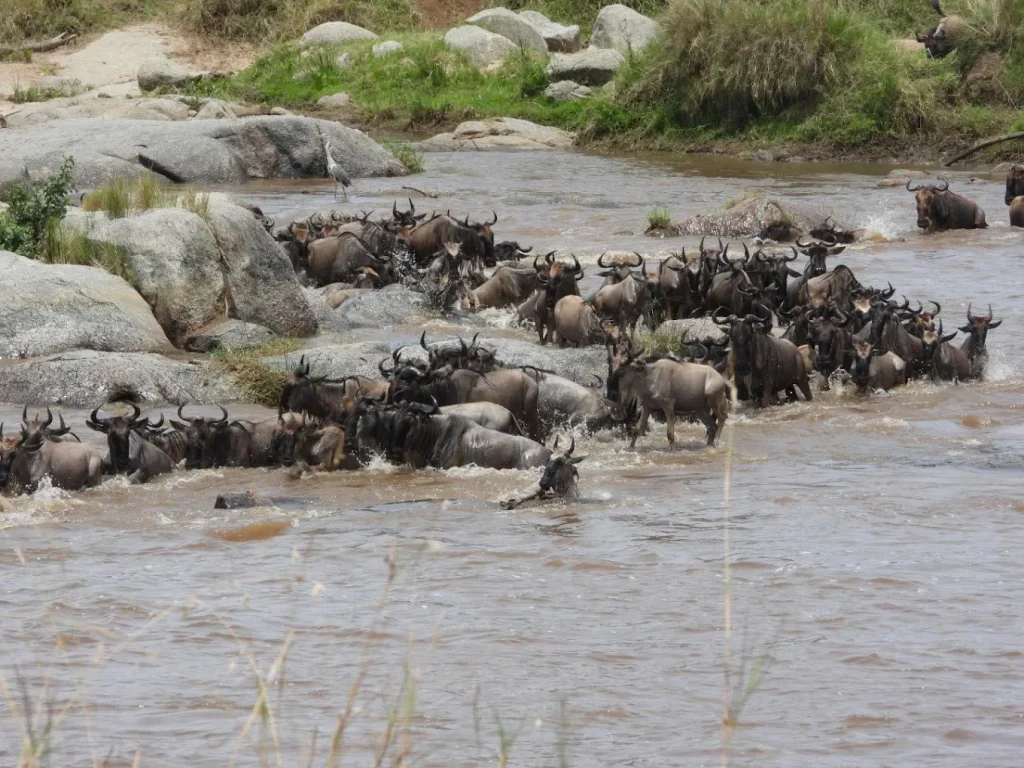
The Great Wildebeest Migration is one of the main attractions. Millions of wildebeest, together with zebras and gazelles, move through the Serengeti ecosystem in search of fresh grazing. The location of the herds changes throughout the year, depending on rainfall and grazing conditions.
For the best experience, travellers should choose their safari dates and accommodation based on the areas they want to explore.
2. Ngorongoro Crater
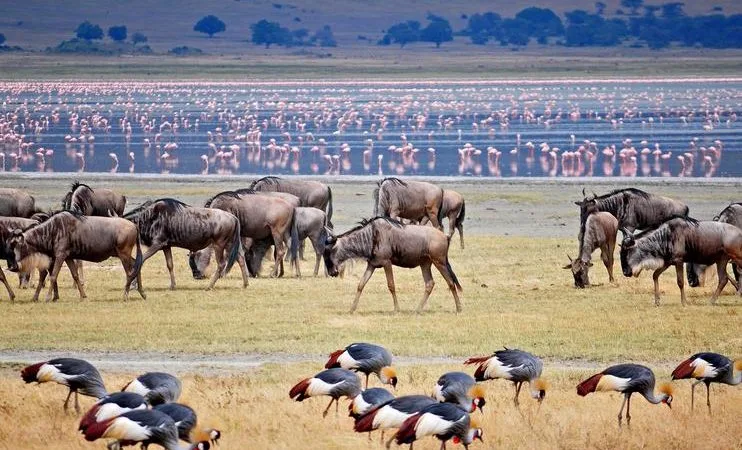
The Ngorongoro Crater is one of Tanzania’s most remarkable wildlife-viewing destinations. This enormous volcanic caldera contains grasslands, wetlands, woodlands, and a soda lake, supporting a diverse range of wildlife.
A game drive on the crater floor can provide opportunities to see lions, elephants, zebras, wildebeest, buffaloes, hippos, and other animals. The area is also an important habitat for endangered black rhinos, although sightings are never guaranteed.
The crater’s relatively concentrated wildlife and spectacular scenery make it a popular choice for visitors who want to experience a variety of animals within a limited period.
Because access and vehicle movements are regulated, travellers should follow their guide’s instructions and the conservation area’s rules throughout the visit.
3. Tarangire National Park
Tarangire National Park is famous for its elephants, ancient baobab trees, and beautiful savannah landscapes.
During the dry season, wildlife often gathers around the Tarangire River, creating excellent opportunities for game viewing. Visitors may see large elephant herds, giraffes, zebras, wildebeest, lions, and numerous bird species.
The park offers a rewarding safari experience for travellers who enjoy observing animal behaviour and photographing wildlife against distinctive African scenery.
Tarangire is also an excellent addition to a northern Tanzania safari that includes Serengeti National Park and the Ngorongoro Conservation Area.
4. Lake Manyara National Park
Lake Manyara National Park provides a different environment for Tanzania game drives. Its landscape includes groundwater forests, open grasslands, wetlands, and lakeshore habitats.
Visitors may encounter elephants, baboons, giraffes, zebras, hippos, and a variety of birds. Flamingos can sometimes be seen around the lake when water conditions are suitable.
The park is also known for its tree-climbing lions, although spotting them requires luck and patience.
Lake Manyara is a good choice for travellers seeking varied scenery and a rewarding wildlife experience during a shorter safari.
5. Nyerere National Park
Nyerere National Park, in southern Tanzania, is an excellent destination for visitors seeking a more remote wilderness experience.
The park contains extensive natural habitats, including open plains, woodlands, and areas influenced by the Rufiji River system.
Game drives may reveal elephants, giraffes, buffaloes, lions, and other wildlife. Depending on the itinerary, visitors can also arrange boat safaris in designated areas or guided walking safaris where permitted.
The combination of wildlife, river scenery, and diverse activities makes Nyerere an appealing alternative to the more frequently visited northern safari circuit.
6. Ruaha National Park
Ruaha National Park is known for its rugged landscapes, large elephant populations, and rich wildlife diversity.
Its rivers, rocky hills, and open savannah support lions, leopards, buffaloes, elephants, and many bird species.
Game drives in Ruaha often appeal to travellers who prefer quieter parks and a more secluded safari atmosphere. The park’s size also makes it suitable for visitors who want to spend several days exploring different habitats.
Ruaha is particularly attractive to experienced safari travellers and photographers seeking a distinctive southern Tanzania experience.
Types of Game Drives in Tanzania
Tanzania offers several types of game drives, allowing visitors to choose an experience that matches their interests, budget, and schedule.
Morning Game Drives
Morning game drives are among the most popular safari activities. They usually begin shortly before or around sunrise, when temperatures are cooler and many animals are active.
Visitors may see predators returning from night-time hunting, elephants feeding, and grazing animals moving through the plains.
The soft morning light is also excellent for photography, making early drives especially attractive to wildlife enthusiasts.
Afternoon Game Drives
Afternoon game drives generally take place later in the day, when the heat may begin to ease.
These drives provide opportunities to observe animals emerging from shaded areas, grazing across the plains, or gathering near water sources.
As the sun sets, the landscape often takes on beautiful golden colours, creating wonderful photographic opportunities.
Full-Day Game Drives
A full-day game drive allows travellers to spend more time exploring a national park.
The experience may include an early departure, several wildlife-viewing stops, a picnic lunch at an approved site, and continued exploration during the afternoon.
Full-day drives are especially useful in large parks such as Serengeti National Park, where travelling between wildlife areas can take time.
They are ideal for visitors who want to maximise their time in the wilderness without returning to their accommodation for lunch.
Private Game Drives
Private game drives are designed for travellers who prefer a personalised safari experience.
With a dedicated vehicle and guide, visitors can often enjoy greater flexibility in departure times, wildlife-viewing stops, and photography opportunities, subject to park regulations.
Private safaris are particularly suitable for couples, families, photographers, and small groups.
Night Game Drives
Night game drives can offer opportunities to observe nocturnal wildlife, including some smaller mammals and animals that are less active during the day.
However, night drives are not permitted everywhere in Tanzania. They must be arranged in locations where they are authorised, through approved operators and in accordance with local regulations.
Travellers interested in this activity should confirm availability before booking their safari.
Wildlife You Can See During a Tanzania Game Drive
Tanzania is home to an extraordinary variety of animals, making its national parks exciting destinations for wildlife lovers.
The Big Five
The Big Five are lion, leopard, elephant, buffalo, and rhinoceros. The term originally referred to five animals considered particularly challenging to hunt on foot and is now widely used in wildlife tourism.
Tanzania offers opportunities to see all five, particularly when visiting several suitable parks and conservation areas. However, no safari can guarantee sightings of every species.
- Lions: Often seen resting in the grass, moving in prides, or searching for prey.
- Leopards: Elusive cats that may be spotted resting in trees or moving through woodland.
- Elephants: Frequently observed feeding, walking in family groups, or gathering near water.
- Buffaloes: Often found grazing in herds across grasslands and open woodland.
- Rhinoceroses: Rare and closely protected animals that require patience and favourable viewing conditions.
Other Fascinating Wildlife
Beyond the Big Five, game drives may reveal cheetahs, hyenas, giraffes, zebras, wildebeest, hippos, crocodiles, warthogs, antelopes, and many smaller mammals.
Birdwatchers can also enjoy sightings of eagles, vultures, hornbills, ostriches, and other species, depending on the park and season.
Every game drive is different. Animal sightings depend on weather, habitat, seasonal movements, and the time spent exploring each area.
Best Time for Tanzania Game Drives
Tanzania is a year-round safari destination, but the best time for a game drive depends on the parks you plan to visit and the wildlife experiences you want.
June to October: The Dry Season
The dry season is one of the most popular periods for wildlife safaris in many parts of Tanzania.
As vegetation becomes less dense and water sources become more limited, animals may gather around rivers and remaining waterholes. These conditions can make wildlife easier to observe in several parks.
This season is particularly attractive for exploring Tarangire, Serengeti, and other major safari destinations.
It is also a popular period for migration-related wildlife viewing in parts of the Serengeti, although the location and timing of river crossings vary.
November to December: The Short Rains
The short rains bring fresh vegetation and attractive green landscapes.
Game drives remain rewarding, and the changing scenery can be excellent for photography. Some roads may become muddy after rainfall, and weather conditions can affect travel plans.
This season can also offer good birdwatching opportunities.
January to March: The Calving Season
During this period, the southern Serengeti and Ndutu region are often important areas for wildebeest calving.
Travellers may see large herds, newborn calves, and predators taking advantage of the seasonal abundance of prey.
This is an appealing time for visitors interested in wildlife behaviour and the Great Migration.
April to May: The Long Rains
The long rains bring greener landscapes and can provide excellent scenery for nature photography.
Some areas may experience challenging road conditions, and certain camps or routes may operate seasonally.
Travellers visiting during this period should plan carefully, check accessibility, and allow flexibility in their itineraries.
What to Expect During a Tanzania Game Drive
A typical game drive begins with an early departure from your lodge, camp, or designated meeting point.
Your guide will drive through the park, looking for animal tracks, listening for wildlife sounds, and checking suitable habitats. When an interesting sighting occurs, the vehicle may stop at a safe and permitted location so that visitors can observe and photograph the animals.
Throughout the drive, the guide explains animal behaviour, identifies different species, and shares information about the environment.
Depending on your itinerary, the experience may include several hours of wildlife viewing, a picnic lunch, and additional exploration before returning to your accommodation.
Some days bring extraordinary encounters, while others involve patiently searching for wildlife across the landscape. This unpredictability is part of what makes a safari special.
Responsible guides maintain appropriate distances from animals, follow park rules, and avoid disturbing wildlife.
Tanzania Game Drive Safari Packages
Travellers can choose from different safari packages depending on the time available, budget, and preferred destinations.
2-Day Tanzania Game Drive Safari
A two-day safari is suitable for travellers with limited time who want a short introduction to Tanzania’s wildlife.
Depending on the starting point, the itinerary may focus on one or two nearby destinations, such as Tarangire and Lake Manyara.
A short safari requires careful planning because travel time can reduce the hours available for game viewing.
3-Day Tanzania Game Drive Safari
A three-day safari offers more time to explore selected parks and enjoy multiple game drives.
An itinerary might combine Tarangire, Ngorongoro Crater, and another suitable destination, depending on the season, accommodation, and travel arrangements.
This option is popular with travellers who want to experience a range of wildlife habitats during a short holiday.
5-Day Tanzania Game Drive Safari
A five-day safari allows a more comprehensive exploration of the northern circuit.
Travellers may combine Tarangire, Serengeti, and Ngorongoro, with the exact route determined by their interests and the amount of time needed for road transfers.
This duration provides more opportunities to explore different wildlife areas and enjoy morning and afternoon game drives.
7-Day Tanzania Game Drive Safari
A seven-day safari is an excellent choice for travellers seeking a more immersive experience.
The itinerary can include several days in the Serengeti, time in Ngorongoro, and visits to other parks such as Tarangire.
Spending additional nights in selected destinations can reduce rushed transfers and provide more opportunities for wildlife viewing.
How Much Does a Tanzania Game Drive Cost?
The cost of a Tanzania game drive depends on the park, safari duration, accommodation, group size, transport arrangements, and season.
Budget camping safaris are generally less expensive than private luxury trips. Luxury packages may include high-end accommodation, private vehicles, domestic flights, and personalised services.
When comparing prices, check whether the package includes:
- National park and conservation fees.
- Safari vehicle and professional guide.
- Accommodation and meals.
- Airport transfers and road transport.
- Drinking water during game drives.
- Applicable taxes and service charges.
- Optional activities, such as hot-air balloon safaris.
Some packages may exclude international flights, visas, travel insurance, tips, and optional experiences.
Request a detailed quotation before booking so that you understand the full cost of your trip.
What to Pack for a Tanzania Game Drive
Packing the right items can make your safari more comfortable and enjoyable.
Consider bringing:
- Lightweight, neutral-coloured clothing.
- A warm jacket for cool early mornings.
- Comfortable closed shoes.
- A hat and sunglasses.
- Sunscreen and insect repellent.
- Binoculars for observing distant wildlife.
- A camera, spare batteries, and memory cards.
- A reusable water bottle.
- Personal medication and essential travel documents.
A small day bag is useful for keeping important items accessible during game drives.
It is also wise to follow your safari operator’s luggage guidance, particularly when using small domestic aircraft with strict baggage limits.
Tips for an Enjoyable Tanzania Game Drive
To make the most of your safari, keep the following tips in mind.
1. Choose an experienced safari guide. A knowledgeable guide can help you interpret wildlife behaviour and identify animals that might otherwise go unnoticed.
2. Start early when possible. Morning drives often provide cooler conditions and opportunities to observe active wildlife.
3. Bring binoculars. Some animals remain far from the road, and binoculars can improve your viewing experience.
4. Be patient. Wildlife sightings are unpredictable, and spending time observing animal behaviour can be more rewarding than rushing between locations.
5. Respect wildlife. Follow your guide’s instructions, avoid loud noises, and never encourage a driver to approach animals too closely.
6. Choose your season carefully. Consider whether you are most interested in the Great Migration, general wildlife viewing, birdwatching, or green-season scenery.
7. Book with a reputable operator. Check customer reviews, itinerary details, accommodation standards, and the operator’s relevant authorisations.
Responsible Tourism During Tanzania Game Drives
Responsible tourism helps protect Tanzania’s wildlife and natural environments for future generations.
Visitors should remain inside authorised vehicles unless their guide indicates that it is safe and permitted to leave. Feeding wild animals, littering, making excessive noise, and disturbing wildlife should always be avoided.
Choosing operators that respect park rules and support responsible conservation practices can also contribute to the long-term protection of natural habitats.
Travellers can support local communities by purchasing appropriate locally made crafts, respecting cultural traditions, and choosing ethical cultural experiences.
A responsible safari allows visitors to enjoy nature while helping preserve the places and wildlife that make Tanzania so special.
Conclusion: Experience the Magic of Tanzania Game Drives
A Tanzania game drive is an unforgettable way to discover the country’s spectacular wildlife, beautiful landscapes, and extraordinary natural heritage. From the famous lions and migrating wildebeest of Serengeti National Park to the elephants of Tarangire and the wildlife-rich Ngorongoro Crater, Tanzania offers safari experiences for a wide range of travellers.
Whether you choose a short wildlife excursion, a private safari, a budget camping adventure, or a luxury journey through several national parks, every game drive offers an opportunity to connect with the African wilderness.
By choosing the right destinations, travelling during a suitable season, and working with an experienced safari operator, you can create a memorable adventure filled with remarkable wildlife encounters and beautiful scenery.