

Discover the Beauty of Africa on Foot
Tanzania Mountain Hiking Adventure: Discover the Beauty of Africa on Foot. Tanzania is one of Africa’s most exciting destinations for mountain hiking adventures. Famous for its spectacular landscapes, towering mountains, beautiful forests, volcanic formations, and breathtaking viewpoints, the country offers unforgettable experiences for travellers who love nature, exploration, and outdoor activities.

From climbing the magnificent Mount Kilimanjaro to exploring the scenic trails of Mount Meru and the beautiful Usambara Mountains, Tanzania provides hiking opportunities for beginners, experienced trekkers, and adventurous travellers seeking a rewarding outdoor experience.
A Tanzania mountain hiking adventure is more than simply reaching a mountain summit. It is an opportunity to discover the country’s natural beauty, experience different ecosystems, encounter unique wildlife, learn about local cultures, and enjoy some of the most impressive landscapes in East Africa.
Whether you are planning a challenging high-altitude climb or a relaxing mountain walk through lush forests and traditional villages, Tanzania has something special to offer.
Why Choose Tanzania for a Mountain Hiking Adventure?
Tanzania is an excellent destination for mountain hiking because of its geographical diversity and impressive natural attractions. The country is home to some of Africa’s highest peaks, scenic mountain ranges, volcanic landscapes, and beautiful highland forests.
One of the biggest attractions is the opportunity to explore different environments during a single hiking adventure. Depending on the mountain and route, hikers can walk through tropical rainforests, bamboo forests, moorlands, alpine deserts, and rocky mountain landscapes.
Tanzania also offers a variety of hiking experiences suitable for different fitness levels. Travellers can choose short day hikes, multi-day mountain treks, or demanding summit expeditions.
Other reasons to choose Tanzania include:
- Spectacular mountain scenery: Enjoy breathtaking views of valleys, forests, volcanic landscapes, and distant peaks.
- Diverse hiking routes: Explore mountains with different elevations, landscapes, and levels of difficulty.
- Wildlife experiences: Discover birds, monkeys, and other wildlife in mountain forests and surrounding conservation areas.
- Cultural experiences: Visit local communities and learn about the traditions and lifestyles of people living around the mountains.
- Professional mountain guides: Enjoy guided adventures with experienced local teams who understand the mountain environments.
- Memorable outdoor experiences: Challenge yourself physically while discovering some of Africa’s most beautiful natural destinations.
Best Mountains for Hiking Adventures in Tanzania
Tanzania has several remarkable mountains that attract hikers and climbers from around the world. Each destination offers unique scenery, different hiking challenges, and unforgettable experiences.
1. Mount Kilimanjaro Hiking Adventure
Mount Kilimanjaro is the most famous mountain in Tanzania and the highest mountain in Africa, rising approximately 5,895 metres above sea level. It is one of the world’s most recognised trekking destinations and a major attraction for international adventure travellers.
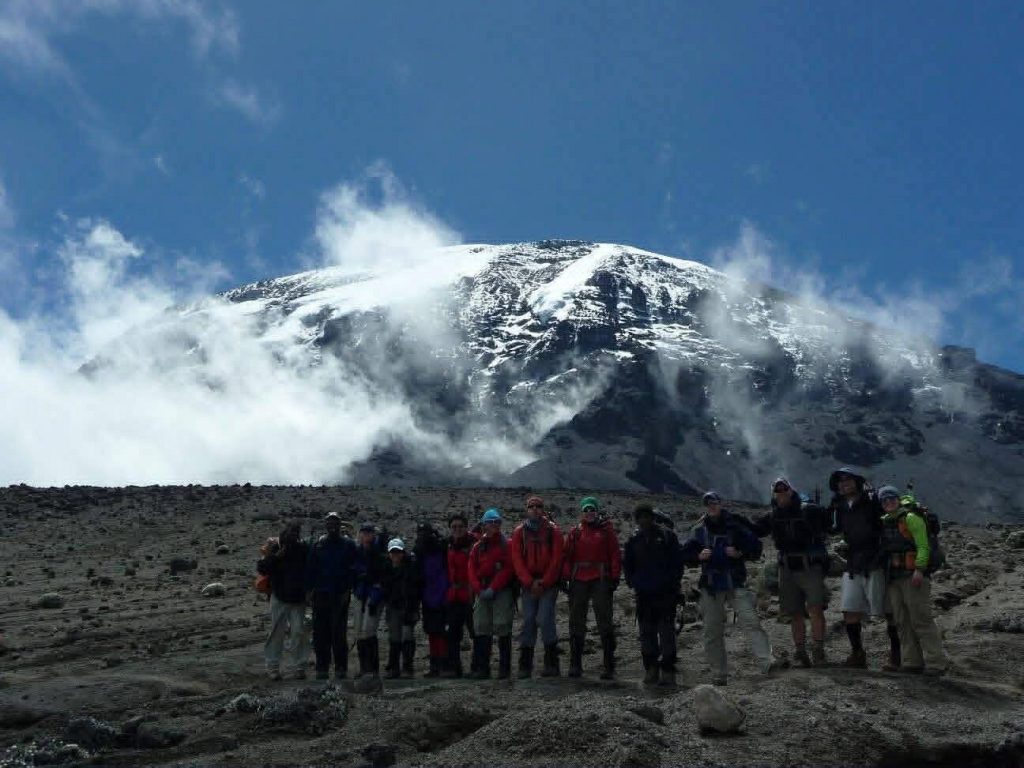
The mountain is famous for its snow-capped summit, dramatic volcanic formations, and spectacular ecological zones. During the climb, hikers experience changing landscapes, beginning in tropical rainforest and progressing through heathland, moorland, alpine desert, and the high-altitude summit region.
Several established routes lead to the summit, including:
- Machame Route: Popular for its beautiful scenery, varied landscapes, and gradual acclimatisation profile.
- Marangu Route: Known for its mountain huts and established trail.
- Lemosho Route: Offers beautiful wilderness scenery and a longer approach to the summit.
- Rongai Route: Approaches the mountain from the northern side and provides a different perspective.
- Northern Circuit Route: A longer route offering extensive mountain scenery and additional time for acclimatisation.
- Umbwe Route: A challenging and steep route generally suited to experienced trekkers.
A typical Kilimanjaro climbing expedition takes between five and nine days, depending on the selected route and itinerary. Longer itineraries generally provide more opportunities for acclimatisation.
Reaching Uhuru Peak is a rewarding achievement. From the summit, successful climbers can enjoy incredible views across the surrounding African landscape.
2. Mount Meru Hiking Adventure
Mount Meru is another outstanding hiking destination in northern Tanzania. Located inside Arusha National Park, this impressive volcanic mountain reaches approximately 4,566 metres above sea level.
Mount Meru is an excellent choice for hikers seeking a challenging mountain adventure with beautiful scenery and opportunities to experience wildlife.
The mountain’s hiking trail passes through lush montane forests, open grasslands, and spectacular volcanic landscapes. Along the way, trekkers may encounter giraffes, buffaloes, monkeys, and various bird species, particularly in the lower forest areas.
The journey to the summit usually takes three to four days, depending on the itinerary. Hikers are accompanied by qualified guides and armed park rangers, as required by the park.
One of the highlights is reaching Socialist Peak, where visitors can enjoy magnificent views of the surrounding mountains and, in favourable weather, Mount Kilimanjaro.

Mount Meru is also an excellent preparation climb for travellers planning to trek Mount Kilimanjaro.
3. Usambara Mountains Hiking Adventure
The Usambara Mountains are among Tanzania’s most beautiful destinations for nature walks and mountain hiking. Located in northeastern Tanzania, these mountains are famous for their green hills, tropical forests, fertile valleys, and traditional villages.

Unlike the demanding summit expeditions of Kilimanjaro and Meru, the Usambara Mountains offer a more relaxed hiking experience with opportunities to explore local communities and natural attractions.
Popular hiking experiences include:
- Walking through the beautiful forests of the West Usambara Mountains.
- Exploring scenic viewpoints around Lushoto.
- Visiting traditional villages and local farms.
- Discovering waterfalls and mountain streams.
- Enjoying birdwatching and nature photography.
- Hiking through the scenic Magamba Forest.
The Usambara Mountains are particularly attractive to travellers who want to combine outdoor adventure with cultural experiences. Visitors can interact with local communities, learn about traditional farming practices, and discover the region’s unique biodiversity.
4. Mount Ol Doinyo Lengai Hiking Adventure
Mount Ol Doinyo Lengai is one of Tanzania’s most fascinating volcanic mountains. Located in the Great Rift Valley near Lake Natron, it is famous for its unusual carbonatite lava and striking volcanic landscape.
Its name means Mountain of God in the Maasai language, reflecting its cultural and spiritual importance to the local Maasai communities.

The mountain rises approximately 2,962 metres above sea level and offers a demanding hiking experience, particularly because of its steep slopes and exposed terrain.
The climb is commonly undertaken at night or during the early morning to avoid the intense daytime heat. Hikers are rewarded with spectacular views of the Rift Valley, Lake Natron, and the surrounding volcanic landscapes.
This mountain is particularly suitable for adventurous travellers seeking something different from traditional forest and mountain trekking.
5. Mount Hanang Hiking Adventure
Mount Hanang is another impressive mountain that offers rewarding hiking opportunities in northern Tanzania. Located in Manyara Region, it rises approximately 3,420 metres above sea level.
The mountain is known for its beautiful natural surroundings, steep hiking trails, forested slopes, and spectacular views across the surrounding countryside.
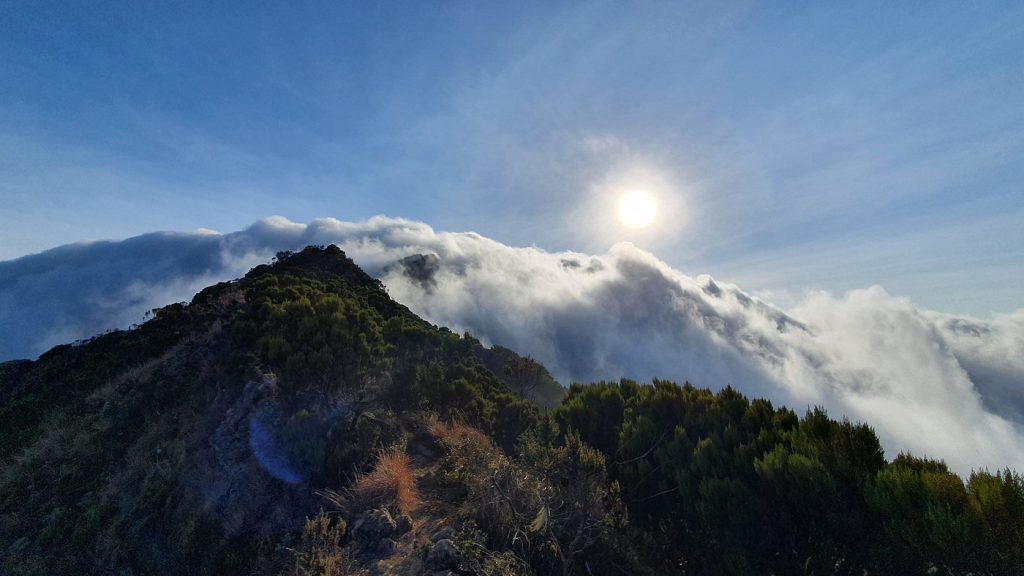
A hike on Mount Hanang provides an opportunity to experience Tanzania beyond its famous safari destinations. Visitors can explore rural landscapes, discover local communities, and enjoy the peaceful atmosphere of the mountain environment.
It is an excellent destination for adventurous travellers interested in exploring less-visited mountain areas.
6. Udzungwa Mountains Hiking Adventure
The Udzungwa Mountains are a wonderful destination for travellers interested in forest hiking, waterfalls, and nature exploration. Located in south-central Tanzania, the mountains form part of the Eastern Arc Mountains, a region famous for its rich biodiversity.

One of the most popular attractions is Sanje Waterfalls, an impressive waterfall surrounded by beautiful tropical forests. Hiking to the waterfall provides opportunities to enjoy spectacular scenery, discover different plant species, and observe wildlife.
The Udzungwa Mountains are also known for their unique primates, including the endemic Sanje mangabey and Iringa red colobus monkey.
Hiking activities include:
-
Exploring tropical rainforest trails.
-
Visiting the beautiful Sanje Waterfalls.
-
Birdwatching and wildlife observation.
-
Discovering unique forest plants and wildlife.
-
Enjoying scenic mountain viewpoints.
This destination is ideal for travellers who want to combine hiking with wildlife and nature experiences.
7. Uluguru Mountains Hiking Adventure
The Uluguru Mountains, located near Morogoro in eastern Tanzania, offer beautiful hiking opportunities for nature lovers and outdoor enthusiasts.

The mountains are famous for their green landscapes, mist-covered forests, waterfalls, and traditional villages. Their trails provide opportunities to explore mountain ecosystems while enjoying spectacular views of the surrounding plains.
Hikers can explore forest paths, visit local communities, discover waterfalls, and experience the peaceful atmosphere of the Tanzanian highlands.
The Uluguru Mountains are particularly suitable for travellers looking for less-crowded hiking destinations and cultural experiences.
What to Expect During a Tanzania Mountain Hiking Adventure
A mountain hiking adventure in Tanzania offers a combination of physical challenges, beautiful scenery, and rewarding outdoor experiences.
1. Beautiful natural landscapes
Tanzania’s mountains feature different landscapes, ranging from tropical rainforests and green valleys to volcanic peaks and open alpine environments. Every hiking destination offers something different, making each journey exciting and memorable.
2. Wildlife encounters
Some mountain hiking destinations are located within or near protected areas. Visitors may encounter monkeys, colourful birds, butterflies, and other wildlife along the trails. Mount Meru and the Udzungwa Mountains are particularly interesting for wildlife and nature enthusiasts.
3. Cultural experiences
Mountain hiking also provides opportunities to interact with local communities. Around the Usambara Mountains, Mount Hanang, and Mount Meru, visitors can learn about traditional lifestyles, local farming, food, and cultural practices.
4. Challenging mountain trails
Some hiking adventures involve steep slopes, rocky paths, high elevations, and changing weather conditions. Kilimanjaro and Ol Doinyo Lengai are particularly demanding, requiring good preparation and appropriate guidance.
5. Spectacular photography opportunities
Tanzania’s mountains provide incredible opportunities for landscape photography. Hikers can capture beautiful sunrises, misty forests, mountain valleys, waterfalls, volcanic formations, and breathtaking summit views.
Best Time for Tanzania Mountain Hiking Adventures
The best time for mountain hiking in Tanzania depends on the destination, weather conditions, and type of adventure you want to experience.
Generally, the dry seasons offer favourable hiking conditions, although mountain weather can change quickly.
June to October: This is one of the most popular periods for mountain hiking. The weather is generally drier, trails are often easier to navigate, and visibility can be excellent.
January to February: These months also offer favourable conditions for many mountain adventures, particularly Mount Kilimanjaro and Mount Meru.
March to May: This is the main long-rain season in many parts of Tanzania. Heavy rainfall can make hiking trails slippery and challenging, although some experienced hikers may still enjoy selected routes.
November to December: Short rains may occur during this period, but many mountain destinations remain accessible depending on local weather conditions.
For high-altitude climbs, choosing suitable dates and allowing enough time for acclimatisation are particularly important.
How to Prepare for a Tanzania Mountain Hiking Adventure
Proper preparation is essential for enjoying a safe and successful hiking experience. Whether you are planning a short mountain walk or a multi-day climbing expedition, having the right equipment and physical preparation makes a significant difference.
Here are some important preparations to consider:
1. Choose the right mountain
Select a mountain according to your fitness level, experience, available time, and adventure expectations. Beginners may prefer guided forest hikes in the Usambara or Udzungwa Mountains, while experienced trekkers may choose Kilimanjaro or Ol Doinyo Lengai.
2. Improve your physical fitness
Prepare your body through regular walking, hiking, jogging, cycling, and stair climbing. For demanding mountain climbs, endurance and leg strength are particularly important.
3. Pack suitable hiking equipment
Essential hiking equipment includes:
-
Comfortable and waterproof hiking boots.
-
Warm clothing and thermal layers.
-
Waterproof jacket and trousers.
-
Hiking trousers and moisture-wicking shirts.
-
Warm gloves, socks, and a hat.
-
Backpack and water bottles.
-
Sunglasses and sunscreen.
-
Headlamp and spare batteries.
-
Personal toiletries and essential medication.
-
Walking poles for steep and uneven trails.
4. Allow time for acclimatisation
For high-altitude mountain climbing, acclimatisation is essential. Allowing your body enough time to adjust to reduced oxygen levels helps reduce the risk of altitude-related illness.
5. Book a professional mountain guide
Choose a reputable tour operator with experienced guides, appropriate safety arrangements, and knowledgeable support staff. Guided trekking is required on Mount Kilimanjaro, and other protected mountain destinations have their own regulations.
Combining Mountain Hiking with Tanzania Wildlife Safaris
One of the greatest advantages of visiting Tanzania is the opportunity to combine mountain hiking with unforgettable wildlife safari experiences.
After completing a mountain adventure, travellers can explore some of the country’s most famous national parks and conservation areas.
Popular combinations include:
-
Kilimanjaro hiking and Serengeti safari: Experience Africa’s highest mountain before exploring the famous Serengeti plains and witnessing remarkable wildlife.
-
Mount Meru trekking and Ngorongoro Crater safari: Combine a rewarding mountain climb with a wildlife adventure in the spectacular Ngorongoro Conservation Area.
-
Usambara hiking and Saadani safari: Discover beautiful mountain landscapes before enjoying wildlife experiences near Tanzania’s Indian Ocean coastline.
-
Udzungwa hiking and Mikumi safari: Explore tropical forests and waterfalls before discovering elephants, giraffes, zebras, and other wildlife in Mikumi National Park.
-
Mount Hanang hiking and Lake Manyara safari: Enjoy mountain scenery and cultural experiences before exploring the beautiful landscapes and wildlife of Lake Manyara National Park.
These combinations allow travellers to experience different sides of Tanzania within one memorable holiday.
Why Book Your Tanzania Mountain Hiking Adventure with a Professional Tour Operator?
Choosing a reliable tour operator is an important part of planning a successful mountain hiking experience. A professional company helps organise transportation, accommodation, park arrangements, experienced guides, meals, and other essential services.
A well-organised hiking package also allows travellers to concentrate on enjoying the adventure rather than worrying about the logistics.
When selecting a mountain hiking company, consider the following:
-
Experienced and knowledgeable mountain guides.
-
Properly organised hiking itineraries.
-
Suitable accommodation and transportation.
-
Quality camping and hiking equipment.
-
Clear information about package inclusions and exclusions.
-
Appropriate safety and emergency arrangements.
-
Responsible environmental and community practices.
A good tour operator should also help you choose a mountain and itinerary that match your fitness level and travel expectations.
Conclusion: Experience the Best of Tanzania Mountain Hiking Adventures
Tanzania mountain hiking adventures offer an incredible opportunity to explore some of Africa’s most beautiful natural landscapes. From the magnificent summit of Mount Kilimanjaro to the scenic trails of Mount Meru, Usambara, Udzungwa, and the volcanic slopes of Ol Doinyo Lengai, the country provides unforgettable experiences for outdoor enthusiasts.
Whether you are an experienced climber looking for your next challenge or a beginner interested in exploring beautiful mountain trails, Tanzania has a hiking adventure suited to your interests.
With proper preparation, experienced guides, suitable equipment, and a well-planned itinerary, your mountain hiking holiday can become one of the most rewarding travel experiences in Africa.
Plan your Tanzania mountain hiking adventure today and discover the beauty, excitement, and natural wonders of Tanzania on foot.
Useful official resources for planning: