
The Ultimate Guide to Capturing Africa’s Wildlife and Landscapes
Tanzania Photographic Safaris
Tanzania Photographic Safari: The Ultimate Guide to Capturing Africa’s Wildlife and Landscapes. A Tanzania photographic safari is an extraordinary opportunity to explore Africa’s wilderness while capturing breathtaking photographs of wildlife, landscapes, and unforgettable natural moments. With its vast savannah plains, diverse wildlife, dramatic sunsets, and world-famous national parks, Tanzania is one of the best destinations in Africa for wildlife photography.
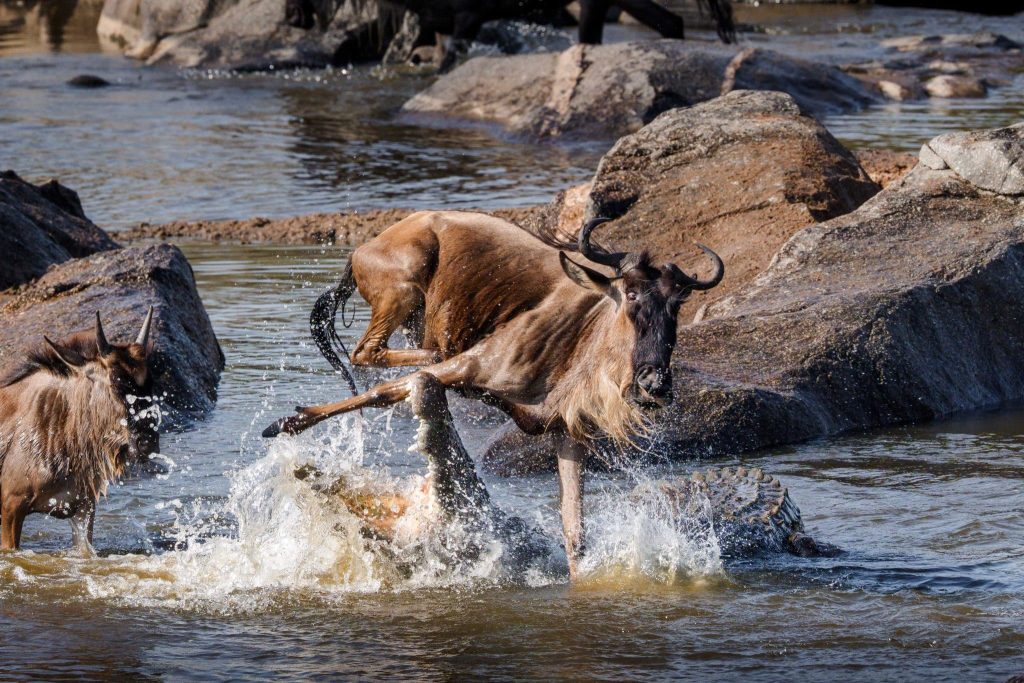
From photographing lions resting beneath acacia trees in Serengeti National Park to capturing elephants walking past ancient baobab trees in Tarangire National Park, Tanzania offers endless opportunities for photographers of all experience levels.
Whether you are a professional wildlife photographer, a passionate beginner, a nature enthusiast, or a traveller who wants to capture beautiful holiday memories, a photographic safari allows you to experience the African wilderness at a deeper level.
Unlike an ordinary safari, a photographic safari focuses on creating the best possible opportunities for photography. The itinerary, game drives, accommodation, and guiding arrangements can be planned around lighting conditions, wildlife movements, and opportunities to observe animals without disturbing them.
In this guide, you will discover the best destinations for Tanzania photographic safaris, the wildlife you can photograph, the best time to visit, essential photography equipment, and practical tips for planning an unforgettable African adventure.
What Is a Tanzania Photographic Safari? – Tanzania Photographic Safari
A Tanzania photographic safari is a wildlife journey designed to help travellers capture high-quality photographs of animals, birds, landscapes, and natural events.
Although traditional safaris also offer photography opportunities, photographic safaris place additional emphasis on lighting, positioning, patience, and the behaviour of wildlife.
Depending on the safari package, travellers may enjoy longer game drives, specialised photographic guides, private safari vehicles, and flexible schedules that allow more time at interesting sightings.
The goal is not simply to see as many animals as possible. Instead, photographers have the opportunity to observe wildlife carefully and capture meaningful moments in their natural environment.
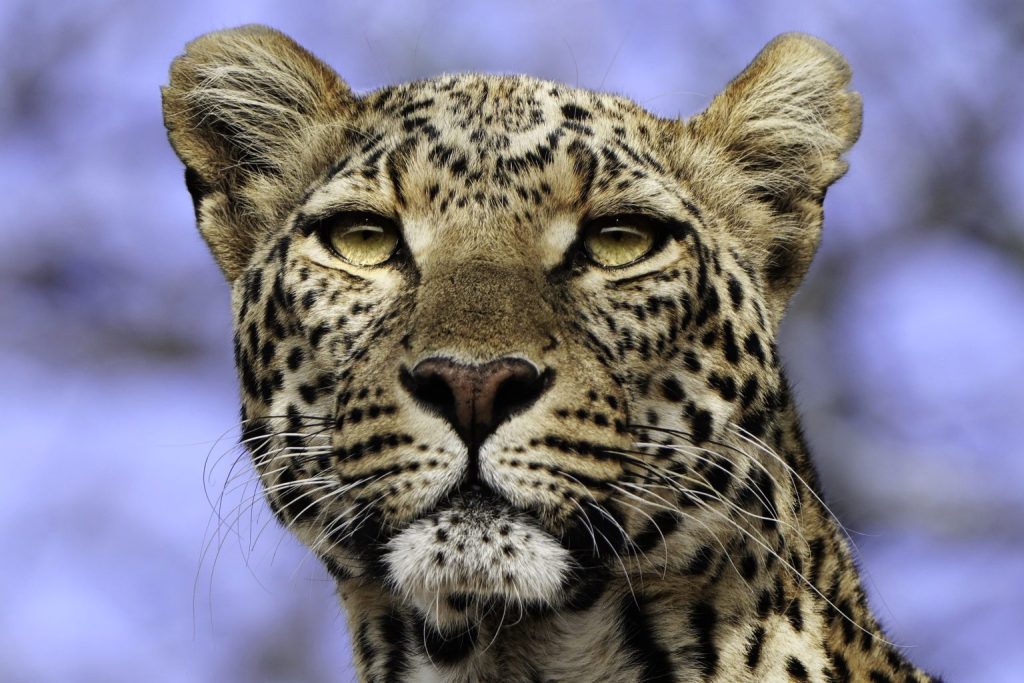
For example, a photographer might spend time documenting a lion pride resting in the shade, a cheetah searching for prey, elephants crossing an open plain, or wildebeest moving across the Serengeti.
These experiences make Tanzania photographic safaris particularly rewarding for travellers who appreciate wildlife, storytelling, and nature photography.
Why Choose Tanzania for a Photographic Safari?
Tanzania is one of Africa’s leading wildlife photography destinations because of its diverse habitats, remarkable animal populations, and beautiful natural scenery.
1. Incredible Wildlife Diversity – Tanzania Photographic Safari
Tanzania is home to a wide range of wildlife, including lions, leopards, cheetahs, elephants, giraffes, zebras, buffaloes, hippos, and many species of antelope.
These animals provide opportunities to photograph different behaviours, from predators hunting to elephants interacting within family groups.
Photographers can also capture smaller creatures, including reptiles, insects, and fascinating bird species.
Because each national park offers different habitats and wildlife encounters, travellers can create a varied photographic portfolio during one trip.
2. The Great Wildebeest Migration
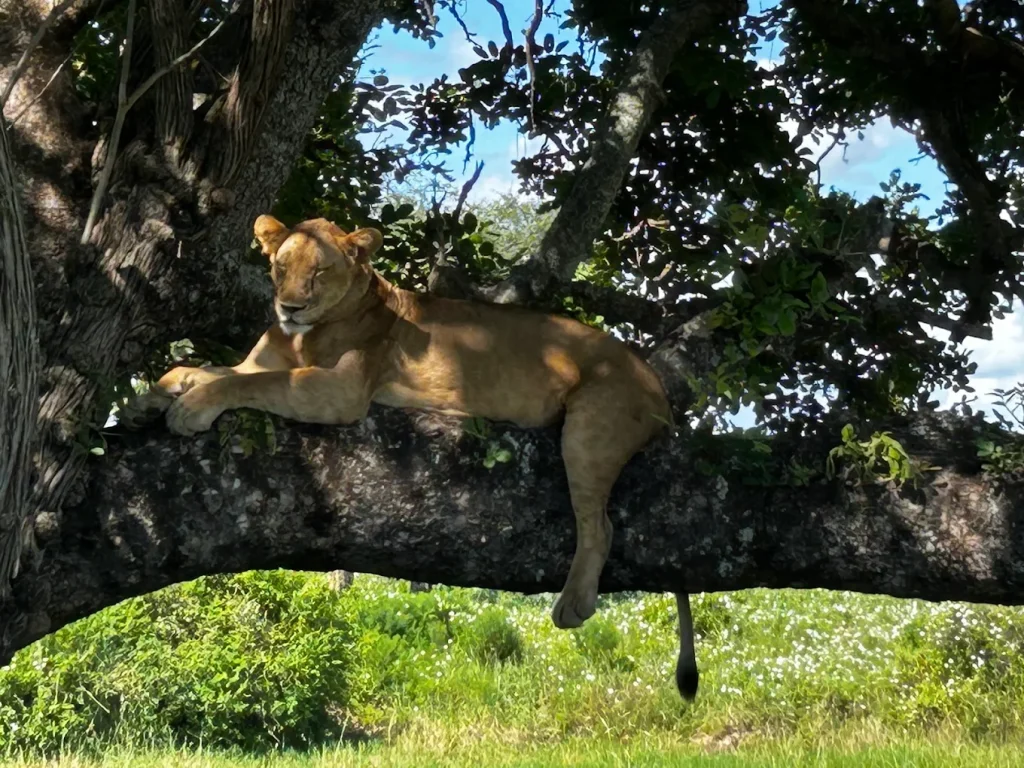
The Great Wildebeest Migration is one of the most spectacular natural events to photograph in Africa.
Millions of wildebeest, accompanied by zebras and gazelles, move through the Serengeti ecosystem in search of fresh grazing and water.
Depending on the season and location, photographers may capture enormous herds crossing open plains, newborn calves, predators following the herds, or dramatic river crossings.
River crossings are particularly unpredictable. The herds do not follow a fixed timetable, and sightings depend on weather, grazing conditions, and animal movements.
Travellers hoping to photograph the migration should select their dates and accommodation according to the areas where the herds are most likely to be found.
3. Beautiful African Landscapes – Tanzania Photographic Safari
Tanzania offers more than exceptional wildlife. Its landscapes provide striking backgrounds for nature photography.
The golden plains of the Serengeti, the volcanic scenery of Ngorongoro, the baobab trees of Tarangire, and the mountainous horizons of northern Tanzania create a wide range of photographic settings.
Early morning mist, dramatic cloud formations, golden-hour sunlight, and colourful sunsets can add depth and atmosphere to wildlife images.
Landscape photography can also provide a valuable contrast to close-up animal portraits, helping tell the wider story of Tanzania’s wilderness.
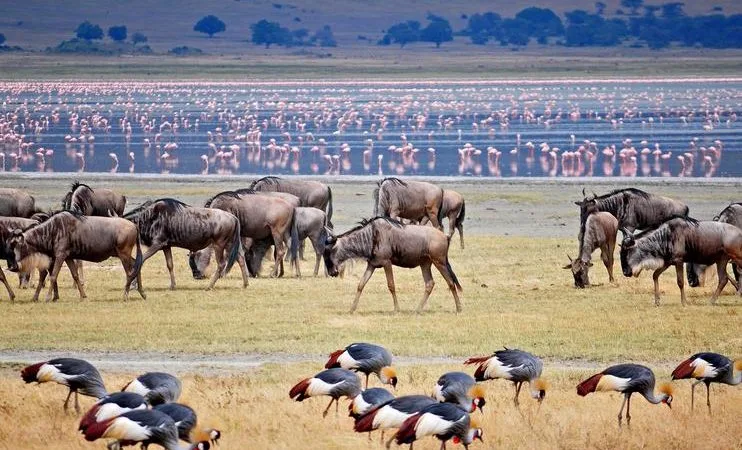
4. Excellent Opportunities for Bird Photography
Tanzania is a rewarding destination for bird photographers, with species found in forests, wetlands, lakes, grasslands, and woodlands.
Depending on the location and season, photographers may capture flamingos, eagles, kingfishers, bee-eaters, hornbills, ostriches, and numerous other birds.
Wetland environments and lakeshores can be particularly productive for photographing birds feeding, flying, nesting, or interacting with other species.
A specialist bird photography itinerary can include additional time in areas known for bird diversity.
Best National Parks for Tanzania Photographic Safaris – Tanzania Photographic Safari
Choosing the right national parks is essential for a successful photographic safari. Each destination offers distinctive wildlife encounters, landscapes, and photography opportunities.
1. Serengeti National Park
Serengeti National Park is one of the most important destinations for wildlife photographers visiting Tanzania.
Its vast grasslands, scattered acacia trees, rocky outcrops, and diverse wildlife provide a wide range of photographic opportunities.
Photographers can capture lions resting in the grass, cheetahs scanning the plains, leopards in trees, elephants moving across the landscape, and large herds of grazing animals.
The park is also the centrepiece of many Great Migration photographic safaris. Depending on the time of year, visitors may photograph wildebeest calving, herds moving across open plains, and dramatic river crossings when they occur.
The Serengeti is particularly suitable for photographers who want to combine close-up wildlife images with expansive landscape compositions.
Spending several nights in the right area can improve photographic opportunities by reducing travel time and allowing more flexibility when wildlife sightings develop.
2. Ngorongoro Conservation Area – Tanzania Photographic Safari
The Ngorongoro Conservation Area is known for its spectacular volcanic scenery and rich wildlife.
The Ngorongoro Crater provides opportunities to photograph animals against a dramatic natural backdrop of crater walls, grasslands, wetlands, and woodland.
Photographers may encounter lions, elephants, buffaloes, zebras, wildebeest, hippos, and other wildlife. Black rhinos are also present, although sightings are not guaranteed.
The crater can be particularly rewarding for photographers who want to capture a variety of species in a relatively compact landscape.
Because vehicle movements and wildlife viewing are regulated, photographers should work with their guides to position themselves responsibly and follow conservation rules.
3. Tarangire National Park
Tarangire National Park is a favourite destination for photographers interested in elephants, baobab trees, and distinctive African landscapes.
Large elephant herds may be seen moving through the park, feeding beneath trees, or gathering near water sources during the dry season.
The park’s ancient baobabs create striking compositions, especially when photographed in the soft light of early morning or late afternoon.
Photographers can also capture giraffes, zebras, lions, antelopes, and a wide variety of birds.
Tarangire is an excellent choice for travellers who want to combine wildlife portraits with dramatic landscape photography.
4. Lake Manyara National Park – Tanzania Photographic Safari
Lake Manyara National Park offers diverse photographic environments, including groundwater forests, open grasslands, wetlands, and lakeshore habitats.
The park is known for its birdlife, elephants, baboons, giraffes, and other wildlife.
When conditions are suitable, photographers may capture flamingos and other waterbirds around the lake.
The forested areas provide opportunities for photographing primates and wildlife in shaded environments, while open spaces allow for broader landscape compositions.
Lake Manyara is a useful addition to a northern Tanzania photographic safari, particularly for travellers interested in a variety of habitats.
5. Ruaha National Park
Ruaha National Park is an excellent choice for photographers seeking a quieter and more remote safari experience.
The park features rugged terrain, river valleys, open savannah, and distinctive baobab trees.
Wildlife photography opportunities include elephants, lions, leopards, buffaloes, and numerous bird species.
Its varied landscapes allow photographers to experiment with different compositions, from intimate animal portraits to images that emphasise the scale and atmosphere of the wilderness.
Ruaha is particularly appealing to travellers who prefer spending more time exploring fewer destinations rather than following a busy itinerary.
6. Nyerere National Park – Tanzania Photographic Safari
Nyerere National Park, in southern Tanzania, provides opportunities to photograph wildlife in a landscape shaped by the Rufiji River system.
The park’s habitats support elephants, hippos, crocodiles, giraffes, buffaloes, lions, and many bird species.
Depending on the location and arrangements, visitors may combine traditional game drives with boat safaris and guided walking activities where permitted.
Boat-based photography can offer a different perspective on aquatic wildlife, river scenery, and birds near the water.
Nyerere is an attractive option for photographers looking for varied experiences beyond the traditional northern safari circuit.
Best Time for a Tanzania Photographic Safari
Tanzania offers photographic opportunities throughout the year, but different seasons create different conditions for wildlife and landscape photography.
June to October: The Dry Season
The dry season is one of the most popular periods for wildlife photography in many Tanzanian parks.
Vegetation becomes less dense in some areas, and wildlife may gather around rivers and water sources. These conditions can improve opportunities to photograph animals in open settings.
The weather often provides good conditions for game drives, although dust can be an issue on busy or dry roads.
This period is especially popular for photographing elephants in Tarangire and wildlife in the Serengeti.
Photographers interested in migration river crossings should remember that these events depend on herd movements and cannot be guaranteed.
November to December: The Short Rains – Tanzania Photographic Safari
The short rains bring fresh vegetation, greener landscapes, and changing skies.
These conditions can create beautiful photographic backgrounds and opportunities to capture animals against lush scenery.
Bird photography may also be particularly rewarding as migratory species arrive in the region.
Photographers should be prepared for occasional rain and changing road conditions.
January to March: The Calving Season
The southern Serengeti and Ndutu region are often important locations for wildebeest calving during this period.
Large herds, newborn calves, and predators create opportunities for powerful wildlife storytelling.
The greener scenery can also provide attractive backgrounds for photography.
This season is particularly appealing to photographers interested in animal behaviour, family interactions, and predator-prey relationships.
April to May: The Long Rains – Tanzania Photographic Safari
The long rains bring dramatic skies, lush vegetation, and colourful landscapes.
For photographers who appreciate atmospheric conditions, this season can offer beautiful scenery and opportunities for distinctive images.
However, some roads may become muddy, and access to particular locations can be affected by heavy rainfall.
Travellers should select their accommodation and itinerary carefully and allow flexibility for changing weather conditions.
Essential Photography Equipment for a Tanzania Safari
The right equipment can help you capture more detailed and creative photographs during your safari.
However, expensive equipment is not essential for enjoying wildlife photography. A good understanding of light, composition, and animal behaviour is often just as important.
Camera Body – Tanzania Photographic Safari
A DSLR or mirrorless camera with reliable autofocus and good performance in changing light is useful for wildlife photography.
If you are using a smartphone or a compact camera, you can still capture excellent memories, especially when animals are relatively close and lighting conditions are favourable.
Telephoto Lens
A telephoto lens is one of the most useful pieces of equipment for wildlife photography.
Longer focal lengths help you photograph distant animals without approaching them too closely.
A zoom lens can provide flexibility when photographing both individual animals and groups.
Wide-Angle Lens – Tanzania Photographic Safari
A wide-angle lens is useful for capturing the vast landscapes surrounding wildlife.
It can help you photograph elephants beneath baobab trees, herds crossing the plains, dramatic skies, and the broader environment in which animals live.
Extra Batteries and Memory Cards
Long game drives may limit opportunities to recharge equipment. Carrying spare batteries and memory cards helps ensure that you do not miss important moments.
A portable charging solution can also be useful, provided it is compatible with your equipment and safari arrangements.
Binoculars – Tanzania Photographic Safari
Binoculars help you locate animals and observe their behaviour before photographing them.
They are especially valuable when wildlife is distant or partially hidden by vegetation.
Camera Protection
Dust, heat, and occasional rain can affect photographic equipment. A protective camera bag, lens cloth, and suitable weather protection can help keep your equipment in good condition.
Avoid changing lenses unnecessarily in dusty conditions, and keep your equipment secure during vehicle movements.
Photography Tips for a Successful Tanzania Safari – Tanzania Photographic Safari
Wildlife photography requires patience, observation, and an understanding of how to work with natural light.
1. Make the Most of Golden-Hour Lighting
Early morning and late afternoon often provide softer light and warmer colours than the middle of the day.
This light can bring out details in animal fur, create beautiful landscape tones, and add depth to your images.
Discuss your preferred photography schedule with your guide when planning your safari.
2. Focus on Animal Behaviour – Tanzania Photographic Safari
A photograph becomes more compelling when it tells a story.
Rather than photographing only animals standing still, look for natural interactions such as elephants caring for calves, birds feeding, lions communicating, or zebras moving together.
Observing behaviour can help you anticipate moments before they happen.
3. Be Patient
Wildlife does not follow a fixed schedule. Some of the most rewarding moments occur after a long period of waiting.
Allowing time at a promising sighting may produce better images than constantly moving from one location to another.
4. Use a Fast Shutter Speed for Action – Tanzania Photographic Safari
Animals can move quickly, especially when running, jumping, or interacting.
A faster shutter speed can help freeze movement and reduce motion blur. The appropriate setting depends on the light, lens, subject, and type of movement.
For animals resting or moving slowly, you may be able to use a slower shutter speed, provided the camera remains steady.
5. Pay Attention to Composition
Consider the animal’s position within the frame, the background, the direction of movement, and the surrounding environment.
Leaving space in front of an animal that is looking or moving in a particular direction can create a more balanced image.
You can also experiment with silhouettes, reflections, close-up portraits, and wide landscape compositions.
6. Respect Wildlife and Park Regulations – Tanzania Photographic Safari
Never ask a driver to chase an animal, block its path, or move dangerously close for a photograph.
Keep a respectful distance and follow the instructions of your guide. Ethical wildlife photography prioritises the animal’s welfare over the image.
Choosing the Right Tanzania Photographic Safari Package
Photographic safari packages vary according to accommodation, guiding arrangements, vehicle type, trip length, and photography interests.
Private Photographic Safaris
A private safari is often an excellent option for photographers who want more control over their schedule.
With a dedicated vehicle and guide, you may have greater flexibility to spend time at selected sightings, adjust your position when permitted, and wait for favourable lighting.
This option is suitable for individuals, couples, families, and small groups.
Luxury Photographic Safaris – Tanzania Photographic Safari
Luxury photographic safaris combine wildlife photography with comfortable accommodation and personalised service.
Packages may include luxury lodges or tented camps, private transfers, specialist guiding, and carefully selected locations.
They are suitable for travellers seeking a premium experience while spending time in some of Tanzania’s finest wildlife destinations.
Budget Photographic Safaris
Budget safaris can provide excellent wildlife photography opportunities without the cost of luxury accommodation.
Travellers may use shared vehicles, camping accommodation, or simpler lodges.
Before booking, confirm whether the vehicle offers sufficient space, whether everyone has a suitable view, and whether the schedule allows enough time for photography.
Specialist Photography Safaris – Tanzania Photographic Safari
Some operators offer dedicated photographic departures led by wildlife photography guides.
These trips may focus on particular subjects, such as the Great Migration, predators, birds, or landscape photography.
When comparing options, ask about the guide’s photography experience, vehicle arrangements, group size, and flexibility during wildlife sightings.
How Much Does a Tanzania Photographic Safari Cost?
The cost depends on several factors, including the number of days, destinations, accommodation level, season, group size, vehicle arrangements, and specialist guiding services.
Budget photographic safaris are generally more affordable, while private trips with premium accommodation and specialist photography guides usually cost more.
Your quotation should clearly explain whether the following are included:
- National park and conservation fees.
- Safari vehicle and professional guide.
- Accommodation and meals.
- Airport transfers and other transport.
- Specialist photography guiding, if offered.
- Optional experiences, such as hot-air balloon safaris.
- Applicable taxes and additional charges.
Camera equipment rental, international flights, travel insurance, visas, and tips may be additional expenses.
Compare complete itineraries rather than choosing a package based only on its advertised price.
Responsible Wildlife Photography in Tanzania – Tanzania Photographic Safari
Responsible photography helps protect Tanzania’s wildlife and natural environments.
Photographers should never feed animals, use bait to attract wildlife, or interfere with natural behaviour to create a photograph.
Follow your guide’s instructions, respect park speed limits, and avoid blocking other visitors from observing wildlife.
When photographing local communities, ask permission before taking close-up portraits and respect any restrictions on photography.
Choosing a safari operator that follows ethical wildlife-viewing practices supports responsible tourism and helps preserve Tanzania’s natural heritage.
Conclusion: Capture the Magic of Tanzania on a Photographic Safari
A Tanzania photographic safari is an unforgettable journey into one of Africa’s most remarkable wildlife destinations. With its incredible animal diversity, dramatic landscapes, and extraordinary natural events, Tanzania provides endless inspiration for photographers.
From photographing lions and cheetahs in the Serengeti to capturing elephants beneath Tarangire’s baobab trees and observing wildlife in the Ngorongoro Crater, every destination offers a different photographic experience.
The key to a successful photographic safari is choosing the right season, allowing enough time in your preferred destinations, bringing suitable equipment, and travelling with a knowledgeable guide who understands wildlife behaviour and photography needs.
Whether you are a beginner with a camera or an experienced wildlife photographer, Tanzania offers opportunities to develop your skills and create lasting memories of Africa’s natural beauty.