
The Ultimate Guide to an Unforgettable African Wildlife Adventure
Discover the Magic of a Tanzania Safari
Tanzania Safari: The Ultimate Guide to an Unforgettable African Wildlife Adventure. A Tanzania safari is one of the most rewarding travel experiences in Africa. Known for its spectacular wildlife, beautiful landscapes, vast savannah plains, and rich cultural heritage, Tanzania offers travelers the opportunity to experience the natural beauty of the African wilderness.
From watching lions resting beneath acacia trees to witnessing thousands of wildebeest crossing the Serengeti plains, every safari offers something extraordinary. Visitors can explore world-famous national parks, discover breathtaking volcanic landscapes, encounter elephants in their natural habitats, and enjoy unforgettable nights in safari lodges surrounded by nature.
Tanzania is also home to Mount Kilimanjaro, Africa’s highest mountain, and Zanzibar, a tropical island famous for its white-sand beaches and turquoise waters. This combination makes Tanzania an excellent destination for wildlife safaris, mountain adventures, cultural experiences, and relaxing beach holidays.
Whether you are planning a luxury safari, a budget camping adventure, a family holiday, or a romantic honeymoon, Tanzania has a wide range of experiences to suit different interests and travel budgets.
Why Choose Tanzania for Your African Safari? – Tanzania Safari
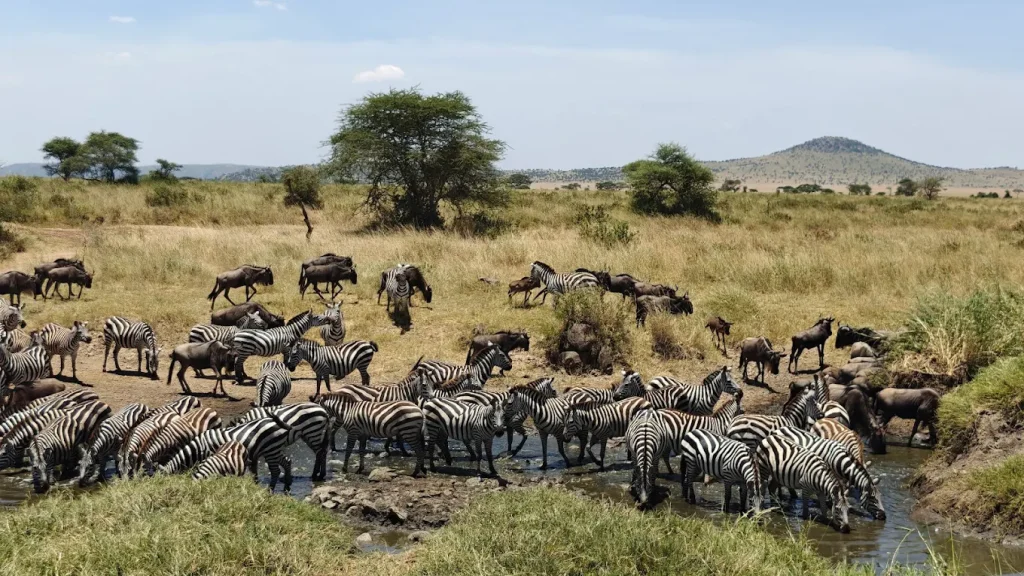
Tanzania is among Africa’s leading safari destinations because of its remarkable wildlife diversity, beautiful scenery, and extensive network of protected natural areas.
1. Experience Incredible Wildlife
One of the main reasons travelers choose a Tanzania wildlife safari is the opportunity to see animals in their natural environment.
Tanzania supports large populations of African wildlife, including lions, elephants, leopards, buffaloes, giraffes, zebras, cheetahs, hippos, and numerous antelope species. Many parks also offer excellent birdwatching opportunities, with hundreds of bird species recorded across different habitats.
During a game drive, visitors may observe predators hunting, elephants moving through the bush, or giraffes feeding on the leaves of tall trees. Every outing is different, making each safari a unique adventure.
2. Witness the Great Wildebeest Migration – Tanzania Safari
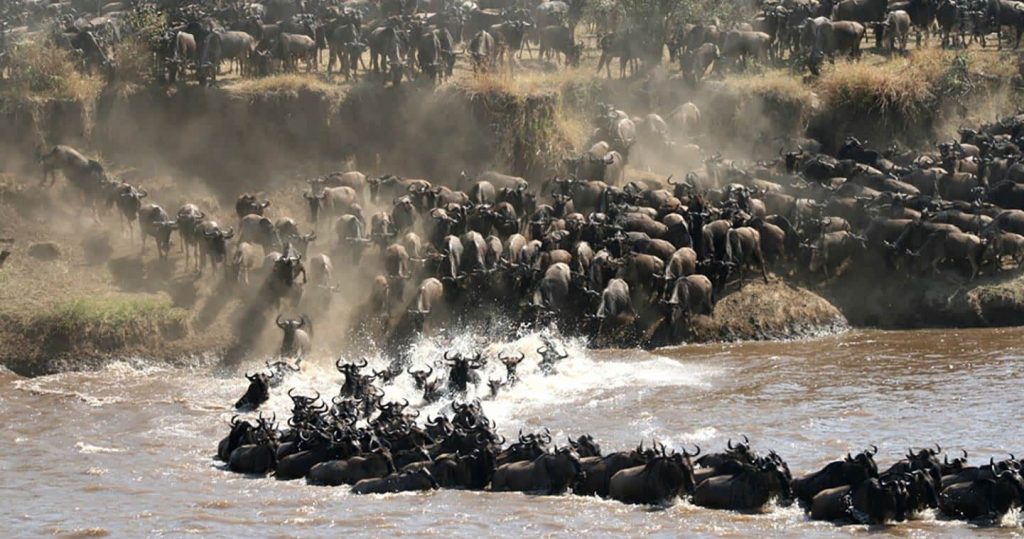
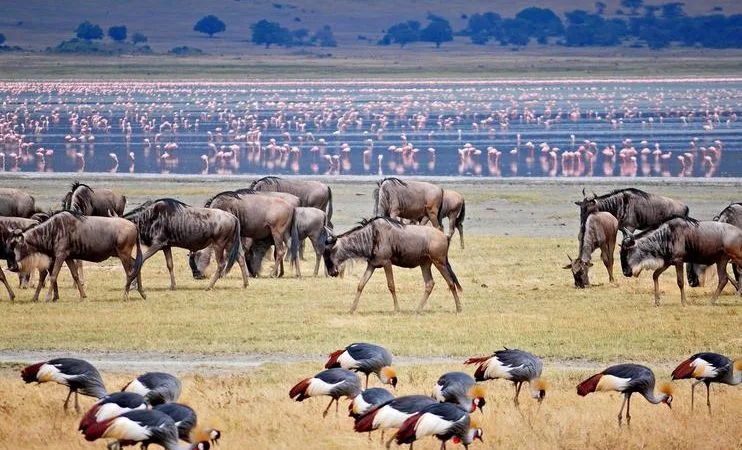
The Great Wildebeest Migration is one of the most remarkable wildlife spectacles in the world. Each year, enormous herds of wildebeest, accompanied by zebras and other grazing animals, move through the Serengeti ecosystem in search of fresh grass and water.
Depending on the season, visitors may witness calving in the southern Serengeti, large herds crossing the plains, or dramatic river crossings in the northern Serengeti.
The migration follows rainfall and changing grazing conditions, so its location and timing vary from year to year. Travelers should choose their safari dates and locations carefully to improve their chances of witnessing a particular stage of the migration.
3. Explore Beautiful Natural Landscapes
Tanzania offers much more than wildlife viewing. Its landscapes range from endless golden savannahs and ancient baobab trees to lush forests, volcanic craters, lakes, mountains, and tropical coastlines.
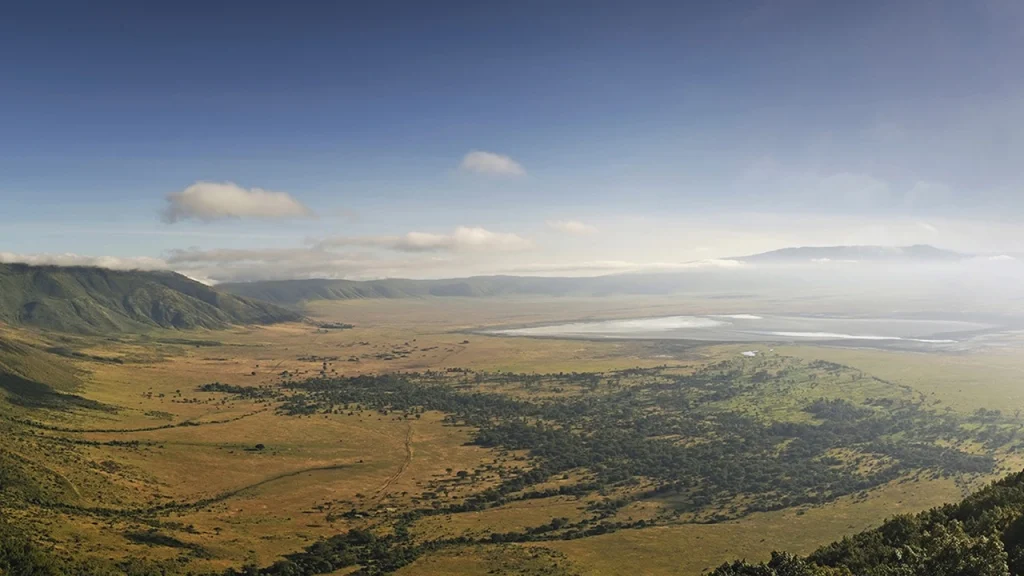
The Ngorongoro Crater provides spectacular views across a vast volcanic caldera. Tarangire National Park is famous for its large baobab trees and elephant herds, while Lake Natron features striking scenery and seasonal flamingo populations.
These different environments make Tanzania a fascinating destination for photographers, nature lovers, and adventurous travelers.
Best National Parks to Visit on a Tanzania Safari – Tanzania Safari
Choosing the right destinations is an important part of planning your safari. Each park offers different wildlife experiences, landscapes, and activities.
1. Serengeti National Park – Tanzania Safari
Serengeti National Park is one of Tanzania’s most famous wildlife destinations. Its enormous grasslands, scattered acacia trees, and abundant wildlife make it an essential stop on many northern Tanzania safari itineraries.
The park is particularly well known for the Great Wildebeest Migration, but wildlife viewing is rewarding throughout the year. Visitors may see lions, cheetahs, leopards, elephants, giraffes, hyenas, and many other animals.
Game drives are the main activity, allowing travelers to explore different areas of the park with an experienced safari guide. Depending on the location and season, visitors may also enjoy hot-air balloon safaris.
Serengeti is an excellent choice for first-time safari travelers, wildlife photographers, couples, and anyone hoping to experience the beauty of the African savannah.
2. Ngorongoro Conservation Area
The Ngorongoro Conservation Area is famous for the Ngorongoro Crater, a spectacular volcanic caldera that supports a remarkable concentration of wildlife.
A descent into the crater offers opportunities to see zebras, wildebeest, buffaloes, elephants, hippos, and lions. The area is also one of the notable places in Tanzania to look for black rhinos, although sightings are never guaranteed.
The crater’s dramatic scenery makes it a highlight of many Tanzania safari packages. Travelers can combine a crater game drive with visits to nearby cultural attractions or continue to Serengeti National Park.
3. Tarangire National Park – Tanzania Safari
Tarangire National Park is a wonderful destination for travelers interested in elephants, birdlife, and beautiful natural scenery.
The park is known for its large baobab trees, seasonal swamps, and diverse wildlife. During the dry season, animals gather around reliable water sources, creating excellent opportunities for game viewing.
Visitors may encounter elephants, lions, giraffes, zebras, wildebeest, and a variety of antelope species. The park also attracts many birdwatchers because of its rich birdlife.
Tarangire is often included in three-day, five-day, and seven-day Tanzania safari itineraries alongside Lake Manyara, Ngorongoro, and Serengeti.
4. Lake Manyara National Park
Lake Manyara National Park offers a diverse safari experience within a relatively compact area. Its landscapes include groundwater forests, open woodland, grassy floodplains, and the alkaline lake.
The park is home to elephants, baboons, giraffes, zebras, hippos, and many bird species. Flamingos may be present when conditions are suitable.
Lake Manyara is also associated with tree-climbing lions, although seeing this unusual behavior requires luck.
Because of its location near other northern circuit attractions, Lake Manyara is a useful addition to a safari itinerary for travelers who want to explore several ecosystems during one trip.
5. Nyerere National Park – Tanzania Safari
For a safari away from some of the busier northern circuit routes, Nyerere National Park offers a different wilderness experience in southern Tanzania.
Its expansive landscapes, river systems, woodlands, and open plains support elephants, lions, giraffes, hippos, crocodiles, and many other animals.
Depending on the area and operator, activities may include traditional game drives, boat safaris, and guided walking experiences.
Nyerere is a strong option for travelers seeking a longer southern Tanzania safari, a quieter atmosphere, or a combination of wildlife and river-based activities.
6. Ruaha National Park – Tanzania Safari
Ruaha National Park is renowned for its rugged landscapes, large elephant populations, and excellent opportunities for wildlife viewing.
The Great Ruaha River and other seasonal water sources influence animal movements, especially during dry periods. Visitors may encounter lions, leopards, elephants, giraffes, buffaloes, and a wide range of bird species.
Ruaha is particularly appealing to experienced safari travelers who appreciate remote wilderness areas and a sense of being far from busy tourist centers.

Best Time to Go on a Tanzania Safari
Tanzania is a year-round safari destination, but the best time to visit depends on your interests, preferred destinations, and budget.
Dry Season: June to October
The dry season is generally one of the most popular periods for wildlife safaris. With less rain and reduced vegetation in many areas, animals can be easier to spot around rivers and water sources.
This period is especially attractive for game drives in Serengeti, Tarangire, and other major wildlife areas.
It can also be a good time to look for parts of the Great Migration in the western or northern Serengeti, depending on annual conditions.
Green Season: November to May – Tanzania Safari
The green season brings changing landscapes, fresh vegetation, and excellent birdwatching opportunities. Some periods are quieter than the peak dry season, and certain lodges may offer more attractive rates.
January and February are often important months for wildebeest calving in the southern Serengeti and Ndutu area, although exact timing varies.
The long rains commonly occur around March to May, but rainfall patterns can change. Some roads may become difficult to navigate, so selecting suitable accommodation and transport is important.
When Is the Best Time to See the Great Migration?
There is no single month that guarantees the best migration experience throughout Tanzania.
- January to March: Often a good period to explore the southern Serengeti and Ndutu for wildebeest calving.
- April to May: Herd movements depend on rainfall, and some areas experience heavier rain.
- June to July: Herds may move through the western Serengeti and toward the Grumeti region.
- July to October: Northern Serengeti may offer opportunities to see herds near the Mara River.
- November to December: Herds often move back toward the eastern and southern Serengeti.
These are general patterns rather than fixed dates. A knowledgeable local safari operator can help select locations based on recent herd movements and current conditions.
Popular Tanzania Safari Packages – Tanzania Safari
Tanzania offers safari packages for different schedules, budgets, and travel styles.
Three-Day Tanzania Safari
A three-day safari is ideal for travelers with limited time. It can focus on destinations such as Tarangire, Ngorongoro Crater, and Lake Manyara, depending on departure arrangements and the itinerary.
This option is suitable for short holidays, business travelers, or visitors adding a safari to a longer East African trip.
Five-Day Tanzania Safari – Tanzania Safari
A five-day safari allows more time to explore the northern safari circuit. Travelers may combine Serengeti National Park with Ngorongoro Crater and another destination, depending on their priorities.
This duration offers a balance between wildlife viewing, travel time, and relaxation.
Seven-Day Tanzania Safari
A seven-day safari provides a more comprehensive experience. Visitors can spend several days exploring Serengeti, descend into Ngorongoro Crater, and visit Tarangire or Lake Manyara.
The additional time allows for longer game drives and a better chance of exploring different habitats.
Luxury Tanzania Safari – Tanzania Safari
Luxury Tanzania safaris feature carefully selected lodges, elegant tented camps, personalized service, and comfortable transport. Some itineraries include private guides, scenic flights, or hot-air balloon experiences.
Luxury packages are suitable for honeymooners, couples, photographers, and travelers seeking a more exclusive wilderness experience.
Budget Tanzania Camping Safari
Budget camping safaris make Tanzania more accessible to travelers who want an authentic outdoor adventure without paying for luxury accommodation.
Depending on the package, travelers may stay at public campsites or simple lodgings, travel in shared or private safari vehicles, and enjoy meals organized by the operator.
Comparing inclusions is important because camping standards, park fees, transport, and meal arrangements vary between companies.
Exciting Things to Do on a Tanzania Safari – Tanzania Safari
A Tanzania safari is not limited to sitting in a vehicle and observing animals. There are many ways to experience the country’s natural and cultural attractions.
Enjoy Guided Game Drives
Game drives are the foundation of most wildlife safaris. A professional guide helps travelers locate animals, interpret their behavior, and understand the surrounding ecosystem.
Early morning and late afternoon drives can be particularly rewarding because many animals are more active during cooler hours.
Experience a Hot-Air Balloon Safari – Tanzania Safari
In selected areas of the Serengeti, hot-air balloon safaris provide a different perspective on the plains and wildlife below.
Flights usually take place around sunrise and are weather-dependent. They are often offered as an additional activity and should be booked in advance.
Visit Local Communities
Cultural visits can help travelers learn about Tanzania’s diverse communities, traditions, food, crafts, and ways of life.
Experiences may include guided village visits or cultural programs arranged with local communities. Travelers should choose responsible operators that respect local customs and ensure community participation and benefits.
Climb Mount Kilimanjaro – Tanzania Safari
Mount Kilimanjaro attracts adventurers from around the world. As Africa’s highest mountain, it offers a challenging trekking experience through changing vegetation zones and spectacular mountain scenery.
Popular routes include Machame, Lemosho, Marangu, and Rongai. Climbers should allow sufficient time for acclimatization and choose a responsible operator that prioritizes safety and appropriate guide support.
Relax on Zanzibar’s Beaches
After several days of wildlife viewing, Zanzibar offers an opportunity to unwind along beautiful beaches and explore historic Stone Town.
Visitors can enjoy snorkeling, diving, spice tours, dhow excursions, and coastal relaxation. Combining a Tanzania safari with a Zanzibar beach holiday is an excellent way to experience both the mainland’s wilderness and the Indian Ocean coast.
How Much Does a Tanzania Safari Cost? – Tanzania Safari
The cost of a Tanzania safari depends on the length of the trip, travel season, accommodation, park fees, transport, group size, and included activities.
Budget camping safaris generally cost less than mid-range lodge safaris, while luxury trips can be considerably more expensive.
Important expenses to consider include:
- National park and conservation fees.
- Safari vehicle and professional guide services.
- Accommodation and meals.
- Airport transfers and domestic flights, where applicable.
- Optional activities, such as balloon safaris.
- Travel insurance, visas, and personal expenses.
When comparing Tanzania safari packages, check whether quoted prices include park fees, taxes, accommodation, meals, drinking water, airport transfers, and any additional activities.
The cheapest package is not always the best value. Reliable transport, experienced guides, transparent pricing, and well-planned routes can make a significant difference to your experience.
What to Pack for a Tanzania Safari – Tanzania Safari
Packing appropriately helps make your safari more comfortable.
Consider bringing:
- Lightweight, neutral-colored clothing.
- A warm jacket for early mornings and cool evenings.
- Comfortable walking shoes.
- A wide-brimmed hat and sunglasses.
- Sunscreen and insect repellent.
- Binoculars for wildlife viewing.
- A camera and spare batteries.
- Personal medication and basic toiletries.
- A reusable water bottle.
- A small daypack and travel documents.
If you are visiting during the rainy season, include a lightweight waterproof jacket. Travelers climbing Kilimanjaro will need additional technical clothing and trekking equipment appropriate for cold, high-altitude conditions.
Always check luggage restrictions before taking domestic flights, particularly on small safari aircraft.
Tips for Planning a Successful Tanzania Safari – Tanzania Safari
A well-planned safari allows you to enjoy more wildlife viewing while avoiding unnecessary travel stress.
Choose destinations according to your interests. Serengeti is excellent for wide-open plains and migration experiences, Tarangire is known for elephants and baobabs, and Ngorongoro offers remarkable crater scenery and wildlife.
Select the right trip duration. Three days may suit a short visit, while five to seven days or longer provides more time to explore several parks.
Book early for popular travel periods. Accommodation in sought-after areas can fill up during peak season and major migration periods.
Travel with a reputable safari operator. Look for transparent pricing, knowledgeable guides, appropriate vehicles, clear cancellation terms, and responsible tourism practices.
Allow time for wildlife viewing. Animals move freely, and sightings cannot be guaranteed. Flexible schedules and experienced guides can improve the overall experience.
Respect wildlife and nature. Maintain safe distances from animals, follow your guide’s instructions, avoid littering, and support conservation-minded businesses.
Check travel requirements. Review visa rules, travel insurance, health recommendations, and any relevant entry requirements before departure.
Tanzania Safari for Families, Couples, and Solo Travelers
Tanzania can accommodate many types of travelers when the itinerary is planned appropriately.
Families may prefer comfortable lodges, shorter driving days, and destinations with convenient access. Parents should check age restrictions for game drives, walking activities, and specific accommodations.
Couples can choose private safaris, romantic tented camps, sunset experiences, and combinations of wildlife viewing with Zanzibar beach relaxation.
Solo travelers may join group safaris to share some costs or arrange a private itinerary for greater flexibility. Before booking, confirm the single-room supplement, group size, and transport arrangements.
Photographers can benefit from longer stays in selected locations, allowing time to observe animal behavior and work with changing light conditions.
Responsible Tourism and Wildlife Conservation – Tanzania Safari
Tanzania’s wildlife and natural landscapes are valuable resources that deserve protection. Responsible tourism helps support conservation initiatives and the communities living near protected areas.
Travelers can contribute by choosing operators that follow wildlife regulations, treat staff fairly, minimize waste, and support locally owned businesses where possible.
Avoid activities that involve disturbing wild animals or encouraging inappropriate contact with wildlife. Respect cultural traditions when visiting communities, and ask permission before taking photographs of people.
By making thoughtful travel choices, visitors can help support the long-term protection of Tanzania’s remarkable natural heritage.
Conclusion: Plan Your Dream Tanzania Safari
A Tanzania safari offers an unforgettable opportunity to discover Africa’s wildlife, landscapes, and cultural diversity. From the extraordinary wildlife of Serengeti National Park to the dramatic scenery of Ngorongoro Crater and the elephant-filled plains of Tarangire, every destination brings a different experience.
Whether you choose a short budget camping trip, a private wildlife adventure, a luxury safari, or a longer journey combining several national parks, Tanzania offers rewarding experiences for many kinds of travelers.
You can make your trip even more memorable by adding a Mount Kilimanjaro trek, a cultural experience, or a relaxing Zanzibar beach holiday.
The key to a successful safari is choosing the right destinations, traveling at a suitable time, and working with a reliable tour operator who understands your interests and budget.
Start planning your Tanzania safari today and discover the extraordinary beauty of the African wilderness.
Frequently Asked Questions About Tanzania Safaris – Tanzania Safari
1. What is the best time to visit Tanzania for a safari?
June to October is generally popular for wildlife viewing because many areas are relatively dry. January and February can be excellent for exploring the southern Serengeti and Ndutu during the wildebeest calving period.
2. How many days are enough for a Tanzania safari?
Three days can provide a short safari experience, while five to seven days allows travelers to explore several destinations at a more comfortable pace. Longer trips are suitable for travelers visiting remote parks or combining wildlife viewing with mountain trekking and beach holidays.
3. Which national park is best for a Tanzania safari? – Tanzania Safari
Serengeti National Park is famous for the Great Migration and extensive wildlife viewing. Ngorongoro is known for its crater and wildlife density, while Tarangire is renowned for elephants and baobab trees. The best choice depends on your travel dates and interests.
4. Can I combine a Tanzania safari with Zanzibar?
Yes. Many itineraries combine northern Tanzania’s national parks with Zanzibar’s beaches. Travelers can arrange road transfers or flights depending on their route, schedule, and budget.
5. Is Tanzania suitable for a first-time safari? – Tanzania Safari
Yes. Tanzania offers established safari routes, a range of accommodation options, experienced guides, and destinations suitable for first-time visitors.
6. What animals can I see on a Tanzania safari?
Depending on the parks and season, you may see lions, elephants, leopards, buffaloes, giraffes, zebras, wildebeest, hippos, hyenas, cheetahs, and many bird species. Wildlife sightings vary, and no operator can guarantee seeing every animal.
7. How do I choose the best Tanzania safari company? – Tanzania Safari
Compare itineraries, inclusions, reviews, accommodation, guide experience, safety standards, and cancellation policies. A reliable operator should explain costs clearly and tailor the itinerary to your travel interests.