
Discover Africa’s Incredible Animals and Natural Wonders
Experience the Beauty of a Tanzania Wildlife Safari
Tanzania Wildlife Safari: Discover Africa’s Incredible Animals and Natural Wonders. A Tanzania wildlife safari is one of the most exciting ways to explore Africa’s natural beauty. Famous for its incredible wildlife, breathtaking landscapes, and world-renowned national parks, Tanzania offers unforgettable opportunities to observe wild animals in their natural habitats.
From watching lions resting beneath acacia trees to seeing elephants crossing open grasslands, a wildlife safari brings visitors closer to the wonders of the African wilderness. Travelers can explore vast savannah plains, discover ancient baobab trees, observe hippos in rivers, and witness thousands of wildebeest moving across the Serengeti ecosystem during the Great Migration.
Tanzania is home to some of Africa’s most celebrated wildlife destinations, including Serengeti National Park, Ngorongoro Conservation Area, Tarangire National Park, and Nyerere National Park. Each destination offers unique landscapes, animal species, and safari experiences.
Whether you are planning your first African adventure, a family holiday, a romantic getaway, or a luxury wildlife expedition, Tanzania offers safari experiences for different interests and budgets.
In this guide, you will discover the best places for a Tanzania wildlife safari, the animals you can see, the best time to visit, popular safari activities, and practical tips for planning an unforgettable journey.
Why Choose Tanzania for a Wildlife Safari?
Tanzania is one of Africa’s leading wildlife safari destinations because of its remarkable biodiversity, protected natural areas, and diverse landscapes.
1. Experience Incredible Wildlife Diversity
One of the biggest attractions of a Tanzania wildlife safari is the opportunity to observe a wide variety of African animals in their natural environment.
The country supports large populations of elephants, lions, giraffes, zebras, buffaloes, wildebeest, hippos, and many antelope species. Leopards and cheetahs can also be seen in suitable habitats, although sightings depend on luck and local conditions.
During a game drive, visitors may observe elephants feeding, giraffes browsing on tree branches, zebras grazing across the plains, or lions resting in the shade.
Experienced safari guides help identify animals, explain their behavior, and share information about the ecosystems that support them.
2. Witness the Great Wildebeest Migration
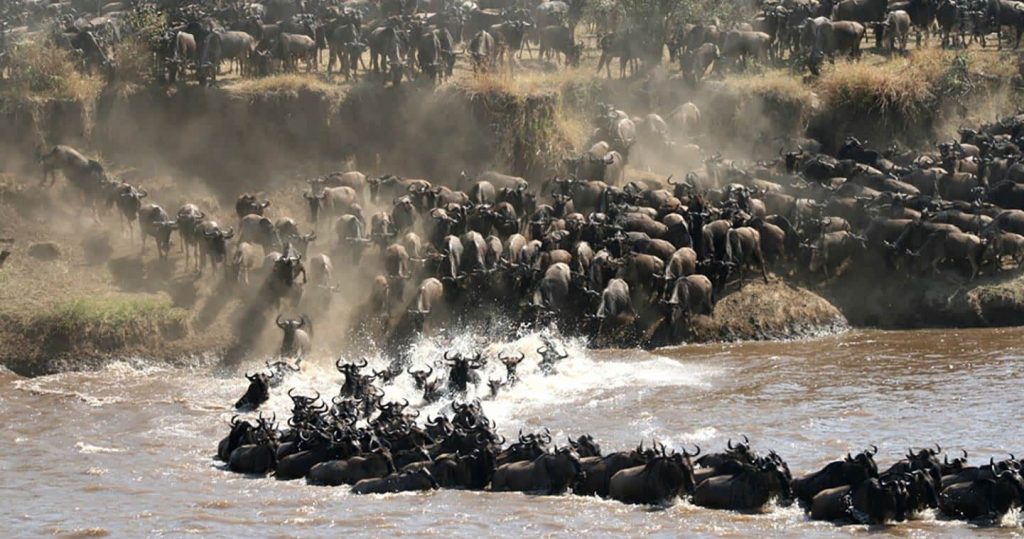
The Great Wildebeest Migration is one of the world’s most extraordinary wildlife spectacles.
Every year, enormous herds of wildebeest move through the Serengeti ecosystem in search of fresh grass and water. They are accompanied by zebras and other grazing animals, creating an impressive movement of wildlife across the plains.
Depending on the season, visitors may witness wildebeest calving in the southern Serengeti, herds traveling through the western corridor, or animals gathering near the Mara River in the north.
The migration also attracts predators, including lions, cheetahs, hyenas, and crocodiles. These interactions form part of the natural balance of the ecosystem.
The migration follows changing rainfall and grazing conditions, so the herds do not follow a completely fixed timetable. Travelers hoping to see a particular stage should select their safari dates and accommodation locations carefully.
3. Explore Beautiful Natural Landscapes
Tanzania’s wildlife habitats range from open grasslands and acacia woodlands to dense forests, wetlands, lakes, rivers, and volcanic landscapes.
Serengeti is famous for its vast plains, Tarangire for its baobab trees and elephants, and Ngorongoro for its spectacular volcanic crater.
These contrasting environments provide habitats for different wildlife species and create excellent opportunities for photography and nature exploration.
4. Enjoy Authentic African Adventures
A Tanzania wildlife safari offers much more than watching animals from a vehicle.
Visitors can enjoy guided game drives, birdwatching, hot-air balloon safaris in selected areas, and guided nature walks where permitted and available.
Travelers can also combine wildlife viewing with cultural experiences, Mount Kilimanjaro trekking, or a beach holiday in Zanzibar.
This variety makes Tanzania an excellent destination for travelers who want to experience several aspects of Africa during one trip.
Best National Parks for a Tanzania Wildlife Safari
Choosing the right national parks is an important part of planning your wildlife adventure. Each park offers a different combination of animals, scenery, and activities.
1. Serengeti National Park
Serengeti National Park is one of the most famous wildlife destinations in the world. Its expansive grasslands, scattered acacia trees, and abundant wildlife create the classic African safari experience.
The park is particularly well known for the Great Wildebeest Migration, but wildlife viewing can be rewarding throughout the year.
Visitors may encounter lions, leopards, cheetahs, elephants, giraffes, zebras, wildebeest, hyenas, and many other species.
Game drives are the main activity, with early-morning and late-afternoon excursions offering opportunities to observe animal activity during cooler hours.
For a special experience, visitors can book a hot-air balloon safari in selected areas, weather permitting.
Serengeti is an excellent choice for wildlife enthusiasts, photographers, couples, and first-time safari travelers.

2. Ngorongoro Conservation Area
The Ngorongoro Conservation Area is famous for the Ngorongoro Crater, a vast volcanic caldera with beautiful scenery and a remarkable concentration of wildlife.
The crater floor supports animals such as zebras, wildebeest, buffaloes, elephants, hippos, and lions. It is also one of Tanzania’s notable locations for looking for endangered black rhinos.
Because wildlife can be found across a relatively compact area, a crater game drive can be rewarding for visitors with limited time.
The surrounding conservation area also contains important cultural and archaeological sites, offering opportunities to learn about the region’s human history.
Ngorongoro is frequently combined with Serengeti and Tarangire in northern Tanzania wildlife safari itineraries.
3. Tarangire National Park
Tarangire National Park is well known for its elephant populations, impressive baobab trees, and diverse wildlife.
During the dry season, animals often gather around dependable water sources, creating excellent opportunities for observation.
Visitors may see elephants, lions, giraffes, zebras, wildebeest, buffaloes, and numerous bird species.
The park’s dramatic landscapes make it particularly attractive to wildlife photographers and travelers interested in elephants.
Tarangire is an excellent addition to short wildlife safaris and longer northern circuit itineraries.
4. Lake Manyara National Park
Lake Manyara National Park offers a varied landscape that includes groundwater forests, woodland, open floodplains, and an alkaline lake.
The park is home to elephants, baboons, giraffes, hippos, and a wide variety of birds. Flamingos may appear when lake conditions are suitable.
Lake Manyara is also known for its tree-climbing lions, although spotting them in trees is not guaranteed.
Its location near other northern circuit destinations makes it a convenient stop for travelers who want to explore several habitats during one safari.
5. Nyerere National Park
Nyerere National Park offers a different wildlife experience in southern Tanzania. Its extensive wilderness includes river systems, woodland, grasslands, and diverse animal habitats.
Visitors may encounter elephants, lions, giraffes, hippos, crocodiles, and numerous bird species.
Depending on the area and operator, activities can include game drives, boat safaris, and guided walking experiences.
Nyerere is ideal for travelers seeking a southern Tanzania wildlife safari with opportunities to explore river environments and expansive wilderness.
6. Ruaha National Park
Ruaha National Park is known for its rugged landscapes, large elephant populations, and rich wildlife diversity.
The Great Ruaha River and other seasonal water sources influence animal movements, particularly during dry periods.
Visitors may see lions, leopards, elephants, giraffes, buffaloes, and a wide range of bird species.
Ruaha appeals to travelers who want to explore a less-visited safari destination and enjoy a more remote wilderness atmosphere.
Animals You Can See on a Tanzania Wildlife Safari
Tanzania’s national parks support an impressive variety of wildlife. Although sightings are never guaranteed, the country’s diverse ecosystems provide opportunities to observe many iconic African species.
The Big Five
The traditional Big Five are the lion, leopard, elephant, buffalo, and rhinoceros.
The term originally referred to five animals considered particularly challenging to hunt on foot. Today, it is widely used in wildlife tourism to describe some of Africa’s most sought-after safari sightings.
- Lions: Often found resting in shade or moving through grasslands while hunting or patrolling their territories.
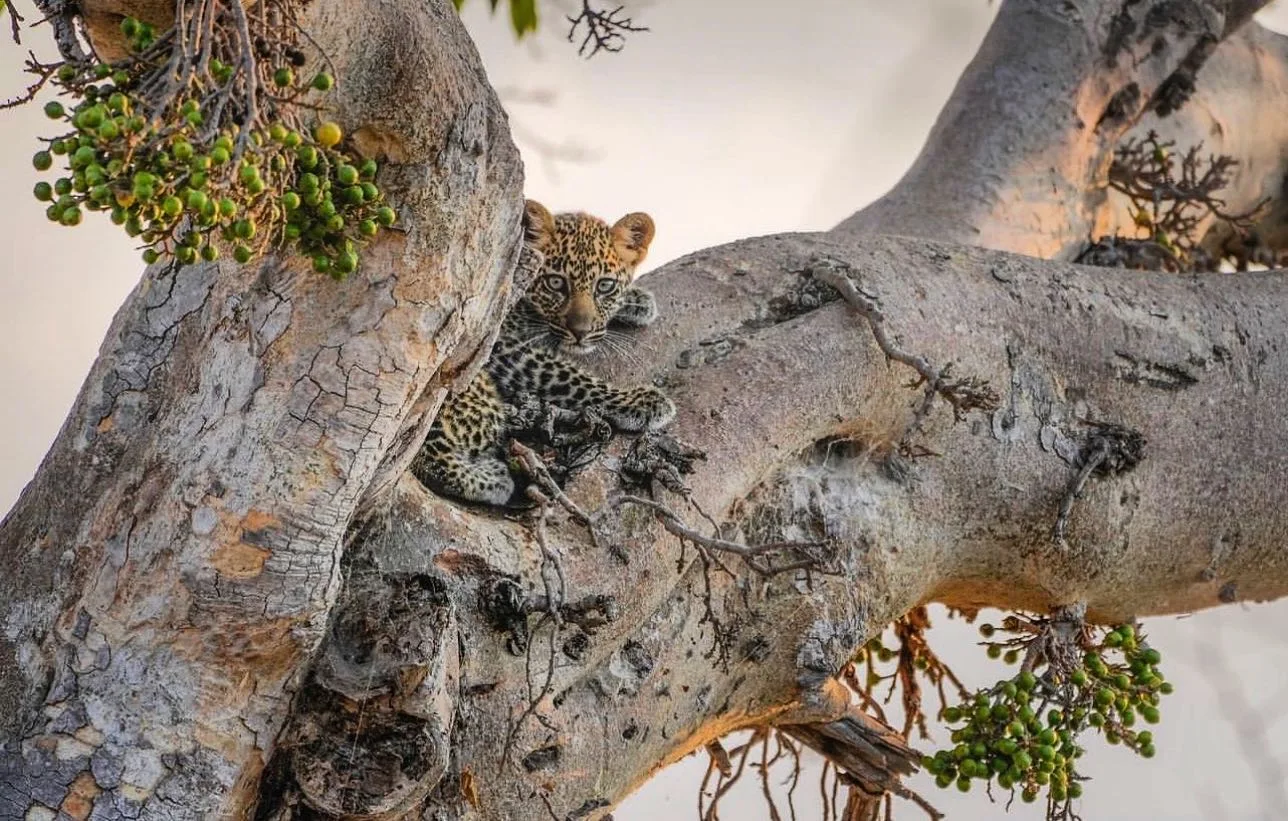
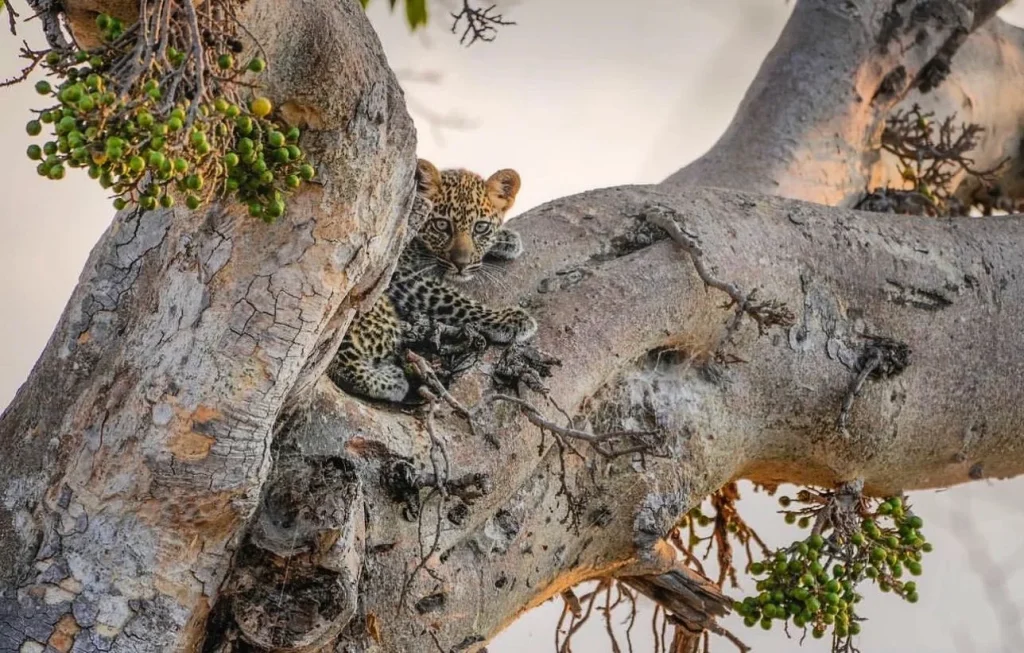
- Leopards: Solitary and elusive cats that may be seen resting in trees or moving through woodland.
- Elephants: Large, intelligent mammals that often travel in family groups and play an important role in shaping their habitats.
- Buffaloes: Powerful herbivores frequently found in herds across grasslands and woodland.
- Rhinoceroses: Endangered animals that require careful conservation protection. Black rhinos can sometimes be observed in the Ngorongoro area.
Seeing all five during one safari is possible, but it cannot be guaranteed.
Other Mammals
Beyond the Big Five, Tanzania supports many other fascinating animals.
Visitors may see giraffes feeding on tall trees, zebras grazing across open plains, wildebeest moving in large herds, cheetahs hunting in suitable grassland habitats, and hyenas searching for food.
Hippos can often be observed in rivers and pools, while crocodiles may be found along suitable waterways.
Antelope species, including impalas, gazelles, and waterbucks, are also common in many safari areas.
Birdlife
Tanzania is an excellent destination for birdwatching, with diverse habitats supporting resident and migratory bird species.
Depending on the location, visitors may observe ostriches, secretarybirds, eagles, vultures, kingfishers, hornbills, and numerous waterbirds.
Lakes and wetlands provide important feeding habitats for some bird species, while forests and woodlands support different communities of birds.
Travelers interested in birdwatching can arrange specialized safaris with guides who have strong knowledge of local birdlife.
Best Time to Visit Tanzania for a Wildlife Safari
Tanzania is a year-round safari destination, but the best time to visit depends on the wildlife experiences you want and the parks you plan to explore.
June to October: The Dry Season
The dry season is generally one of the most popular times for wildlife viewing.
Vegetation becomes thinner in many areas, and animals may gather around rivers and water sources. These conditions can make wildlife easier to spot during game drives.
This period is particularly popular for visiting Serengeti, Tarangire, and Ngorongoro.
Parts of the Great Migration may be found in the western or northern Serengeti, depending on rainfall and herd movements.
Because demand can be high, booking accommodation and safari vehicles early is advisable.
November to December: Green Landscapes and Short Rains
The short rains often bring fresh vegetation and greener landscapes to many parts of Tanzania.
Wildlife viewing remains rewarding, although rainfall can affect road conditions and animal movements.
Depending on the season, migration herds may begin moving toward the eastern and southern Serengeti.
These months can appeal to travelers who enjoy green scenery and want to explore outside some of the busiest travel periods.
January to February: Wildebeest Calving Season
January and February are often excellent months to visit the southern Serengeti and Ndutu area for the wildebeest calving season.
Large numbers of wildebeest give birth during this period, attracting predators and creating remarkable wildlife viewing opportunities.
Travelers may observe young wildebeest alongside adults, while lions, cheetahs, and hyenas remain part of the wider ecosystem.
The timing varies with rainfall, so it is helpful to check recent migration information before booking.
March to May: The Long Rains
The long rains commonly occur between March and May, although conditions vary from year to year.
The countryside becomes lush and green, and birdwatching can be particularly rewarding.
Some roads may become difficult to navigate, and certain camps or lodges may close seasonally.
Travelers visiting during this period should select their destinations and accommodation carefully and allow some flexibility in their plans.
Popular Tanzania Wildlife Safari Packages
The length of your safari determines how many parks you can explore and how much time you can spend observing wildlife.
Three-Day Tanzania Wildlife Safari
A three-day safari is suitable for travelers with limited time who want to experience Tanzania’s wildlife.
Depending on the starting point, the itinerary may include Tarangire, Ngorongoro Crater, or Lake Manyara.
This option is ideal for short holidays or travelers adding a safari to a longer East African trip.
Five-Day Tanzania Wildlife Safari
A five-day safari allows more time to explore the northern safari circuit.
Visitors may combine Serengeti, Ngorongoro Crater, and Tarangire or Lake Manyara, depending on their interests and travel arrangements.
This duration provides a good balance between wildlife viewing and time spent traveling between destinations.
Seven-Day Tanzania Wildlife Safari
A seven-day safari offers a more comprehensive experience.
Travelers can spend several days exploring Serengeti, visit Ngorongoro Crater, and include another national park.
The additional time allows for longer game drives and a better opportunity to explore different habitats.
It is an excellent choice for travelers interested in wildlife photography, the Great Migration, or a more relaxed safari itinerary.
Luxury Tanzania Wildlife Safari
Luxury wildlife safaris combine wildlife viewing with comfortable accommodation, personalized service, and carefully planned excursions.
Travelers may stay in luxury lodges or tented camps, enjoy private game drives, and arrange special experiences such as hot-air balloon safaris.
These packages are suitable for couples, honeymooners, photographers, and travelers seeking a premium wilderness experience.
Budget Tanzania Wildlife Safari
Budget wildlife safaris make Tanzania more accessible to travelers who want to explore the national parks without paying for luxury accommodation.
Packages may include camping, simple lodges, shared safari vehicles, and group travel.
When comparing prices, check the accommodation standards, group size, park fees, transport, meals, and any additional expenses.
A well-organized budget safari can still offer memorable wildlife encounters and excellent opportunities to appreciate Tanzania’s natural beauty.
Exciting Activities on a Tanzania Wildlife Safari
Guided Game Drives
Game drives are the main activity on most wildlife safaris.
Visitors travel through national parks in safari vehicles with experienced guides who help locate animals and explain their behavior.
Morning and afternoon drives can be particularly rewarding because wildlife may be more active during cooler hours.
Wildlife Photography
Tanzania offers excellent opportunities for wildlife photography, from close-up animal portraits to dramatic landscapes and large herds.
A camera with a suitable zoom lens, spare batteries, and extra memory cards can be useful.
Travelers should be patient, follow their guide’s instructions, and avoid disturbing animals for photographs.
Hot-Air Balloon Safaris
Hot-air balloon safaris are available in selected parts of the Serengeti.
These early-morning experiences provide aerial views of the plains, rivers, and wildlife below. Flights depend on weather conditions and usually require advance booking.
Birdwatching
Birdwatching allows visitors to discover another important part of Tanzania’s biodiversity.
Experienced guides can help identify species, explain bird behavior, and locate habitats that support different birds.
Guided Nature Walks
Guided nature walks are available in selected areas and under specific park or reserve rules.
Walking experiences offer opportunities to learn about plants, animal tracks, insects, and smaller details that may be missed during a vehicle-based safari.
Always follow the guide’s instructions and use an authorized walking guide.
How Much Does a Tanzania Wildlife Safari Cost?
The cost of a Tanzania wildlife safari depends on several factors, including the length of the trip, accommodation, season, park fees, transport, and activities.
Budget camping safaris are generally less expensive than lodge-based tours, while luxury safaris may include premium accommodation, private vehicles, and domestic flights.
When planning your budget, consider:
- National park and conservation fees.
- Safari vehicle and professional guide services.
- Accommodation and meals.
- Airport transfers and domestic flights, where applicable.
- Optional experiences, such as balloon safaris.
- Travel insurance, visas, tips, and personal expenses.
Always request a clear breakdown of the package price. Some tours include park fees and meals, while others charge additional amounts for certain services.
Comparing the complete itinerary and inclusions will help you understand which safari offers the best value for your budget.
What to Pack for a Tanzania Wildlife Safari
Packing the right items helps you stay comfortable throughout your trip.
Consider bringing:
- Lightweight, breathable clothing in neutral colors.
- A warm jacket for early mornings and cool evenings.
- Comfortable walking shoes.
- A wide-brimmed hat and sunglasses.
- Sunscreen and insect repellent.
- Binoculars for observing distant animals.
- A camera with spare batteries and memory cards.
- Personal medication and basic toiletries.
- A reusable water bottle.
- A small daypack and essential travel documents.
A lightweight waterproof jacket is useful during rainy periods. Travelers taking domestic flights should also check luggage restrictions, especially on small safari aircraft.
Tips for Planning a Successful Tanzania Wildlife Safari
Choose the Right National Parks
Select parks according to your interests. Serengeti is famous for its migration and wide-open plains, Tarangire is renowned for elephants, and Ngorongoro offers dramatic scenery and concentrated wildlife viewing.
Choose a Suitable Travel Season
Think about the wildlife experiences you want to see before selecting your dates. Migration-focused trips require careful planning because herds move in response to rainfall and grazing conditions.
Book With a Reliable Safari Operator
Look for a company with experienced guides, transparent prices, suitable vehicles, clear booking terms, and positive recent customer feedback.
Allow Enough Time for Wildlife Viewing
Avoid planning too many destinations into a short trip. Spending sufficient time in each park can make your safari more relaxing and rewarding.
Respect Wildlife and Nature
Keep a safe distance from animals, follow park regulations, avoid littering, and never encourage drivers to disturb wildlife for a better view.
Prepare Your Travel Documents
Check visa requirements, travel insurance, health recommendations, and entry requirements before departure.
Responsible Tourism and Wildlife Conservation
Tanzania’s wildlife and natural habitats are valuable resources that require long-term protection.
Responsible tourism helps support conservation efforts and communities living near protected areas.
Visitors can contribute by choosing operators that respect wildlife regulations, treat staff fairly, reduce waste, and support local businesses.
Avoid activities that involve disturbing wild animals or encouraging inappropriate contact with wildlife. When visiting local communities, respect cultural traditions and ask permission before taking photographs of people.
By traveling responsibly, visitors can help preserve Tanzania’s wildlife heritage for future generations.
Conclusion: Plan Your Tanzania Wildlife Safari Today
A Tanzania wildlife safari offers an unforgettable opportunity to explore Africa’s extraordinary animals, natural landscapes, and diverse ecosystems.
From the vast plains of Serengeti National Park to the wildlife-rich Ngorongoro Crater and the elephant-filled landscapes of Tarangire, Tanzania provides exceptional experiences for nature lovers and adventure travelers.
Whether you choose a budget camping safari, a luxury wildlife adventure, a private guided tour, or a longer journey through several national parks, you can tailor your experience to your interests, travel dates, and budget.
You can make your journey even more memorable by witnessing the Great Wildebeest Migration, enjoying a hot-air balloon safari, climbing Mount Kilimanjaro, or relaxing on Zanzibar’s beaches after your wildlife adventure.
With thoughtful planning and a reliable safari operator, you can experience the beauty of Tanzania’s wilderness while supporting responsible tourism and conservation.
Start planning your Tanzania wildlife safari and discover why this remarkable country remains one of Africa’s most treasured wildlife destinations.
Frequently Asked Questions About Tanzania Wildlife Safaris
1. What is the best national park for a Tanzania wildlife safari?
Serengeti National Park is famous for its wildlife diversity and the Great Wildebeest Migration. Ngorongoro is known for its crater and wildlife density, while Tarangire is particularly renowned for elephants and baobab trees.
2. What animals can I see on a Tanzania wildlife safari?
Depending on the destination and season, you may see lions, elephants, leopards, buffaloes, giraffes, zebras, wildebeest, cheetahs, hippos, hyenas, and many bird species.
3. What is the best month for a Tanzania wildlife safari?
June to October is generally popular for wildlife viewing, while January and February are often good months for visiting the southern Serengeti and Ndutu during the wildebeest calving season. The best month depends on your preferred destination and wildlife interests.
4. How many days are enough for a Tanzania wildlife safari?
Three days can provide a short wildlife experience, while five to seven days allows travelers to explore several national parks at a more comfortable pace.
5. Can I see the Great Migration in Tanzania?
Yes. The Great Wildebeest Migration moves through the Serengeti ecosystem throughout the year. The best location depends on the season, rainfall, and movement of the herds.
6. Are Tanzania wildlife safaris suitable for families?
Yes. Many operators offer family-friendly itineraries with suitable accommodation and activities. Families should check age restrictions and choose routes with comfortable driving times.
7. How can I book a Tanzania wildlife safari?
Choose your preferred destinations, travel dates, accommodation style, and budget. Then compare reputable safari operators, review the itinerary and inclusions, and confirm the booking terms before paying.