The Ultimate Tanzania Wildlife Adventure
Tarangire and Serengeti Safari: The Ultimate Tanzania Wildlife Adventure. A Tarangire and Serengeti safari is one of the best ways to experience the incredible wildlife, spectacular landscapes, and unforgettable adventures of northern Tanzania. This safari combines two remarkable national parks, each offering a unique experience of Africa’s natural beauty.
Tarangire National Park is famous for its large elephant herds, ancient baobab trees, diverse birdlife, and beautiful river valleys. In contrast, Serengeti National Park is renowned for its endless grasslands, abundant predators, and the spectacular Great Wildebeest Migration.
Together, these destinations create an exceptional safari experience for travellers who want to discover Tanzania’s wildlife, enjoy exciting game drives, photograph magnificent animals, and explore some of Africa’s most iconic landscapes.
Whether you are planning a romantic holiday, a family adventure, a photography safari, or your first African wildlife experience, a Tarangire and Serengeti safari offers an excellent opportunity to discover the wonders of Tanzania.
Why Choose a Tarangire and Serengeti Safari? – Tarangire and Serengeti Safari
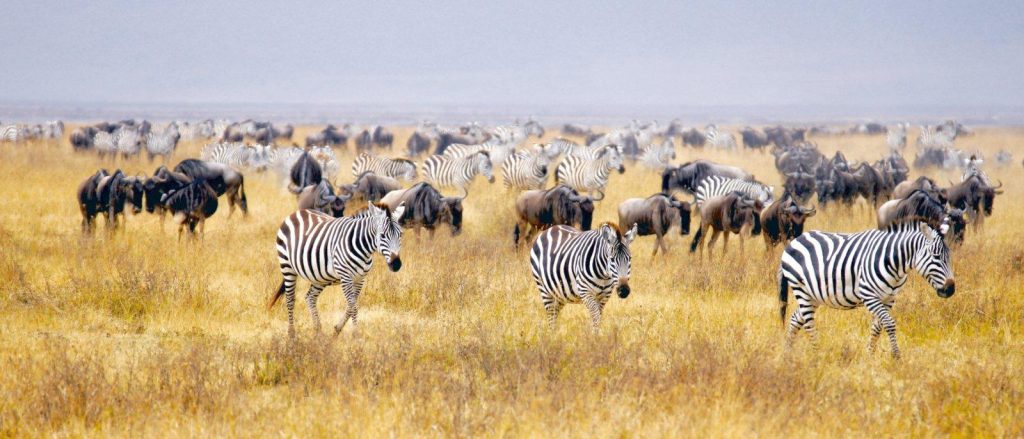
Combining Tarangire and Serengeti allows you to experience two different wildlife environments in one memorable journey. From the woodlands and river valleys of Tarangire to the vast open plains of the Serengeti, each park provides its own attractions and wildlife encounters.
Here are the main reasons to include both parks in your Tanzania safari itinerary.
1. Experience Tarangire’s Famous Elephant Herds
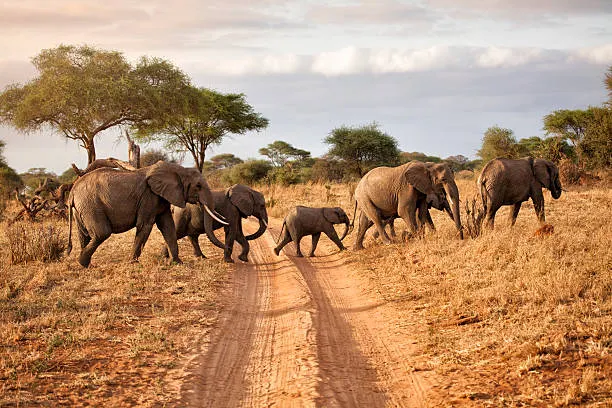
Tarangire National Park is one of Tanzania’s most celebrated destinations for elephant viewing. Its diverse habitats provide food, shelter, and seasonal water sources for elephants and many other wild animals.
During your game drive, you may see elephants walking through the woodland, feeding on vegetation, or gathering around the Tarangire River. Observing family groups and young calves in their natural environment is often one of the highlights of the safari.
The park also offers opportunities to see giraffes, zebras, buffaloes, wildebeest, antelopes, and predators.
Tarangire’s distinctive baobab trees add to the experience, creating beautiful scenery for wildlife photography and making the park easily recognisable.
2. Explore the Endless Plains of the Serengeti – Tarangire and Serengeti Safari
The Serengeti is one of Africa’s most famous safari destinations. Its enormous grasslands, rocky outcrops, seasonal rivers, and scattered acacia trees support an extraordinary variety of wildlife.
Game drives across the plains provide opportunities to search for lions, elephants, giraffes, zebras, buffaloes, cheetahs, hyenas, and other animals.
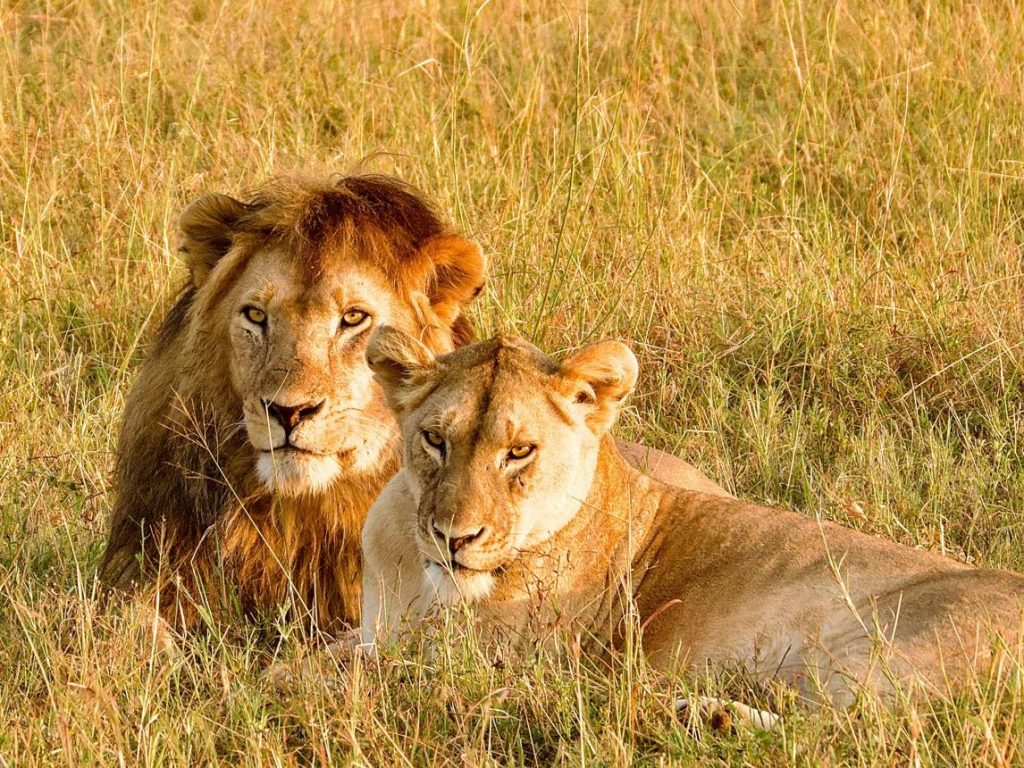
The Serengeti is especially famous for its predators. Lions can often be seen resting in the grass or beneath trees, while cheetahs sometimes use open plains to search for prey. Leopards may be found resting in trees or hiding in dense vegetation, although sightings are less predictable.
Every game drive is different because wildlife moves freely throughout the ecosystem. An experienced guide can help you locate animals, explain their behaviour, and identify interesting wildlife encounters.
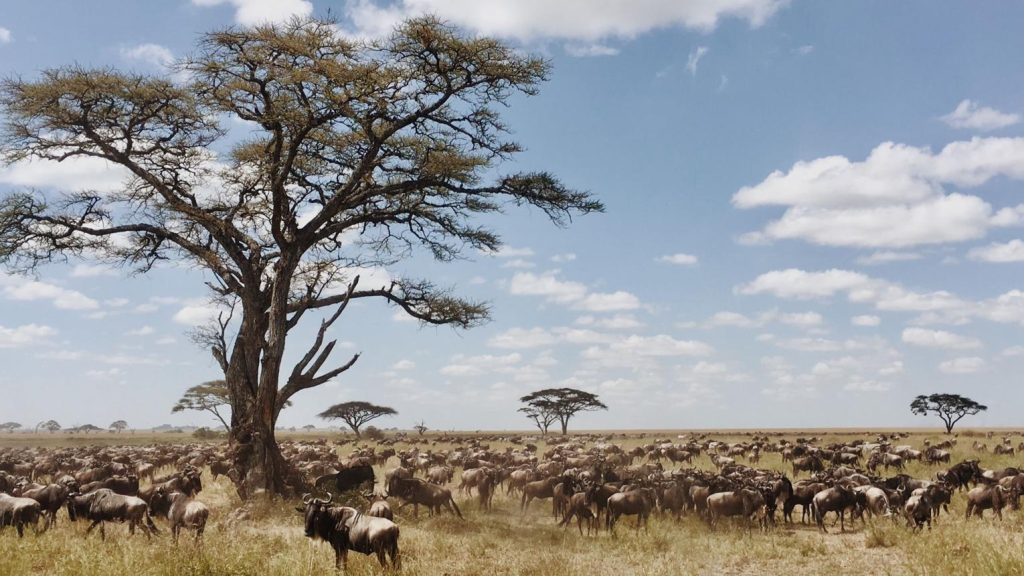
3. Witness the Great Wildebeest Migration
One of the greatest attractions of a Serengeti safari is the Great Wildebeest Migration.
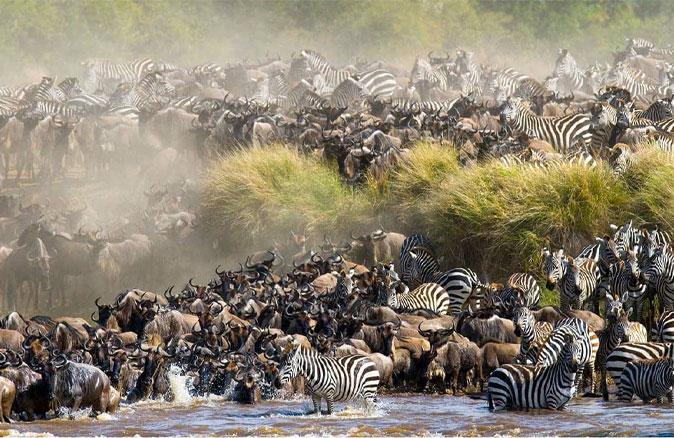
Every year, enormous herds of wildebeest and zebras move through the Serengeti ecosystem in search of fresh grass and water. Their movements follow seasonal rainfall and changing grazing conditions.
Depending on the time of year, visitors may witness:
-
Large herds grazing across the open plains.
-
Wildebeest and zebras moving together across the landscape.
-
Predator activity around migrating herds.
-
Calving activity in the southern Serengeti during the main calving season.
-
Dramatic river crossings when the herds reach suitable crossing points.
River crossings are unpredictable, and the migration does not follow a fixed timetable. The best location for viewing the herds depends on the season and recent rainfall.
Combining Tarangire with the Serengeti gives you an opportunity to enjoy the elephants and baobabs of Tarangire alongside the remarkable wildlife spectacles of the Serengeti.
Detailed Tarangire and Serengeti Safari Itinerary – Tarangire and Serengeti Safari
A Tarangire and Serengeti safari can be organised into a three-, four-, five-, or six-day adventure, depending on your budget, travel dates, and preferred pace.
For the best experience, a four- or five-day safari allows you to enjoy wildlife viewing in both parks without spending too much time travelling between destinations.
Here is an example of a five-day itinerary.
Day 1: Arrival in Arusha
Upon arrival at Kilimanjaro International Airport or Arusha Airport, you will meet your driver-guide and transfer to your hotel in Arusha.
Depending on your arrival time, you can relax at your accommodation, explore the town, or prepare for your safari.
Your guide will brief you about the journey, discuss the itinerary, and explain what to expect during your wildlife adventure.
Main activities:
-
Airport pick-up and hotel transfer.
-
Safari briefing and itinerary confirmation.
-
Relaxation and preparation for the next day’s adventure.
Accommodation: Hotel in Arusha.
Day 2: Full-Day Safari in Tarangire National Park
After breakfast, depart for Tarangire National Park, located approximately 2.5–3 hours by road from Arusha under favourable conditions.
Tarangire National Park+1
Upon arrival, begin your game drive through the park’s beautiful landscapes. Tarangire’s river valleys, woodlands, grasslands, and seasonal swamps support a wide range of wildlife.
Look for elephants moving between baobab trees, giraffes browsing on acacia leaves, zebras grazing in open areas, and antelopes feeding on fresh vegetation.
Your guide will also search for lions and other predators while explaining the park’s ecosystem and conservation importance.
At midday, enjoy a picnic lunch at a designated site before continuing your afternoon game drive.
Later in the day, leave the park and travel to your lodge or tented camp for dinner and an overnight stay.
Main activities:
-
Morning and afternoon game drives.
-
Elephant and wildlife viewing.
-
Photography and birdwatching.
-
Picnic lunch in the park.
Accommodation: Lodge or tented camp in the Tarangire area.
Day 3: Travel to Serengeti National Park – Tarangire and Serengeti Safari
After breakfast, depart for Serengeti National Park. Depending on your chosen route and accommodation, the journey may take several hours and can include scenic landscapes and wildlife-viewing opportunities along the way.
Some itineraries pass through the Ngorongoro Conservation Area, offering beautiful views of the highlands and vast plains.
As you approach the Serengeti, the landscape opens into expansive grasslands dotted with acacia trees and rocky outcrops known as kopjes.
Depending on your schedule, you may enjoy a game drive en route to your camp. Keep an eye out for wildebeest, zebras, giraffes, elephants, and predators.
Arrive at your accommodation later in the day, enjoy dinner, and prepare for the next day’s exploration.
Main activities:
-
Scenic drive through northern Tanzania.
-
Wildlife viewing along the route where permitted.
-
Introduction to the Serengeti ecosystem.
-
Evening relaxation at your accommodation.
Accommodation: Lodge or tented camp in the Serengeti.
Day 4: Full-Day Game Drive in Serengeti National Park
Spend a full day exploring the magnificent Serengeti National Park.
After an early breakfast, head out with your guide to search for wildlife across the plains. The Serengeti supports large populations of herbivores and predators, making it one of Africa’s most celebrated wildlife destinations.
Serengeti National Park+1
Depending on the season and location, you may see large herds of wildebeest and zebras, lions resting in the grass, cheetahs searching for prey, or elephants moving through woodland areas.
Your guide will choose suitable routes based on recent sightings and the wildlife you hope to see.
Enjoy a picnic lunch during the day, then continue exploring the park in the afternoon.
If your travel dates coincide with the Great Wildebeest Migration, your guide may focus on the areas where the herds are currently moving. Migration sightings are seasonal and cannot be guaranteed.
Return to your lodge or tented camp in the evening for dinner and an overnight stay.
Main activities:
-
Morning and afternoon game drives.
-
Searching for the Big Five.
-
Observing predators and grazing herds.
-
Exploring the Serengeti’s varied landscapes.
-
Wildlife photography.
Accommodation: Lodge or tented camp in the Serengeti.
Day 5: Final Game Drive and Return to Arusha – Tarangire and Serengeti Safari
Enjoy an early breakfast before your final wildlife-viewing experience.
Depending on your flight schedule and the location of your camp, you may enjoy a short morning game drive before leaving the Serengeti.
This provides another opportunity to photograph wildlife, observe animals in the cooler morning hours, and appreciate the park’s beautiful scenery.
After the safari, travel back to Arusha by road or take a scheduled or charter flight from an appropriate airstrip, depending on your itinerary and budget.
Upon arrival, transfer to your hotel or continue to the airport for your onward journey.
Main activities:
-
Optional morning game drive.
-
Breakfast and departure preparations.
-
Road transfer or arranged flight.
-
Hotel or airport drop-off.
This five-day itinerary is a sample plan. Your tour operator can adjust the route, accommodation, and number of game drives to suit your travel arrangements.
Best Time for a Tarangire and Serengeti Safari – Tarangire and Serengeti Safari
Both parks can be visited throughout the year, but seasonal changes influence wildlife movements and the type of experience you can expect.
June to October: Excellent Wildlife Viewing – Tarangire and Serengeti Safari
The dry season is a popular time to visit Tarangire and the Serengeti.
In Tarangire, animals often gather around the river and other remaining water sources, improving opportunities to see elephants and other large mammals.
In the Serengeti, the dry season offers excellent game-viewing opportunities. Depending on the migration’s location, visitors may encounter large herds on the plains or witness river-crossing activity.
July to September is often associated with migration activity in the northern Serengeti, but the timing and location vary each year.
TANAPA+1
January to February: Calving Season
January and February are particularly attractive for visitors interested in the wildebeest calving season in the southern Serengeti and Ndutu area, depending on rainfall and grazing conditions.
Large numbers of wildebeest calves are born during this period, attracting predators such as lions, hyenas, and cheetahs.
This season can offer outstanding opportunities to observe animal behaviour and photograph wildlife.
November to December: Green Landscapes – Tarangire and Serengeti Safari
The short rainy season brings fresh vegetation to many parts of northern Tanzania.
The Serengeti’s plains can become greener, while migratory birds add to the wildlife experience. Tarangire also offers beautiful scenery, although animal concentrations may differ from those during the dry season.
Occasional rain showers can affect road conditions, so a suitable safari vehicle and experienced guide are important.
March to May: Long Rainy Season
The long rains bring lush landscapes, dramatic skies, and opportunities for birdwatching.
However, some roads may become muddy, and heavy rainfall can affect travel arrangements. Wildlife viewing remains possible, particularly in the Serengeti, but the experience may be different from the peak dry season.
For a successful safari, choose your travel dates according to the wildlife you most want to see rather than assuming the migration will be in one specific location.
Wildlife You Can See on a Tarangire and Serengeti Safari
One of the biggest advantages of combining these parks is the opportunity to encounter a wide variety of African animals.
The Big Five – Tarangire and Serengeti Safari
The Big Five refers to lions, leopards, elephants, buffaloes, and rhinoceroses.
-
Lions: Both parks support lions, with the Serengeti particularly renowned for predator sightings.
-
Leopards: These elusive cats may be spotted resting in trees or moving through riverine woodland.
-
Elephants: Tarangire is especially famous for elephant herds, while elephants also inhabit the Serengeti.
-
Buffaloes: Large herds can be seen grazing across grasslands and near water sources.
-
Rhinoceroses: Black rhinos are present in protected areas of the greater Serengeti ecosystem, but sightings are rare and never guaranteed.
Other Mammals
You may also encounter giraffes, zebras, wildebeest, impalas, gazelles, warthogs, hyenas, jackals, and many other species.
The Serengeti is especially well known for its large grazing herds and predators, while Tarangire is famous for its elephants and distinctive baobab landscapes.
Birdlife – Tarangire and Serengeti Safari
Both parks offer rewarding birdwatching opportunities.
Look for eagles, vultures, hornbills, ostriches, rollers, and numerous other resident and seasonal species. Bringing binoculars can help you observe birds that are difficult to see from a distance.
Activities to Enjoy on a Tarangire and Serengeti Safari
Game drives are the main activity in both parks, but several additional experiences can make your holiday even more memorable.
1. Guided Game Drives – Tarangire and Serengeti Safari
Explore the parks in a 4×4 safari vehicle with a professional guide who understands local wildlife and habitats.
Morning and afternoon game drives provide opportunities to search for animals, learn about their behaviour, and photograph the scenery.
2. Great Migration Wildlife Viewing
If you travel at the right time of year, you may be able to observe the migrating wildebeest and zebras.
Your operator can recommend a route based on your dates and the latest available information about herd movements.
3. Wildlife Photography – Tarangire and Serengeti Safari
Tarangire’s baobab trees and elephants create distinctive photographic scenes, while the Serengeti offers sweeping landscapes, predators, and large grazing herds.
Bring a camera with a suitable zoom lens if you enjoy wildlife photography.
4. Hot-Air Balloon Safari
A hot-air balloon safari is an optional experience available in designated parts of the Serengeti through licensed operators.
A sunrise flight offers a unique perspective of the plains and may provide opportunities to see wildlife from above. Availability, launch locations, and additional charges should be confirmed before booking.
5. Cultural Experiences – Tarangire and Serengeti Safari
Depending on your route and the activities offered by your operator, you may be able to arrange a respectful, guided visit to a local community.
Choose experiences that are organised with community participation and provide clear information about the activities, cultural protocols, and fees.
Accommodation Options for Your Safari
Choosing the right accommodation helps determine the comfort, budget, and overall experience of your safari.
Budget Campsites and Accommodation – Tarangire and Serengeti Safari
Budget options are suitable for travellers who want to manage costs while spending more time exploring the parks.
Depending on the itinerary, accommodation may include campsites, simple lodges, or budget tented camps. Facilities and locations vary, so confirm the arrangements before booking.
Mid-Range Lodges and Tented Camps
Mid-range accommodation offers a balance between comfort and affordability.
Many options provide private rooms or tents, en-suite bathrooms, meals, and relaxing communal areas. A convenient location can also help reduce driving time to wildlife-viewing areas.
Luxury Safari Lodges and Camps – Tarangire and Serengeti Safari
Luxury accommodation offers premium service, attractive settings, and additional comfort.
Some properties feature spacious suites or tents, private verandas, swimming pools, and personalised dining experiences. Prices vary according to the property, season, and location.
For the best experience, choose accommodation based on your route and the wildlife areas you plan to explore. Booking early is advisable during busy travel periods.
How Much Does a Tarangire and Serengeti Safari Cost?
The price of a combined safari depends on the number of days, group size, travel season, accommodation level, transport arrangements, and park fees.
| Safari option | Suitable for |
|---|---|
| Budget safari | Travellers looking to manage costs |
| Mid-range safari | Visitors seeking comfort at a moderate price |
| Luxury safari | Travellers wanting premium accommodation and service |
| Private safari | Couples, families, photographers, and small groups |
| Group safari | Travellers who prefer sharing transport and costs |
Your quotation should clearly state whether it includes:
-
Park entry and applicable conservation fees.
-
Safari vehicle and professional guide.
-
Accommodation and meals.
-
Airport or hotel transfers.
-
Taxes and other mandatory charges.
-
Any additional activities or flights.
International flights, visas, insurance, tips, and personal expenses may be excluded.
Because rates vary by season and operator, request a personalised quotation based on your travel dates and group size instead of relying on a general estimate.
What to Pack for Your Safari – Tarangire and Serengeti Safari
Prepare for changing temperatures, long game drives, and outdoor activities.
-
Lightweight, comfortable clothing.
-
A warm jacket for early morning drives.
-
Neutral-coloured clothing suitable for safari.
-
Comfortable walking shoes.
-
A hat, sunglasses, and sunscreen.
-
Binoculars and a camera.
-
Drinking water and insect repellent.
-
Personal medication and essential toiletries.
-
Travel documents and suitable luggage.
Pack light where possible, especially if your itinerary includes a small aircraft transfer, as baggage weight and size restrictions may apply.
Important Tips for a Successful Safari
To make your Tarangire and Serengeti safari more enjoyable, consider the following recommendations.
Book with a reliable operator. Choose a company that provides experienced guides, suitable vehicles, clear pricing, and a detailed itinerary.
Allow enough time in each park. At least four or five days can provide a more rewarding experience than trying to visit both parks in a very short period.
Choose your route according to the season. This is particularly important if you want to follow the Great Wildebeest Migration.
Follow wildlife safety guidelines. Stay inside the vehicle except at authorised locations, follow your guide’s instructions, and never approach or feed wild animals.
Respect the environment. Avoid littering, stay on designated tracks, and support responsible tourism practices.
Confirm all arrangements before departure. Check accommodation, transfers, park fees, meals, and any optional activities.
Frequently Asked Questions – Tarangire and Serengeti Safari
How many days do you need for a Tarangire and Serengeti safari?
Four to five days is a good starting point for exploring both parks. Travellers with more time can add Ngorongoro Crater, Lake Manyara, or additional nights in the Serengeti.
Can I visit Tarangire and Serengeti on a three-day safari?
Yes, a three-day safari is possible, but it will involve a tighter schedule and more driving. A longer itinerary is generally preferable if you want to spend more time on game drives.
Which park is better: Tarangire or Serengeti?
Both parks offer excellent but different experiences. Tarangire is especially famous for elephants and baobab trees, while the Serengeti is renowned for its extensive plains, predators, and the Great Wildebeest Migration.
Visiting both parks gives you a more varied safari experience.
Can I see the Great Migration during my safari? – Tarangire and Serengeti Safari
Possibly. The migration takes place throughout the year, but the herds move between different areas according to rainfall and grazing conditions. Your itinerary should be planned around the expected location of the herds during your travel dates.
Is a private safari worth the cost?
A private safari can be worthwhile if you value flexibility, personalised guiding, and control over the pace of your game drives. Group safaris can be more economical for travellers who are comfortable sharing a vehicle.
Can I combine this safari with Ngorongoro Crater? – Tarangire and Serengeti Safari
Yes. Ngorongoro Crater is a popular addition to a northern Tanzania itinerary. Adding it usually requires extra time and budget, but it provides a different landscape and further wildlife-viewing opportunities.
Conclusion: Plan Your Tarangire and Serengeti Safari
A Tarangire and Serengeti safari offers an unforgettable opportunity to explore two of Tanzania’s most remarkable wildlife destinations.
From watching elephant herds beneath ancient baobab trees in Tarangire to searching for lions and migrating wildebeest across the Serengeti plains, this journey showcases the diversity and beauty of the African wilderness.
With careful planning, suitable accommodation, and an experienced guide, you can enjoy rewarding game drives, incredible photography opportunities, and a deeper appreciation of Tanzania’s wildlife and conservation efforts.
Whether you prefer a budget-friendly group safari, a comfortable mid-range holiday, or a luxury private adventure, Tarangire and Serengeti can be combined to suit different travel styles and budgets.
Start planning your Tarangire and Serengeti safari today. Choose your preferred travel dates, decide how many days you want to spend exploring, and request a detailed quotation from a trusted Tanzania safari operator.
For official visitor information, consult the Tarangire National Park visitor guide and the Serengeti National Park website before your trip.