

Tarangire Elephant Safari: Discover Tanzania’s Majestic Giants
Introduction to Tarangire Elephant Safari
Tarangire Elephant Safari: Discover Tanzania’s Majestic Giants. A Tarangire Elephant Safari is one of the most rewarding wildlife experiences in Tanzania, offering visitors the chance to observe magnificent African elephants in their natural habitat. Famous for its large elephant herds, ancient baobab trees, open savannahs, and seasonal wildlife gatherings, Tarangire National Park is an outstanding destination for travelers who want to experience the beauty of African wildlife.
Located in northern Tanzania, Tarangire National Park is part of the country’s popular Northern Safari Circuit. The park covers approximately 2,850 square kilometers and is particularly famous for its elephants, which are often seen gathering around the Tarangire River during the dry season.
TANAPA+1
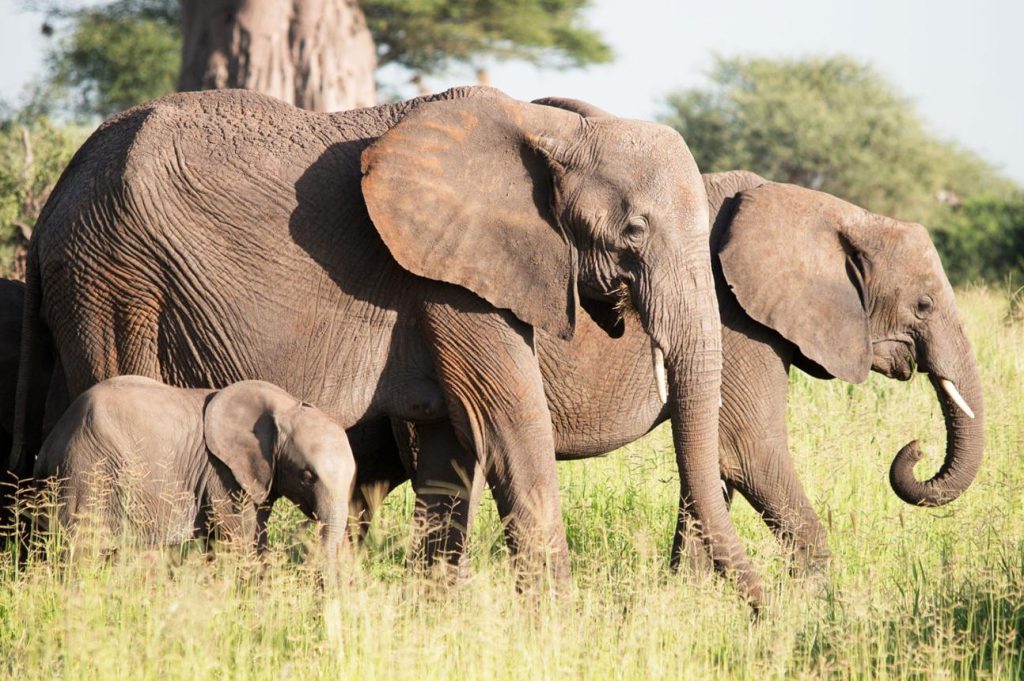
During a Tarangire elephant safari, visitors can watch elephant families walking through the bush, feeding on vegetation, drinking water, and caring for their calves. These encounters offer a wonderful opportunity to learn about elephant behavior while enjoying the park’s beautiful landscapes.
Whether you are planning a one-day wildlife excursion, a private safari, a family holiday, or a longer Tanzania safari package, Tarangire offers an unforgettable adventure for wildlife lovers, photographers, and nature enthusiasts.
Why Choose Tarangire for an Elephant Safari?
Tarangire is widely recognized as one of Tanzania’s leading destinations for elephant viewing. Its combination of seasonal water sources, varied habitats, and extensive surrounding wildlife areas makes it especially attractive to travelers interested in observing elephants in the wild.
1. See Large Herds of African Elephants
One of the main highlights of a Tarangire elephant safari is the opportunity to see elephants gathering in family groups and larger herds. Depending on the season and location, visitors may encounter just a few elephants or impressive groups moving across the landscape.
Watching elephants interact is one of the most fascinating aspects of the experience. You may see mothers protecting their calves, younger elephants playing together, and older females guiding their families as they search for food and water.
These encounters also provide excellent photography opportunities, particularly when elephants walk beneath ancient baobab trees or gather along the riverbanks.
2. Explore the Famous Tarangire River
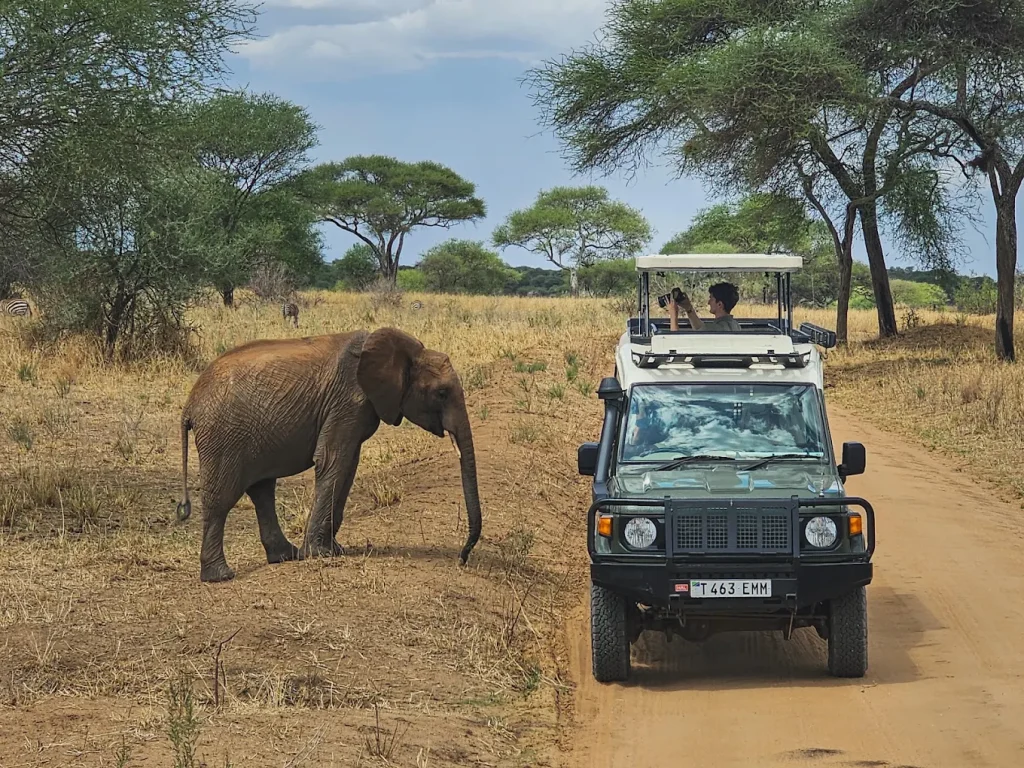
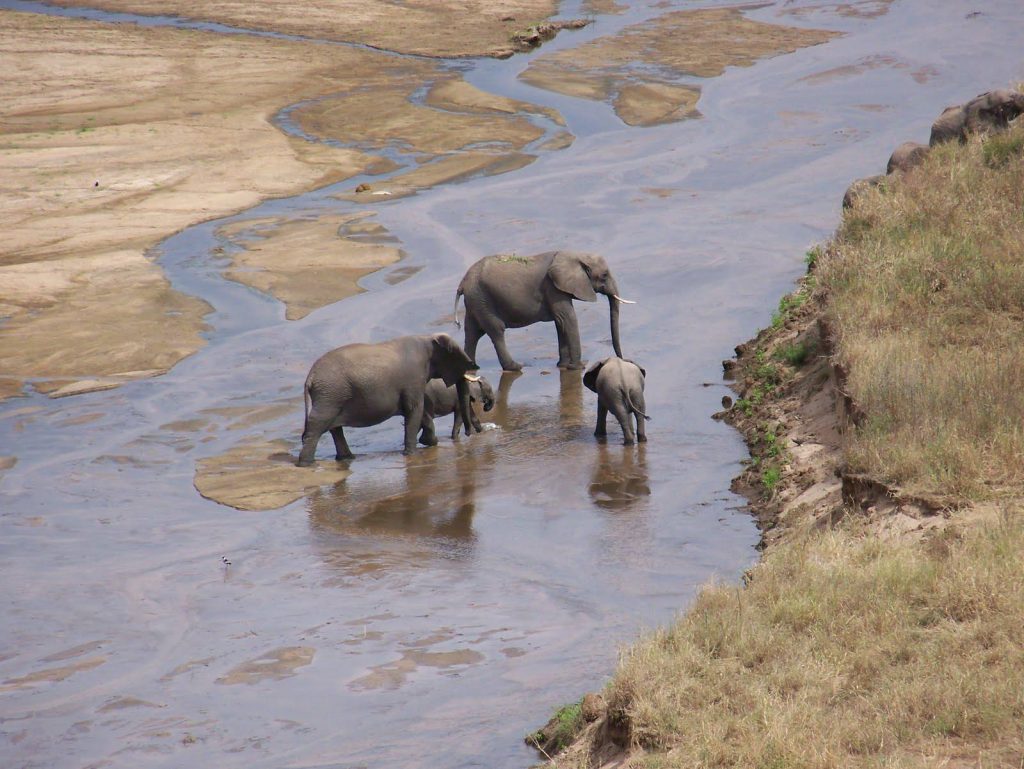
Visitors may observe elephants drinking, bathing, or crossing the river while other animals approach the water nearby. These gatherings create excellent opportunities to appreciate the relationships between wildlife and the environment.
The river also attracts buffaloes, zebras, wildebeests, and various bird species, making it a rewarding place to explore during a guided game drive.
Tarangire National Park+1
3. Photograph Elephants Beneath Ancient Baobab Trees
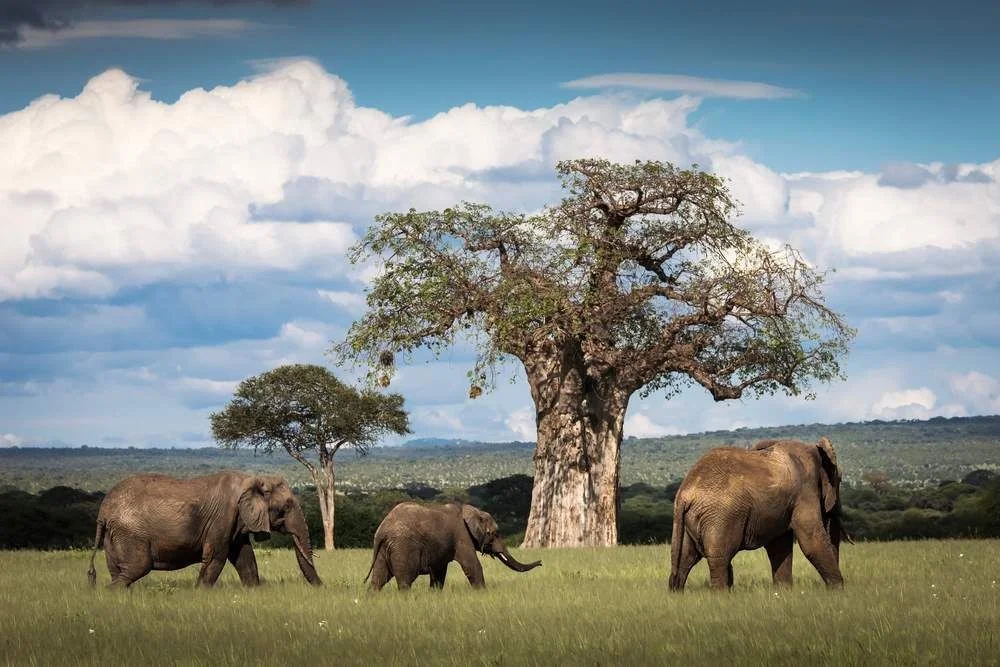
Tarangire’s magnificent baobab trees create some of the most distinctive scenery in Tanzania. Their enormous trunks and unusual branches provide a dramatic backdrop for wildlife photography.
During an elephant safari, visitors may photograph elephants feeding near these trees, walking through woodland, or crossing open grasslands beneath the African sky.
Early morning and late afternoon are particularly appealing times for photography because the softer light highlights the elephants’ textures and the shapes of the baobabs.
4. Enjoy a Less Rushed Wildlife Experience
Tarangire offers a different atmosphere from some of Tanzania’s busier safari destinations. Its wide landscapes and diverse habitats provide opportunities to enjoy wildlife viewing at a relaxed pace.
A private safari can be especially rewarding because you have more flexibility to spend time observing elephants, taking photographs, and learning from your guide.
Although sightings and the number of vehicles vary by location and season, a carefully planned itinerary can help you make the most of your visit.
Best Time to Visit Tarangire for an Elephant Safar
Tarangire National Park can be visited throughout the year, but the season you choose can influence the number of elephants you see, the condition of the landscape, and the overall safari experience.
Dry Season: June to October
The dry season is generally the best time for a Tarangire elephant safari. As seasonal water sources dry up, elephants and other wildlife increasingly gather around the Tarangire River and permanent wetlands.
During this period, visitors often enjoy excellent opportunities to observe large elephant herds, photograph wildlife, and explore the park’s open landscapes.
September and October can be particularly rewarding for elephant viewing, although conditions vary from year to year. These months are also popular with safari travelers, so booking accommodation in advance is advisable.
TANAPA+1
Green Season: November to May
The green season transforms Tarangire into a beautiful landscape of fresh vegetation, greener grasslands, and seasonal water sources.
This period is attractive to photographers and birdwatchers who appreciate lush scenery and a quieter safari atmosphere. Elephants remain an important attraction, although they may spread across a wider area when water is more readily available.
Rainfall is not uniform throughout these months. The heavier rains typically occur from March to May, when some roads may become muddy or more difficult to navigate.
Which season should you choose? If your main goal is to see large concentrations of elephants, June to October is generally the best choice. If you prefer green landscapes, birdwatching, and a different perspective on the park, consider the green season.
What to Expect on a Tarangire Elephant Game Drive
A guided game drive is the main activity on most Tarangire elephant safari tours. Traveling in a safari vehicle allows you to explore different habitats while your guide helps you locate animals and understand their behavior.
Morning Elephant Safari
Morning game drives usually begin early, when temperatures are cooler and the light is ideal for photography.
As you travel through the park, your guide may take you toward the Tarangire River, woodland areas, or open plains where wildlife has been spotted.
You may encounter elephants searching for food, mothers walking with calves, or groups gathering around water. Morning drives also offer opportunities to see giraffes, zebras, impalas, buffaloes, and occasionally predators.
Afternoon Elephant Safari
Afternoon game drives provide another opportunity to explore Tarangire’s diverse habitats.
You may spend time watching elephants feed, interact with family members, or move through the savannah. The warm afternoon light can also create beautiful photographic scenes.
Your guide will select suitable routes according to wildlife movements, road conditions, and the time available.
Elephant Photography Safari
Tarangire is an excellent destination for wildlife photography because elephants can often be photographed against distinctive baobab trees, riverbanks, and open grasslands.
Bring a camera with a suitable zoom lens, spare batteries, and enough memory cards. Binoculars are also useful for observing elephant behavior from a safe distance.
Patience is essential. Remaining quietly at a suitable viewing point can sometimes provide more rewarding photographs than constantly moving between locations.
Other Wildlife to See During a Tarangire Elephant Safari
Although elephants are the main attraction, Tarangire offers a diverse wildlife experience.
-
Lions: These predators may be spotted resting in the shade or searching for prey across the plains.
-
Leopards: Elusive and often difficult to spot, leopards inhabit suitable woodland and riverine habitats.
-
Giraffes: Their long necks and graceful movements make them a favorite among safari visitors.
-
Buffaloes: Large herds may gather near water and productive grazing areas.
-
Zebras and wildebeests: These grazing animals contribute to Tarangire’s seasonal wildlife movements.
-
Antelopes: Impalas, waterbucks, and other species can be seen in different habitats.
-
Birds: Eagles, hornbills, bee-eaters, ostriches, and many other species add variety to the safari.
Wildlife sightings depend on season, weather, and animal movements, but the park’s range of habitats makes each game drive an opportunity to discover something new.
Tarangire National Park+1
Popular Tarangire Elephant Safari Packages
Tarangire elephant safaris can be arranged in different durations, depending on your budget, travel schedule, and preferred level of comfort.
1. One-Day Tarangire Elephant Safari
This package is ideal for travelers with limited time. Depart from Arusha early in the morning, enjoy a full day of wildlife viewing, take a picnic lunch at a designated location, and return to Arusha in the late afternoon or evening.
Best for: short visits, couples, and travelers on a tight schedule
2. Two-Day Tarangire Elephant Safari
Spend more time exploring the park with an overnight stay at a lodge or tented camp. Enjoy an afternoon game drive on the first day and a morning drive on the second day before returning to Arusha.
Best for: travelers who prefer a relaxed pace and additional wildlife-viewing opportunities.
3. Three-Day Tarangire and Ngorongoro Safari
Combine Tarangire’s elephant-rich landscapes with the remarkable wildlife of Ngorongoro Crater. Depending on the itinerary, you can enjoy game drives in both destinations and spend nights at selected lodges or camps.
Best for: visitors seeking a varied northern Tanzania safari.
4. Private Tarangire Elephant Safari
Enjoy your own safari vehicle and guide, with greater flexibility to choose your pace and spend additional time at suitable wildlife sightings.
Best for: photographers, couples, families, and small private groups.
Sample Itinerary: One-Day Tarangire Elephant Safari
This itinerary is a useful starting point for travelers who want to experience Tarangire’s elephants in a single day.
6:30 AM
Departure from Arusha
Meet your driver-guide and begin the journey toward Tarangire National Park. Travel times depend on your starting point and road conditions.
Morning
Elephant Game Drive
Enter the park and explore suitable wildlife-viewing areas. Look for elephants, giraffes, zebras, buffaloes, and other animals.
Midday
Picnic Lunch
Enjoy lunch at a designated picnic site before continuing your safari.
Afternoon
Wildlife Photography and Exploration
Continue exploring the park, observing elephants and other wildlife while enjoying the scenery.
Late afternoon
Return to Arusha
Leave the park in accordance with park regulations and travel back to your accommodation.
The timing is illustrative and may change according to your accommodation, park entry arrangements, wildlife sightings, and the time of year.
How Much Does a Tarangire Elephant Safari Cost?
The cost of a Tarangire elephant safari depends on the length of the trip, the number of travelers, accommodation, transportation, and applicable park fees.
Budget packages may use shared transport or simple accommodation, while private and luxury safaris generally cost more because they offer greater flexibility and additional services.
When comparing safari quotations, check whether the price includes:
-
Park entrance fees and applicable taxes.
-
A suitable safari vehicle and professional driver-guide.
-
Hotel or lodge pickup and drop-off.
-
Meals and drinking water.
-
Accommodation for overnight tours.
-
Any additional activities included in the itinerary.
Park fees can vary according to visitor category and applicable regulations, so confirm the current charges before booking.
Tarangire National Park
Where to Stay During Your Tarangire Elephant Safari
Budget accommodation: Suitable for travelers looking to keep costs down while prioritizing wildlife viewing.
Mid-range lodges and tented camps: Offer a balance of comfort, facilities, and affordability, often with private rooms and restaurant services.
Luxury lodges and camps: Provide premium accommodation, attentive service, and attractive natural surroundings.
Some properties are inside the park, while others are located near its boundaries. The location matters because it can affect your driving time to the park gates and wildlife-viewing areas. During the peak dry season, booking early is recommended.
Tarangire National Park
How to Get to Tarangire National Park
Most road-based Tarangire elephant safaris begin in Arusha, a major starting point for northern Tanzania wildlife tours.
The drive from Arusha generally takes around 2.5 to 3 hours in favorable conditions. Visitors arriving through Kilimanjaro International Airport can arrange a transfer to Arusha before starting their safari.
Charter or scheduled safari flights may also be available to Kuro Airstrip, subject to the airline’s route and schedule.
A 4×4 safari vehicle is recommended, especially during rainy periods when some park roads can become muddy.
Tarangire National Park+1
Responsible Elephant Viewing and Conservation
Responsible wildlife viewing is essential to protecting Tarangire’s elephants and their habitat.
During your safari, follow your guide’s instructions and maintain a respectful distance from elephants. Never attempt to approach them on foot, block their paths, feed them, or encourage them to move for photographs.
Remain inside your vehicle except at designated places, and avoid loud noises or sudden movements that could disturb wildlife. Do not litter, and respect park regulations at all times.
Tarangire National Park
Choosing responsible safari operators can also help support conservation efforts and local communities. A knowledgeable guide will explain elephant behavior and help you appreciate these animals without compromising their safety.
What to Pack for a Tarangire Elephant Safari
For a comfortable safari, consider bringing:
-
Neutral-colored, lightweight clothing.
-
A warm jacket for early morning game drives.
-
A wide-brimmed hat and sunglasses.
-
Sunscreen and insect repellent.
-
Binoculars for observing wildlife.
-
A camera with a zoom lens.
-
Spare batteries and memory cards.
-
Comfortable shoes and a small daypack.
-
Drinking water and personal medication.
During the rainy season, pack a light waterproof jacket and be prepared for changing road conditions.
Frequently Asked Questions About Tarangire Elephant Safaris
Is Tarangire National Park good for elephant viewing?
Yes. Tarangire is one of Tanzania’s best-known elephant-viewing destinations, especially during the dry season when elephants often gather around rivers and wetlands.
How many elephants can I see on a Tarangire safari?
The number varies by season, location, and daily wildlife movements. You may encounter individual elephants, family groups, or large herds. There is no guarantee of a particular number during any visit.
How many days are needed for a Tarangire elephant safari?
One day is suitable for a short safari, while two days allow a more relaxed experience. Three or more days are useful if you want to combine Tarangire with Ngorongoro or Serengeti.
Can children join a Tarangire elephant safari?
Yes, children can generally enjoy a family safari, although minimum ages, activity restrictions, and accommodation policies vary. Choose an itinerary with manageable driving times and suitable family facilities.
Can I see elephants throughout the year?
Yes. Tarangire supports resident elephants throughout the year, although their distribution and visibility change with seasonal water availability and rainfall.
Is Tarangire suitable for wildlife photography?
Absolutely. The park’s elephants, baobab trees, river landscapes, and open plains create excellent photographic opportunities. The dry season often provides favorable viewing conditions, while the green season offers lush scenery.
Conclusion: Experience the Magic of a Tarangire Elephant Safari
A Tarangire Elephant Safari is an exceptional way to discover the wildlife and natural beauty of Tanzania. From watching elephant families move across the savannah to photographing these magnificent animals beneath ancient baobab trees, every game drive offers the possibility of a memorable encounter.
With its famous Tarangire River, diverse wildlife, beautiful landscapes, and varied accommodation options, the park is an excellent destination for solo travelers, couples, families, and photographers.
For the best experience, plan your trip around your preferred season, choose a suitable safari package, and travel with a responsible operator who prioritizes wildlife conservation.
Start planning your Tarangire elephant safari and experience the unforgettable beauty of Africa’s gentle giants in their natural home.