The Ultimate Guide to Wildlife, Gorilla Trekking, and Unforgettable Adventures
Uganda Safari Tours: The Ultimate Guide to Wildlife, Gorilla Trekking, and Unforgettable Adventures. Uganda is one of Africa’s most rewarding safari destinations, offering an incredible combination of wildlife encounters, mountain gorilla trekking, chimpanzee tracking, beautiful landscapes, and rich cultural experiences. Known as the Pearl of Africa, Uganda attracts travelers who want to explore diverse national parks, enjoy exciting game drives, cruise along scenic rivers, and discover some of the continent’s most remarkable natural attractions.
Uganda safari tours provide opportunities to see elephants, lions, giraffes, buffaloes, hippos, crocodiles, and numerous bird species. Visitors can also trek through tropical rainforests to encounter endangered mountain gorillas and playful chimpanzees in their natural habitats.
Whether you are planning a short wildlife adventure, a family holiday, a romantic getaway, or a multi-day African safari, Uganda has something to offer every type of traveler.
This guide explores the best Uganda safari tours, the destinations to visit, the activities to enjoy, the best time to travel, and how to choose a safari package that suits your interests and budget.
What Are Uganda Safari Tours?
Uganda safari tours are guided travel experiences that allow visitors to explore the country’s national parks, wildlife reserves, forests, lakes, rivers, and cultural attractions. These tours are usually organized by professional tour operators and may include transportation, accommodation, park entry fees, guided activities, meals, and other travel services.
Uganda offers several types of safaris, making it suitable for both first-time visitors and experienced African travelers.
Popular options include:
- Wildlife safaris: Explore national parks on guided game drives to see lions, elephants, buffaloes, giraffes, antelopes, and other animals.
- Gorilla trekking safaris: Visit mountain gorillas in Bwindi Impenetrable National Park or Mgahinga Gorilla National Park.
- Chimpanzee tracking tours: Walk through tropical forests in search of wild chimpanzees.
- Birdwatching safaris: Discover Uganda’s remarkable birdlife in forests, wetlands, savannahs, and along lakeshores.
- Adventure safaris: Combine wildlife viewing with hiking, boat cruises, nature walks, and other outdoor activities.
- Cultural tours: Visit local communities, learn about traditional lifestyles, and experience Ugandan food, music, crafts, and customs.
Travelers can choose a single activity or combine several experiences into one itinerary.
Why Choose Uganda for Your African Safari?
Uganda stands out because it combines traditional savannah wildlife experiences with some of Africa’s best primate encounters. Instead of focusing on one type of landscape, visitors can explore open grasslands, dense rainforests, crater lakes, mountains, and wetlands during the same trip.
1. Experience Mountain Gorilla Trekking
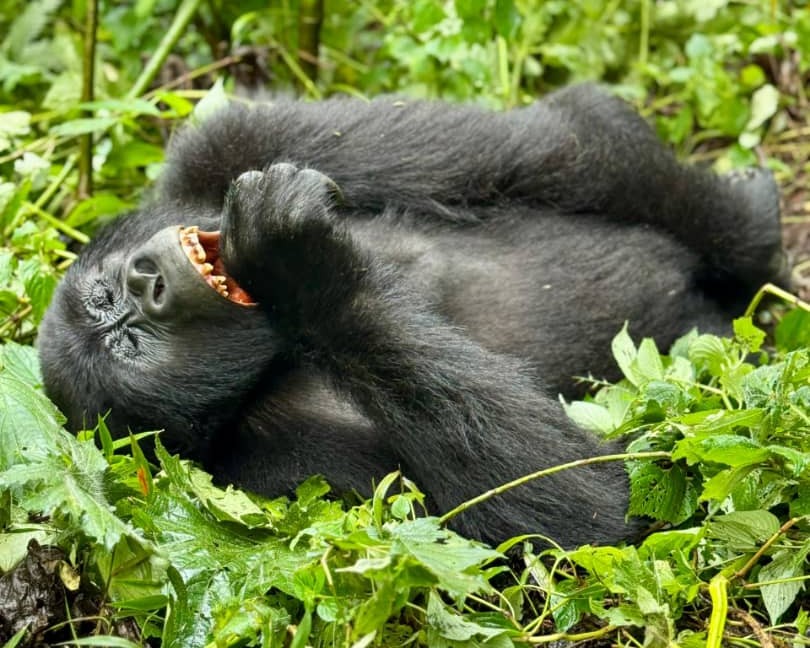
One of the main reasons travelers choose Uganda safari tours is the opportunity to see endangered mountain gorillas in the wild.
Bwindi Impenetrable National Park is famous for its mountain gorilla population and forest trekking experiences. The park’s dense vegetation, steep hills, and rich biodiversity make every trek an exciting adventure.
Mgahinga Gorilla National Park is another destination for gorilla trekking. Located in southwestern Uganda, it forms part of the Virunga conservation landscape and offers beautiful mountain scenery.
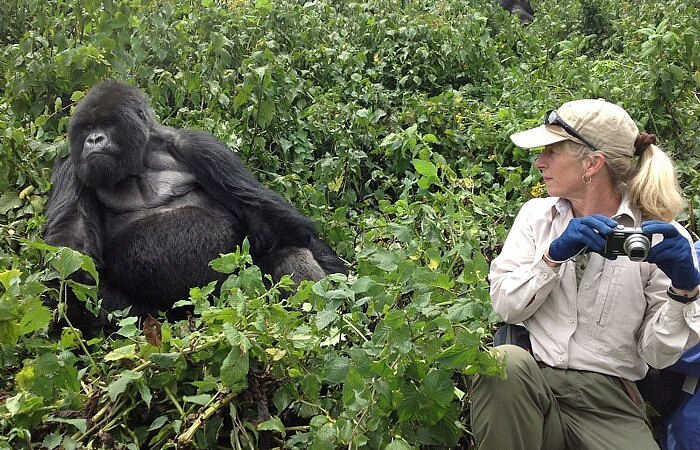
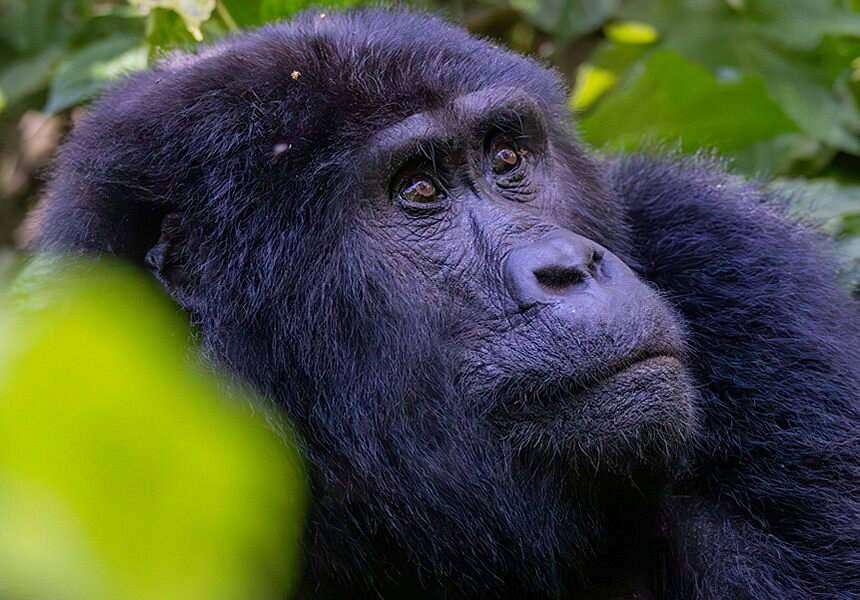
Gorilla trekking involves hiking through the forest with trained guides and trackers to locate a habituated gorilla family. Once the group is found, visitors are generally allowed one hour with the gorillas, subject to the applicable permit conditions and conservation rules.
The experience offers a rare opportunity to observe gorilla families feeding, resting, grooming, and interacting in their natural environment.
2. Enjoy Exciting Wildlife Game Drives
Uganda has several national parks where visitors can enjoy guided game drives across open savannahs and woodland habitats.
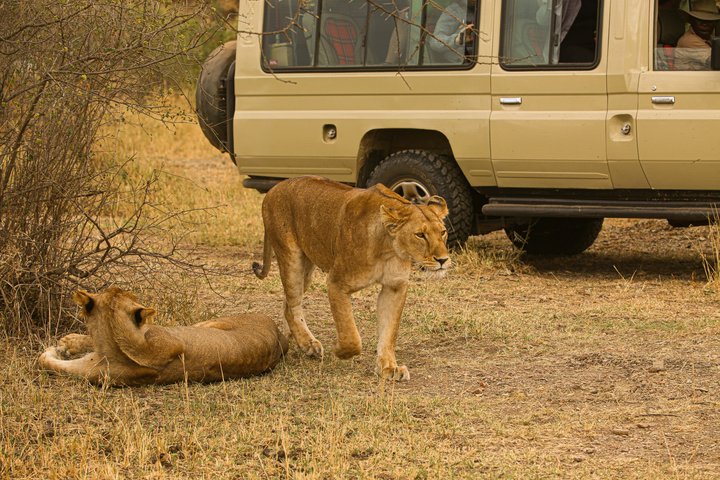
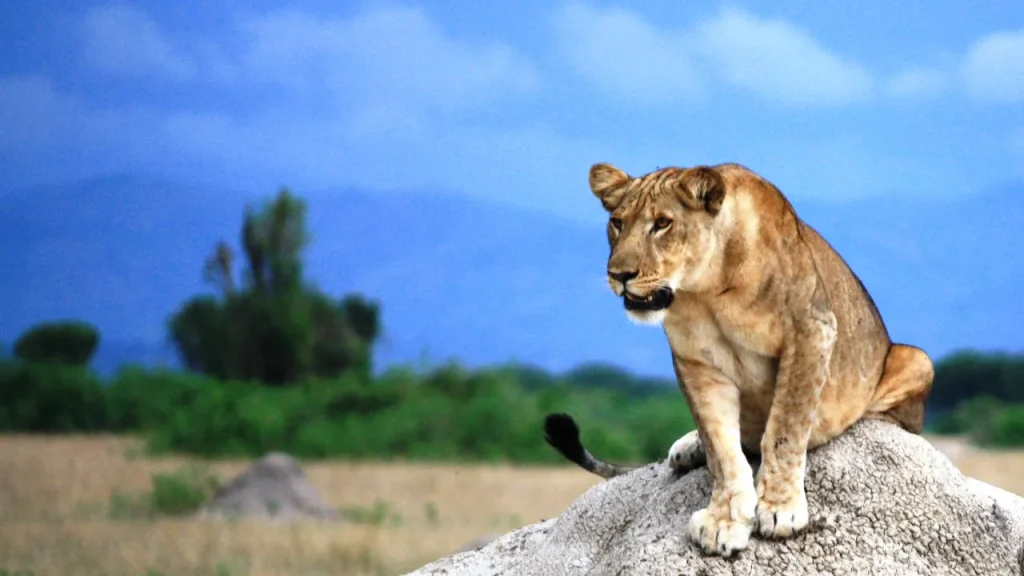
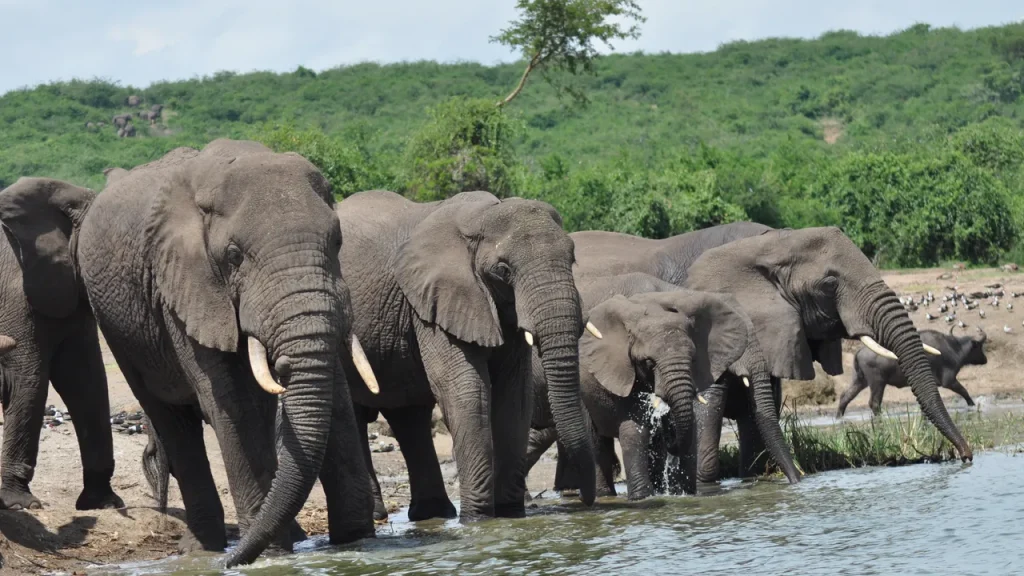
During a game drive, you may encounter elephants moving through the grasslands, buffaloes grazing near water sources, antelopes feeding in open areas, and lions resting under trees.
Queen Elizabeth National Park and Murchison Falls National Park are among the leading destinations for traditional wildlife safaris.
Game drives are usually conducted in a safari vehicle with an experienced guide who helps visitors spot animals, understand their behavior, and learn about the surrounding ecosystem.
Wildlife sightings are never guaranteed, but choosing the right park, season, and itinerary can improve your opportunities.
3. Explore Uganda’s Beautiful Landscapes
Uganda’s scenery is another major attraction. The country features rolling hills, tropical forests, open plains, lakes, rivers, wetlands, and spectacular mountain ranges.
Visitors can admire the dramatic landscapes of the Rwenzori Mountains, explore the forests of Bwindi, enjoy views of the Kazinga Channel, or watch the powerful waters of the Nile pass through Murchison Falls.
These different environments make Uganda an excellent destination for photography, nature walks, birdwatching, and outdoor adventures.
4. Discover Rich Birdlife
Uganda is a popular destination for birdwatchers because of its varied habitats and impressive range of bird species.
Birdwatching opportunities can be found in national parks, forests, wetlands, lakeshores, and riverine habitats. Depending on the destination, visitors may see African fish eagles, kingfishers, hornbills, bee-eaters, shoebills, and many other species.
Mabamba Bay Wetland is particularly well known for shoebill sightings, although sightings depend on conditions and the bird’s movements.
Birdwatching can be arranged as a dedicated tour or added to a wildlife safari.
Best National Parks for Uganda Safari Tours
Uganda has several protected areas, each offering a different combination of wildlife, landscapes, and activities.
1. Murchison Falls National Park
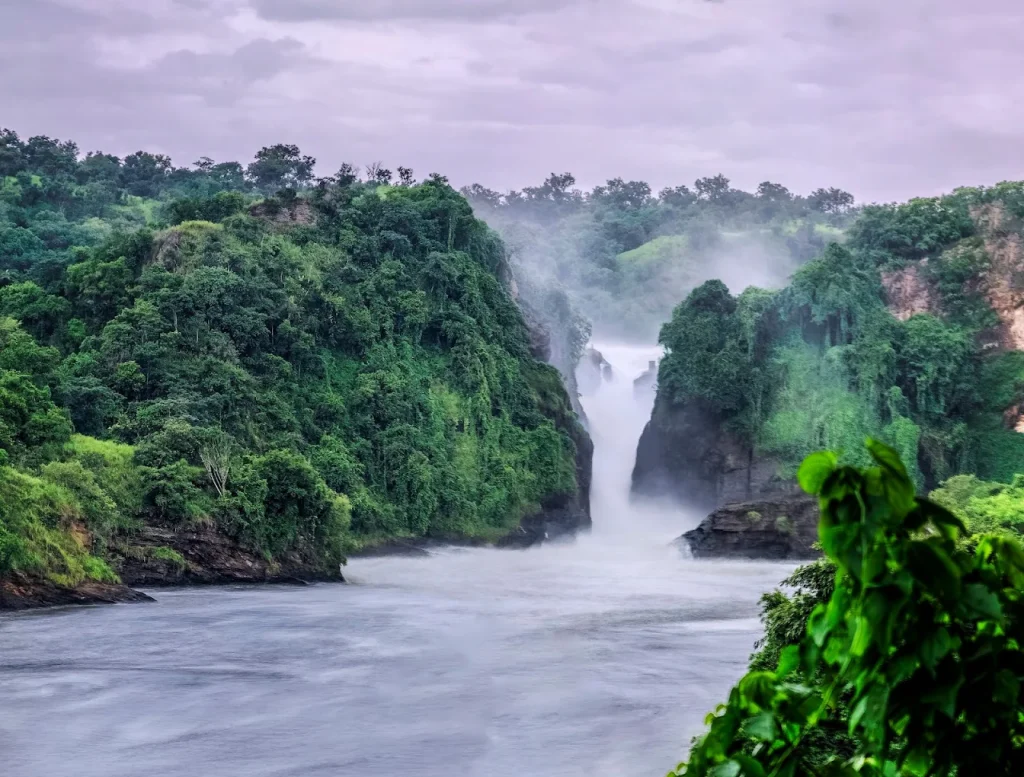
Murchison Falls National Park is one of Uganda’s most popular wildlife safari destinations. It combines savannah plains, woodland, riverine forests, and the spectacular Victoria Nile.
The park is particularly known for its powerful waterfall, where the Nile forces its way through a narrow rocky gorge before plunging downstream.
Popular activities include:
- Morning and afternoon game drives.
- Boat cruises along the Nile.
- Visits to viewpoints overlooking Murchison Falls.
- Birdwatching and nature photography.
- Guided nature experiences in designated areas.
Wildlife commonly encountered includes elephants, giraffes, buffaloes, Uganda kob, warthogs, and various antelope species. Lions and leopards may also be seen, although sightings are not guaranteed.
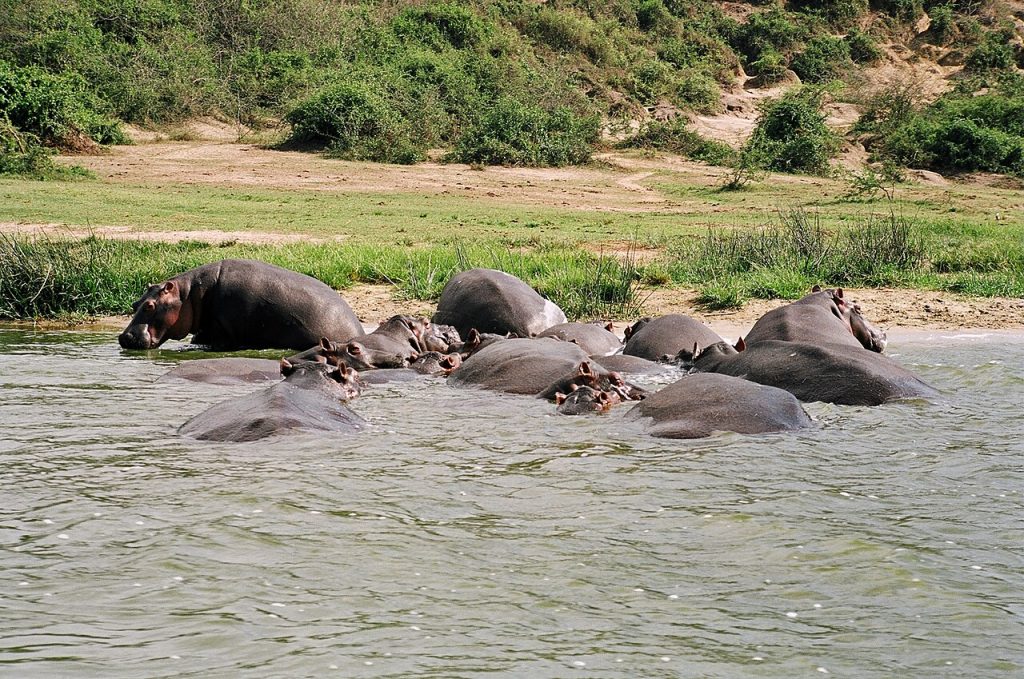
A boat cruise along the Nile provides excellent opportunities to observe hippos, crocodiles, waterbirds, and other wildlife near the riverbanks.
Murchison Falls is an excellent choice for travelers seeking a classic African wildlife safari combined with dramatic scenery.
2. Queen Elizabeth National Park
Queen Elizabeth National Park is one of Uganda’s most diverse safari destinations. Located in western Uganda, it features open savannah, wetlands, crater lakes, forests, and the famous Kazinga Channel.
The park is well suited to travelers who want to combine game drives with boat-based wildlife viewing.
Popular activities include:
- Game drives in the Kasenyi Plains.
- Boat cruises along the Kazinga Channel.
- Birdwatching around wetlands and lakes.
- Exploring crater lakes and scenic viewpoints.
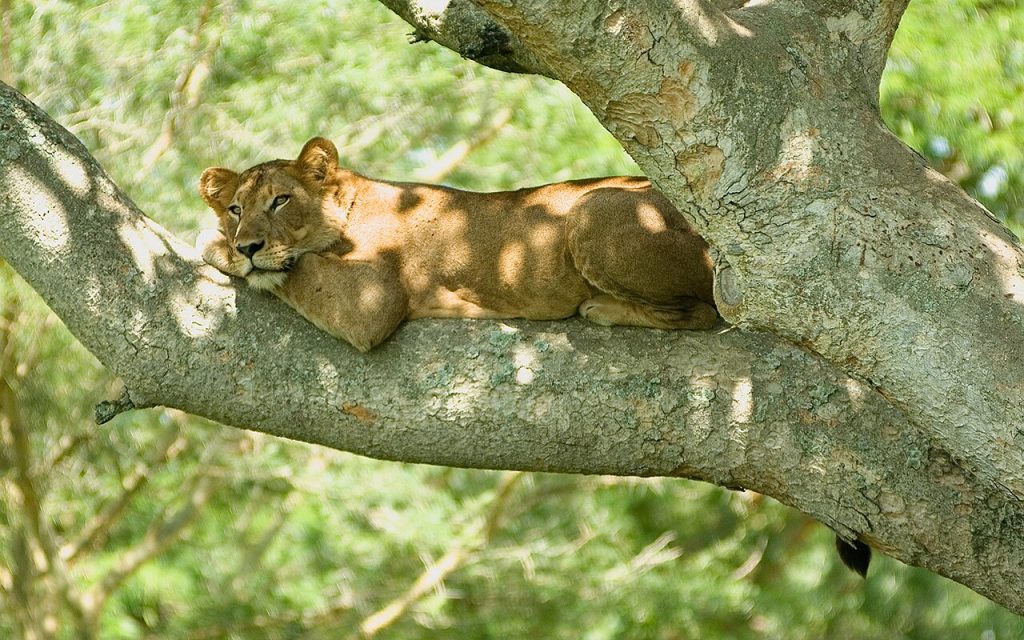
- Visiting the Ishasha sector to look for its famous tree-climbing lions.
The Kasenyi Plains are known for Uganda kob, buffaloes, elephants, and opportunities to spot lions. The Kazinga Channel is especially rewarding for viewing hippos, crocodiles, elephants, and a variety of waterbirds.
The Ishasha sector is famous for lions that sometimes rest in fig trees. However, these sightings depend on the animals’ behavior and should not be guaranteed.
Queen Elizabeth National Park is ideal for couples, families, photographers, and travelers looking for a varied wildlife experience.
3. Bwindi Impenetrable National Park
Bwindi Impenetrable National Park is one of the world’s most celebrated destinations for mountain gorilla trekking.
Its ancient rainforest is home to mountain gorillas and many other species of mammals, birds, butterflies, and forest plants. The park’s rugged terrain makes trekking physically demanding in some areas, but the experience can be deeply rewarding.
The main activity is guided gorilla trekking, which begins with a briefing before visitors enter the forest with trained guides and trackers.
Trekking duration varies depending on where the gorilla family is located. The forest can be steep, muddy, and humid, so good physical preparation and suitable hiking equipment are important.
Bwindi can also be explored through permitted nature walks, birdwatching, and cultural experiences in nearby communities.
For many travelers, a gorilla trekking safari in Bwindi is the highlight of their Uganda holiday.
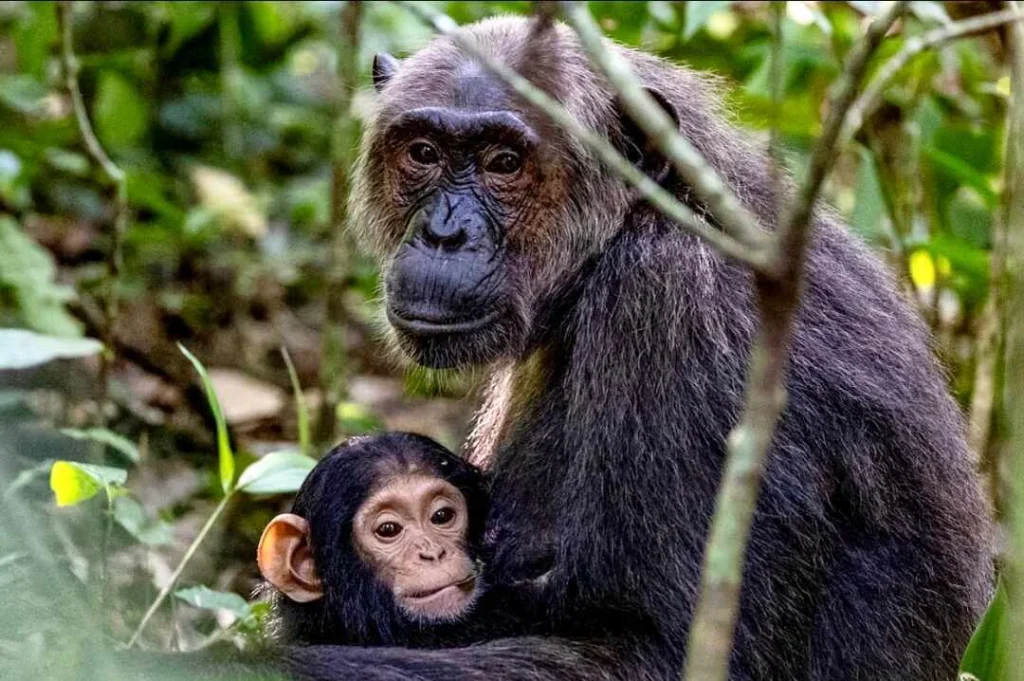
4. Kibale National Park
Kibale National Park is one of Uganda’s leading destinations for chimpanzee tracking. The park protects tropical rainforest and supports a rich variety of primates, birds, and other wildlife.
Chimpanzee tracking takes visitors into the forest with trained guides who help locate chimpanzee groups and explain their behavior.
Watching chimpanzees communicate, feed, move through the trees, and interact with one another is a memorable wildlife experience.
Other activities in the wider Kibale area include guided nature walks and visits to nearby wetlands, including the Bigodi Wetland Sanctuary.
Kibale is an excellent addition to a Uganda safari for travelers interested in primates and forest biodiversity.
5. Lake Mburo National Park
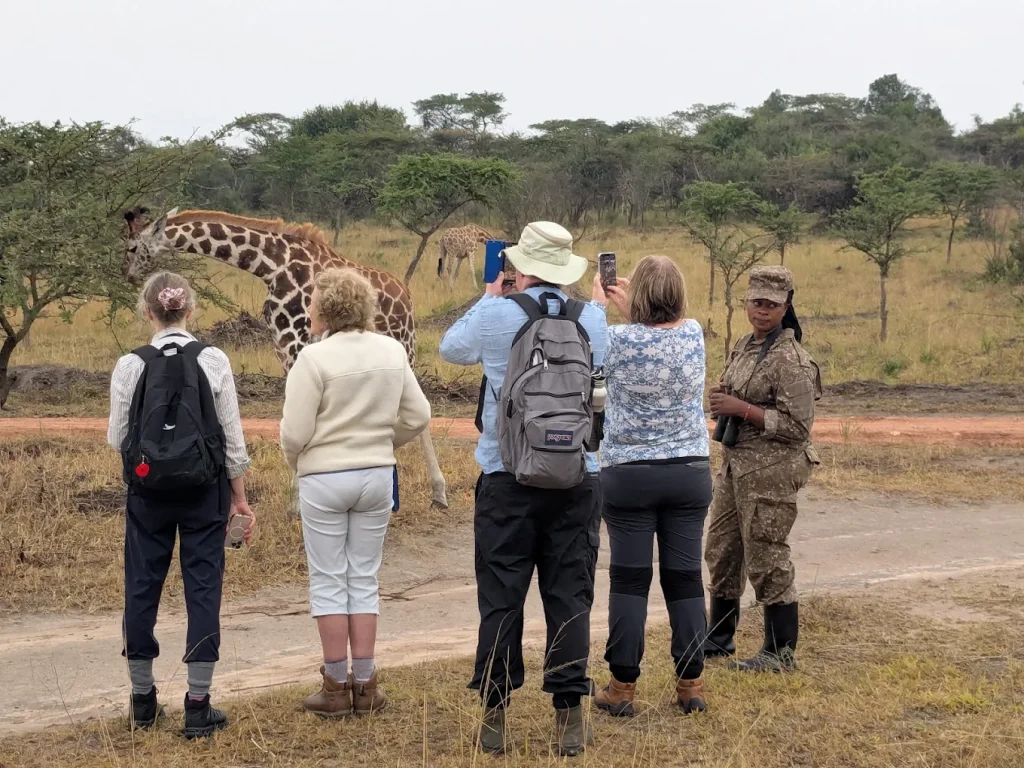
Lake Mburo National Park is a convenient destination for travelers looking for a shorter wildlife safari, especially when traveling between Kampala or Entebbe and southwestern Uganda.
The park features rolling hills, open grasslands, woodland, lakes, and wetlands.
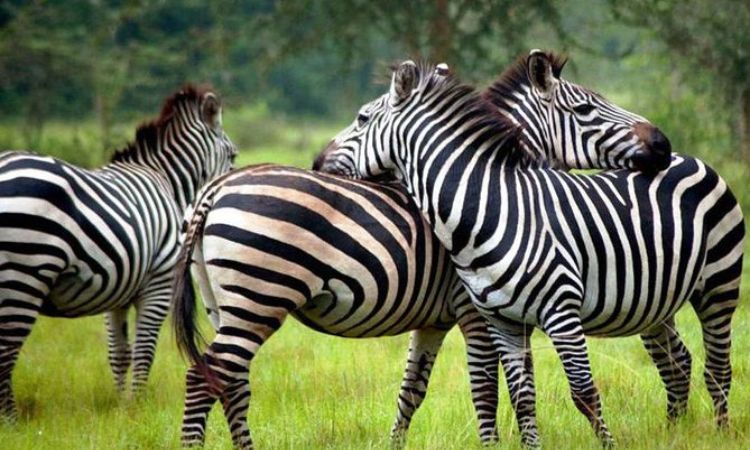
Wildlife commonly associated with Lake Mburo includes zebras, impalas, elands, buffaloes, warthogs, and giraffes. Leopards may also be present but are not always easy to see.
Popular activities include:
- Guided game drives.
- Boat trips on Lake Mburo.
- Guided walking safaris in designated areas.
- Birdwatching.
- Horseback safaris offered by authorized providers.
Lake Mburo is particularly appealing for travelers who want a quieter safari experience or wish to break up a longer journey to Bwindi.
6. Kidepo Valley National Park
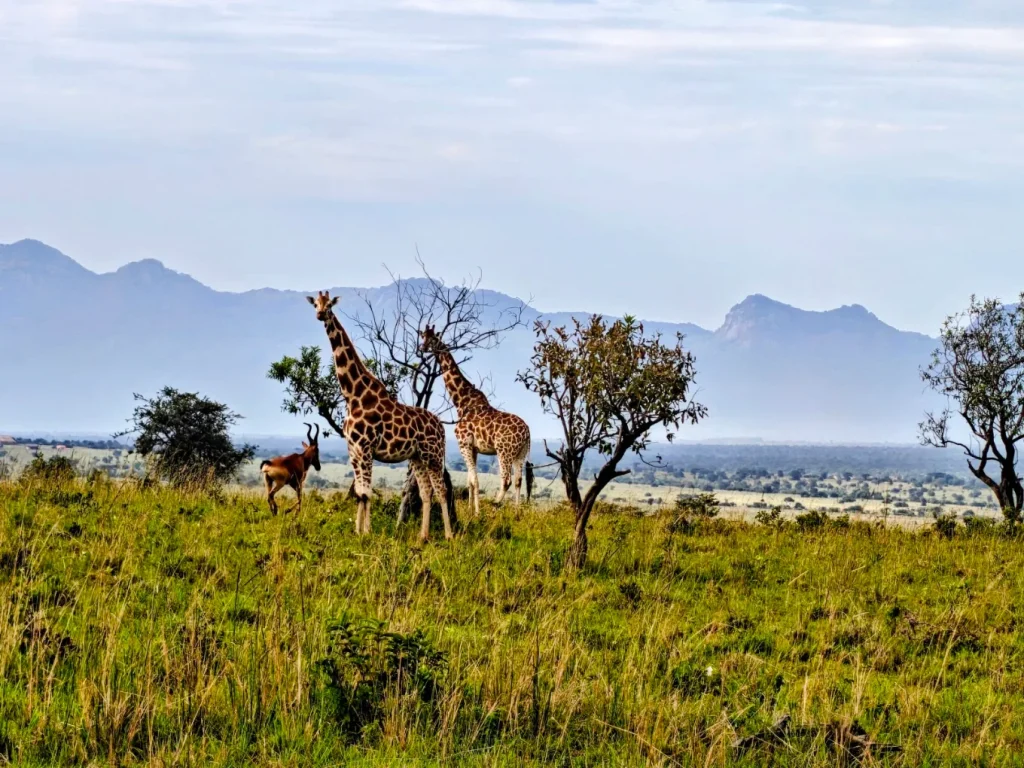
Kidepo Valley National Park lies in northeastern Uganda and is known for its remote setting, wide open landscapes, and distinctive wildlife.
The park offers a different experience from Uganda’s more frequently visited western safari circuit. Its expansive savannah plains, rugged mountains, and seasonal river valleys create excellent opportunities for wildlife viewing and photography.
Animals that may be seen include elephants, buffaloes, giraffes, zebras, antelopes, and several predators.
Kidepo is especially attractive to travelers who prefer less-visited destinations and have enough time to travel to the country’s northeastern region.
Because of its remote location, visitors should plan transportation and accommodation carefully.
7. Mgahinga Gorilla National Park
Mgahinga Gorilla National Park is located in southwestern Uganda within the Virunga Mountains.
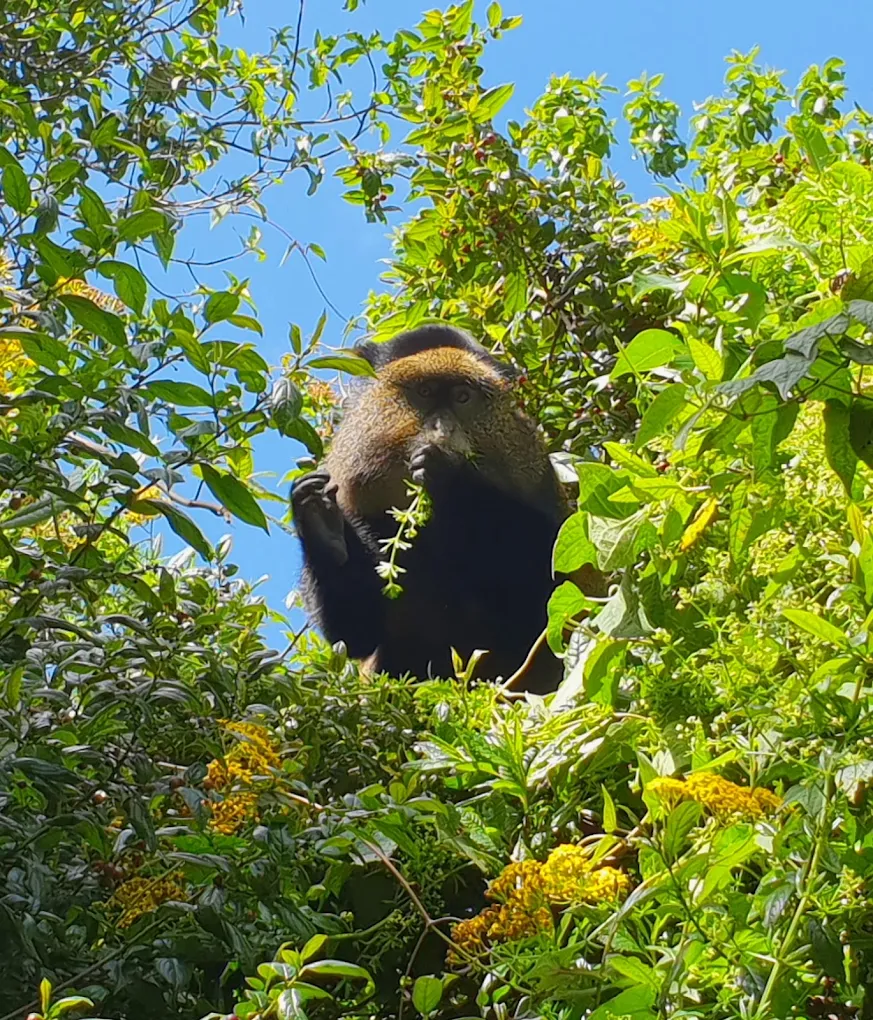
The park offers mountain gorilla trekking, golden monkey tracking, guided hikes, and opportunities to explore volcanic landscapes.
Its dramatic scenery includes forested slopes and views of volcanic peaks. The park is smaller than Bwindi but offers a distinctive combination of primate experiences and mountain scenery.
Mgahinga is a good option for travelers who want to combine gorilla trekking with golden monkey tracking or hiking, subject to available permits and park regulations.
Popular Uganda Safari Tour Packages
Uganda safari tours can be organized according to the number of days available, your interests, preferred accommodation, and budget.
Here are some common itinerary ideas.
1. 2-Day Lake Mburo Safari
This short safari is suitable for travelers with limited time.
Day 1: Travel to Lake Mburo National Park, check in at your lodge, and enjoy an afternoon game drive.
Day 2: Take an early morning game drive or an authorized guided nature activity before returning to Kampala or Entebbe.
Depending on your departure point and schedule, this trip can offer a convenient introduction to Uganda’s wildlife.
2. 3-Day Murchison Falls Safari
A three-day safari provides time to explore Murchison Falls National Park’s wildlife and river scenery.
Day 1: Travel to the park, enjoy a stop at Ziwa Rhino Sanctuary if included in your itinerary, and continue to your accommodation.
Day 2: Enjoy a morning game drive and an afternoon boat cruise along the Nile, with time for a waterfall viewpoint visit if the schedule permits.
Day 3: Take an additional wildlife activity or begin the return journey to Kampala or Entebbe.
A visit to Ziwa Rhino Sanctuary is a separate experience and should be included only when arranged as part of the itinerary.
3. 4-Day Queen Elizabeth Safari
This safari is ideal for visitors who want to explore savannah wildlife and the Kazinga Channel.
Day 1: Travel to Queen Elizabeth National Park and settle into your lodge.
Day 2: Enjoy a morning game drive in the Kasenyi Plains and an afternoon boat cruise on the Kazinga Channel.
Day 3: Explore another part of the park or travel to the Ishasha sector to look for tree-climbing lions.
Day 4: Enjoy a final activity, depending on departure time, before returning to your starting point.
4. 5-Day Uganda Gorilla Trekking Safari
A five-day safari can combine gorilla trekking with a wildlife experience.
Day 1: Travel to Lake Mburo National Park or another suitable stopover, depending on your starting point and preferred route.
Day 2: Continue to Bwindi Impenetrable National Park and enjoy the scenery around your lodge.
Day 3: Attend the gorilla trekking briefing and enter the forest with trained guides and trackers.
Day 4: Enjoy a cultural visit, nature walk, or additional activity where available.
Day 5: Return to Kampala or Entebbe.
This itinerary can be adjusted to include a different stopover or more time in Bwindi. Gorilla permits should be secured in advance.
5. 7-Day Uganda Wildlife and Primate Safari
A seven-day itinerary offers a broader experience of Uganda’s wildlife and forests.
Day 1: Arrive in Entebbe and transfer to your accommodation.
Day 2: Travel to Kibale National Park.
Day 3: Track chimpanzees in Kibale and explore the surrounding area.
Day 4: Travel to Queen Elizabeth National Park.
Day 5: Enjoy a game drive and a boat cruise along the Kazinga Channel.
Day 6: Travel to Bwindi Impenetrable National Park.
Day 7: Enjoy gorilla trekking if the permit and schedule are confirmed, or extend the trip if you prefer a more relaxed pace.
Because gorilla trekking involves significant travel and physical activity, an eight- or nine-day version may be more comfortable for many visitors.
Gorilla Trekking and Wildlife Safari Combinations
One of the best ways to experience Uganda is by combining gorilla trekking with traditional wildlife viewing.
For example, travelers can visit Queen Elizabeth National Park for game drives and a Kazinga Channel boat cruise before continuing to Bwindi for gorilla trekking.
Another option is to combine Kibale National Park, Queen Elizabeth National Park, and Bwindi Impenetrable National Park. This route offers opportunities to see chimpanzees, savannah wildlife, and mountain gorillas on one holiday.
A longer itinerary can also include Murchison Falls National Park for additional wildlife viewing and a boat cruise on the Nile.
When planning a combined safari, consider travel distances carefully. Uganda’s roads and mountainous terrain mean that journeys between parks can take several hours. Allowing sufficient time for transfers helps make the trip more comfortable.
Best Time to Go on Uganda Safari Tours
Uganda can be visited throughout the year, but weather conditions may affect road travel, hiking, photography, and wildlife activities.
Dry Seasons
The drier periods generally occur around December to February and June to August, although exact conditions vary by region and year.
These months are often popular for game drives and gorilla trekking because some roads and forest trails may be easier to navigate.
During drier periods, vegetation in some savannah areas may be less dense, which can help with wildlife viewing.
Rainy Seasons
Rain commonly increases during March to May and September to November, although patterns vary across the country.
Rainy periods can bring lush scenery, excellent photographic opportunities, and rewarding birdwatching. However, forest trails can become slippery, and some roads may be more difficult to navigate.
Gorilla trekking takes place throughout the year, subject to park operations and permit availability. Visitors should be prepared for rain even during drier months.
The best time to visit Uganda depends on your priorities. If you want to combine game drives with gorilla trekking, choose dates that fit your preferred itinerary, then confirm current trail, road, and permit conditions with your tour operator.
How Much Do Uganda Safari Tours Cost?
The cost of Uganda safari tours varies considerably depending on the length of the trip, accommodation level, activities, transport arrangements, and number of travelers.
A budget camping safari will generally cost less than a private tour with luxury lodges and a dedicated vehicle.
Important factors affecting the total price include:
- Gorilla trekking permits: These can represent a substantial part of the cost of a gorilla safari.
- Chimpanzee tracking permits: The cost depends on the relevant destination and current permit category.
- Accommodation: Options range from campsites and budget lodges to mid-range properties and luxury safari lodges.
- Transportation: Private 4×4 vehicles, driver-guides, fuel, and long-distance transfers contribute to the cost.
- Park fees: National park entry and certain activities may be charged separately or included in the package.
- Meals: Some packages include full board, while others cover only selected meals.
- Group size: Sharing transport and guiding costs can reduce the price per person.
Before booking, request a detailed quotation showing what is included and excluded. Confirm whether permits, accommodation, meals, park fees, airport transfers, and guide services are covered.
Also check the cancellation policy, payment terms, and arrangements for unexpected changes.
What Is Included in a Uganda Safari Package?
Inclusions differ between operators, so always check the written itinerary and quotation.
A typical package may include:
- Airport transfers, where specified.
- Private or shared safari transportation.
- An English-speaking driver-guide or another agreed guide service.
- Accommodation for the specified number of nights.
- Meals listed in the itinerary.
- National park entry fees, where specified.
- Game drives and scheduled boat cruises.
- Gorilla or chimpanzee trekking permits, if explicitly included.
- Bottled drinking water during road travel, where offered.
Common exclusions may include international flights, visas, travel insurance, personal expenses, tips, optional activities, and meals not listed in the package.
Do not assume a gorilla or chimpanzee permit is included simply because the tour description mentions trekking. Ask for written confirmation.
Choosing the Best Uganda Safari Tour Operator
Choosing a reliable tour operator is an important part of planning a successful safari.
A professional operator should provide a clear itinerary, transparent pricing, realistic travel times, suitable accommodation options, and accurate information about permits and park activities.
Consider the following factors before booking:
Experience and Local Knowledge
Choose an operator with practical knowledge of Uganda’s national parks, road conditions, lodges, and wildlife activities. Local expertise can help you plan a route that fits your interests and available time.
Clear and Transparent Pricing
Request a detailed quotation that separates included services from exclusions. Confirm whether prices are per person, per vehicle, or based on a minimum group size.
Qualified Guides
An experienced guide can help you identify wildlife, understand animal behavior, learn about conservation, and navigate the safari route safely.
Accommodation Choices
A good operator should explain the differences between budget, mid-range, and luxury accommodation and recommend options that fit your preferences.
Permit Arrangements
For gorilla trekking and chimpanzee tracking, ask who will secure the permits and whether your preferred dates are confirmed.
Responsible Tourism
Look for operators that follow park rules, respect wildlife, support local communities, and encourage responsible behavior during primate encounters.
Read recent reviews and request a written booking confirmation before making significant payments.
What to Pack for a Uganda Safari
Packing the right equipment helps you stay comfortable during game drives, forest treks, and outdoor activities.
Recommended items include:
- Lightweight, neutral-colored clothing for game drives.
- Long-sleeved shirts and long trousers for forest activities.
- Waterproof hiking boots with good grip.
- A rain jacket or lightweight waterproof layer.
- A hat, sunglasses, and sunscreen.
- Insect repellent.
- A reusable water bottle.
- Binoculars for wildlife viewing and birdwatching.
- A camera and spare batteries.
- A small daypack for trekking.
- Personal medication and basic travel essentials.
- Gardening-style or sturdy trekking gloves for handling vegetation during gorilla trekking.
For gorilla trekking, follow the park’s current equipment guidance and any instructions provided by your guide. Porters may be available for hire at trekking locations.
Responsible and Sustainable Uganda Safaris
Uganda’s national parks protect important habitats and threatened wildlife. Responsible tourism helps support conservation while creating opportunities for local communities.
Visitors can contribute by following park rules, keeping a respectful distance from animals, avoiding littering, and never feeding wildlife.
During gorilla and chimpanzee encounters, follow the guide’s instructions closely. These animals are vulnerable to human diseases, so visitors must observe health and distance rules and should not trek when they are subject to applicable illness restrictions.
Travelers can also support community tourism by purchasing locally made crafts, choosing responsible accommodation, and taking part in well-managed cultural experiences.
A responsible safari is not only about seeing animals. It is also about helping protect the environments and communities that make these experiences possible.
Uganda Safari Tours for Different Travelers
Uganda offers safari options for a wide range of visitors.
For couples: Private safaris with comfortable lodges, scenic drives, and special dining arrangements can create a memorable holiday.
For families: Lake Mburo, Queen Elizabeth, and Murchison Falls can offer engaging wildlife experiences, depending on the children’s ages and activity restrictions. Check each park’s rules before booking.
For photographers: Murchison Falls, Queen Elizabeth, Bwindi, and Kidepo offer different opportunities for wildlife, landscape, and cultural photography.
For birdwatchers: Forests, wetlands, and lakes provide excellent variety. A specialist birding guide can help build an itinerary around target species.
For adventure travelers: Gorilla trekking, chimpanzee tracking, hiking, and guided nature activities provide opportunities to explore Uganda beyond traditional game drives.
For luxury travelers: High-end lodges, private vehicles, personalized guiding, and carefully planned routes can make the experience more comfortable.
The most suitable safari depends on your interests, budget, travel dates, and preferred pace.
Frequently Asked Questions About Uganda Safari Tours
1. How many days are enough for a Uganda safari?
A two- or three-day trip can provide a short wildlife experience, while five to seven days allows you to explore one or two major destinations. An eight- to twelve-day itinerary is often better for combining several parks with gorilla trekking and chimpanzee tracking.
2. Is Uganda good for a first African safari?
Yes. Uganda offers traditional game drives, boat cruises, primate tracking, birdwatching, and beautiful scenery. Travelers should choose a route that matches their interests and allow enough time for road transfers.
3. Can I see the Big Five in Uganda?
Uganda offers opportunities to see lions, leopards, elephants, and buffaloes in suitable habitats. To see rhinos, visitors commonly add a visit to Ziwa Rhino Sanctuary, where rhino tracking is conducted under the sanctuary’s rules. Seeing all five species is not guaranteed on any individual trip.
4. Is gorilla trekking difficult?
The difficulty varies. Some treks are relatively short, while others involve several hours of walking over steep, muddy, or uneven terrain. Good footwear, reasonable fitness, and preparation for changing weather are important.
5. Do I need to book gorilla trekking permits in advance?
Advance booking is strongly recommended, particularly for popular travel periods. Permit availability can be limited, so confirm your dates before finalizing non-refundable travel arrangements.
6. Can I combine Uganda and Rwanda in one safari?
Yes. Uganda and Rwanda can be combined into a regional safari featuring gorilla trekking, wildlife viewing, and cultural experiences. The itinerary must account for border crossings, transport, visa requirements, and the separate permit rules of each country.
7. Is Uganda safe for safari travel?
Many visitors travel to Uganda on organized safaris without problems, but safety conditions can change. Check current official travel advice before departure, use reputable operators, follow your guide’s instructions, and take normal precautions with valuables and road travel.
8. What should I wear on a Uganda safari?
Wear comfortable, breathable clothing and sturdy shoes. Neutral colors are practical for game drives, while long sleeves, long trousers, waterproof layers, and hiking boots are useful for forest activities.
Plan Your Uganda Safari Adventure
Uganda safari tours offer an outstanding way to experience Africa’s wildlife, rainforests, mountains, rivers, and local cultures. From watching elephants on the savannah to tracking chimpanzees in Kibale and meeting mountain gorillas in Bwindi, every destination offers a different perspective on the country’s natural beauty.
The best safari is one that balances your interests, travel time, accommodation preferences, and budget. Whether you choose a short wildlife trip or a longer adventure across several national parks, careful planning will help you make the most of your visit.
Start by deciding which experiences matter most to you. Then choose suitable destinations, confirm permits and accommodation, and work with a reliable tour operator to create an itinerary that fits your needs.
With the right preparation, a Uganda safari can become a memorable journey filled with wildlife encounters, beautiful scenery, and meaningful experiences.