Where to Go on Safari in Africa. Africa is the original safari destination. The word itself comes from Swahili, meaning “journey,” and the continent still delivers journeys like nowhere else: millions of wildebeest thundering across open plains, gorillas in misty mountain forests, elephants wading through floodplains, and desert-adapted lions padding across dunes.
The challenge is not whether to go but where. Africa is vast, and each region offers a very different experience in terms of landscapes, wildlife, cost and style of travel. This guide breaks down the continent’s best safari destinations by region, explains what each does best, and helps you choose the right one for your interests, budget and travel dates.
How to Choose Where to Go
Before comparing countries, answer a few questions. They narrow your options quickly.
- What do you most want to see? Big cats and plains game, gorillas and chimpanzees, birdlife, desert wildlife or a mix.
- When can you travel? Wildlife viewing changes sharply with the seasons, and the best time in one country can be the worst in another.
- What is your budget? Safari costs range from affordable self-drive and group trips to ultra-luxury fly-in lodges.
- How do you like to travel? Guided minibus tours, private 4×4 vehicles, walking safaris, boat-based trips and self-drive are all possible, depending on the destination.
- How much time do you have? Some regions pair well for a ten-day trip. Others need longer or more flights.
- Who is coming? Families, couples, solo travellers and photographers all have different priorities.
East Africa: Classic Savanna and Primates – Where to Go on Safari in Africa
East Africa is the best-known safari region, with iconic open landscapes and some of the highest wildlife densities on the continent.
Kenya
Kenya is a classic first safari. The Maasai Mara is famous for its big cat sightings and, from roughly July to October, the Great Migration river crossings. Beyond the Mara, Amboseli offers elephants set against Mount Kilimanjaro, Tsavo is vast and wild, and Laikipia features conservancies with walking safaris, rhino sanctuaries and community-run lodges.
Best for: First-time visitors, big cats, cultural experiences, wide choice of budgets.
Tanzania
Tanzania offers some of the finest wildlife viewing in Africa. The Serengeti is home to the Great Migration, with herds moving through the ecosystem throughout the year. Ngorongoro Crater concentrates a remarkable number of animals in one volcanic caldera. Tarangire is known for elephants and baobab trees, while the remote Selous (Nyerere) and Ruaha parks reward travellers who want fewer vehicles. Add a beach stay in Zanzibar to finish the trip.
Best for: Migration, large predators, combining safari with beaches.
Uganda
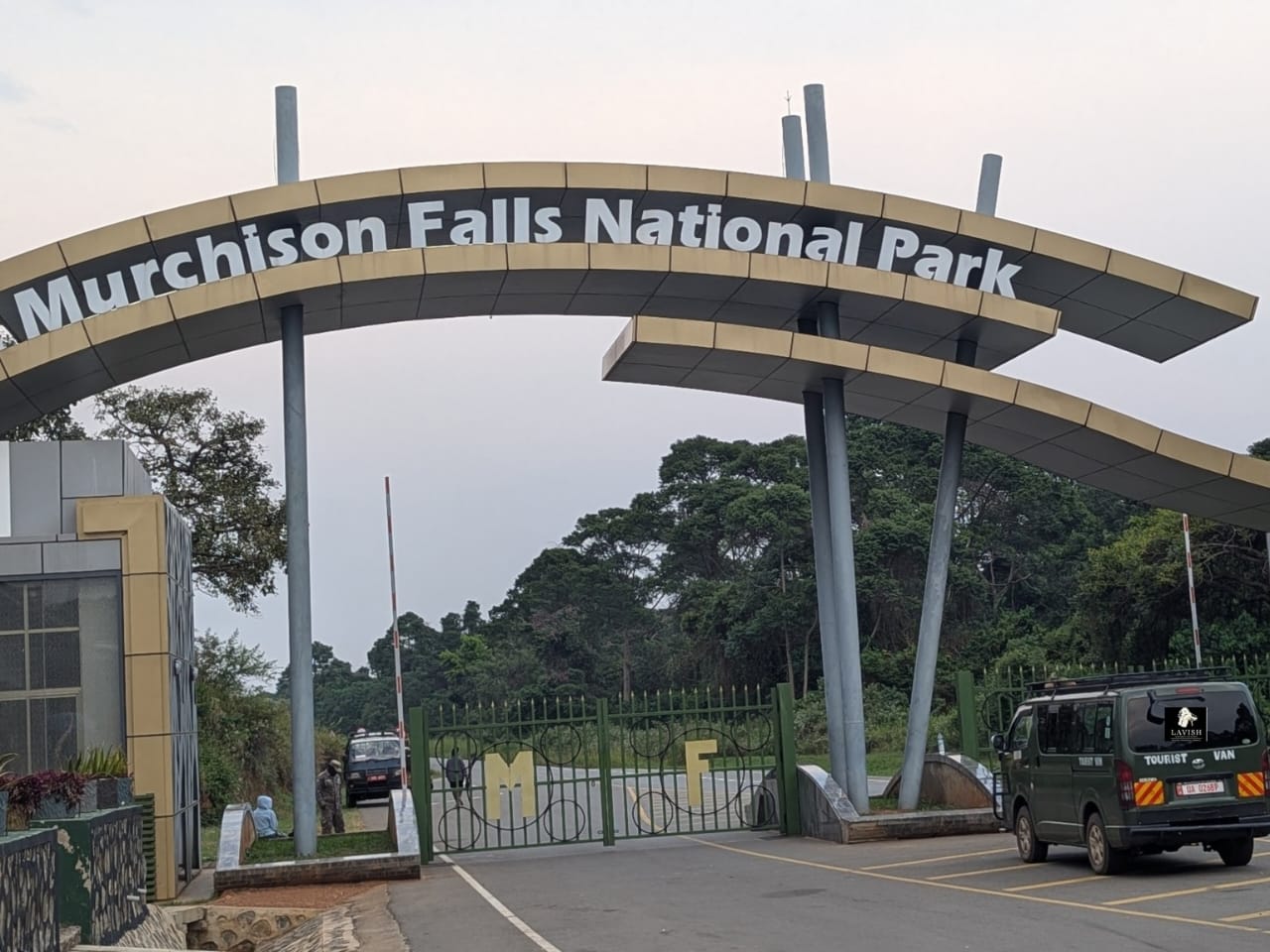
Uganda is the “Pearl of Africa” and one of the best places for primates. Bwindi and Mgahinga offer mountain gorilla trekking, Kibale has chimpanzees, Queen Elizabeth has tree-climbing lions and boat cruises, and Murchison Falls combines game drives with a dramatic Nile waterfall. Jinja adds white water rafting and adventure. Crowds are small and the experiences feel personal.
Best for: Gorillas, chimpanzees, birding, adventure, travellers who want fewer crowds.
Rwanda
Rwanda is compact, safe and well organised. Volcanoes National Park is the main gorilla trekking destination, Nyungwe Forest offers chimpanzees and canopy walks, and Akagera has savanna wildlife including lions and rhinos. Gorilla permits are expensive, but the country is easy to travel.
Best for: Short trips focused on gorillas, high-end conservation travel.
Southern Africa: Variety, Infrastructure and Self-Drive
Southern Africa suits travellers who want flexibility, excellent roads and a huge range of safari styles.
South Africa
Kruger National Park is one of Africa’s most accessible reserves, with excellent roads and a strong chance of seeing the Big Five. Private reserves bordering Kruger, such as Sabi Sand, offer luxury lodges and off-road game drives. Cape Town, the Winelands and the Garden Route make easy add-ons. Malaria-free reserves exist for families who prefer them.
Best for: First-timers, families, self-drive, combining safari with city and wine regions.
Botswana
Botswana focuses on low-volume, high-quality safaris. The Okavango Delta is a maze of waterways where you can travel by mokoro (traditional canoe), boat and 4×4. Chobe National Park has some of the largest elephant concentrations on earth, and the Central Kalahari and Makgadikgadi Pans offer stark desert landscapes.
Best for: Water-based safaris, elephants, photography, privacy. It is premium-priced.
Namibia
Namibia is perfect for road trips. Etosha National Park offers waterhole game viewing, while Sossusvlei features towering red dunes and Damaraland is known for desert-adapted elephants and rhinos. The coast and Skeleton Coast add dramatic scenery.
Best for: Self-drive, landscapes, photography, travellers who want more than wildlife.
Zambia and Zimbabwe
South Luangwa in Zambia is the birthplace of the walking safari and is renowned for leopards. Lower Zambezi offers canoe and boat safaris along the river. Victoria Falls, shared by Zambia and Zimbabwe, adds one of the world’s great natural wonders, while Hwange and Mana Pools in Zimbabwe provide quiet, authentic safaris.
Best for: Walking safaris, leopards, river-based experiences, travellers who want something less commercial.
Malawi and Mozambique
Both offer lesser-known wildlife areas and beaches. Malawi’s Liwonde and Mozambique’s Gorongosa are celebrated for conservation recovery stories and tranquil, uncrowded safaris.
Best for: Adventurous travellers who want a quieter trip with water activities.
Central and West Africa: For the Truly Adventurous
These regions have fewer visitors and more demanding logistics.
- Gabon and the Republic of Congo offer forest elephants, lowland gorillas and wild beaches.
- Ethiopia combines highland scenery with unique wildlife such as the Ethiopian wolf in the Bale Mountains.
- Senegal, The Gambia and Ghana are best known for birding and cultural travel, with smaller wildlife reserves.
These areas suit experienced travellers who value remoteness over comfort and are comfortable with longer travel times and limited tourism infrastructure.
Best Safari Destinations by Experience
| What you want | Top destinations |
|---|---|
| First safari | Kenya, Tanzania, South Africa |
| Great Migration | Serengeti (Tanzania), Maasai Mara (Kenya) |
| Gorillas and chimpanzees | Uganda, Rwanda |
| Big Five | Kruger and private reserves (South Africa), Etosha (Namibia) |
| Water-based safaris | Okavango Delta (Botswana), Lower Zambezi (Zambia) |
| Walking safaris | South Luangwa (Zambia), Mana Pools (Zimbabwe) |
| Self-drive | South Africa, Namibia, Botswana |
| Families | South Africa, Kenya, Tanzania |
| Photography | Botswana, Tanzania, Namibia |
| Fewer crowds | Uganda, Zambia, Ruaha (Tanzania), Kidepo (Uganda) |
| Adventure activities | Uganda (Jinja), Zambia and Zimbabwe (Victoria Falls) |
When to Go: Seasons Across Africa
| Region | Best time for wildlife | Notes |
|---|---|---|
| East Africa (Kenya, Tanzania) | June to October, plus January to February | Migration river crossings peak in the dry months |
| Uganda and Rwanda | June to August, December to February | Primates are viewable all year, but dry periods make trails easier |
| Southern Africa | May to October | Dry winter months concentrate animals around water |
| Namibia | May to October | Cooler and better for waterholes in Etosha |
| Botswana | May to October | Okavango flood peaks in the dry season |
Insight: The dry season is generally best for game viewing because vegetation thins and animals gather at water sources. The green or wet season offers lower prices, newborn animals and excellent birding, but trails and roads can be harder.
Safari Styles: Choosing How to Travel
- Guided group tours: Economical and sociable, with set itineraries.
- Private guided safaris: Your own vehicle and guide, flexible and ideal for families and photographers.
- Fly-in luxury safaris: Small planes link remote camps for a premium, time-efficient experience.
- Self-drive: Available in South Africa, Namibia and Botswana, and in some Kenyan and Ugandan areas. It requires careful planning and confidence on rough roads.
- Walking and canoe safaris: Slower, closer to nature and led by expert guides.
- Mobile camping: Moves with the wildlife or season for an immersive experience.
Budget: What to Expect
Safari prices vary widely depending on the country, season and lodge style.
- Budget: Camping, shared vehicles and simple lodges. Typically found in Kenya, Tanzania, Uganda, South Africa and Namibia.
- Mid-range: Comfortable lodges and tented camps, private or shared vehicles, and good guiding.
- Luxury: Exclusive camps, all-inclusive packages, fly-in transfers and specialist guides. Botswana, Tanzania, Kenya and Zambia lead here.
Cost factors to confirm: park and conservation fees, permit costs for gorilla and chimpanzee trekking, internal flights, tips, insurance and visas. Always ask what a quote includes.
Planning Tips for a Smooth Trip
- Book early. Popular lodges and permits sell out months ahead, especially in peak season.
- Choose a reputable operator. Look for transparent pricing, local knowledge, ethical practices and clear communication.
- Check health requirements. Yellow fever certificates, malaria prevention and routine vaccinations vary by country, so consult a travel clinic.
- Buy comprehensive insurance covering medical care, evacuation, cancellations and adventure activities.
- Pack smart. Neutral clothing, layers, a hat, sunscreen, binoculars, a camera with a zoom lens, and soft-sided luggage for small planes.
- Allow time. Do not cram too many parks into a short trip. Two or three nights per location is a good rhythm.
- Travel responsibly. Respect wildlife distances, support community-run initiatives, avoid single-use plastics and tip guides and staff fairly.
Sample Trip Ideas – Where to Go on Safari in Africa
First-time classic (10 days): Kenya’s Maasai Mara and Amboseli, or Tanzania’s Serengeti and Ngorongoro, with a beach extension.
Primates and savanna (8 to 10 days): Uganda combining gorillas, chimpanzees, Queen Elizabeth and Murchison Falls, with an adventure day in Jinja.
Luxury water safari (8 days): Botswana’s Okavango Delta and Chobe, with a stop at Victoria Falls.
Road trip and landscapes (12 days): Namibia’s Sossusvlei, Damaraland and Etosha.
Family-friendly (9 days): South Africa’s Kruger or a malaria-free reserve, followed by Cape Town.
Frequently Asked Questions – Where to Go on Safari in Africa
Where is the best place for a first safari in Africa?
Kenya, Tanzania and South Africa are the usual choices thanks to strong wildlife viewing, good infrastructure and many accommodation options.
Which country is best for seeing the Big Five?
South Africa offers the most reliable chances, particularly in Kruger and nearby private reserves. Parts of Kenya, Tanzania and Namibia also deliver.
Where can I see gorillas?
Uganda, Rwanda and the Democratic Republic of the Congo are the places for mountain gorillas, with Uganda and Rwanda being the most popular and best organised.
What is the cheapest country for a safari?
Costs vary, but South Africa, Namibia, Uganda, Kenya and Tanzania can all be done on a modest budget, particularly with camping or group tours.
Is safari safe?
Safari travel is generally safe when you follow your guide’s instructions, stay in vehicles and camps as directed and use reputable operators. Check current government travel advice before booking.
How many days do I need?
A week is enough for one or two destinations. Ten to fourteen days lets you combine regions or add a beach or city stay.
Final Thoughts – Where to Go on Safari in Africa
Best Safari Holidays. There is no single best place to go on safari in Africa, only the best place for you. Choose Kenya and Tanzania for iconic plains and migration drama, Uganda and Rwanda for gorillas and chimpanzees, Botswana and Zambia for water and walking safaris, and South Africa and Namibia for flexibility and road-trip freedom.